Polityk
Pedro Passos Coelho
1964 - obecnie
WYŚWIETLENIA PL.WIKIPEDIA (PV)
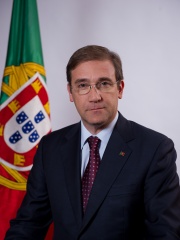
 Pedro Passos Coelho
Jego biografia jest dostępna w 47 różnych językach w Wikipedii. Pedro Passos Coelho jest 13035. najpopularniejszym polityk (spadek z 12523. w 2024 roku), 302. najpopularniejszą biografią Portugalia (spadek z 285. w 2019 roku) oraz 114. najpopularniejszym polityk Portugalia.
Wskaźniki rozpoznawalności
95k
Wyświetlenia strony
Ostatnie 12 miesięcy
58.26
HPI
Indeks historycznej popularności
Wyświetlenia strony Pedro Passos Coelho według języka
Wśród przedstawicieli zawodu Polityk
Wśród przedstawicieli zawodu „Polityk” Pedro Passos Coelho zajmuje 13,029. miejsce na 19,576. Przed nim są Joan Martí i Alanis, Gary Hocking, Rain-in-the-Face, Solomon Lozovsky, Amadocus I, i Rekhmire. Po nim są Osorkon IV, Marino Zorzi, Robert Andersson, Lyndon LaRouche, Mohammad Afzal Khan, i Ranulf I of Aquitaine.
Najpopularniejsi w Wikipedii: Polityk
Zobacz wszystkie rankingi

Joan Martí i Alanis
1928 - 2009
HPI: 58.26
Miejsce: 13,029
Gary Hocking
1937 - 1962
HPI: 58.26
Miejsce: 13,030
Rain-in-the-Face
1835 - 1835
HPI: 58.26
Miejsce: 13,031
Solomon Lozovsky
1876 - 1952
HPI: 58.26
Miejsce: 13,032

Amadocus I
450 BC - 390 BC
HPI: 58.26
Miejsce: 13,033
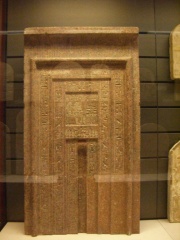
Rekhmire
1500 BC - 1500 BC
HPI: 58.26
Miejsce: 13,034
Pedro Passos Coelho
1964 - obecnie
HPI: 58.26
Miejsce: 13,035
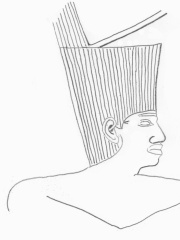
Osorkon IV
800 BC - 800 BC
HPI: 58.26
Miejsce: 13,036
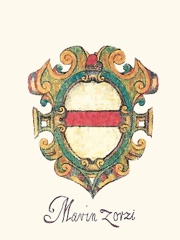
Marino Zorzi
1231 - 1312
HPI: 58.25
Miejsce: 13,037
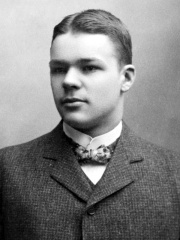
Robert Andersson
1886 - 1972
HPI: 58.25
Miejsce: 13,038
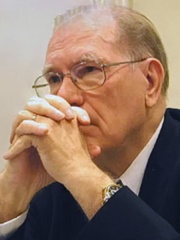
Lyndon LaRouche
1922 - 2019
HPI: 58.25
Miejsce: 13,039
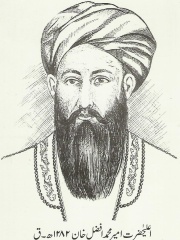
Mohammad Afzal Khan
1811 - 1867
HPI: 58.25
Miejsce: 13,040

Ranulf I of Aquitaine
820 - 866
HPI: 58.25
Miejsce: 13,041

Współcześni
Wśród osób urodzonych w 1964 roku Pedro Passos Coelho zajmuje 180. miejsce. Przed nim są Ian Hart, Martin Donnelly, Christopher Eccleston, Benoît Poelvoorde, Mayumi Kaji, i Elie Saab. Po nim są Djamolidine Abdoujaparov, Lady Sarah Chatto, Thomas Berthold, Lorenzo Staelens, Wael Nader al-Halqi, i Ian Ziering.
Inne osoby urodzone w 1964 roku
Zobacz wszystkie rankingi
Ian Hart
ACTOR
1964 - obecnie
HPI: 58.36
Miejsce: 174

Martin Donnelly
RACING DRIVER
1964 - obecnie
HPI: 58.35
Miejsce: 175
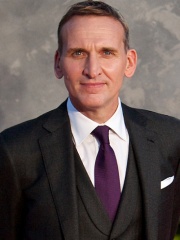
Christopher Eccleston
ACTOR
1964 - obecnie
HPI: 58.32
Miejsce: 176
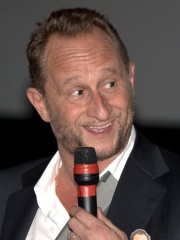
Benoît Poelvoorde
ACTOR
1964 - obecnie
HPI: 58.29
Miejsce: 177

Mayumi Kaji
SOCCER PLAYER
1964 - obecnie
HPI: 58.28
Miejsce: 178

Elie Saab
POLITICIAN
1964 - obecnie
HPI: 58.27
Miejsce: 179
Pedro Passos Coelho
POLITICIAN
1964 - obecnie
HPI: 58.26
Miejsce: 180
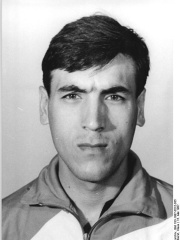
Djamolidine Abdoujaparov
CYCLIST
1964 - obecnie
HPI: 58.24
Miejsce: 181

Lady Sarah Chatto
NOBLEMAN
1964 - obecnie
HPI: 58.21
Miejsce: 182
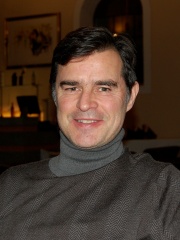
Thomas Berthold
SOCCER PLAYER
1964 - obecnie
HPI: 58.20
Miejsce: 183

Lorenzo Staelens
SOCCER PLAYER
1964 - obecnie
HPI: 58.20
Miejsce: 184
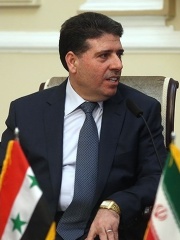
Wael Nader al-Halqi
POLITICIAN
1964 - obecnie
HPI: 58.16
Miejsce: 185
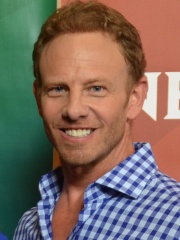
Ian Ziering
ACTOR
1964 - obecnie
HPI: 58.04
Miejsce: 186
W kraju Portugalia
Wśród osób urodzonych w kraju Portugalia Pedro Passos Coelho zajmuje 302. miejsce na NaN. Przed nim są António Manoel de Vilhena (1663), Ricardo Costa (1981), Martim Afonso de Sousa (1500), Simão Rodrigues (1510), José Malhoa (1855), i Walther Katzenstein (1878). Po nim są Dulce Pontes (1969), António Ribeiro (1928), Afonso Costa (1871), Nadir Afonso (1920), Nené (1949), i Joaquim Carvalho (1937).
Inne osoby urodzone w kraju Portugalia
Zobacz wszystkie rankingi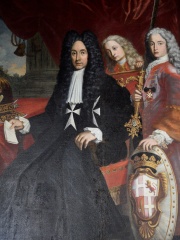
António Manoel de Vilhena
POLITICIAN
1663 - 1736
HPI: 58.50
Miejsce: 296
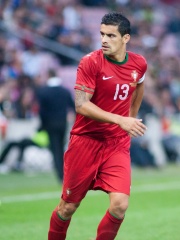
Ricardo Costa
SOCCER PLAYER
1981 - obecnie
HPI: 58.46
Miejsce: 297
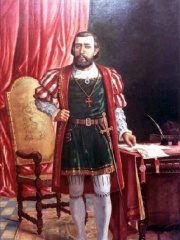
Martim Afonso de Sousa
EXPLORER
1500 - 1564
HPI: 58.43
Miejsce: 298
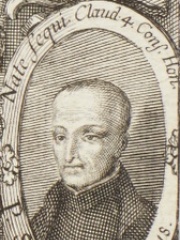
Simão Rodrigues
RELIGIOUS FIGURE
1510 - 1579
HPI: 58.42
Miejsce: 299
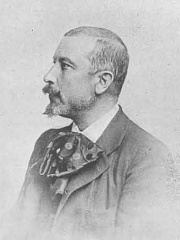
José Malhoa
PAINTER
1855 - 1933
HPI: 58.41
Miejsce: 300

Walther Katzenstein
ATHLETE
1878 - 1929
HPI: 58.39
Miejsce: 301
Pedro Passos Coelho
POLITICIAN
1964 - obecnie
HPI: 58.26
Miejsce: 302

Dulce Pontes
SINGER
1969 - obecnie
HPI: 58.22
Miejsce: 303
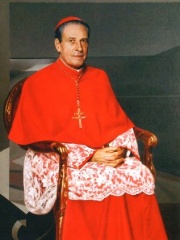
António Ribeiro
RELIGIOUS FIGURE
1928 - 1998
HPI: 58.21
Miejsce: 304

Afonso Costa
ATHLETE
1871 - 1937
HPI: 58.17
Miejsce: 305
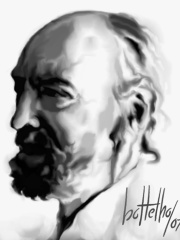
Nadir Afonso
PAINTER
1920 - 2013
HPI: 58.14
Miejsce: 306

Nené
SOCCER PLAYER
1949 - obecnie
HPI: 58.12
Miejsce: 307
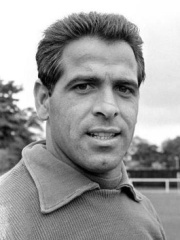
Joaquim Carvalho
SOCCER PLAYER
1937 - 2022
HPI: 58.12
Miejsce: 308
Wśród przedstawicieli zawodu Polityk w kraju Portugalia
Wśród przedstawicieli zawodu „Polityk” urodzonych w kraju Portugalia Pedro Passos Coelho zajmuje 114. miejsce. Przed nim są Vasco de Almeida e Costa (1932), Luís Montenegro (1973), Jaime, Duke of Braganza (1483), Francisco Pinto Balsemão (1937), Teodósio I, Duke of Braganza (1510), i António Manoel de Vilhena (1663). Po nim są Guilhermina Suggia (1885), João de Castro (1500), Carlos Mota Pinto (1936), António José Seguro (1962), Alfredo Nobre da Costa (1923), i Pedro Santana Lopes (1956).
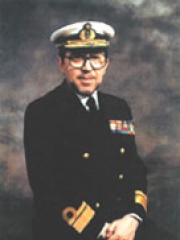
Vasco de Almeida e Costa
1932 - 2010
HPI: 60.25
Miejsce: 108
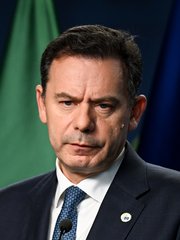
Luís Montenegro
1973 - obecnie
HPI: 60.20
Miejsce: 109
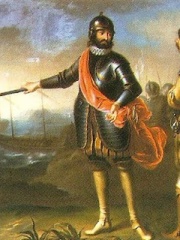
Jaime, Duke of Braganza
1483 - 1532
HPI: 60.00
Miejsce: 110
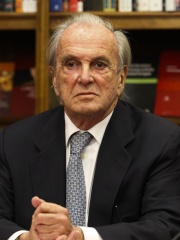
Francisco Pinto Balsemão
1937 - 2025
HPI: 58.85
Miejsce: 111
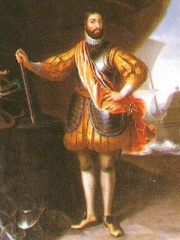
Teodósio I, Duke of Braganza
1510 - 1563
HPI: 58.68
Miejsce: 112
António Manoel de Vilhena
1663 - 1736
HPI: 58.50
Miejsce: 113
Pedro Passos Coelho
1964 - obecnie
HPI: 58.26
Miejsce: 114
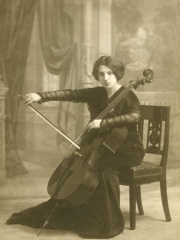
Guilhermina Suggia
1885 - 1950
HPI: 58.08
Miejsce: 115
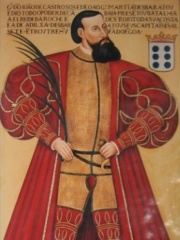
João de Castro
1500 - 1548
HPI: 57.67
Miejsce: 116

Carlos Mota Pinto
1936 - 1985
HPI: 57.29
Miejsce: 117
António José Seguro
1962 - obecnie
HPI: 57.25
Miejsce: 118

Alfredo Nobre da Costa
1923 - 1996
HPI: 57.12
Miejsce: 119
Pedro Santana Lopes
1956 - obecnie
HPI: 56.57
Miejsce: 120




