Politico
Anastasio I Dicoro
430 - 518
VISUALIZZAZIONI SU IT.WIKIPEDIA (PV)
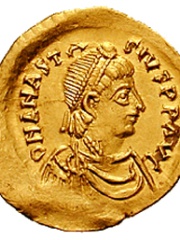
 Anastasio I Dicoro
La sua biografia è disponibile in 59 lingue su Wikipedia (in aumento rispetto a 57 nel 2024). Anastasio I Dicoro è il 259° politico più popolare (in aumento dal 843° nel 2024), la 2ª biografia più popolare dell'Albania (in aumento dal 4ª nel 2019) e il 2° politico più popolare dell'Albania.
Metriche di memorabilità
180k
Visualizzazioni
Ultimi 12 mesi
82.03
HPI
Indice di popolarità storica
Dati in evidenza
+1,899
Anastasio I Dicoro ha guadagnato 1,899 posizioni nella classifica HPI globale di Pantheon, passando dal n. 2,778 al n. 879.
#2 / 177
Anastasio I Dicoro occupa la posizione n. 2 tra le 177 persone di Pantheon nate in Albania, nel 2% più alto del gruppo.
59
La biografia di Anastasio I Dicoro compare in 59 edizioni linguistiche di Wikipedia, più del 93% di tutti i Politico.
Visualizzazioni della pagina di Anastasio I Dicoro per lingua
Tra Politico
Tra Politico, Anastasio I Dicoro occupa la posizione 259 su 20,022. Prima di lui ci sono Maximilian I of Mexico, Alexander II of Russia, Heraclius, José Mujica, Septimius Severus, e Mohammad Reza Pahlavi. Dopo di lui ci sono Saparmurat Niyazov, Golda Meir, Æthelwulf, King of Wessex, Muhammad Ali of Egypt, Mehmed IV, e Enver Hoxha.
Politico più popolari su Wikipedia
Vai a tutte le classifiche
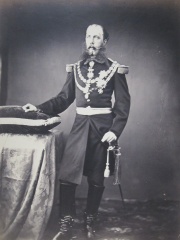
Maximilian I of Mexico
1832 - 1867
HPI: 82.14
Posizione: 253
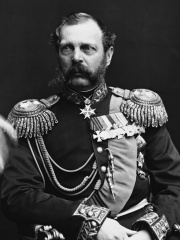
Alexander II of Russia
1818 - 1881
HPI: 82.13
Posizione: 254
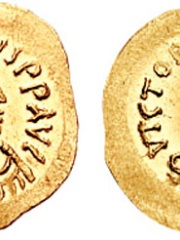
Heraclius
575 - 641
HPI: 82.13
Posizione: 255
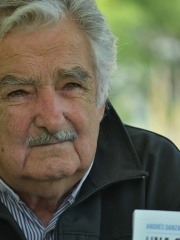
José Mujica
1935 - 2025
HPI: 82.11
Posizione: 256
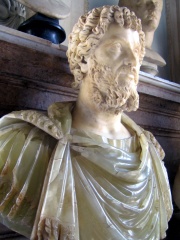
Septimius Severus
145 - 211
HPI: 82.04
Posizione: 257
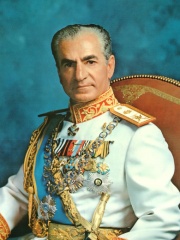
Mohammad Reza Pahlavi
1919 - 1980
HPI: 82.03
Posizione: 258
Anastasius I Dicorus
430 - 518
HPI: 82.03
Posizione: 259
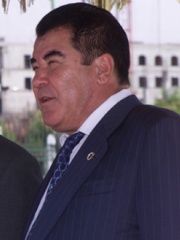
Saparmurat Niyazov
1940 - 2006
HPI: 82.01
Posizione: 260
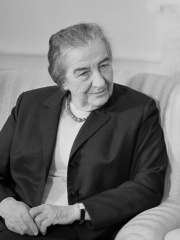
Golda Meir
1898 - 1978
HPI: 82.01
Posizione: 261
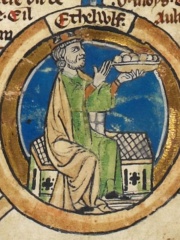
Æthelwulf, King of Wessex
795 - 858
HPI: 82.01
Posizione: 262
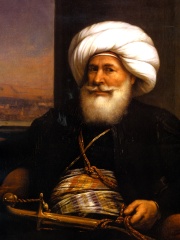
Muhammad Ali of Egypt
1769 - 1849
HPI: 81.97
Posizione: 263
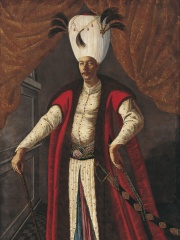
Mehmed IV
1642 - 1693
HPI: 81.94
Posizione: 264
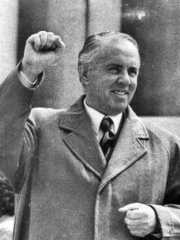
Enver Hoxha
1908 - 1985
HPI: 81.91
Posizione: 265

Contemporanei
Tra le persone nate nel 430, Anastasio I Dicoro occupa la posizione 1. Dopo di lui ci sono Julius Nepos, Glycerius, Syagrius, Sidonius Apollinaris, Abd Manaf ibn Qusai, Theodemir, e Emperor Xiaowu of Song. Tra le persone decedute nel 518, Anastasio I Dicoro occupa la posizione 1. Dopo di lui c'è Avitus of Vienne.
Altre persone nate nel 430
Vai a tutte le classificheAnastasius I Dicorus
POLITICIAN
430 - 518
HPI: 82.03
Posizione: 1
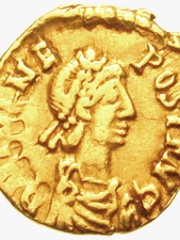
Julius Nepos
POLITICIAN
430 - 480
HPI: 76.23
Posizione: 2
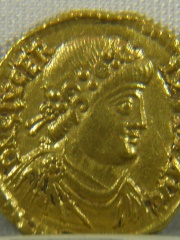
Glycerius
POLITICIAN
430 - 480
HPI: 72.70
Posizione: 3
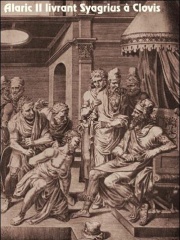
Syagrius
MILITARY PERSONNEL
430 - 487
HPI: 72.05
Posizione: 4
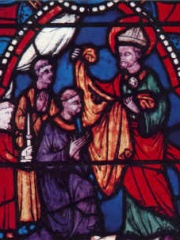
Sidonius Apollinaris
WRITER
430 - 489
HPI: 70.73
Posizione: 5

Abd Manaf ibn Qusai
RELIGIOUS FIGURE
430 - 600
HPI: 67.54
Posizione: 6

Theodemir
POLITICIAN
430 - 474
HPI: 67.10
Posizione: 7

Emperor Xiaowu of Song
POLITICIAN
430 - 464
HPI: 60.11
Posizione: 8
Altre persone decedute nel 518
Vai a tutte le classificheAnastasius I Dicorus
POLITICIAN
430 - 518
HPI: 82.03
Posizione: 1
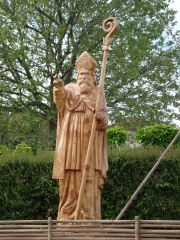
Avitus of Vienne
WRITER
450 - 518
HPI: 63.31
Posizione: 2
In Albania
Tra le persone nate in Albania, Anastasio I Dicoro occupa la posizione 2 su 177. Prima di lui c'è Skanderbeg (1405). Dopo di lui ci sono Enver Hoxha (1908), Zog I of Albania (1895), Safiye Sultan (1550), Ali Pasha of Ioannina (1750), Ismail Kadare (1936), Charles III of Naples (1345), Sali Berisha (1944), Prince Marko (1335), Ramiz Alia (1924), e Ismail Qemali (1844).
Altre persone nate in Albania
Vai a tutte le classifiche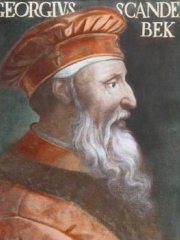
Skanderbeg
POLITICIAN
1405 - 1468
HPI: 83.87
Posizione: 1
Anastasius I Dicorus
POLITICIAN
430 - 518
HPI: 82.03
Posizione: 2
Enver Hoxha
POLITICIAN
1908 - 1985
HPI: 81.91
Posizione: 3
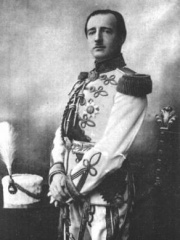
Zog I of Albania
POLITICIAN
1895 - 1961
HPI: 80.61
Posizione: 4
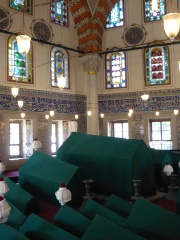
Safiye Sultan
POLITICIAN
1550 - 1619
HPI: 79.14
Posizione: 5
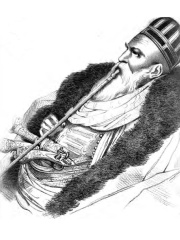
Ali Pasha of Ioannina
POLITICIAN
1750 - 1822
HPI: 78.32
Posizione: 6

Ismail Kadare
WRITER
1936 - 2024
HPI: 75.57
Posizione: 7
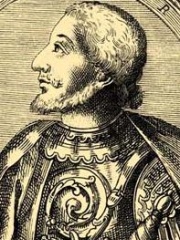
Charles III of Naples
POLITICIAN
1345 - 1386
HPI: 73.13
Posizione: 8

Sali Berisha
POLITICIAN
1944 - presente
HPI: 72.61
Posizione: 9
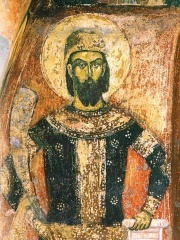
Prince Marko
POLITICIAN
1335 - 1395
HPI: 72.01
Posizione: 10

Ramiz Alia
POLITICIAN
1924 - 2011
HPI: 71.80
Posizione: 11
Ismail Qemali
POLITICIAN
1844 - 1919
HPI: 71.02
Posizione: 12
Tra Politico in Albania
Tra Politico nati in Albania, Anastasio I Dicoro occupa la posizione 2. Prima di lui c'è Skanderbeg (1405). Dopo di lui ci sono Enver Hoxha (1908), Zog I of Albania (1895), Safiye Sultan (1550), Ali Pasha of Ioannina (1750), Charles III of Naples (1345), Sali Berisha (1944), Prince Marko (1335), Ramiz Alia (1924), Ismail Qemali (1844), e Kara Ahmed Pasha (1450).
Skanderbeg
1405 - 1468
HPI: 83.87
Posizione: 1
Anastasius I Dicorus
430 - 518
HPI: 82.03
Posizione: 2
Enver Hoxha
1908 - 1985
HPI: 81.91
Posizione: 3
Zog I of Albania
1895 - 1961
HPI: 80.61
Posizione: 4
Safiye Sultan
1550 - 1619
HPI: 79.14
Posizione: 5
Ali Pasha of Ioannina
1750 - 1822
HPI: 78.32
Posizione: 6
Charles III of Naples
1345 - 1386
HPI: 73.13
Posizione: 7
Sali Berisha
1944 - presente
HPI: 72.61
Posizione: 8
Prince Marko
1335 - 1395
HPI: 72.01
Posizione: 9
Ramiz Alia
1924 - 2011
HPI: 71.80
Posizione: 10
Ismail Qemali
1844 - 1919
HPI: 71.02
Posizione: 11
Kara Ahmed Pasha
1450 - 1555
HPI: 70.27
Posizione: 12




