Pintor
Amrita Sher-Gil
1913 - 1941
VISUALIZAÇÕES EM PT.WIKIPEDIA (PV)
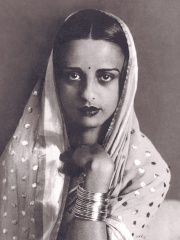
 Amrita Sher-Gil
Sua biografia está disponível em 54 idiomas na Wikipédia (aumento em relação a 51 em 2024). Amrita Sher-Gil é a 849ª pintor mais popular (subiu do 919ª em 2024), a 268ª biografia mais popular da Hungria (caiu do 265ª em 2019) e a 4ª pintor mais popular da Hungria.
Métricas de memorabilidade
170k
Visualizações
Últimos 12 meses
62.46
HPI
Índice de Popularidade Histórica
Destaques dos dados
309
Amrita Sher-Gil é uma das apenas 309 mulheres entre os 2,023 Pintor do Pantheon.
54
A biografia de Amrita Sher-Gil aparece em 54 edições de idiomas da Wikipédia — mais do que 93% de todos os Pintor.
30 de jan.
Amrita Sher-Gil faz aniversário no mesmo dia (30 de janeiro) que Franklin D. Roosevelt, Gene Hackman e Olof Palme.
Visualizações da página de Amrita Sher-Gil por idioma
Entre Pintor
Entre Pintor, Amrita Sher-Gil ocupa a posição 849 de 2,023. Antes dela vêm Michiel Coxie, Alonso Berruguete, Jean Fautrier, Vasily Tropinin, Gaspar de Crayer, e Gillis van Coninxloo. Depois dela vêm Jacob Philipp Hackert, Walter Sickert, Jean François de Troy, Coppo di Marcovaldo, Roman Opałka, e Marinus van Reymerswaele.
Pintor mais populares na Wikipédia
Ver todas as classificações
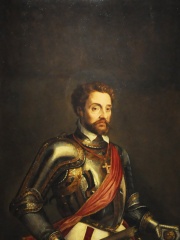
Michiel Coxie
1499 - 1592
HPI: 62.52
Posição: 843
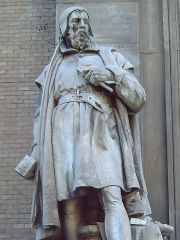
Alonso Berruguete
1488 - 1561
HPI: 62.52
Posição: 844

Jean Fautrier
1898 - 1964
HPI: 62.51
Posição: 845
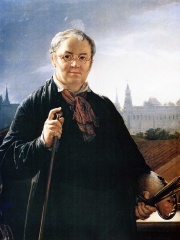
Vasily Tropinin
1776 - 1857
HPI: 62.51
Posição: 846
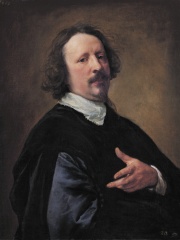
Gaspar de Crayer
1584 - 1669
HPI: 62.47
Posição: 847
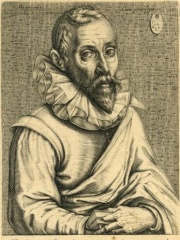
Gillis van Coninxloo
1544 - 1607
HPI: 62.47
Posição: 848
Amrita Sher-Gil
1913 - 1941
HPI: 62.46
Posição: 849
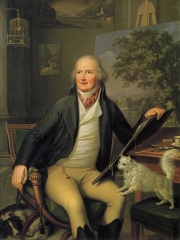
Jacob Philipp Hackert
1737 - 1807
HPI: 62.43
Posição: 850
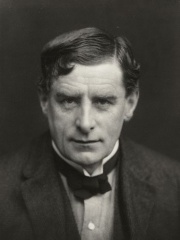
Walter Sickert
1860 - 1942
HPI: 62.42
Posição: 851
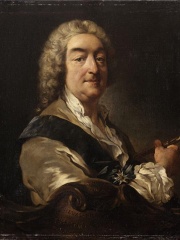
Jean François de Troy
1679 - 1752
HPI: 62.42
Posição: 852
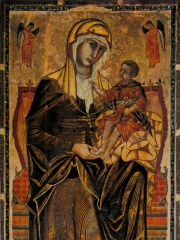
Coppo di Marcovaldo
1225 - 1276
HPI: 62.41
Posição: 853
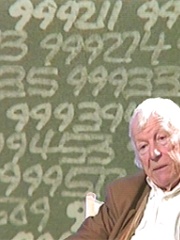
Roman Opałka
1931 - 2011
HPI: 62.40
Posição: 854
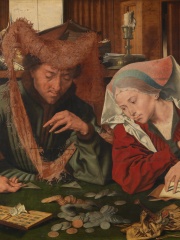
Marinus van Reymerswaele
1490 - 1546
HPI: 62.40
Posição: 855

Contemporâneos
Entre as pessoas nascidas em 1913, Amrita Sher-Gil ocupa a posição 120. Antes dela vêm Philip Abelson, Tikhon Khrennikov, Wols, Georgy Flyorov, Ken Carpenter, e Mickey Cohen. Depois dela vêm Abraham Sutzkever, Hélio Gracie, Alfred Bester, Pedro Gastão of Orléans-Braganza, Ed Ablowich, e Géza Kalocsay. Entre as pessoas falecidas em 1941, Amrita Sher-Gil ocupa a posição 74. Antes dela vêm Jaan Tõnisson, Elizabeth von Arnim, Hanns Kerrl, Amy Johnson, Arkady Gaidar, e Lothar von Arnauld de la Perière. Depois dela vêm Ivan Panfilov, Alfred Hettner, Friedrich Akel, Maximilien Luce, J. Stuart Blackton, e Joachim Schepke.
Outras pessoas nascidas em 1913
Ver todas as classificações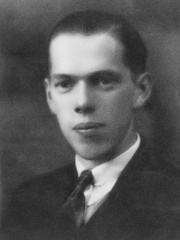
Philip Abelson
PHYSICIST
1913 - 2004
HPI: 62.98
Posição: 114
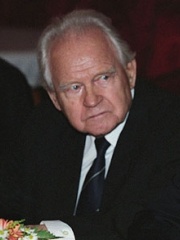
Tikhon Khrennikov
COMPOSER
1913 - 2007
HPI: 62.86
Posição: 115
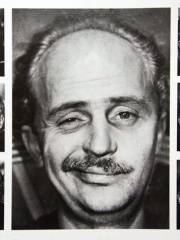
Wols
PAINTER
1913 - 1951
HPI: 62.74
Posição: 116

Georgy Flyorov
PHYSICIST
1913 - 1990
HPI: 62.65
Posição: 117
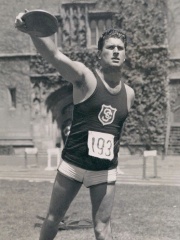
Ken Carpenter
ATHLETE
1913 - 1984
HPI: 62.63
Posição: 118
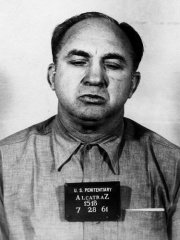
Mickey Cohen
MAFIOSO
1913 - 1976
HPI: 62.49
Posição: 119
Amrita Sher-Gil
PAINTER
1913 - 1941
HPI: 62.46
Posição: 120
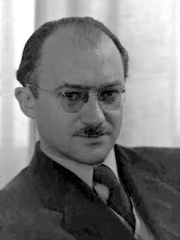
Abraham Sutzkever
WRITER
1913 - 2010
HPI: 62.45
Posição: 121
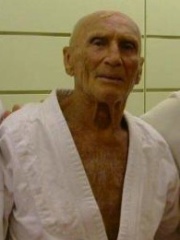
Hélio Gracie
MARTIAL ARTS
1913 - 2009
HPI: 62.31
Posição: 122

Alfred Bester
WRITER
1913 - 1987
HPI: 62.29
Posição: 123

Pedro Gastão of Orléans-Braganza
NOBLEMAN
1913 - 2007
HPI: 62.27
Posição: 124

Ed Ablowich
ATHLETE
1913 - 1998
HPI: 62.25
Posição: 125

Géza Kalocsay
SOCCER PLAYER
1913 - 2008
HPI: 62.22
Posição: 126
Outras pessoas falecidas em 1941
Ver todas as classificações
Jaan Tõnisson
POLITICIAN
1868 - 1941
HPI: 62.81
Posição: 68
Elizabeth von Arnim
WRITER
1866 - 1941
HPI: 62.77
Posição: 69
Hanns Kerrl
POLITICIAN
1887 - 1941
HPI: 62.77
Posição: 70
Amy Johnson
PILOT
1903 - 1941
HPI: 62.55
Posição: 71
Arkady Gaidar
WRITER
1904 - 1941
HPI: 62.52
Posição: 72
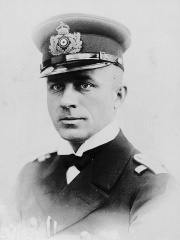
Lothar von Arnauld de la Perière
MILITARY PERSONNEL
1886 - 1941
HPI: 62.49
Posição: 73
Amrita Sher-Gil
PAINTER
1913 - 1941
HPI: 62.46
Posição: 74
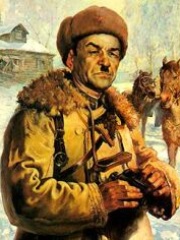
Ivan Panfilov
MILITARY PERSONNEL
1893 - 1941
HPI: 62.46
Posição: 75
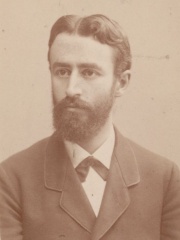
Alfred Hettner
GEOGRAPHER
1859 - 1941
HPI: 62.38
Posição: 76
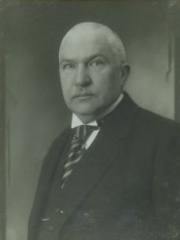
Friedrich Akel
POLITICIAN
1871 - 1941
HPI: 62.23
Posição: 77
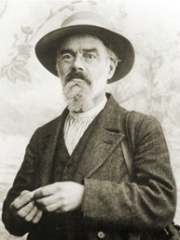
Maximilien Luce
PAINTER
1858 - 1941
HPI: 62.20
Posição: 78
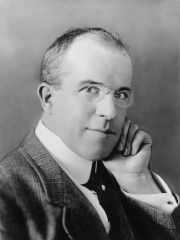
J. Stuart Blackton
FILM DIRECTOR
1875 - 1941
HPI: 62.10
Posição: 79
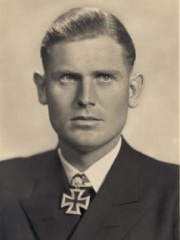
Joachim Schepke
MILITARY PERSONNEL
1912 - 1941
HPI: 62.10
Posição: 80
Em Hungria
Entre as pessoas nascidas em Hungria, Amrita Sher-Gil ocupa a posição 268 de 1,077. Antes dela vêm Franz Alexander (1891), Nicolaus Olahus (1493), Margaret of Hungary (1175), Mátyás Szűrös (1933), Charles Simonyi (1948), e József Antall (1932). Depois dela vêm Károly Grósz (1930), Ilona Elek (1907), Michu Meszaros (1939), Janus Pannonius (1434), Imre Steindl (1839), e Miklós Fehér (1979).
Outras pessoas nascidas em Hungria
Ver todas as classificações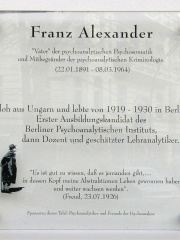
Franz Alexander
PSYCHOLOGIST
1891 - 1964
HPI: 62.57
Posição: 262
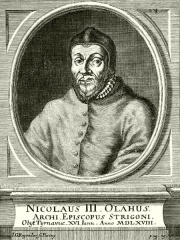
Nicolaus Olahus
RELIGIOUS FIGURE
1493 - 1568
HPI: 62.56
Posição: 263

Margaret of Hungary
POLITICIAN
1175 - 1223
HPI: 62.55
Posição: 264
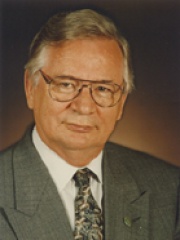
Mátyás Szűrös
POLITICIAN
1933 - presente
HPI: 62.53
Posição: 265

Charles Simonyi
BUSINESSPERSON
1948 - presente
HPI: 62.49
Posição: 266

József Antall
POLITICIAN
1932 - 1993
HPI: 62.47
Posição: 267
Amrita Sher-Gil
PAINTER
1913 - 1941
HPI: 62.46
Posição: 268
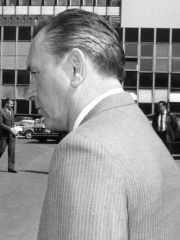
Károly Grósz
POLITICIAN
1930 - 1996
HPI: 62.46
Posição: 269
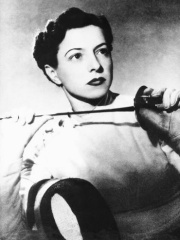
Ilona Elek
FENCER
1907 - 1988
HPI: 62.46
Posição: 270

Michu Meszaros
ACTOR
1939 - 2016
HPI: 62.43
Posição: 271

Janus Pannonius
WRITER
1434 - 1472
HPI: 62.42
Posição: 272
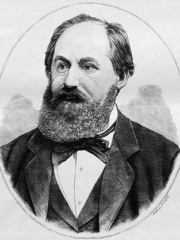
Imre Steindl
ARCHITECT
1839 - 1902
HPI: 62.40
Posição: 273

Miklós Fehér
SOCCER PLAYER
1979 - 2004
HPI: 62.39
Posição: 274
Entre Pintor em Hungria
Entre Pintor nascidos em Hungria, Amrita Sher-Gil ocupa a posição 4. Antes dela vêm István Sándorfi (1948), Mihály Munkácsy (1844), e Mihály Zichy (1827). Depois dela vêm Gyula Benczúr (1844), Philip de László (1869), László Mednyánszky (1852), Vilmos Aba-Novák (1894), József Rippl-Rónai (1861), Igor Grabar (1871), Dóra Maurer (1937), e Lajos Tihanyi (1885).

István Sándorfi
1948 - 2007
HPI: 70.58
Posição: 1
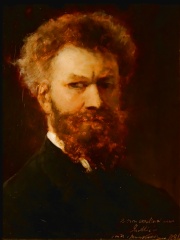
Mihály Munkácsy
1844 - 1900
HPI: 64.04
Posição: 2
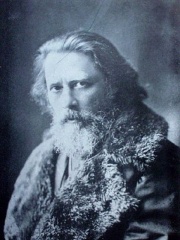
Mihály Zichy
1827 - 1906
HPI: 63.90
Posição: 3
Amrita Sher-Gil
1913 - 1941
HPI: 62.46
Posição: 4
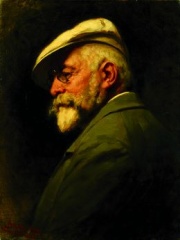
Gyula Benczúr
1844 - 1920
HPI: 61.66
Posição: 5
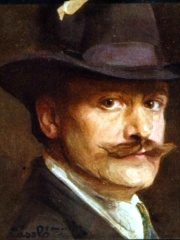
Philip de László
1869 - 1937
HPI: 61.63
Posição: 6
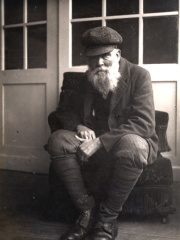
László Mednyánszky
1852 - 1919
HPI: 61.17
Posição: 7
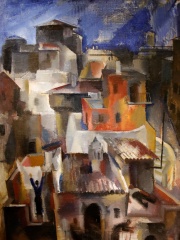
Vilmos Aba-Novák
1894 - 1941
HPI: 60.02
Posição: 8
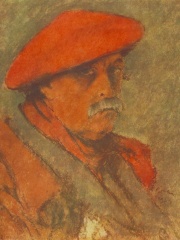
József Rippl-Rónai
1861 - 1927
HPI: 59.53
Posição: 9
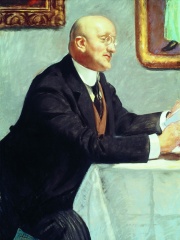
Igor Grabar
1871 - 1960
HPI: 58.35
Posição: 10

Dóra Maurer
1937 - 2026
HPI: 57.96
Posição: 11
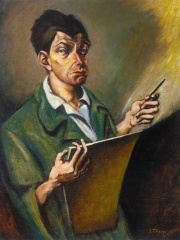
Lajos Tihanyi
1885 - 1938
HPI: 57.26
Posição: 12




