Schrijver
Alexander of Abonoteichus
105 - 170
NL.WIKIPEDIA-PAGINAWEERGAVEN (PV)
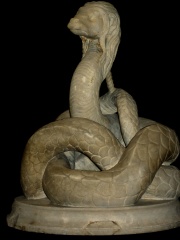
 Alexander of Abonoteichus
Zijn biografie is beschikbaar in 16 verschillende talen op Wikipedia. Alexander of Abonoteichus staat op plaats 4.339 onder de meest populaire schrijver (gedaald van plaats 4.102 in 2024), plaats 1.080 onder de meest populaire biografieën uit Turkije (gedaald van plaats 1.044 in 2019) en op plaats 118 onder de populairste schrijver uit Turkije.
Bekendheidsstatistieken
19k
Paginaweergaven
Afgelopen 12 maanden
57.19
HPI
Historische populariteitsindex
Data-inzichten
#49,860
Meer dan 18 eeuwen na de dood staat Alexander of Abonoteichus nog altijd op plaats 49,860 van alle personen in Pantheon.
1 jan
Alexander of Abonoteichus is jarig op dezelfde dag (1 januari) als Mary, mother of Jesus, Saint Peter en Laozi.
Paginaweergaven van Alexander of Abonoteichus per taal
Onder Schrijver
Onder Schrijver staat Alexander of Abonoteichus op plaats 4,339 van 7,302. Vóór hem staan Richard Powers, Emma Andijewska, Anna Maria Lenngren, Kamini Roy, Vladimir Odoyevsky, en Vladimir Oravsky. Na hem komen Cesare Balbo, Ostap Vyshnya, Elisabeth Langgässer, Philippa Gregory, Yuri Bondarev, en Walter Savage Landor.
Populairste Schrijver op Wikipedia
Naar alle ranglijsten
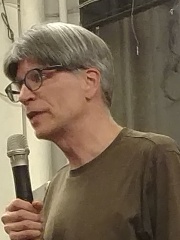
Richard Powers
1957 - heden
HPI: 57.20
Plaats: 4,333
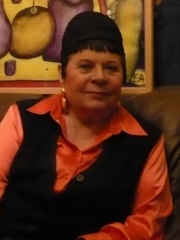
Emma Andijewska
1931 - heden
HPI: 57.20
Plaats: 4,334
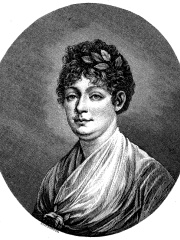
Anna Maria Lenngren
1754 - 1817
HPI: 57.20
Plaats: 4,335
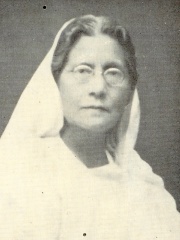
Kamini Roy
1864 - 1933
HPI: 57.19
Plaats: 4,336
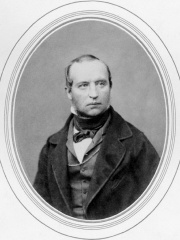
Vladimir Odoyevsky
1803 - 1869
HPI: 57.19
Plaats: 4,337
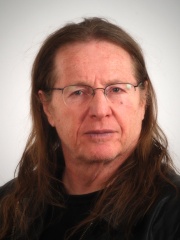
Vladimir Oravsky
1947 - heden
HPI: 57.19
Plaats: 4,338
Alexander of Abonoteichus
105 - 170
HPI: 57.19
Plaats: 4,339
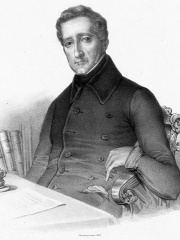
Cesare Balbo
1789 - 1853
HPI: 57.19
Plaats: 4,340
Ostap Vyshnya
1889 - 1956
HPI: 57.19
Plaats: 4,341

Elisabeth Langgässer
1899 - 1950
HPI: 57.18
Plaats: 4,342
Philippa Gregory
1954 - heden
HPI: 57.18
Plaats: 4,343
Yuri Bondarev
1924 - 2020
HPI: 57.18
Plaats: 4,344
Walter Savage Landor
1775 - 1864
HPI: 57.18
Plaats: 4,345

Tijdgenoten
Onder de mensen geboren in 105 staat Alexander of Abonoteichus op plaats 4. Vóór hem staan Faustina the Elder, Emperor Shang of Han, en Gaeru of Baekje. Onder de mensen overleden in 170 staat Alexander of Abonoteichus op plaats 5. Vóór hem staan Ptolemy, Apuleius, Salvius Julianus, en Junius Rusticus.
Anderen geboren in 105
Naar alle ranglijsten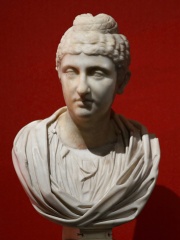
Faustina the Elder
COMPANION
105 - 140
HPI: 69.67
Plaats: 1

Emperor Shang of Han
POLITICIAN
105 - 106
HPI: 65.51
Plaats: 2

Gaeru of Baekje
POLITICIAN
105 - 166
HPI: 62.68
Plaats: 3
Alexander of Abonoteichus
WRITER
105 - 170
HPI: 57.19
Plaats: 4
Anderen overleden in 170
Naar alle ranglijsten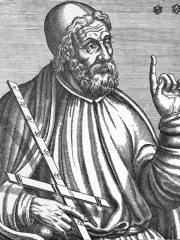
Ptolemy
ASTRONOMER
100 - 170
HPI: 87.07
Plaats: 1
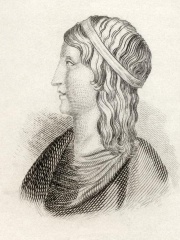
Apuleius
WRITER
125 - 170
HPI: 80.60
Plaats: 2

Salvius Julianus
POLITICIAN
115 - 170
HPI: 63.83
Plaats: 3
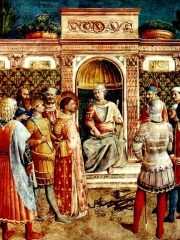
Junius Rusticus
POLITICIAN
100 - 170
HPI: 60.06
Plaats: 4
Alexander of Abonoteichus
WRITER
105 - 170
HPI: 57.19
Plaats: 5
In Turkije
Onder de mensen geboren in Turkije staat Alexander of Abonoteichus op plaats 1,080 van 1,347. Vóór hem staan Taner Akçam (1953), Şemsettin Günaltay (1883), Filiz Akın (1943), Afife Jale (1902), Zabel Sibil Asadour (1863), en Anna of Trebizond, Queen of Georgia (1357). Na hem komen Arda Güler (2005), Ayşe Sultan (1887), Arif Mardin (1932), Kazım Ayvaz (1938), Charles Gérard (1922), en Aristeidis Moraitinis (1806).
Anderen geboren in Turkije
Naar alle ranglijsten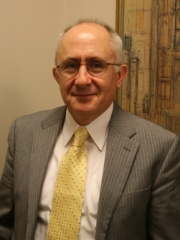
Taner Akçam
HISTORIAN
1953 - heden
HPI: 57.28
Plaats: 1,074
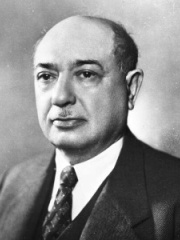
Şemsettin Günaltay
POLITICIAN
1883 - 1961
HPI: 57.28
Plaats: 1,075

Filiz Akın
ACTOR
1943 - 2025
HPI: 57.25
Plaats: 1,076
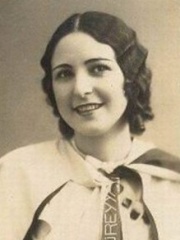
Afife Jale
ACTOR
1902 - 1941
HPI: 57.22
Plaats: 1,077
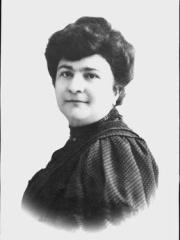
Zabel Sibil Asadour
WRITER
1863 - 1934
HPI: 57.21
Plaats: 1,078

Anna of Trebizond, Queen of Georgia
NOBLEMAN
1357 - heden
HPI: 57.21
Plaats: 1,079
Alexander of Abonoteichus
WRITER
105 - 170
HPI: 57.19
Plaats: 1,080

Arda Güler
SOCCER PLAYER
2005 - heden
HPI: 57.18
Plaats: 1,081
Ayşe Sultan
NOBLEMAN
1887 - 1960
HPI: 57.16
Plaats: 1,082
Arif Mardin
MUSICIAN
1932 - 2006
HPI: 57.15
Plaats: 1,083

Kazım Ayvaz
ATHLETE
1938 - 2020
HPI: 57.15
Plaats: 1,084
Charles Gérard
ACTOR
1922 - 2019
HPI: 57.12
Plaats: 1,085
Aristeidis Moraitinis
POLITICIAN
1806 - 1875
HPI: 57.12
Plaats: 1,086
Onder Schrijver in Turkije
Onder Schrijver geboren in Turkije staat Alexander of Abonoteichus op plaats 118. Vóór hem staan Hranush Arshagyan (1887), Ömer Seyfettin (1884), Halid Ziya Uşaklıgil (1865), Adile Sultan (1826), Tevfik Fikret (1867), en Zabel Sibil Asadour (1863). Na hem komen Adalet Ağaoğlu (1929), Orhan Kemal (1914), Oppian (101), Cemal Süreya (1931), Ahmet Altan (1950), en Ayşe Kulin (1941).
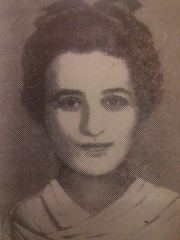
Hranush Arshagyan
1887 - 1905
HPI: 57.66
Plaats: 112
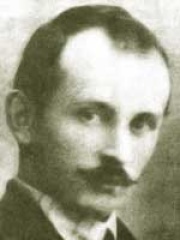
Ömer Seyfettin
1884 - 1920
HPI: 57.56
Plaats: 113
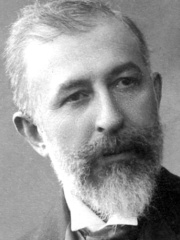
Halid Ziya Uşaklıgil
1865 - 1945
HPI: 57.55
Plaats: 114

Adile Sultan
1826 - 1899
HPI: 57.47
Plaats: 115
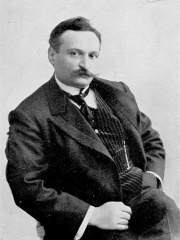
Tevfik Fikret
1867 - 1915
HPI: 57.40
Plaats: 116
Zabel Sibil Asadour
1863 - 1934
HPI: 57.21
Plaats: 117
Alexander of Abonoteichus
105 - 170
HPI: 57.19
Plaats: 118
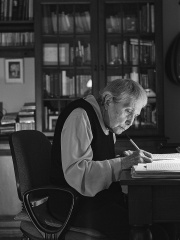
Adalet Ağaoğlu
1929 - 2020
HPI: 57.08
Plaats: 119

Orhan Kemal
1914 - 1970
HPI: 56.97
Plaats: 120

Oppian
101 - heden
HPI: 56.90
Plaats: 121
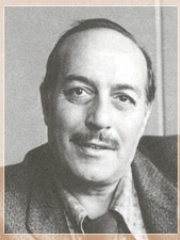
Cemal Süreya
1931 - 1990
HPI: 56.87
Plaats: 122
Ahmet Altan
1950 - heden
HPI: 56.86
Plaats: 123
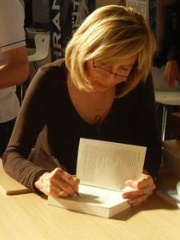
Ayşe Kulin
1941 - heden
HPI: 56.81
Plaats: 124




