政治家
Al-Zafir
1133 - 1154
 Al-Zafir
知名度指标
20k
页面浏览量
过去12个月
60.19
HPI
历史知名度指数
数据洞察
21
Al-Zafir的传记涵盖 21 个维基百科语言版本,历史知名度指数为 60.19。
Al-Zafir的各语言页面浏览量
在政治家中
在政治家中,Al-Zafir排名第11,144位(共20,022人)。 排在他之前的有:Elisabeth of Bavaria, Electress of Saxony, Marcantonio Memmo, Hantili II, Jaime Roldós Aguilera, Frederick II, Landgrave of Hesse-Homburg, 和Solomon II of Imereti. 排在他之后的有:Antiochus Hierax, Ramón Franco, Auguste Vaillant, Salam Fayyad, William, Margrave of Baden-Baden, 和Luis Miguel Sánchez Cerro.
维基百科上最受欢迎的政治家
查看全部排名
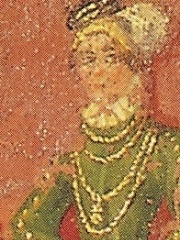
Elisabeth of Bavaria, Electress of Saxony
1443 - 1484
HPI: 60.19
排名: 11,144
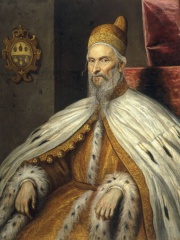
Marcantonio Memmo
1536 - 1615
HPI: 60.19
排名: 11,145

Hantili II
1500 BC - 1500 BC
HPI: 60.19
排名: 11,146

Jaime Roldós Aguilera
1940 - 1981
HPI: 60.19
排名: 11,147
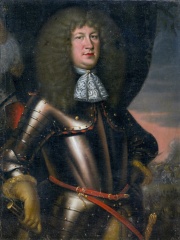
Frederick II, Landgrave of Hesse-Homburg
1633 - 1708
HPI: 60.19
排名: 11,148
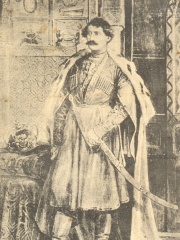
Solomon II of Imereti
1772 - 1815
HPI: 60.19
排名: 11,149

Al-Zafir
1133 - 1154
HPI: 60.19
排名: 11,150
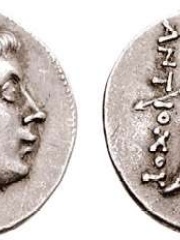
Antiochus Hierax
266 BC - 226 BC
HPI: 60.19
排名: 11,151

Ramón Franco
1896 - 1938
HPI: 60.19
排名: 11,152
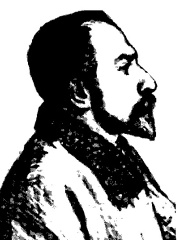
Auguste Vaillant
1861 - 1894
HPI: 60.19
排名: 11,153
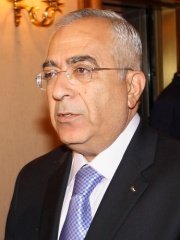
Salam Fayyad
1952 - 至今
HPI: 60.19
排名: 11,154
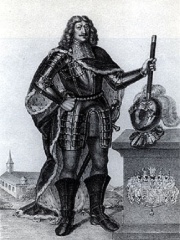
William, Margrave of Baden-Baden
1593 - 1677
HPI: 60.19
排名: 11,155
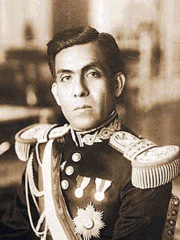
Luis Miguel Sánchez Cerro
1889 - 1933
HPI: 60.19
排名: 11,156

同时代人物
在1133年出生的人中,Al-Zafir排名第6位。 排在他之前的有:Henry II of England, Sigurd II of Norway, Agnes of Courtenay, Stephen IV of Hungary, 和Hōnen. 排在他之后的有:Urraca of Castile, Queen of Navarre, 和Saint Thorlak. 在1154年去世的人中,Al-Zafir排名第9位。 排在他之前的有:Stephen, King of England, Adelaide of Maurienne, Iziaslav II of Kiev, Isaac Komnenos, Gilbert de la Porrée, 和William of Conches. 排在他之后的有:Viacheslav I of Kiev, Boris Kalamanos, 和Wu Yu.
其他1133年出生的人
查看全部排名
Henry II of England
POLITICIAN
1133 - 1189
HPI: 78.85
排名: 1
Sigurd II of Norway
POLITICIAN
1133 - 1155
HPI: 71.63
排名: 2

Agnes of Courtenay
COMPANION
1133 - 1185
HPI: 71.35
排名: 3
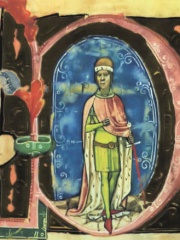
Stephen IV of Hungary
POLITICIAN
1133 - 1165
HPI: 68.62
排名: 4

Hōnen
RELIGIOUS FIGURE
1133 - 1212
HPI: 62.84
排名: 5
Al-Zafir
POLITICIAN
1133 - 1154
HPI: 60.19
排名: 6
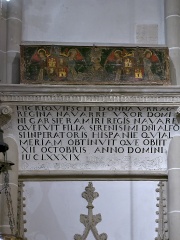
Urraca of Castile, Queen of Navarre
COMPANION
1133 - 1179
HPI: 59.27
排名: 7
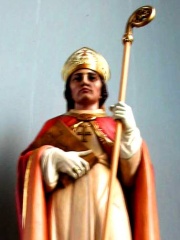
Saint Thorlak
RELIGIOUS FIGURE
1133 - 1193
HPI: 57.57
排名: 8
其他1154年去世的人
查看全部排名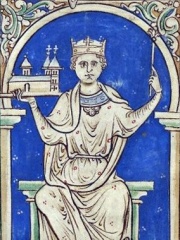
Stephen, King of England
POLITICIAN
1095 - 1154
HPI: 73.89
排名: 3
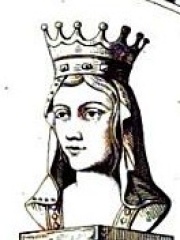
Adelaide of Maurienne
POLITICIAN
1092 - 1154
HPI: 70.17
排名: 4
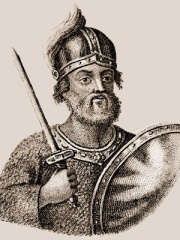
Iziaslav II of Kiev
POLITICIAN
1097 - 1154
HPI: 64.37
排名: 5

Isaac Komnenos
POLITICIAN
1113 - 1154
HPI: 62.16
排名: 6
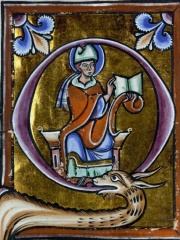
Gilbert de la Porrée
PHILOSOPHER
1070 - 1154
HPI: 61.64
排名: 7
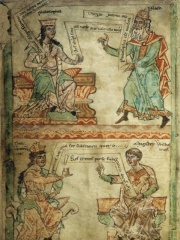
William of Conches
PHILOSOPHER
1080 - 1154
HPI: 60.65
排名: 8
Al-Zafir
POLITICIAN
1133 - 1154
HPI: 60.19
排名: 9
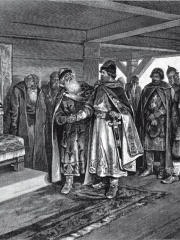
Viacheslav I of Kiev
POLITICIAN
1083 - 1154
HPI: 60.07
排名: 10

Boris Kalamanos
POLITICIAN
1113 - 1154
HPI: 59.64
排名: 11

Wu Yu
ATHLETE
1100 - 1154
HPI: 41.45
排名: 12
在埃及
在出生于埃及的人中,Al-Zafir排名第394位(共773人)。 排在他之前的有:Moshé Mizrahi (1931), Rashad Khalifa (1935), Al-Salih Hajji (1372), Stéphanos II Ghattas (1920), Hypsicles (-190), 和Sayed Darwish (1892). 排在他之后的有:Kamal Ganzouri (1933), Domitius Domitianus (300), Henuttaneb (-1350), Antiphilus (-400), Nabil Elaraby (1935), 和Gohar Gasparyan (1924).
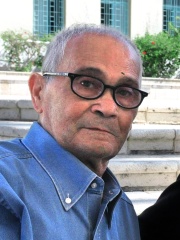
Moshé Mizrahi
FILM DIRECTOR
1931 - 2018
HPI: 60.43
排名: 388
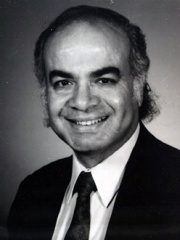
Rashad Khalifa
CHEMIST
1935 - 1990
HPI: 60.38
排名: 389
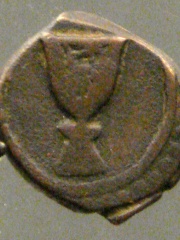
Al-Salih Hajji
MILITARY PERSONNEL
1372 - 1412
HPI: 60.33
排名: 390

Stéphanos II Ghattas
RELIGIOUS FIGURE
1920 - 2009
HPI: 60.30
排名: 391

Hypsicles
MATHEMATICIAN
190 BC - 120 BC
HPI: 60.26
排名: 392
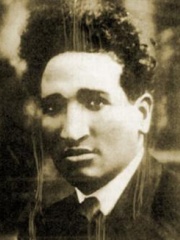
Sayed Darwish
SINGER
1892 - 1923
HPI: 60.19
排名: 393
Al-Zafir
POLITICIAN
1133 - 1154
HPI: 60.19
排名: 394

Kamal Ganzouri
POLITICIAN
1933 - 2021
HPI: 60.17
排名: 395
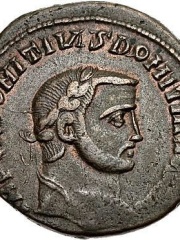
Domitius Domitianus
POLITICIAN
300 - 297
HPI: 60.15
排名: 396
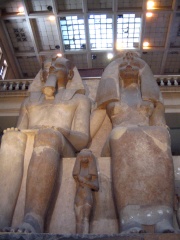
Henuttaneb
POLITICIAN
1350 BC - 至今
HPI: 60.13
排名: 397

Antiphilus
PAINTER
400 BC - 360 BC
HPI: 60.10
排名: 398
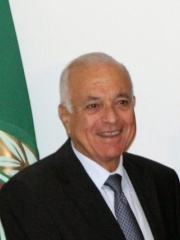
Nabil Elaraby
POLITICIAN
1935 - 2024
HPI: 60.08
排名: 399

Gohar Gasparyan
SINGER
1924 - 2007
HPI: 60.05
排名: 400
在埃及的政治家中
在出生于埃及的政治家中,Al-Zafir排名第176位。 排在他之前的有:Nikare (-2200), Hazem El Beblawi (1936), Tiberius Julius Alexander (100), Nebetah (-1350), Cleomenes of Naucratis (-400), 和Ekmeleddin İhsanoğlu (1943). 排在他之后的有:Kamal Ganzouri (1933), Domitius Domitianus (300), Henuttaneb (-1350), Nabil Elaraby (1935), An-Nasir Hasan (1334), 和Ibrahim Mahlab (1949).
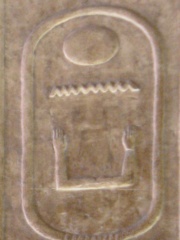
Nikare
2200 BC - 2200 BC
HPI: 61.04
排名: 170
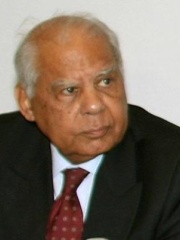
Hazem El Beblawi
1936 - 至今
HPI: 60.97
排名: 171

Tiberius Julius Alexander
100 - 60
HPI: 60.85
排名: 172
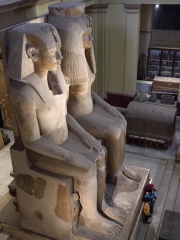
Nebetah
1350 BC - 至今
HPI: 60.76
排名: 173

Cleomenes of Naucratis
400 BC - 322 BC
HPI: 60.55
排名: 174
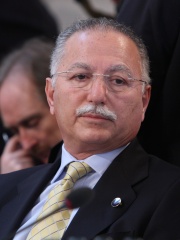
Ekmeleddin İhsanoğlu
1943 - 至今
HPI: 60.54
排名: 175
Al-Zafir
1133 - 1154
HPI: 60.19
排名: 176
Kamal Ganzouri
1933 - 2021
HPI: 60.17
排名: 177
Domitius Domitianus
300 - 297
HPI: 60.15
排名: 178
Henuttaneb
1350 BC - 至今
HPI: 60.13
排名: 179
Nabil Elaraby
1935 - 2024
HPI: 60.08
排名: 180

An-Nasir Hasan
1334 - 1361
HPI: 60.03
排名: 181
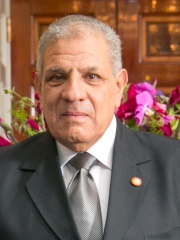
Ibrahim Mahlab
1949 - 至今
HPI: 60.01
排名: 182




