Religious Figure
Ajahn Brahm
British-Australian Theravada Buddhist monk (born 1951)
1951 - today
EN.WIKIPEDIA PAGE VIEWS (PV)
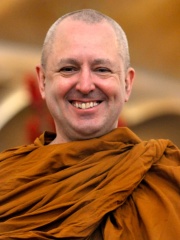
 Ajahn Brahm
His biography is available in 17 different languages on Wikipedia. Ajahn Brahm is the 2,887th most popular religious figure (down from 2,538th in 2024), the 4,135th most popular biography from United Kingdom (down from 3,294th in 2019) and the 98th most popular British Religious Figure.
Memorability Metrics
55k
Page Views
Past 12 months
55.19
HPI
Historical Popularity Index
Page views of Ajahn Brahm by language
Among Religious Figures
Among religious figures, Ajahn Brahm ranks 2,887 out of 3,187. Before him are Mario Francesco Pompedda, Adam Maida, Jean Margéot, Ján Babjak, William Ellery Channing, and Oliver Plunkett. After him are Hirotugu Akaike, Birinus, Jaime Spengler, Cædmon, Roger Mahony, and Ignaty Krachkovsky.
Most Popular Religious Figures in Wikipedia
Go to all Rankings
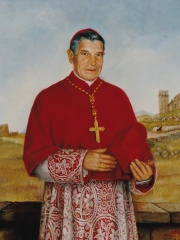
Mario Francesco Pompedda
1929 - 2006
HPI: 55.24
Rank: 2,881
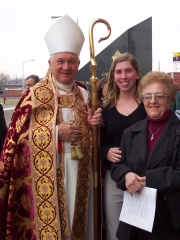
Adam Maida
1930 - Present
HPI: 55.24
Rank: 2,882

Jean Margéot
1916 - 2009
HPI: 55.23
Rank: 2,883
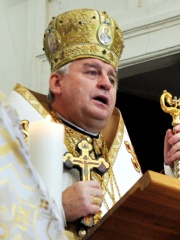
Ján Babjak
1953 - Present
HPI: 55.23
Rank: 2,884
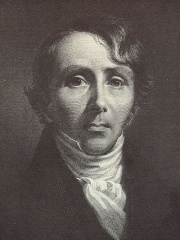
William Ellery Channing
1780 - 1842
HPI: 55.22
Rank: 2,885
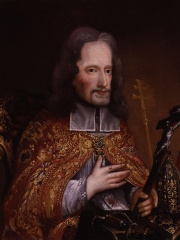
Oliver Plunkett
1625 - 1681
HPI: 55.21
Rank: 2,886
Ajahn Brahm
1951 - Present
HPI: 55.19
Rank: 2,887
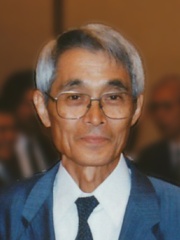
Hirotugu Akaike
1927 - 2009
HPI: 55.19
Rank: 2,888
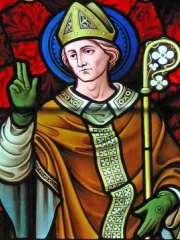
Birinus
600 - 650
HPI: 55.15
Rank: 2,889
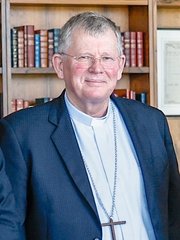
Jaime Spengler
1960 - Present
HPI: 55.11
Rank: 2,890
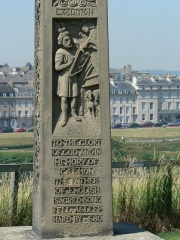
Cædmon
657 - 680
HPI: 55.11
Rank: 2,891
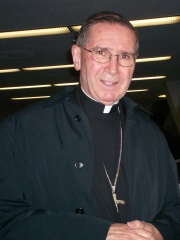
Roger Mahony
1936 - Present
HPI: 55.10
Rank: 2,892

Ignaty Krachkovsky
1883 - 1951
HPI: 55.10
Rank: 2,893

Contemporaries
Among people born in 1951, Ajahn Brahm ranks 421. Before him are Rafael Vaganian, Eva Rueber-Staier, Andranik Eskandarian, Robben Ford, Jamey Sheridan, and Alicia Giménez Bartlett. After him are Nils Lofgren, Demetrios Christodoulou, Charlaine Harris, Silvi Vrait, Sanja Ilić, and Albert Salvadó.
Others Born in 1951
Go to all Rankings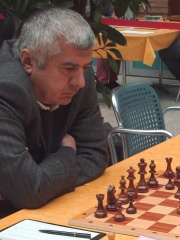
Rafael Vaganian
CHESS PLAYER
1951 - Present
HPI: 55.38
Rank: 415
Eva Rueber-Staier
ACTOR
1951 - Present
HPI: 55.37
Rank: 416

Andranik Eskandarian
SOCCER PLAYER
1951 - Present
HPI: 55.32
Rank: 417
Robben Ford
MUSICIAN
1951 - Present
HPI: 55.31
Rank: 418

Jamey Sheridan
ACTOR
1951 - Present
HPI: 55.31
Rank: 419
Alicia Giménez Bartlett
WRITER
1951 - Present
HPI: 55.23
Rank: 420
Ajahn Brahm
RELIGIOUS FIGURE
1951 - Present
HPI: 55.19
Rank: 421
Nils Lofgren
MUSICIAN
1951 - Present
HPI: 55.18
Rank: 422
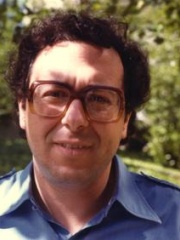
Demetrios Christodoulou
MATHEMATICIAN
1951 - Present
HPI: 55.17
Rank: 423
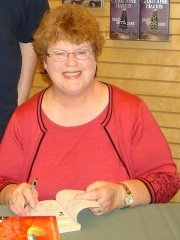
Charlaine Harris
WRITER
1951 - Present
HPI: 55.16
Rank: 424
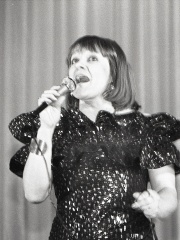
Silvi Vrait
SINGER
1951 - 2013
HPI: 55.09
Rank: 425
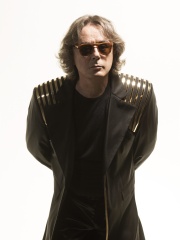
Sanja Ilić
COMPOSER
1951 - 2021
HPI: 55.05
Rank: 426
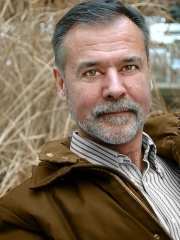
Albert Salvadó
WRITER
1951 - 2020
HPI: 55.02
Rank: 427
In United Kingdom
Among people born in United Kingdom, Ajahn Brahm ranks 4,135 out of NaN. Before him are Bob Shaw (1931), Annie Kenney (1879), Kirkpatrick Macmillan (1835), John Lyons (1932), L. S. Lowry (1887), and Paul Kossoff (1950). After him are Neil Aspinall (1941), Matt Monro (1930), Duncan Jones (1971), Tim Peake (1972), Polly Walker (1966), and Oliver Sykes (1986).
Others born in United Kingdom
Go to all Rankings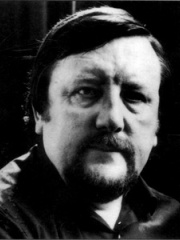
Bob Shaw
WRITER
1931 - 1996
HPI: 55.21
Rank: 4,129
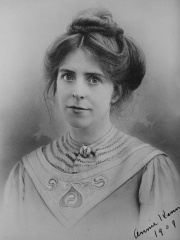
Annie Kenney
SOCIAL ACTIVIST
1879 - 1953
HPI: 55.20
Rank: 4,130
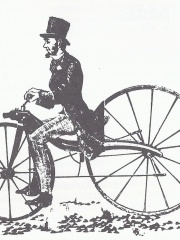
Kirkpatrick Macmillan
INVENTOR
1835 - 1867
HPI: 55.20
Rank: 4,131
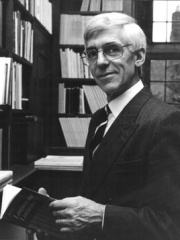
John Lyons
LINGUIST
1932 - 2020
HPI: 55.20
Rank: 4,132
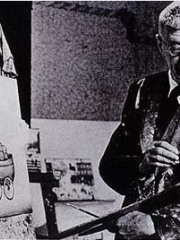
L. S. Lowry
PAINTER
1887 - 1976
HPI: 55.20
Rank: 4,133
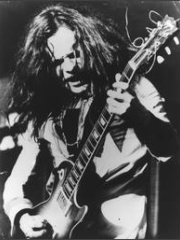
Paul Kossoff
MUSICIAN
1950 - 1976
HPI: 55.20
Rank: 4,134
Ajahn Brahm
RELIGIOUS FIGURE
1951 - Present
HPI: 55.19
Rank: 4,135
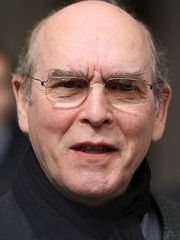
Neil Aspinall
BUSINESSPERSON
1941 - 2008
HPI: 55.19
Rank: 4,136
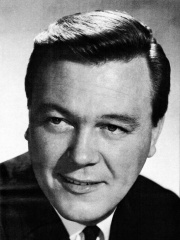
Matt Monro
SINGER
1930 - 1985
HPI: 55.19
Rank: 4,137
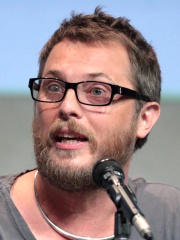
Duncan Jones
FILM DIRECTOR
1971 - Present
HPI: 55.18
Rank: 4,138
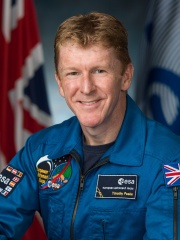
Tim Peake
ASTRONAUT
1972 - Present
HPI: 55.18
Rank: 4,139

Polly Walker
ACTOR
1966 - Present
HPI: 55.18
Rank: 4,140
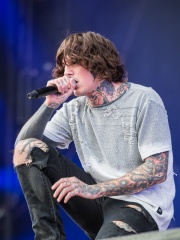
Oliver Sykes
SINGER
1986 - Present
HPI: 55.18
Rank: 4,141
Among Religious Figures In United Kingdom
Among religious figures born in United Kingdom, Ajahn Brahm ranks 98. Before him are Wilfrid (634), Rowan Williams (1950), Chad of Mercia (634), Hilda of Whitby (614), Dolly Pentreath (1692), and Matthew Parker (1504). After him are Cædmon (657), Nicholas Ridley (1500), Roger of Wendover (1200), Saint Mungo (518), Swithun (800), and Cormac Murphy-O'Connor (1932).
Wilfrid
634 - 709
HPI: 56.19
Rank: 92
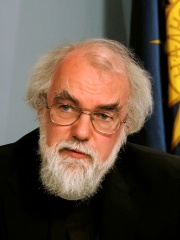
Rowan Williams
1950 - Present
HPI: 56.13
Rank: 93
Chad of Mercia
634 - 672
HPI: 55.81
Rank: 94
Hilda of Whitby
614 - 680
HPI: 55.77
Rank: 95
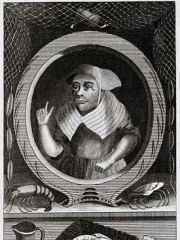
Dolly Pentreath
1692 - 1777
HPI: 55.63
Rank: 96
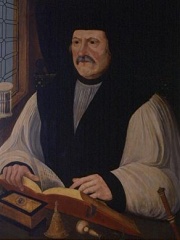
Matthew Parker
1504 - 1575
HPI: 55.58
Rank: 97
Ajahn Brahm
1951 - Present
HPI: 55.19
Rank: 98
Cædmon
657 - 680
HPI: 55.11
Rank: 99
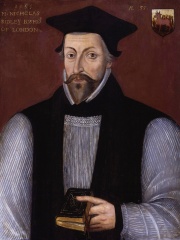
Nicholas Ridley
1500 - 1555
HPI: 54.87
Rank: 100

Roger of Wendover
1200 - 1236
HPI: 54.78
Rank: 101
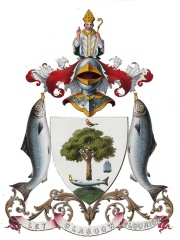
Saint Mungo
518 - 614
HPI: 54.72
Rank: 102
Swithun
800 - 863
HPI: 54.41
Rank: 103
Cormac Murphy-O'Connor
1932 - 2017
HPI: 54.41
Rank: 104




