Piłkarz
Wilson Oruma
1976 - obecnie
WYŚWIETLENIA PL.WIKIPEDIA (PV)

 Wilson Oruma
Jego biografia jest dostępna w 22 różnych językach w Wikipedii (wzrost z 21 w 2024 roku). Wilson Oruma jest 9620. najpopularniejszym piłkarz (spadek z 9498. w 2024 roku), 130. najpopularniejszą biografią Nigeria (spadek z 123. w 2019 roku) oraz 54. najpopularniejszym piłkarz Nigeria.
Wskaźniki rozpoznawalności
16k
Wyświetlenia strony
Ostatnie 12 miesięcy
45.54
HPI
Indeks historycznej popularności
Wyświetlenia strony Wilson Oruma według języka
Wśród przedstawicieli zawodu Piłkarz
Wśród przedstawicieli zawodu „Piłkarz” Wilson Oruma zajmuje 9,614. miejsce na 21,273. Przed nim są Horst Siegl, Óscar Trejo, Emiliano Viviano, Gilles Rousset, Chumbinho, i Rubi. Po nim są Emanuel Pogatetz, Manuel Ugarte, Iñigo Pérez, Sergi Darder, Samu Castillejo, i Mudashiru Lawal.
Najpopularniejsi w Wikipedii: Piłkarz
Zobacz wszystkie rankingi
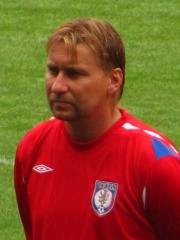
Horst Siegl
1969 - obecnie
HPI: 45.55
Miejsce: 9,614

Óscar Trejo
1988 - obecnie
HPI: 45.55
Miejsce: 9,615
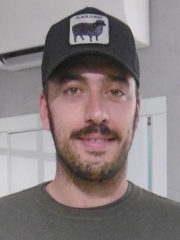
Emiliano Viviano
1985 - obecnie
HPI: 45.55
Miejsce: 9,616

Gilles Rousset
1963 - obecnie
HPI: 45.55
Miejsce: 9,617
Chumbinho
1986 - obecnie
HPI: 45.55
Miejsce: 9,618

Rubi
1970 - obecnie
HPI: 45.55
Miejsce: 9,619
Wilson Oruma
1976 - obecnie
HPI: 45.54
Miejsce: 9,620
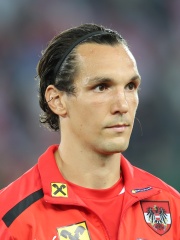
Emanuel Pogatetz
1983 - obecnie
HPI: 45.54
Miejsce: 9,621

Manuel Ugarte
2001 - obecnie
HPI: 45.54
Miejsce: 9,622

Iñigo Pérez
1988 - obecnie
HPI: 45.54
Miejsce: 9,623
Sergi Darder
1993 - obecnie
HPI: 45.54
Miejsce: 9,624

Samu Castillejo
1995 - obecnie
HPI: 45.54
Miejsce: 9,625

Mudashiru Lawal
1954 - 1991
HPI: 45.54
Miejsce: 9,626

Współcześni
Wśród osób urodzonych w 1976 roku Wilson Oruma zajmuje 639. miejsce. Przed nim są Lucía Puenzo, João Vieira, Hiroshi Sakai, Camille Guaty, Travis Kalanick, i Zoé Félix. Po nim są Gehad Grisha, Diana Vishneva, Nawaf Al-Temyat, Tang Lin, Yasmine Hamdan, i Nils Ušakovs.
Inne osoby urodzone w 1976 roku
Zobacz wszystkie rankingi
Lucía Puenzo
WRITER
1976 - obecnie
HPI: 45.65
Miejsce: 633
João Vieira
ATHLETE
1976 - obecnie
HPI: 45.61
Miejsce: 634

Hiroshi Sakai
SOCCER PLAYER
1976 - obecnie
HPI: 45.61
Miejsce: 635

Camille Guaty
ACTOR
1976 - obecnie
HPI: 45.60
Miejsce: 636

Travis Kalanick
BUSINESSPERSON
1976 - obecnie
HPI: 45.56
Miejsce: 637

Zoé Félix
ACTOR
1976 - obecnie
HPI: 45.55
Miejsce: 638
Wilson Oruma
SOCCER PLAYER
1976 - obecnie
HPI: 45.54
Miejsce: 639
Gehad Grisha
REFEREE
1976 - obecnie
HPI: 45.53
Miejsce: 640

Diana Vishneva
DANCER
1976 - obecnie
HPI: 45.53
Miejsce: 641

Nawaf Al-Temyat
SOCCER PLAYER
1976 - obecnie
HPI: 45.53
Miejsce: 642

Tang Lin
WRESTLER
1976 - obecnie
HPI: 45.53
Miejsce: 643

Yasmine Hamdan
SINGER
1976 - obecnie
HPI: 45.52
Miejsce: 644
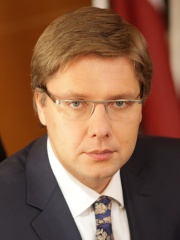
Nils Ušakovs
POLITICIAN
1976 - obecnie
HPI: 45.52
Miejsce: 645
W kraju Nigeria
Wśród osób urodzonych w kraju Nigeria Wilson Oruma zajmuje 130. miejsce na NaN. Przed nim są Elderson Echiéjilé (1988), Simon Yates (null), Emmanuel Dennis (1997), Ayila Yussuf (1984), Burna Boy (1991), i Benedict Iroha (1969). Po nim są Mudashiru Lawal (1954), Glory Alozie (1977), Akinwumi Adesina (1960), Thompson Oliha (1968), Asisat Oshoala (1994), i Austin Ejide (1984).
Inne osoby urodzone w kraju Nigeria
Zobacz wszystkie rankingi
Elderson Echiéjilé
SOCCER PLAYER
1988 - obecnie
HPI: 46.01
Miejsce: 124

Simon Yates
ATHLETE
HPI: 45.94
Miejsce: 125
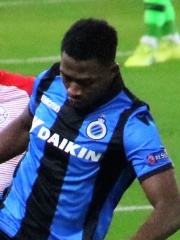
Emmanuel Dennis
SOCCER PLAYER
1997 - obecnie
HPI: 45.93
Miejsce: 126
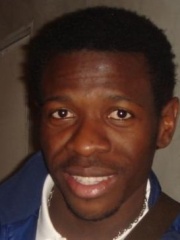
Ayila Yussuf
SOCCER PLAYER
1984 - obecnie
HPI: 45.85
Miejsce: 127

Burna Boy
SINGER
1991 - obecnie
HPI: 45.84
Miejsce: 128

Benedict Iroha
SOCCER PLAYER
1969 - obecnie
HPI: 45.67
Miejsce: 129
Wilson Oruma
SOCCER PLAYER
1976 - obecnie
HPI: 45.54
Miejsce: 130
Mudashiru Lawal
SOCCER PLAYER
1954 - 1991
HPI: 45.54
Miejsce: 131

Glory Alozie
ATHLETE
1977 - obecnie
HPI: 45.36
Miejsce: 132
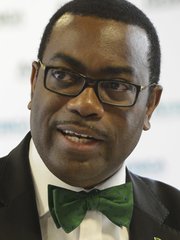
Akinwumi Adesina
ECONOMIST
1960 - obecnie
HPI: 45.34
Miejsce: 133

Thompson Oliha
SOCCER PLAYER
1968 - 2013
HPI: 45.32
Miejsce: 134
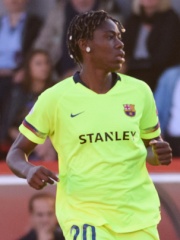
Asisat Oshoala
SOCCER PLAYER
1994 - obecnie
HPI: 45.29
Miejsce: 135
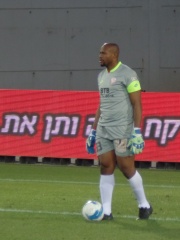
Austin Ejide
SOCCER PLAYER
1984 - obecnie
HPI: 45.25
Miejsce: 136
Wśród przedstawicieli zawodu Piłkarz w kraju Nigeria
Wśród przedstawicieli zawodu „Piłkarz” urodzonych w kraju Nigeria Wilson Oruma zajmuje 54. miejsce. Przed nim są Ike Shorunmu (1967), Odion Ighalo (1989), Elderson Echiéjilé (1988), Emmanuel Dennis (1997), Ayila Yussuf (1984), i Benedict Iroha (1969). Po nim są Mudashiru Lawal (1954), Thompson Oliha (1968), Asisat Oshoala (1994), Austin Ejide (1984), Peter Utaka (1984), i Segun Odegbami (1952).

Ike Shorunmu
1967 - obecnie
HPI: 46.33
Miejsce: 48
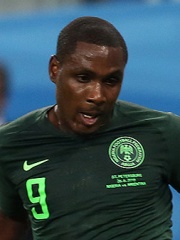
Odion Ighalo
1989 - obecnie
HPI: 46.15
Miejsce: 49
Elderson Echiéjilé
1988 - obecnie
HPI: 46.01
Miejsce: 50
Emmanuel Dennis
1997 - obecnie
HPI: 45.93
Miejsce: 51
Ayila Yussuf
1984 - obecnie
HPI: 45.85
Miejsce: 52
Benedict Iroha
1969 - obecnie
HPI: 45.67
Miejsce: 53
Wilson Oruma
1976 - obecnie
HPI: 45.54
Miejsce: 54
Mudashiru Lawal
1954 - 1991
HPI: 45.54
Miejsce: 55
Thompson Oliha
1968 - 2013
HPI: 45.32
Miejsce: 56
Asisat Oshoala
1994 - obecnie
HPI: 45.29
Miejsce: 57
Austin Ejide
1984 - obecnie
HPI: 45.25
Miejsce: 58
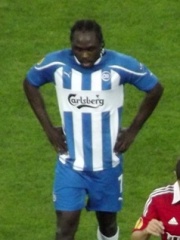
Peter Utaka
1984 - obecnie
HPI: 45.11
Miejsce: 59

Segun Odegbami
1952 - obecnie
HPI: 44.91
Miejsce: 60




