Polityk
Shigeru Ishiba
1957 - obecnie
PL.WIKIPEDIA PAGE VIEWS (PV)
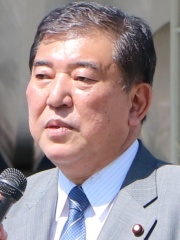

 Shigeru Ishiba
Jego biografia jest dostępna w 55 różnych językach w Wikipedii (wzrost z 18 w 2024 roku). Shigeru Ishiba jest 2678. najpopularniejszym polityk (wzrost z 15952. w 2024 roku), 110. najpopularniejszą biografią Japonia (wzrost z 1480. w 2019 roku) oraz 34. najpopularniejszym polityk Japonia.
Memorability Metrics
3.0M
Page Views
Past 12 months
70.43
HPI
Historical Popularity Index
Page views of Shigeru Ishiba by language
Among Polityks
Among polityks, Shigeru Ishiba ranks 2,677 out of 19,576. Before him are Princess Augusta Wilhelmine of Hesse-Darmstadt, Abgar V, Ricimer, Jehoahaz of Judah, Shah Jahan II, and Mithridates I of Parthia. After him are Kārlis Ulmanis, Frederick IV, Elector Palatine, Humphrey, Duke of Gloucester, Emperor Higashiyama, Gustav Bauer, and James Francis Edward Stuart.
Most Popular Polityks in Wikipedia
Go to all Rankings

Princess Augusta Wilhelmine of Hesse-Darmstadt
1765 - 1796
HPI: 70.43
Rank: 2,672
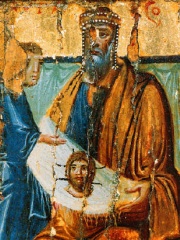
Abgar V
1 BC - 50
HPI: 70.43
Rank: 2,673
Ricimer
405 - 472
HPI: 70.43
Rank: 2,674
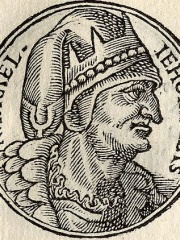
Jehoahaz of Judah
630 BC - 700 BC
HPI: 70.43
Rank: 2,675
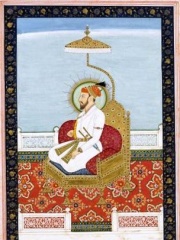
Shah Jahan II
1696 - 1719
HPI: 70.43
Rank: 2,676
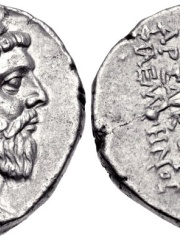
Mithridates I of Parthia
195 BC - 132 BC
HPI: 70.43
Rank: 2,677
Shigeru Ishiba
1957 - Present
HPI: 70.43
Rank: 2,678
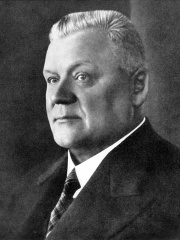
Kārlis Ulmanis
1877 - 1942
HPI: 70.42
Rank: 2,679
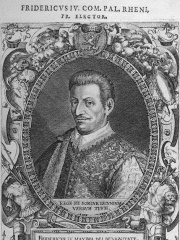
Frederick IV, Elector Palatine
1574 - 1610
HPI: 70.42
Rank: 2,680
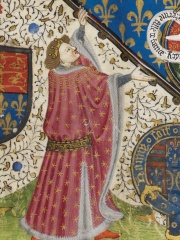
Humphrey, Duke of Gloucester
1390 - 1447
HPI: 70.42
Rank: 2,681
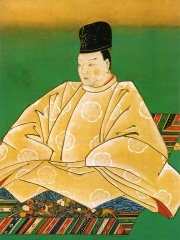
Emperor Higashiyama
1675 - 1710
HPI: 70.42
Rank: 2,682
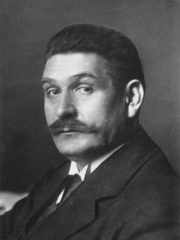
Gustav Bauer
1870 - 1944
HPI: 70.42
Rank: 2,683
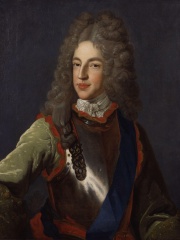
James Francis Edward Stuart
1688 - 1766
HPI: 70.42
Rank: 2,684

Contemporaries
Among people born in 1957, Shigeru Ishiba ranks 21. Before him are Caroline, Princess of Hanover, Christopher Lambert, Adrian Smith, Sid Vicious, Aki Kaurismäki, and Fumio Kishida. After him are Frances McDormand, Greg Abbott, Frank Miller, Melanie Griffith, Mukesh Ambani, and William Kaelin Jr..
Others Born in 1957
Go to all Rankings
Caroline, Princess of Hanover
NOBLEMAN
1957 - Present
HPI: 72.58
Rank: 15
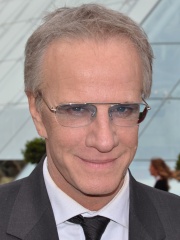
Christopher Lambert
ACTOR
1957 - Present
HPI: 71.58
Rank: 16

Adrian Smith
MUSICIAN
1957 - Present
HPI: 71.40
Rank: 17

Sid Vicious
MUSICIAN
1957 - 1979
HPI: 71.39
Rank: 18

Aki Kaurismäki
FILM DIRECTOR
1957 - Present
HPI: 71.17
Rank: 19
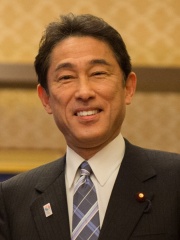
Fumio Kishida
POLITICIAN
1957 - Present
HPI: 70.64
Rank: 20
Shigeru Ishiba
POLITICIAN
1957 - Present
HPI: 70.43
Rank: 21

Frances McDormand
ACTOR
1957 - Present
HPI: 70.17
Rank: 22

Greg Abbott
POLITICIAN
1957 - Present
HPI: 70.16
Rank: 23

Frank Miller
COMIC ARTIST
1957 - Present
HPI: 70.15
Rank: 24
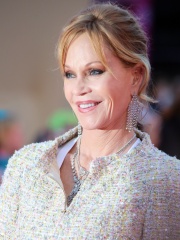
Melanie Griffith
ACTOR
1957 - Present
HPI: 69.99
Rank: 25

Mukesh Ambani
BUSINESSPERSON
1957 - Present
HPI: 69.68
Rank: 26

William Kaelin Jr.
PHYSICIAN
1957 - Present
HPI: 69.45
Rank: 27
In Japonia
Among people born in Japonia, Shigeru Ishiba ranks 110 out of NaN. Before him are Tadamichi Kuribayashi (1891), Fumio Kishida (1957), Kiichiro Toyoda (1894), Emperor Sakuramachi (1720), Emperor Nakamikado (1702), and Leo Esaki (1925). After him are Emperor Higashiyama (1675), Tameo Ide (1908), Chiune Sugihara (1900), Hasekura Tsunenaga (1571), Joan Fontaine (1917), and Yasuo Fukuda (1936).
Others born in Japonia
Go to all Rankings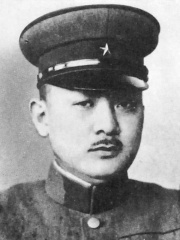
Tadamichi Kuribayashi
MILITARY PERSONNEL
1891 - 1945
HPI: 70.67
Rank: 104
Fumio Kishida
POLITICIAN
1957 - Present
HPI: 70.64
Rank: 105
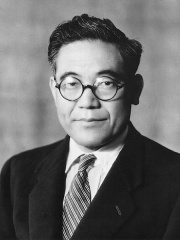
Kiichiro Toyoda
BUSINESSPERSON
1894 - 1952
HPI: 70.63
Rank: 106
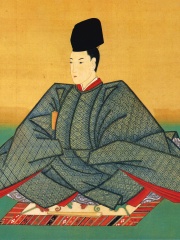
Emperor Sakuramachi
POLITICIAN
1720 - 1750
HPI: 70.59
Rank: 107
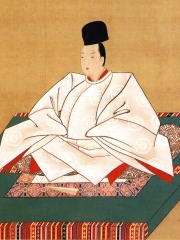
Emperor Nakamikado
POLITICIAN
1702 - 1737
HPI: 70.54
Rank: 108
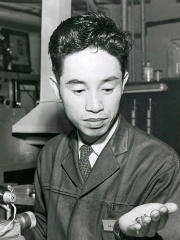
Leo Esaki
PHYSICIST
1925 - Present
HPI: 70.47
Rank: 109
Shigeru Ishiba
POLITICIAN
1957 - Present
HPI: 70.43
Rank: 110
Emperor Higashiyama
POLITICIAN
1675 - 1710
HPI: 70.42
Rank: 111

Tameo Ide
SOCCER PLAYER
1908 - 1998
HPI: 70.30
Rank: 112
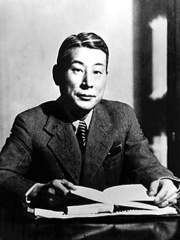
Chiune Sugihara
DIPLOMAT
1900 - 1986
HPI: 70.27
Rank: 113
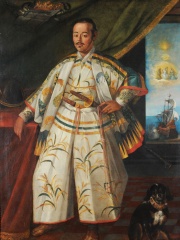
Hasekura Tsunenaga
DIPLOMAT
1571 - 1622
HPI: 70.26
Rank: 114
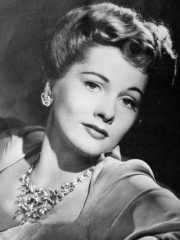
Joan Fontaine
ACTOR
1917 - 2013
HPI: 70.26
Rank: 115
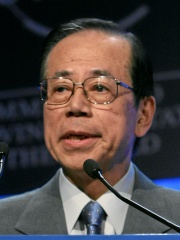
Yasuo Fukuda
POLITICIAN
1936 - Present
HPI: 70.25
Rank: 116
Among Polityks In Japonia
Among polityks born in Japonia, Shigeru Ishiba ranks 34. Before him are Empress Go-Sakuramachi (1740), Tokugawa Hidetada (1579), Himiko (175), Fumio Kishida (1957), Emperor Sakuramachi (1720), and Emperor Nakamikado (1702). After him are Emperor Higashiyama (1675), Yasuo Fukuda (1936), Ōkubo Toshimichi (1830), Prince Shōtoku (574), Eisaku Satō (1901), and Emperor Nintoku (290).
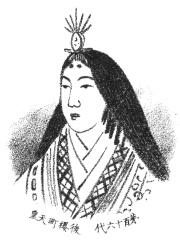
Empress Go-Sakuramachi
1740 - 1813
HPI: 70.96
Rank: 28
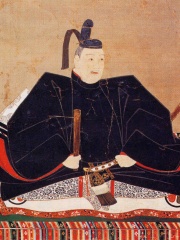
Tokugawa Hidetada
1579 - 1632
HPI: 70.89
Rank: 29

Himiko
175 - 248
HPI: 70.75
Rank: 30
Fumio Kishida
1957 - Present
HPI: 70.64
Rank: 31
Emperor Sakuramachi
1720 - 1750
HPI: 70.59
Rank: 32
Emperor Nakamikado
1702 - 1737
HPI: 70.54
Rank: 33
Shigeru Ishiba
1957 - Present
HPI: 70.43
Rank: 34
Emperor Higashiyama
1675 - 1710
HPI: 70.42
Rank: 35
Yasuo Fukuda
1936 - Present
HPI: 70.25
Rank: 36
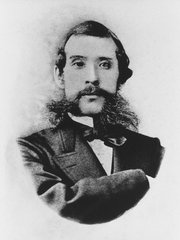
Ōkubo Toshimichi
1830 - 1878
HPI: 70.21
Rank: 37
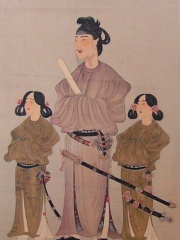
Prince Shōtoku
574 - 622
HPI: 70.14
Rank: 38

Eisaku Satō
1901 - 1975
HPI: 70.13
Rank: 39
Emperor Nintoku
290 - 399
HPI: 70.12
Rank: 40




