Postać religijna
Saint Silvia
515 - 592
WYŚWIETLENIA PL.WIKIPEDIA (PV)
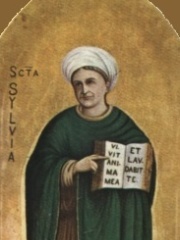
 Saint Silvia
Jej biografia jest dostępna w 16 różnych językach w Wikipedii. Saint Silvia jest 1273. najpopularniejszym postać religijna (spadek z 952. w 2024 roku), 1717. najpopularniejszą biografią Włochy (spadek z 1378. w 2019 roku) oraz 361. najpopularniejszym postać religijna Włochy.
Wskaźniki rozpoznawalności
49k
Wyświetlenia strony
Ostatnie 12 miesięcy
64.75
HPI
Indeks historycznej popularności
Ciekawostki z danych
#19,969
Ponad 14 wieków po śmierci Saint Silvia wciąż zajmuje 19,969. miejsce wśród wszystkich postaci w Pantheonie.
441
Saint Silvia jest jedną z zaledwie 441 kobiet wśród 3,187 Postać religijna w Pantheonie.
1 sty
Saint Silvia obchodzi urodziny tego samego dnia (1 stycznia) co Mary, mother of Jesus, Saint Peter i Laozi.
Wyświetlenia strony Saint Silvia według języka
Wśród przedstawicieli zawodu Postać religijna
Wśród przedstawicieli zawodu „Postać religijna” Saint Silvia zajmuje 1,273. miejsce na 3,187. Przed nią są Jean-Claude Hollerich, Franz Jägerstätter, Pamphilus of Caesarea, Pope Demetrius I of Alexandria, Stephen Harding, i Anthimus I of Constantinople. Po niej są Elisheba, Fulgentius of Ruspe, Mary Jane Kelly, Nikolaj Velimirović, Saint Sabina, i Agostino Vallini.
Najpopularniejsi w Wikipedii: Postać religijna
Zobacz wszystkie rankingi
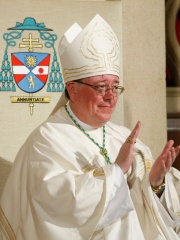
Jean-Claude Hollerich
1958 - obecnie
HPI: 64.79
Miejsce: 1,267
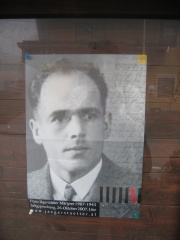
Franz Jägerstätter
1907 - 1943
HPI: 64.79
Miejsce: 1,268
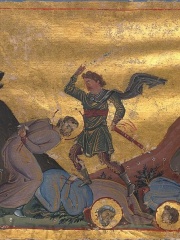
Pamphilus of Caesarea
240 - 309
HPI: 64.79
Miejsce: 1,269
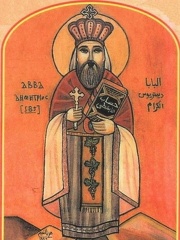
Pope Demetrius I of Alexandria
200 - 231
HPI: 64.76
Miejsce: 1,270
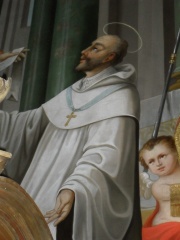
Stephen Harding
1059 - 1134
HPI: 64.76
Miejsce: 1,271

Anthimus I of Constantinople
600 - 660
HPI: 64.76
Miejsce: 1,272
Saint Silvia
515 - 592
HPI: 64.75
Miejsce: 1,273

Elisheba
HPI: 64.74
Miejsce: 1,274
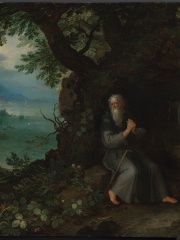
Fulgentius of Ruspe
468 - 533
HPI: 64.74
Miejsce: 1,275
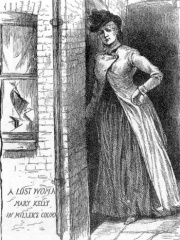
Mary Jane Kelly
1863 - 1888
HPI: 64.73
Miejsce: 1,276
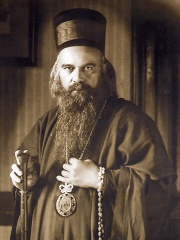
Nikolaj Velimirović
1880 - 1956
HPI: 64.70
Miejsce: 1,277
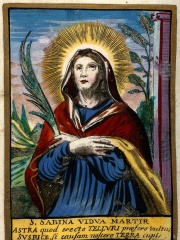
Saint Sabina
100 - 126
HPI: 64.70
Miejsce: 1,278
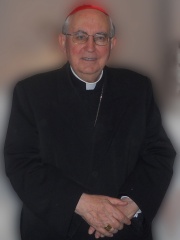
Agostino Vallini
1940 - obecnie
HPI: 64.69
Miejsce: 1,279

Współcześni
Wśród osób urodzonych w 515 roku Saint Silvia zajmuje 1. miejsce. Po niej jest Aregund. Wśród osób zmarłych w 592 roku Saint Silvia zajmuje 4. miejsce. Przed nią są Guntram, Bahram Chobin, i Emperor Sushun. Po niej jest Faroald I of Spoleto.
Inne osoby urodzone w 515 roku
Zobacz wszystkie rankingiSaint Silvia
RELIGIOUS FIGURE
515 - 592
HPI: 64.75
Miejsce: 1
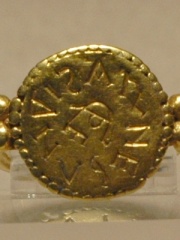
Aregund
COMPANION
515 - 570
HPI: 61.70
Miejsce: 2
Inne osoby zmarłe w 592 roku
Zobacz wszystkie rankingi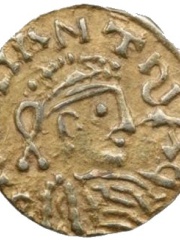
Guntram
POLITICIAN
532 - 592
HPI: 71.04
Miejsce: 1
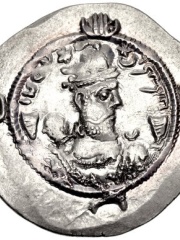
Bahram Chobin
MILITARY PERSONNEL
600 - 592
HPI: 67.87
Miejsce: 2

Emperor Sushun
POLITICIAN
520 - 592
HPI: 66.16
Miejsce: 3
Saint Silvia
RELIGIOUS FIGURE
515 - 592
HPI: 64.75
Miejsce: 4

Faroald I of Spoleto
POLITICIAN
600 - 592
HPI: 58.21
Miejsce: 5
W kraju Włochy
Wśród osób urodzonych w kraju Włochy Saint Silvia zajmuje 1,717. miejsce na 5,161. Przed nią są Pacuvius (-220), Gallus Anonymus (1010), Giuseppina Strepponi (1815), Gillo Pontecorvo (1919), Catherine of Bologna (1413), i Alberic I of Spoleto (900). Po niej są Ubertino of Casale (1259), Amadeus III, Count of Savoy (1095), Benvenuto Tisi (1481), John Parricida (1290), Achille Compagnoni (1914), i Luigi Fagioli (1898).
Inne osoby urodzone w kraju Włochy
Zobacz wszystkie rankingi
Pacuvius
WRITER
220 BC - 130 BC
HPI: 64.78
Miejsce: 1,711

Gallus Anonymus
POLITICIAN
1010 - 1145
HPI: 64.77
Miejsce: 1,712
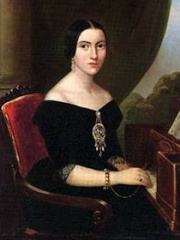
Giuseppina Strepponi
SINGER
1815 - 1897
HPI: 64.77
Miejsce: 1,713
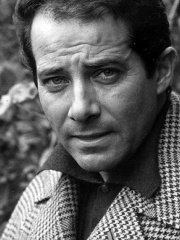
Gillo Pontecorvo
FILM DIRECTOR
1919 - 2006
HPI: 64.77
Miejsce: 1,714
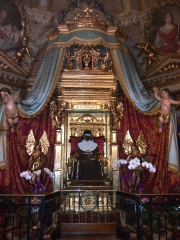
Catherine of Bologna
WRITER
1413 - 1463
HPI: 64.75
Miejsce: 1,715

Alberic I of Spoleto
POLITICIAN
900 - 924
HPI: 64.75
Miejsce: 1,716
Saint Silvia
RELIGIOUS FIGURE
515 - 592
HPI: 64.75
Miejsce: 1,717

Ubertino of Casale
WRITER
1259 - 1330
HPI: 64.74
Miejsce: 1,718
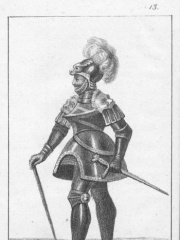
Amadeus III, Count of Savoy
POLITICIAN
1095 - 1148
HPI: 64.73
Miejsce: 1,719
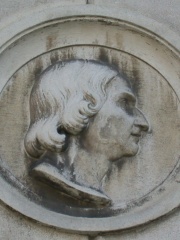
Benvenuto Tisi
PAINTER
1481 - 1559
HPI: 64.73
Miejsce: 1,720
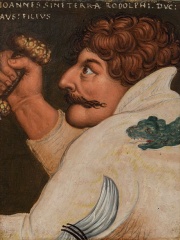
John Parricida
POLITICIAN
1290 - 1313
HPI: 64.72
Miejsce: 1,721
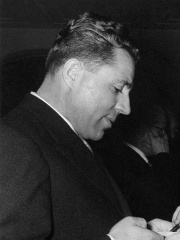
Achille Compagnoni
MOUNTAINEER
1914 - 2009
HPI: 64.70
Miejsce: 1,722
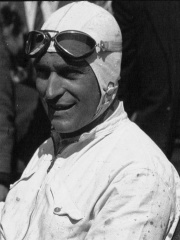
Luigi Fagioli
RACING DRIVER
1898 - 1952
HPI: 64.70
Miejsce: 1,723
Wśród przedstawicieli zawodu Postać religijna w kraju Włochy
Wśród przedstawicieli zawodu „Postać religijna” urodzonych w kraju Włochy Saint Silvia zajmuje 361. miejsce. Przed nią są Maurizio Malvestiti (1953), Antipope Adalbert (1001), Margaret of Cortona (1247), Vincent Pallotti (1795), Dionigi Tettamanzi (1934), i Roberto Calvi (1920). Po niej są Saint Sabina (100), Loris Francesco Capovilla (1915), Eugenia of Rome (180), Eusebius of Vercelli (283), Ercole Consalvi (1757), i Piero Marini (1942).
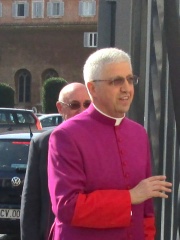
Maurizio Malvestiti
1953 - obecnie
HPI: 65.05
Miejsce: 355

Antipope Adalbert
1001 - 1102
HPI: 65.04
Miejsce: 356
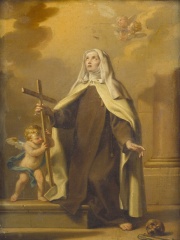
Margaret of Cortona
1247 - 1297
HPI: 65.01
Miejsce: 357
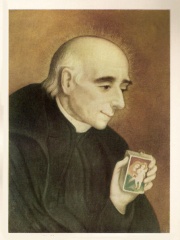
Vincent Pallotti
1795 - 1850
HPI: 64.97
Miejsce: 358
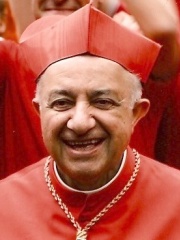
Dionigi Tettamanzi
1934 - 2017
HPI: 64.90
Miejsce: 359
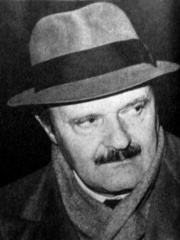
Roberto Calvi
1920 - 1982
HPI: 64.87
Miejsce: 360
Saint Silvia
515 - 592
HPI: 64.75
Miejsce: 361
Saint Sabina
100 - 126
HPI: 64.70
Miejsce: 362
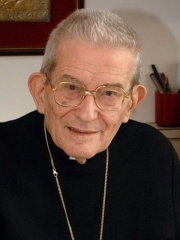
Loris Francesco Capovilla
1915 - 2016
HPI: 64.68
Miejsce: 363
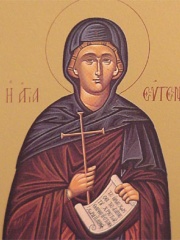
Eugenia of Rome
180 - 258
HPI: 64.64
Miejsce: 364
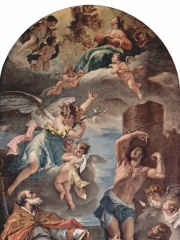
Eusebius of Vercelli
283 - 371
HPI: 64.58
Miejsce: 365
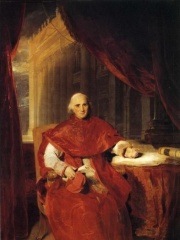
Ercole Consalvi
1757 - 1824
HPI: 64.57
Miejsce: 366
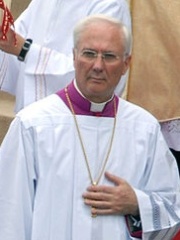
Piero Marini
1942 - obecnie
HPI: 64.48
Miejsce: 367




