Polityk
Raoni Metuktire
1940 - obecnie

 Raoni Metuktire
Jego biografia jest dostępna w 16 różnych językach w Wikipedii. Raoni Metuktire jest 10104. najpopularniejszym polityk (spadek z 8769. w 2024 roku), 240. najpopularniejszą biografią Brazylia (spadek z 200. w 2019 roku) oraz 41. najpopularniejszym polityk Brazylia.
Wskaźniki rozpoznawalności
100k
Wyświetlenia strony
Ostatnie 12 miesięcy
61.19
HPI
Indeks historycznej popularności
Ciekawostki z danych
#240 / 2,779
Raoni Metuktire zajmuje 240. miejsce wśród 2,779 postaci w Pantheonie urodzonych w kraju Brazylia, w najlepszych 9% tej grupy.
Wyświetlenia strony Raoni Metuktire według języka
Wśród przedstawicieli zawodu Polityk
Wśród przedstawicieli zawodu „Polityk” Raoni Metuktire zajmuje 10,099. miejsce na 20,022. Przed nim są Paul Freiherr von Eltz-Rübenach, Abu Yaqub Yusuf an-Nasr, Richard Brinsley Sheridan, Valérie Trierweiler, Konstantin of Rostov, i Farahnaz Pahlavi. Po nim są Charles Christian, Prince of Nassau-Weilburg, Rauf Orbay, Jules Favre, Maria Gonzaga, Duchess of Montferrat, Mahamane Ousmane, i Louis II, Count Palatine of Zweibrücken.
Najpopularniejsi w Wikipedii: Polityk
Zobacz wszystkie rankingi
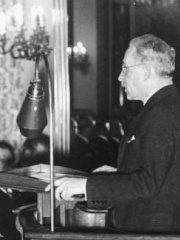
Paul Freiherr von Eltz-Rübenach
1875 - 1943
HPI: 61.21
Miejsce: 10,098
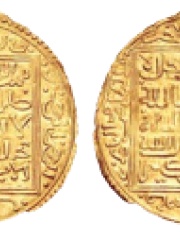
Abu Yaqub Yusuf an-Nasr
1300 - 1307
HPI: 61.20
Miejsce: 10,099
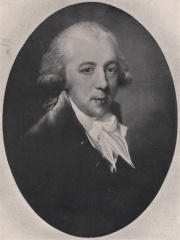
Richard Brinsley Sheridan
1751 - 1816
HPI: 61.20
Miejsce: 10,100

Valérie Trierweiler
1965 - obecnie
HPI: 61.20
Miejsce: 10,101
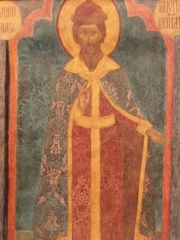
Konstantin of Rostov
1185 - 1218
HPI: 61.20
Miejsce: 10,102
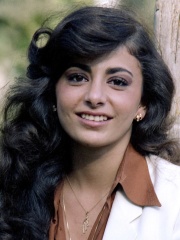
Farahnaz Pahlavi
1963 - obecnie
HPI: 61.20
Miejsce: 10,103
Raoni Metuktire
1940 - obecnie
HPI: 61.19
Miejsce: 10,104
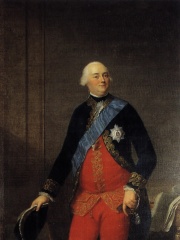
Charles Christian, Prince of Nassau-Weilburg
1735 - 1788
HPI: 61.19
Miejsce: 10,105
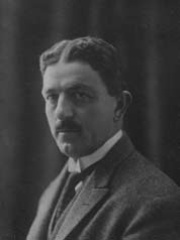
Rauf Orbay
1881 - 1964
HPI: 61.19
Miejsce: 10,106

Jules Favre
1809 - 1880
HPI: 61.19
Miejsce: 10,107
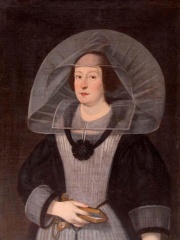
Maria Gonzaga, Duchess of Montferrat
1609 - 1660
HPI: 61.19
Miejsce: 10,108

Mahamane Ousmane
1948 - obecnie
HPI: 61.19
Miejsce: 10,109
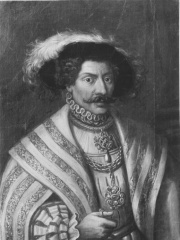
Louis II, Count Palatine of Zweibrücken
1502 - 1532
HPI: 61.18
Miejsce: 10,110

Współcześni
Wśród osób urodzonych w 1940 roku Raoni Metuktire zajmuje 201. miejsce. Przed nim są Craig Brown, Stephen Kovacevich, Vyacheslav Ivankov, Franz Müntefering, Roger Pingeon, i Ali Saibou. Po nim są Barbara Valentin, Samuel Little, Fleur Jaeggy, Jacqueline Sassard, Saud bin Faisal bin Abdulaziz Al Saud, i Manfred Mann.
Inne osoby urodzone w 1940 roku
Zobacz wszystkie rankingi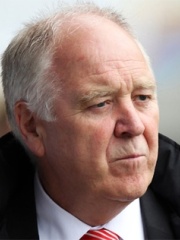
Craig Brown
SOCCER PLAYER
1940 - 2023
HPI: 61.39
Miejsce: 195
Stephen Kovacevich
MUSICIAN
1940 - obecnie
HPI: 61.32
Miejsce: 196

Vyacheslav Ivankov
MAFIOSO
1940 - 2009
HPI: 61.29
Miejsce: 197
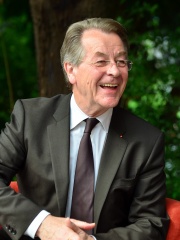
Franz Müntefering
POLITICIAN
1940 - obecnie
HPI: 61.29
Miejsce: 198
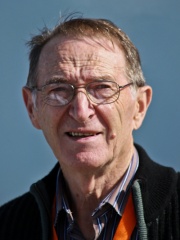
Roger Pingeon
CYCLIST
1940 - 2017
HPI: 61.27
Miejsce: 199
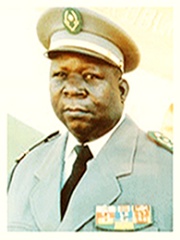
Ali Saibou
POLITICIAN
1940 - 2011
HPI: 61.21
Miejsce: 200
Raoni Metuktire
POLITICIAN
1940 - obecnie
HPI: 61.19
Miejsce: 201
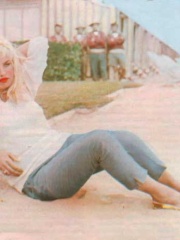
Barbara Valentin
ACTOR
1940 - 2002
HPI: 61.09
Miejsce: 202

Samuel Little
EXTREMIST
1940 - 2020
HPI: 61.05
Miejsce: 203

Fleur Jaeggy
WRITER
1940 - obecnie
HPI: 60.94
Miejsce: 204

Jacqueline Sassard
ACTOR
1940 - 2021
HPI: 60.90
Miejsce: 205
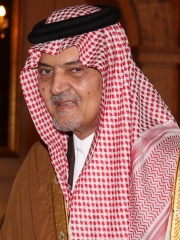
Saud bin Faisal bin Abdulaziz Al Saud
POLITICIAN
1940 - 2015
HPI: 60.89
Miejsce: 206
Manfred Mann
MUSICIAN
1940 - obecnie
HPI: 60.86
Miejsce: 207
W kraju Brazylia
Wśród osób urodzonych w kraju Brazylia Raoni Metuktire zajmuje 240. miejsce na 2,779. Przed nim są Preguinho (1905), Véra Clouzot (1913), Jorge Ben (1942), Carlos Chagas (1879), Carlos Marighella (1911), i Bigode (1922). Po nim są Jorge Paulo Lemann (1939), Juliano Belletti (1976), Lima (1942), Edmílson (1976), Ronaldo Rodrigues de Jesus (1965), i Emerson (1976).
Inne osoby urodzone w kraju Brazylia
Zobacz wszystkie rankingi
Preguinho
SOCCER PLAYER
1905 - 1979
HPI: 61.35
Miejsce: 234
Véra Clouzot
ACTOR
1913 - 1960
HPI: 61.29
Miejsce: 235
Jorge Ben
SINGER
1942 - obecnie
HPI: 61.27
Miejsce: 236
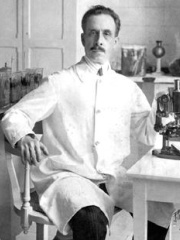
Carlos Chagas
PHYSICIAN
1879 - 1934
HPI: 61.26
Miejsce: 237
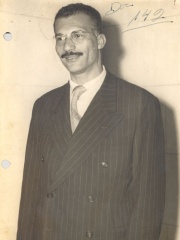
Carlos Marighella
WRITER
1911 - 1969
HPI: 61.24
Miejsce: 238

Bigode
SOCCER PLAYER
1922 - 2003
HPI: 61.23
Miejsce: 239
Raoni Metuktire
POLITICIAN
1940 - obecnie
HPI: 61.19
Miejsce: 240
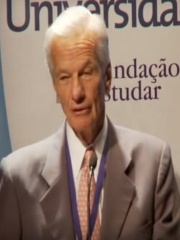
Jorge Paulo Lemann
BUSINESSPERSON
1939 - obecnie
HPI: 61.19
Miejsce: 241

Juliano Belletti
SOCCER PLAYER
1976 - obecnie
HPI: 61.18
Miejsce: 242
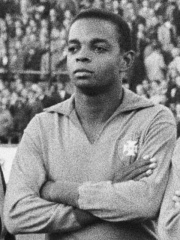
Lima
SOCCER PLAYER
1942 - 2025
HPI: 61.17
Miejsce: 243

Edmílson
SOCCER PLAYER
1976 - obecnie
HPI: 61.17
Miejsce: 244

Ronaldo Rodrigues de Jesus
SOCCER PLAYER
1965 - obecnie
HPI: 61.13
Miejsce: 245
Emerson
SOCCER PLAYER
1976 - obecnie
HPI: 61.12
Miejsce: 246
Wśród przedstawicieli zawodu Polityk w kraju Brazylia
Wśród przedstawicieli zawodu „Polityk” urodzonych w kraju Brazylia Raoni Metuktire zajmuje 41. miejsce. Przed nim są Café Filho (1899), Charles, Duke of Guise (1571), Infante Sebastian of Portugal and Spain (1811), Luís Alves de Lima e Silva, Duke of Caxias (1803), Nilo Peçanha (1867), i Epitácio Pessoa (1865). Po nim są Pascoal Ranieri Mazzilli (1910), Hermes da Fonseca (1855), José Linhares (1886), Manuel Ferraz de Campos Sales (1841), José Bonifácio de Andrada (1763), i Nereu Ramos (1888).
Café Filho
1899 - 1970
HPI: 61.92
Miejsce: 35
Charles, Duke of Guise
1571 - 1640
HPI: 61.83
Miejsce: 36
Infante Sebastian of Portugal and Spain
1811 - 1875
HPI: 61.77
Miejsce: 37
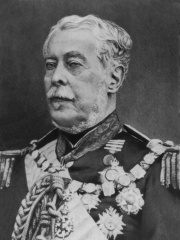
Luís Alves de Lima e Silva, Duke of Caxias
1803 - 1880
HPI: 61.73
Miejsce: 38
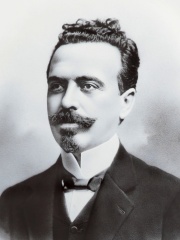
Nilo Peçanha
1867 - 1924
HPI: 61.56
Miejsce: 39
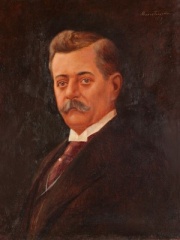
Epitácio Pessoa
1865 - 1942
HPI: 61.42
Miejsce: 40
Raoni Metuktire
1940 - obecnie
HPI: 61.19
Miejsce: 41
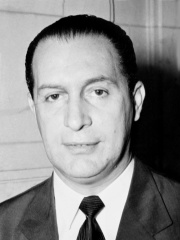
Pascoal Ranieri Mazzilli
1910 - 1975
HPI: 61.07
Miejsce: 42
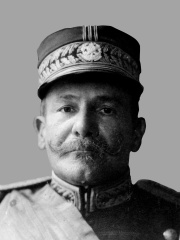
Hermes da Fonseca
1855 - 1923
HPI: 60.85
Miejsce: 43
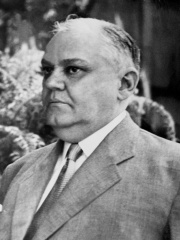
José Linhares
1886 - 1957
HPI: 60.82
Miejsce: 44
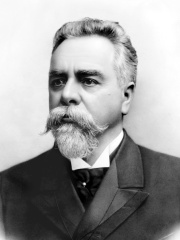
Manuel Ferraz de Campos Sales
1841 - 1913
HPI: 60.18
Miejsce: 45
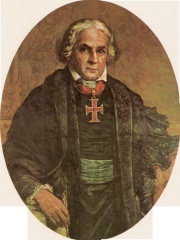
José Bonifácio de Andrada
1763 - 1838
HPI: 59.83
Miejsce: 46
Nereu Ramos
1888 - 1958
HPI: 59.81
Miejsce: 47




