Polityk
Raimonds Vējonis
1966 - obecnie
PL.WIKIPEDIA PAGE VIEWS (PV)


 Raimonds Vējonis
Jego biografia jest dostępna w 55 różnych językach w Wikipedii. Raimonds Vējonis jest 9148. najpopularniejszym polityk (wzrost z 11077. w 2024 roku), 810. najpopularniejszą biografią Rosja (wzrost z 1171. w 2019 roku) oraz 238. najpopularniejszym polityk Rosja.
Memorability Metrics
30k
Page Views
Past 12 months
62.14
HPI
Historical Popularity Index
Page views of Raimonds Vējonis by language
Among Polityks
Among polityks, Raimonds Vējonis ranks 9,143 out of 19,576. Before him are Enrique Cerezo, Håkan the Red, Venancio Flores, Archduke Wilhelm Franz of Austria, Bernd Rosemeyer, and Kurigalzu I. After him are Sa'dun Hammadi, Baldwin III, Count of Hainaut, Prince Francis, Count of Trapani, Tamim bin Hamad Al Thani, Georg Donatus, Hereditary Grand Duke of Hesse, and Diodotus I.
Most Popular Polityks in Wikipedia
Go to all Rankings
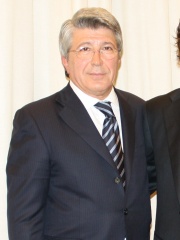
Enrique Cerezo
1948 - Present
HPI: 62.14
Rank: 9,142

Håkan the Red
1040 - 1079
HPI: 62.14
Rank: 9,143
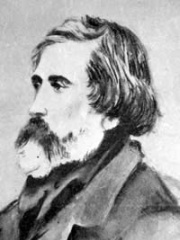
Venancio Flores
1808 - 1868
HPI: 62.14
Rank: 9,144
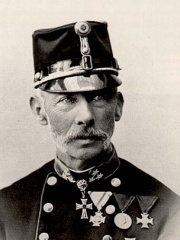
Archduke Wilhelm Franz of Austria
1827 - 1894
HPI: 62.14
Rank: 9,145
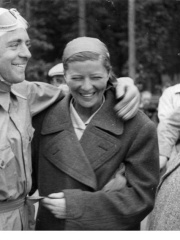
Bernd Rosemeyer
1909 - 1938
HPI: 62.14
Rank: 9,146
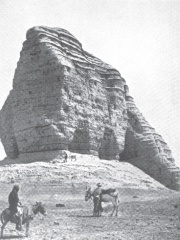
Kurigalzu I
1500 BC - 1400 BC
HPI: 62.14
Rank: 9,147
Raimonds Vējonis
1966 - Present
HPI: 62.14
Rank: 9,148
Sa'dun Hammadi
1930 - 2007
HPI: 62.14
Rank: 9,149

Baldwin III, Count of Hainaut
1088 - 1120
HPI: 62.14
Rank: 9,150
Prince Francis, Count of Trapani
1827 - 1892
HPI: 62.13
Rank: 9,151
Tamim bin Hamad Al Thani
1980 - Present
HPI: 62.13
Rank: 9,152
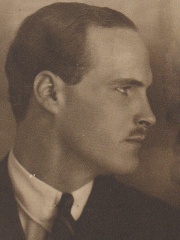
Georg Donatus, Hereditary Grand Duke of Hesse
1906 - 1937
HPI: 62.13
Rank: 9,153
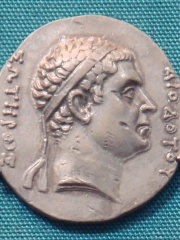
Diodotus I
285 BC - 230 BC
HPI: 62.13
Rank: 9,154

Contemporaries
Among people born in 1966, Raimonds Vējonis ranks 84. Before him are Bujar Nishani, Rick Astley, Mazinho, Stephen Baldwin, Christoph Schneider, and Vikram. After him are Helle Thorning-Schmidt, Tom McCarthy, Jan Železný, Lisa Edelstein, Qusay Hussein, and Cynthia Nixon.
Others Born in 1966
Go to all Rankings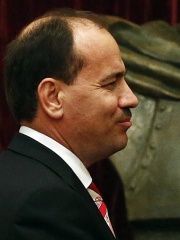
Bujar Nishani
POLITICIAN
1966 - 2022
HPI: 62.42
Rank: 78
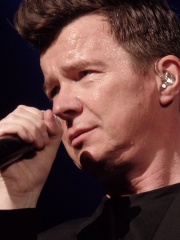
Rick Astley
MUSICIAN
1966 - Present
HPI: 62.40
Rank: 79
Mazinho
COACH
1966 - Present
HPI: 62.32
Rank: 80

Stephen Baldwin
ACTOR
1966 - Present
HPI: 62.24
Rank: 81
Christoph Schneider
MUSICIAN
1966 - Present
HPI: 62.19
Rank: 82

Vikram
ACTOR
1966 - Present
HPI: 62.18
Rank: 83
Raimonds Vējonis
POLITICIAN
1966 - Present
HPI: 62.14
Rank: 84
Helle Thorning-Schmidt
POLITICIAN
1966 - Present
HPI: 62.04
Rank: 85
Tom McCarthy
FILM DIRECTOR
1966 - Present
HPI: 61.92
Rank: 86
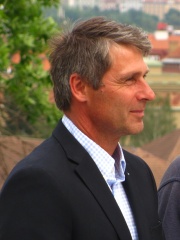
Jan Železný
ATHLETE
1966 - Present
HPI: 61.92
Rank: 87
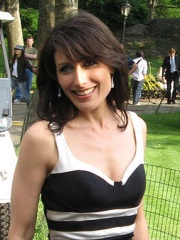
Lisa Edelstein
ACTOR
1966 - Present
HPI: 61.91
Rank: 88

Qusay Hussein
POLITICIAN
1966 - 2003
HPI: 61.89
Rank: 89
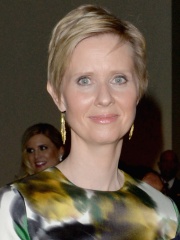
Cynthia Nixon
ACTOR
1966 - Present
HPI: 61.87
Rank: 90
In Rosja
Among people born in Rosja, Raimonds Vējonis ranks 810 out of NaN. Before him are Musa Cälil (1906), Andrei Voznesensky (1933), Yakov Pavlov (1917), Vladimir Aksyonov (1935), Vyacheslav Zudov (1942), and Walter Weiß (1890). After him are Duchess Alexandra of Oldenburg (1838), Vasili Mitrokhin (1922), Joseph Trumpeldor (1880), Oleg Salenko (1969), Dmitry of Tver (1299), and Alexander Izvolsky (1856).
Others born in Rosja
Go to all Rankings
Musa Cälil
WRITER
1906 - 1944
HPI: 62.19
Rank: 804
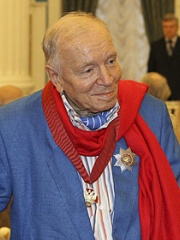
Andrei Voznesensky
WRITER
1933 - 2010
HPI: 62.18
Rank: 805
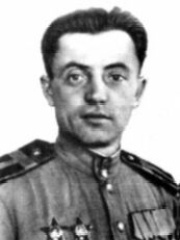
Yakov Pavlov
MILITARY PERSONNEL
1917 - 1981
HPI: 62.18
Rank: 806
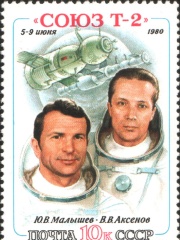
Vladimir Aksyonov
ASTRONAUT
1935 - 2024
HPI: 62.17
Rank: 807
Vyacheslav Zudov
ASTRONAUT
1942 - 2024
HPI: 62.16
Rank: 808
Walter Weiß
MILITARY PERSONNEL
1890 - 1967
HPI: 62.15
Rank: 809
Raimonds Vējonis
POLITICIAN
1966 - Present
HPI: 62.14
Rank: 810
Duchess Alexandra of Oldenburg
NOBLEMAN
1838 - 1900
HPI: 62.13
Rank: 811
Vasili Mitrokhin
MILITARY PERSONNEL
1922 - 2004
HPI: 62.13
Rank: 812
Joseph Trumpeldor
MILITARY PERSONNEL
1880 - 1920
HPI: 62.12
Rank: 813
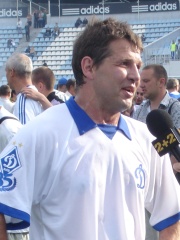
Oleg Salenko
SOCCER PLAYER
1969 - Present
HPI: 62.12
Rank: 814
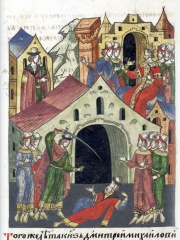
Dmitry of Tver
POLITICIAN
1299 - 1326
HPI: 62.11
Rank: 815
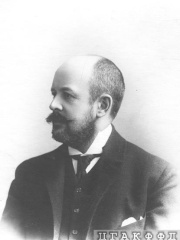
Alexander Izvolsky
POLITICIAN
1856 - 1919
HPI: 62.11
Rank: 816
Among Polityks In Rosja
Among polityks born in Rosja, Raimonds Vējonis ranks 238. Before him are Grand Duke Dmitry Konstantinovich of Russia (1860), Mikhail Speransky (1772), Ivan Goremykin (1839), Sergei Ivanovich Mosin (1849), Princess Olga Paley (1865), and Kuzma Minin (1616). After him are Dmitry of Tver (1299), Alexander Izvolsky (1856), Vyacheslav von Plehve (1846), Andrey II of Vladimir (1222), Malyuta Skuratov (1600), and Vasily of Kostroma (1241).
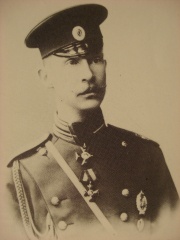
Grand Duke Dmitry Konstantinovich of Russia
1860 - 1919
HPI: 62.42
Rank: 232
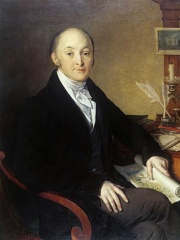
Mikhail Speransky
1772 - 1839
HPI: 62.41
Rank: 233
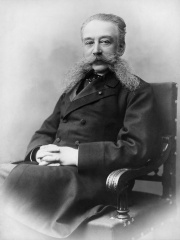
Ivan Goremykin
1839 - 1917
HPI: 62.41
Rank: 234
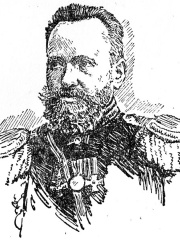
Sergei Ivanovich Mosin
1849 - 1902
HPI: 62.32
Rank: 235
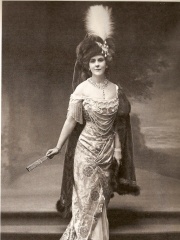
Princess Olga Paley
1865 - 1929
HPI: 62.27
Rank: 236
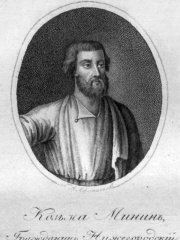
Kuzma Minin
1616 - 1616
HPI: 62.24
Rank: 237
Raimonds Vējonis
1966 - Present
HPI: 62.14
Rank: 238
Dmitry of Tver
1299 - 1326
HPI: 62.11
Rank: 239
Alexander Izvolsky
1856 - 1919
HPI: 62.11
Rank: 240
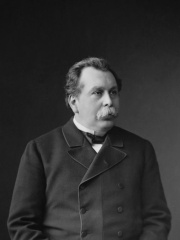
Vyacheslav von Plehve
1846 - 1904
HPI: 62.08
Rank: 241
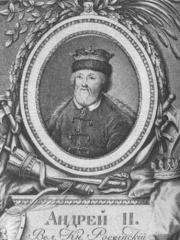
Andrey II of Vladimir
1222 - 1264
HPI: 62.07
Rank: 242
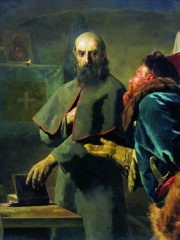
Malyuta Skuratov
1600 - 1573
HPI: 61.97
Rank: 243
Vasily of Kostroma
1241 - 1276
HPI: 61.94
Rank: 244




