Reżyser filmowy
Mario Martone
1959 - obecnie
WYŚWIETLENIA PL.WIKIPEDIA (PV)
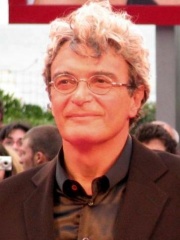
 Mario Martone
Jego biografia jest dostępna w 16 różnych językach w Wikipedii (wzrost z 15 w 2024 roku). Mario Martone jest 1572. najpopularniejszym reżyser filmowy (wzrost z 1605. w 2024 roku), 4299. najpopularniejszą biografią Włochy (spadek z 4255. w 2019 roku) oraz 90. najpopularniejszym reżyser filmowy Włochy.
Wskaźniki rozpoznawalności
69k
Wyświetlenia strony
Ostatnie 12 miesięcy
51.16
HPI
Indeks historycznej popularności
Ciekawostki z danych
20 lis
Mario Martone obchodzi urodziny tego samego dnia (20 listopada) co Joe Biden, Pope Pius VIII i Selma Lagerlöf.
Wyświetlenia strony Mario Martone według języka
Wśród przedstawicieli zawodu Reżyser filmowy
Wśród przedstawicieli zawodu „Reżyser filmowy” Mario Martone zajmuje 1,572. miejsce na 2,041. Przed nim są H. Bruce Humberstone, Pavel Chukhray, Kenneth Lonergan, Gerardo Vera, Jonathan Mostow, i Boris Sagal. Po nim są Darren Star, Art Clokey, Robin Campillo, Jörg Buttgereit, Peter Schamoni, i Dzongsar Jamyang Khyentse Rinpoche.
Najpopularniejsi w Wikipedii: Reżyser filmowy
Zobacz wszystkie rankingi
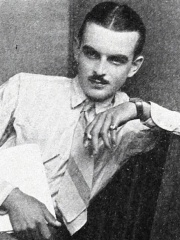
H. Bruce Humberstone
1901 - 1984
HPI: 51.24
Miejsce: 1,566

Pavel Chukhray
1946 - obecnie
HPI: 51.23
Miejsce: 1,567

Kenneth Lonergan
1962 - obecnie
HPI: 51.22
Miejsce: 1,568

Gerardo Vera
1947 - 2020
HPI: 51.19
Miejsce: 1,569

Jonathan Mostow
1961 - obecnie
HPI: 51.18
Miejsce: 1,570

Boris Sagal
1923 - 1981
HPI: 51.18
Miejsce: 1,571
Mario Martone
1959 - obecnie
HPI: 51.16
Miejsce: 1,572
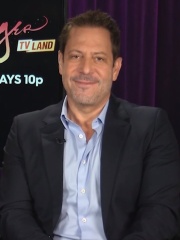
Darren Star
1961 - obecnie
HPI: 51.13
Miejsce: 1,573
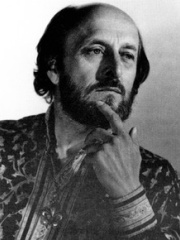
Art Clokey
1921 - 2010
HPI: 51.12
Miejsce: 1,574
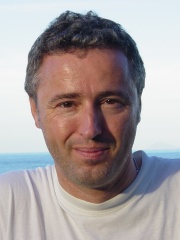
Robin Campillo
1962 - obecnie
HPI: 51.11
Miejsce: 1,575
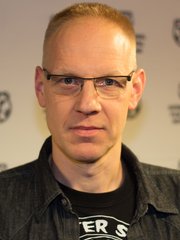
Jörg Buttgereit
1963 - obecnie
HPI: 51.11
Miejsce: 1,576

Peter Schamoni
1934 - 2011
HPI: 51.10
Miejsce: 1,577
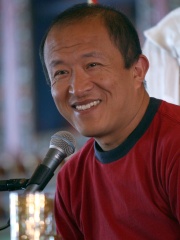
Dzongsar Jamyang Khyentse Rinpoche
1961 - obecnie
HPI: 51.10
Miejsce: 1,578

Współcześni
Wśród osób urodzonych w 1959 roku Mario Martone zajmuje 502. miejsce. Przed nim są Omar Hakim, Steve Bauer, David Hyde Pierce, John Allen Nelson, Neal H. Moritz, i Ronald Weigel. Po nim są Jennifer Granholm, Alejandro Mayorkas, Yves Rossy, Chung Hae-won, Adele Neuhauser, i Thierry Rey.
Inne osoby urodzone w 1959 roku
Zobacz wszystkie rankingi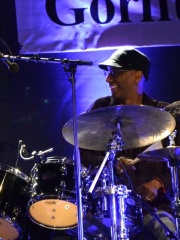
Omar Hakim
MUSICIAN
1959 - obecnie
HPI: 51.24
Miejsce: 496

Steve Bauer
CYCLIST
1959 - obecnie
HPI: 51.24
Miejsce: 497
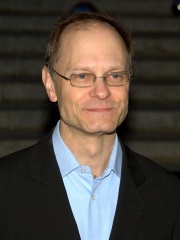
David Hyde Pierce
ACTOR
1959 - obecnie
HPI: 51.20
Miejsce: 498

John Allen Nelson
ACTOR
1959 - obecnie
HPI: 51.20
Miejsce: 499
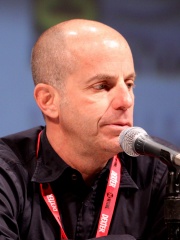
Neal H. Moritz
PRODUCER
1959 - obecnie
HPI: 51.17
Miejsce: 500

Ronald Weigel
ATHLETE
1959 - obecnie
HPI: 51.16
Miejsce: 501
Mario Martone
FILM DIRECTOR
1959 - obecnie
HPI: 51.16
Miejsce: 502
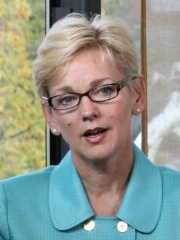
Jennifer Granholm
POLITICIAN
1959 - obecnie
HPI: 51.14
Miejsce: 503
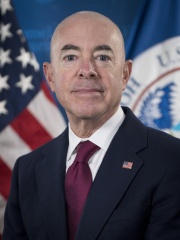
Alejandro Mayorkas
POLITICIAN
1959 - obecnie
HPI: 51.13
Miejsce: 504
Yves Rossy
PILOT
1959 - obecnie
HPI: 51.10
Miejsce: 505

Chung Hae-won
SOCCER PLAYER
1959 - 2020
HPI: 51.09
Miejsce: 506
Adele Neuhauser
ACTOR
1959 - obecnie
HPI: 51.09
Miejsce: 507
Thierry Rey
WRESTLER
1959 - obecnie
HPI: 51.02
Miejsce: 508
W kraju Włochy
Wśród osób urodzonych w kraju Włochy Mario Martone zajmuje 4,299. miejsce na 5,161. Przed nim są Piero Fassino (1949), Vittorio Arrigoni (1975), Lucio Corsi (1993), Giorgio Di Centa (1972), Roberto Repole (1967), i Giovanna Mezzogiorno (1974). Po nim są Isabella Ferrari (1964), Gian Giorgio Trissino (1877), Lina Sastri (1950), Mattia De Sciglio (1992), Marco Albarello (1960), i Marco Giovannetti (1962).
Inne osoby urodzone w kraju Włochy
Zobacz wszystkie rankingi
Piero Fassino
POLITICIAN
1949 - obecnie
HPI: 51.26
Miejsce: 4,293
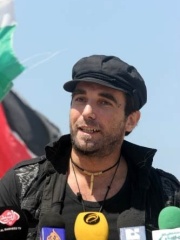
Vittorio Arrigoni
WRITER
1975 - 2011
HPI: 51.23
Miejsce: 4,294

Lucio Corsi
SINGER
1993 - obecnie
HPI: 51.20
Miejsce: 4,295
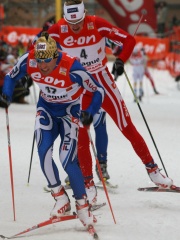
Giorgio Di Centa
SKIER
1972 - obecnie
HPI: 51.17
Miejsce: 4,296
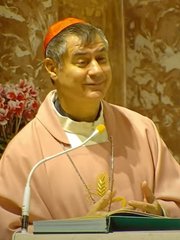
Roberto Repole
RELIGIOUS FIGURE
1967 - obecnie
HPI: 51.16
Miejsce: 4,297
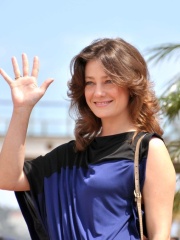
Giovanna Mezzogiorno
ACTOR
1974 - obecnie
HPI: 51.16
Miejsce: 4,298
Mario Martone
FILM DIRECTOR
1959 - obecnie
HPI: 51.16
Miejsce: 4,299
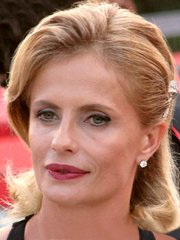
Isabella Ferrari
ACTOR
1964 - obecnie
HPI: 51.15
Miejsce: 4,300
Gian Giorgio Trissino
ATHLETE
1877 - 1963
HPI: 51.11
Miejsce: 4,301
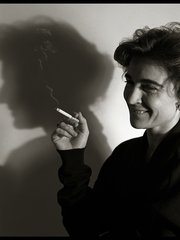
Lina Sastri
ACTOR
1950 - obecnie
HPI: 51.11
Miejsce: 4,302
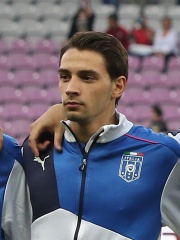
Mattia De Sciglio
SOCCER PLAYER
1992 - obecnie
HPI: 51.08
Miejsce: 4,303
Marco Albarello
SKIER
1960 - obecnie
HPI: 51.08
Miejsce: 4,304

Marco Giovannetti
CYCLIST
1962 - obecnie
HPI: 51.08
Miejsce: 4,305
Wśród przedstawicieli zawodu Reżyser filmowy w kraju Włochy
Wśród przedstawicieli zawodu „Reżyser filmowy” urodzonych w kraju Włochy Mario Martone zajmuje 90. miejsce. Przed nim są Carlo Vanzina (1951), Francesca Comencini (1961), Alice Rohrwacher (1981), Stefano Sollima (1966), Gabriele Muccino (1967), i Ettore Giannini (1912). Po nim są Axel Braun (1966), Floria Sigismondi (1965), Paolo Virzì (1964), Francesca Archibugi (1960), Mauro Fiore (1964), i Leonardo Pieraccioni (1965).
Carlo Vanzina
1951 - 2018
HPI: 52.69
Miejsce: 84
Francesca Comencini
1961 - obecnie
HPI: 52.46
Miejsce: 85
Alice Rohrwacher
1981 - obecnie
HPI: 52.39
Miejsce: 86
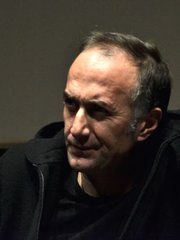
Stefano Sollima
1966 - obecnie
HPI: 52.16
Miejsce: 87
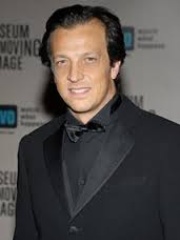
Gabriele Muccino
1967 - obecnie
HPI: 51.81
Miejsce: 88
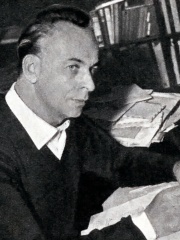
Ettore Giannini
1912 - 1990
HPI: 51.38
Miejsce: 89
Mario Martone
1959 - obecnie
HPI: 51.16
Miejsce: 90
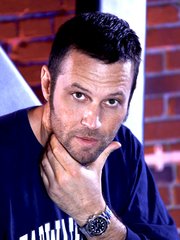
Axel Braun
1966 - obecnie
HPI: 49.33
Miejsce: 91
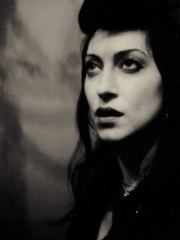
Floria Sigismondi
1965 - obecnie
HPI: 48.32
Miejsce: 92
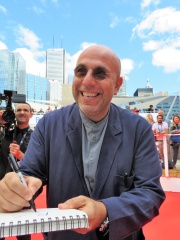
Paolo Virzì
1964 - obecnie
HPI: 48.22
Miejsce: 93
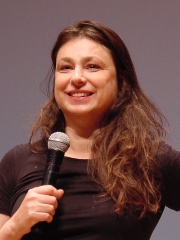
Francesca Archibugi
1960 - obecnie
HPI: 48.18
Miejsce: 94

Mauro Fiore
1964 - obecnie
HPI: 47.14
Miejsce: 95
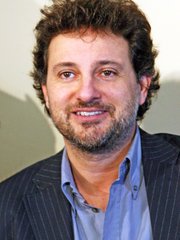
Leonardo Pieraccioni
1965 - obecnie
HPI: 46.58
Miejsce: 96




