Polityk
Janez Janša
1958 - obecnie
WYŚWIETLENIA PL.WIKIPEDIA (PV)


 Janez Janša
Jego biografia jest dostępna w 62 różnych językach w Wikipedii. Janez Janša jest 4976. najpopularniejszym polityk (spadek z 4787. w 2024 roku), 23. najpopularniejszą biografią Słowenia oraz 9. najpopularniejszym polityk Słowenia.
Wskaźniki rozpoznawalności
220k
Wyświetlenia strony
Ostatnie 12 miesięcy
66.58
HPI
Indeks historycznej popularności
Wyświetlenia strony Janez Janša według języka
Wśród przedstawicieli zawodu Polityk
Wśród przedstawicieli zawodu „Polityk” Janez Janša zajmuje 4,974. miejsce na 19,576. Przed nim są Walter Rothschild, 2nd Baron Rothschild, Francis, Duke of Teck, William Cecil, 1st Baron Burghley, Alben W. Barkley, Maria of Montferrat, i Niklot. Po nim są Princess Alexandra of Saxe-Altenburg, Friedrich Wilhelm von Seydlitz, Beatrice of Swabia, Hastings Banda, Princess Clémentine of Belgium, i Amalia of Oldenburg.
Najpopularniejsi w Wikipedii: Polityk
Zobacz wszystkie rankingi
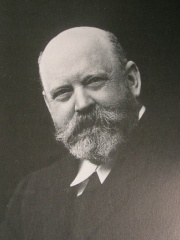
Walter Rothschild, 2nd Baron Rothschild
1868 - 1937
HPI: 66.59
Miejsce: 4,970
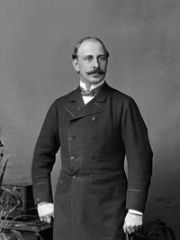
Francis, Duke of Teck
1837 - 1900
HPI: 66.59
Miejsce: 4,971
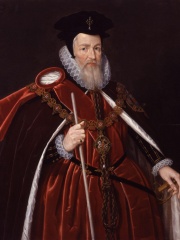
William Cecil, 1st Baron Burghley
1520 - 1598
HPI: 66.59
Miejsce: 4,972
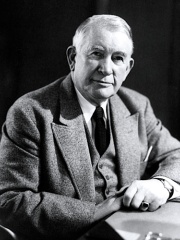
Alben W. Barkley
1877 - 1956
HPI: 66.59
Miejsce: 4,973
Maria of Montferrat
1192 - 1212
HPI: 66.59
Miejsce: 4,974
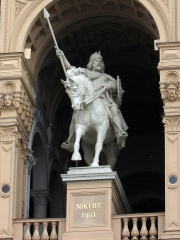
Niklot
1100 - 1160
HPI: 66.58
Miejsce: 4,975
Janez Janša
1958 - obecnie
HPI: 66.58
Miejsce: 4,976
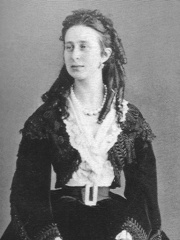
Princess Alexandra of Saxe-Altenburg
1830 - 1911
HPI: 66.58
Miejsce: 4,977
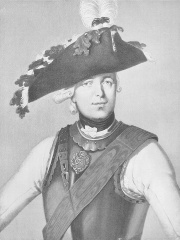
Friedrich Wilhelm von Seydlitz
1721 - 1773
HPI: 66.58
Miejsce: 4,978
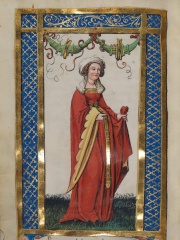
Beatrice of Swabia
1198 - 1212
HPI: 66.58
Miejsce: 4,979
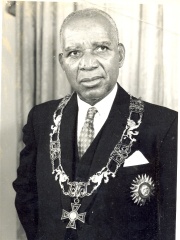
Hastings Banda
1898 - 1997
HPI: 66.58
Miejsce: 4,980
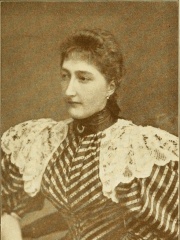
Princess Clémentine of Belgium
1872 - 1955
HPI: 66.58
Miejsce: 4,981
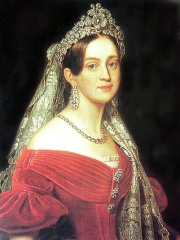
Amalia of Oldenburg
1818 - 1875
HPI: 66.58
Miejsce: 4,982

Współcześni
Wśród osób urodzonych w 1958 roku Janez Janša zajmuje 51. miejsce. Przed nim są Tzipi Livni, Chris Columbus, Robert Patrick, Marie-Louise Coleiro Preca, Gian Piero Gasperini, i Tom Lister Jr.. Po nim są Ellen DeGeneres, Jean-Marc Aveline, Scott Hall, Quique Setién, Adrian Newey, i Madeleine Stowe.
Inne osoby urodzone w 1958 roku
Zobacz wszystkie rankingi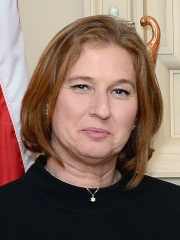
Tzipi Livni
POLITICIAN
1958 - obecnie
HPI: 67.06
Miejsce: 45
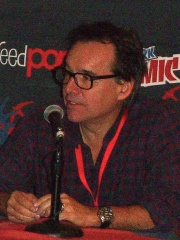
Chris Columbus
FILM DIRECTOR
1958 - obecnie
HPI: 67.04
Miejsce: 46
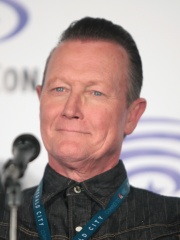
Robert Patrick
ACTOR
1958 - obecnie
HPI: 66.89
Miejsce: 47
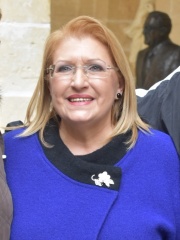
Marie-Louise Coleiro Preca
POLITICIAN
1958 - obecnie
HPI: 66.86
Miejsce: 48
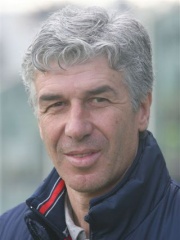
Gian Piero Gasperini
SOCCER PLAYER
1958 - obecnie
HPI: 66.79
Miejsce: 49
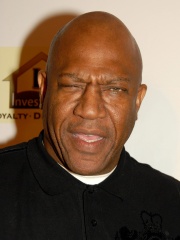
Tom Lister Jr.
ACTOR
1958 - 2020
HPI: 66.76
Miejsce: 50
Janez Janša
POLITICIAN
1958 - obecnie
HPI: 66.58
Miejsce: 51
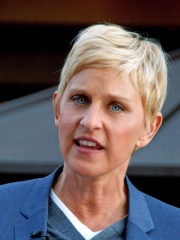
Ellen DeGeneres
COMEDIAN
1958 - obecnie
HPI: 66.34
Miejsce: 52
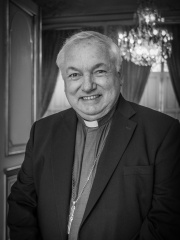
Jean-Marc Aveline
RELIGIOUS FIGURE
1958 - obecnie
HPI: 65.98
Miejsce: 53
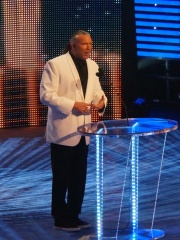
Scott Hall
WRESTLER
1958 - 2022
HPI: 65.83
Miejsce: 54
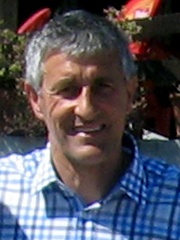
Quique Setién
SOCCER PLAYER
1958 - obecnie
HPI: 65.59
Miejsce: 55
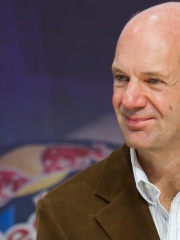
Adrian Newey
ENGINEER
1958 - obecnie
HPI: 65.55
Miejsce: 56
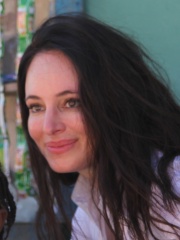
Madeleine Stowe
ACTOR
1958 - obecnie
HPI: 65.45
Miejsce: 57
W kraju Słowenia
Wśród osób urodzonych w kraju Słowenia Janez Janša zajmuje 23. miejsce na NaN. Przed nim są Ivan Cankar (1876), Jernej Kopitar (1780), Carlos, Duke of Madrid (1848), Wilhelm von Tegetthoff (1827), Nataša Pirc Musar (1968), i Danilo Türk (1952). Po nim są Aleksander Čeferin (1967), Franc Rode (1934), Antonio Abetti (1846), Nino Benvenuti (1938), Jacobus Gallus (1550), i Branko Oblak (1947).
Inne osoby urodzone w kraju Słowenia
Zobacz wszystkie rankingi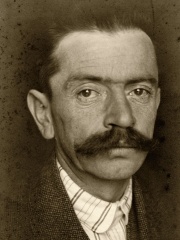
Ivan Cankar
WRITER
1876 - 1918
HPI: 67.55
Miejsce: 17
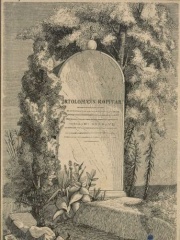
Jernej Kopitar
WRITER
1780 - 1844
HPI: 67.00
Miejsce: 18
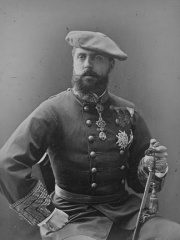
Carlos, Duke of Madrid
NOBLEMAN
1848 - 1909
HPI: 66.89
Miejsce: 19
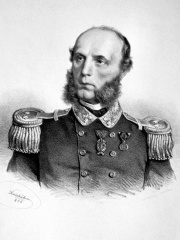
Wilhelm von Tegetthoff
MILITARY PERSONNEL
1827 - 1871
HPI: 66.88
Miejsce: 20
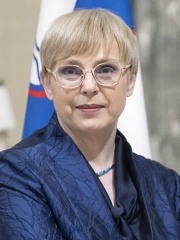
Nataša Pirc Musar
POLITICIAN
1968 - obecnie
HPI: 66.83
Miejsce: 21
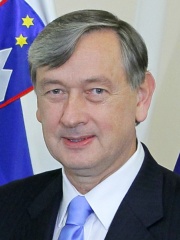
Danilo Türk
POLITICIAN
1952 - obecnie
HPI: 66.68
Miejsce: 22
Janez Janša
POLITICIAN
1958 - obecnie
HPI: 66.58
Miejsce: 23

Aleksander Čeferin
POLITICIAN
1967 - obecnie
HPI: 66.37
Miejsce: 24
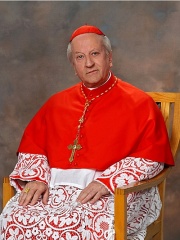
Franc Rode
RELIGIOUS FIGURE
1934 - 2017
HPI: 66.09
Miejsce: 25
Antonio Abetti
ASTRONOMER
1846 - 1928
HPI: 66.04
Miejsce: 26
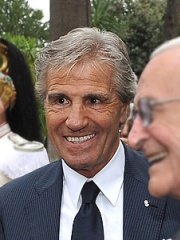
Nino Benvenuti
BOXER
1938 - 2025
HPI: 65.74
Miejsce: 27
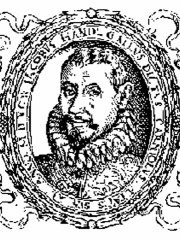
Jacobus Gallus
COMPOSER
1550 - 1591
HPI: 65.61
Miejsce: 28
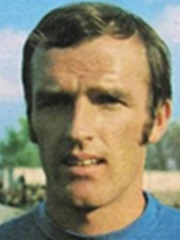
Branko Oblak
SOCCER PLAYER
1947 - obecnie
HPI: 65.49
Miejsce: 29
Wśród przedstawicieli zawodu Polityk w kraju Słowenia
Wśród przedstawicieli zawodu „Polityk” urodzonych w kraju Słowenia Janez Janša zajmuje 9. miejsce. Przed nim są Milan Kučan (1941), Janez Drnovšek (1950), Edvard Kardelj (1910), Borut Pahor (1963), Nataša Pirc Musar (1968), i Danilo Türk (1952). Po nim są Aleksander Čeferin (1967), Hermann II, Count of Celje (1361), Anton Korošec (1872), Robert Golob (1967), Prince Andrew of Yugoslavia (1929), i Miro Cerar (1963).

Milan Kučan
1941 - obecnie
HPI: 70.19
Miejsce: 3
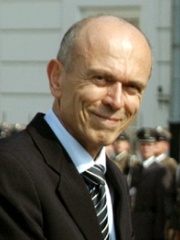
Janez Drnovšek
1950 - 2008
HPI: 69.22
Miejsce: 4

Edvard Kardelj
1910 - 1979
HPI: 68.07
Miejsce: 5
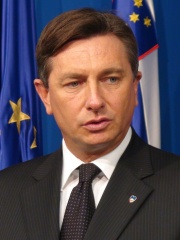
Borut Pahor
1963 - obecnie
HPI: 67.59
Miejsce: 6
Nataša Pirc Musar
1968 - obecnie
HPI: 66.83
Miejsce: 7
Danilo Türk
1952 - obecnie
HPI: 66.68
Miejsce: 8
Janez Janša
1958 - obecnie
HPI: 66.58
Miejsce: 9
Aleksander Čeferin
1967 - obecnie
HPI: 66.37
Miejsce: 10
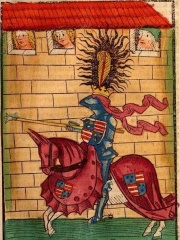
Hermann II, Count of Celje
1361 - 1435
HPI: 65.43
Miejsce: 11
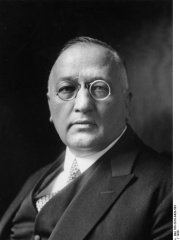
Anton Korošec
1872 - 1940
HPI: 64.38
Miejsce: 12

Robert Golob
1967 - obecnie
HPI: 63.45
Miejsce: 13
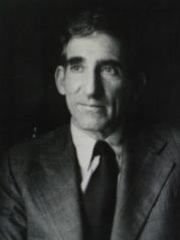
Prince Andrew of Yugoslavia
1929 - 1990
HPI: 61.50
Miejsce: 14
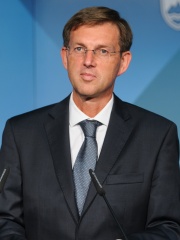
Miro Cerar
1963 - obecnie
HPI: 59.93
Miejsce: 15




