Postać religijna
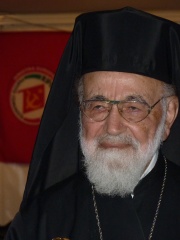
Ignatius Aphrem II
1965 - obecnie
WYŚWIETLENIA PL.WIKIPEDIA (PV)
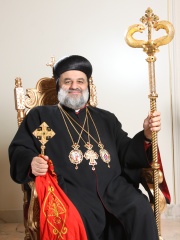
 Ignatius Aphrem II
Jego biografia jest dostępna w 21 różnych językach w Wikipedii. Ignatius Aphrem II jest 2127. najpopularniejszym postać religijna (wzrost z 3050. w 2024 roku), 140. najpopularniejszą biografią Syria (wzrost z 191. w 2019 roku) oraz 20. najpopularniejszym postać religijna Syria.
Wskaźniki rozpoznawalności
71k
Wyświetlenia strony
Ostatnie 12 miesięcy
60.08
HPI
Indeks historycznej popularności
Wyświetlenia strony Ignatius Aphrem II według języka
Wśród przedstawicieli zawodu Postać religijna
Wśród przedstawicieli zawodu „Postać religijna” Ignatius Aphrem II zajmuje 2,127. miejsce na 3,187. Przed nim są Anthimus VI of Constantinople, Flavio Chigi, Gregorio Rosa Chávez, Bernardus Johannes Alfrink, Juan Benlloch i Vivó, i J. F. Oberlin. Po nim są Constantine V of Constantinople, Clodoald, Nirmala Srivastava, Dositheus II of Jerusalem, Reza Hosseini Nassab, i Maurice Piat.
Najpopularniejsi w Wikipedii: Postać religijna
Zobacz wszystkie rankingi
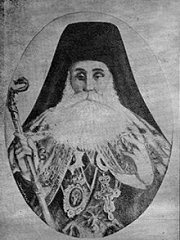
Anthimus VI of Constantinople
1782 - 1877
HPI: 60.12
Miejsce: 2,121
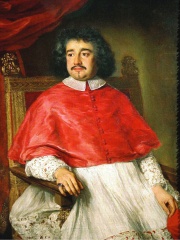
Flavio Chigi
1631 - 1693
HPI: 60.12
Miejsce: 2,122
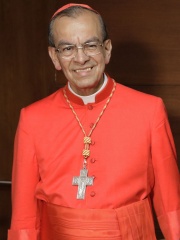
Gregorio Rosa Chávez
1942 - obecnie
HPI: 60.10
Miejsce: 2,123
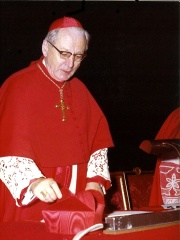
Bernardus Johannes Alfrink
1900 - 1987
HPI: 60.10
Miejsce: 2,124
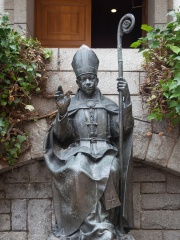
Juan Benlloch i Vivó
1864 - 1926
HPI: 60.09
Miejsce: 2,125
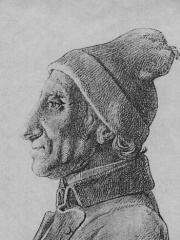
J. F. Oberlin
1740 - 1826
HPI: 60.09
Miejsce: 2,126
Ignatius Aphrem II
1965 - obecnie
HPI: 60.08
Miejsce: 2,127
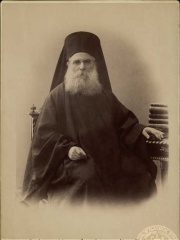
Constantine V of Constantinople
1833 - 1914
HPI: 60.08
Miejsce: 2,128
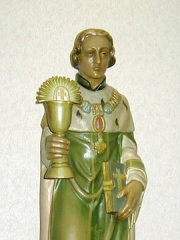
Clodoald
524 - 560
HPI: 60.07
Miejsce: 2,129
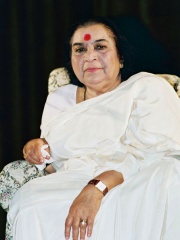
Nirmala Srivastava
1923 - 2011
HPI: 60.07
Miejsce: 2,130
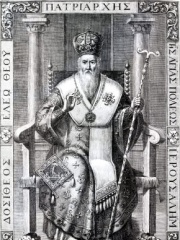
Dositheus II of Jerusalem
1641 - 1707
HPI: 60.05
Miejsce: 2,131
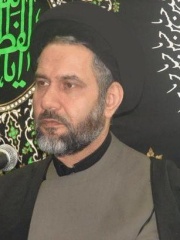
Reza Hosseini Nassab
1960 - obecnie
HPI: 60.05
Miejsce: 2,132
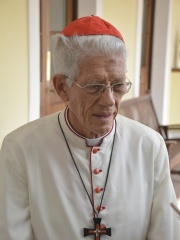
Maurice Piat
1941 - obecnie
HPI: 60.05
Miejsce: 2,133

Współcześni
Wśród osób urodzonych w 1965 roku Ignatius Aphrem II zajmuje 123. miejsce. Przed nim są Tom Tykwer, Gavin Rossdale, Karl-Heinz Riedle, Eddie Irvine, William Zabka, i David Barnea. Po nim są Jon Cryer, Kyra Sedgwick, Svetlana Medvedeva, Mario Lemieux, Robert Bilott, i Marlee Matlin.
Inne osoby urodzone w 1965 roku
Zobacz wszystkie rankingi
Tom Tykwer
FILM DIRECTOR
1965 - obecnie
HPI: 60.43
Miejsce: 117

Gavin Rossdale
ACTOR
1965 - obecnie
HPI: 60.39
Miejsce: 118
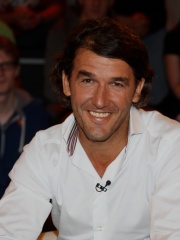
Karl-Heinz Riedle
SOCCER PLAYER
1965 - obecnie
HPI: 60.39
Miejsce: 119

Eddie Irvine
RACING DRIVER
1965 - obecnie
HPI: 60.32
Miejsce: 120
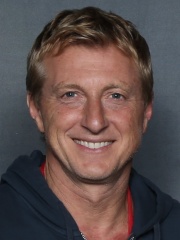
William Zabka
ACTOR
1965 - obecnie
HPI: 60.20
Miejsce: 121
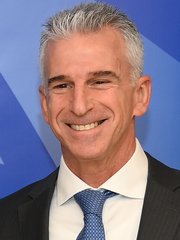
David Barnea
MILITARY PERSONNEL
1965 - obecnie
HPI: 60.13
Miejsce: 122
Ignatius Aphrem II
RELIGIOUS FIGURE
1965 - obecnie
HPI: 60.08
Miejsce: 123

Jon Cryer
ACTOR
1965 - obecnie
HPI: 60.06
Miejsce: 124
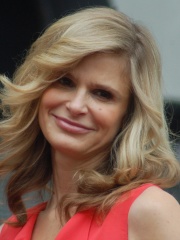
Kyra Sedgwick
ACTOR
1965 - obecnie
HPI: 60.05
Miejsce: 125
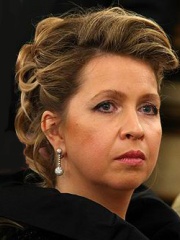
Svetlana Medvedeva
POLITICIAN
1965 - obecnie
HPI: 60.04
Miejsce: 126

Mario Lemieux
HOCKEY PLAYER
1965 - obecnie
HPI: 60.02
Miejsce: 127
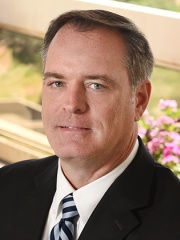
Robert Bilott
LAWYER
1965 - obecnie
HPI: 59.96
Miejsce: 128

Marlee Matlin
ACTOR
1965 - obecnie
HPI: 59.95
Miejsce: 129
W kraju Syria
Wśród osób urodzonych w kraju Syria Ignatius Aphrem II zajmuje 140. miejsce na NaN. Przed nim są Ibn Abi Usaibia (1204), Khalid Bakdash (1912), Hayır Bey (1464), Maryana Marrash (1848), Ibn al-Qalanisi (1073), i Antiochus Hierax (-266). Po nim są Cosmas of Maiuma (675), Aram Tigran (1934), Alopen (600), Salim Idris (1957), Muhammad Zaidan (1948), i Ghada al-Samman (1942).
Inne osoby urodzone w kraju Syria
Zobacz wszystkie rankingi
Ibn Abi Usaibia
PHYSICIAN
1204 - 1269
HPI: 60.96
Miejsce: 134

Khalid Bakdash
POLITICIAN
1912 - 1995
HPI: 60.66
Miejsce: 135
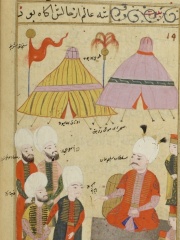
Hayır Bey
POLITICIAN
1464 - 1522
HPI: 60.66
Miejsce: 136
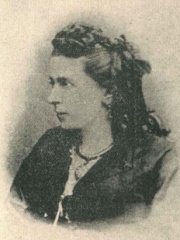
Maryana Marrash
WRITER
1848 - 1919
HPI: 60.55
Miejsce: 137

Ibn al-Qalanisi
POLITICIAN
1073 - 1160
HPI: 60.51
Miejsce: 138
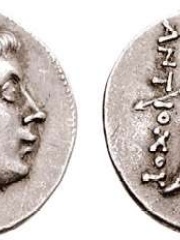
Antiochus Hierax
POLITICIAN
266 BC - 226 BC
HPI: 60.19
Miejsce: 139
Ignatius Aphrem II
RELIGIOUS FIGURE
1965 - obecnie
HPI: 60.08
Miejsce: 140
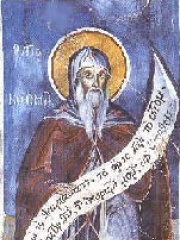
Cosmas of Maiuma
RELIGIOUS FIGURE
675 - 760
HPI: 59.94
Miejsce: 141
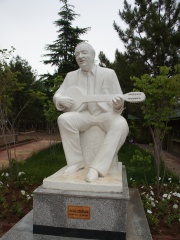
Aram Tigran
SINGER
1934 - 2009
HPI: 59.84
Miejsce: 142
Alopen
POLITICIAN
600 - obecnie
HPI: 59.76
Miejsce: 143
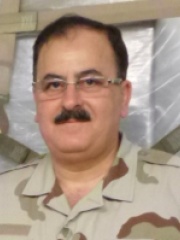
Salim Idris
POLITICIAN
1957 - obecnie
HPI: 59.73
Miejsce: 144
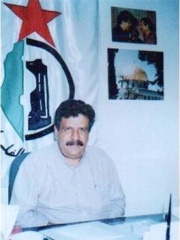
Muhammad Zaidan
SOCIAL ACTIVIST
1948 - 2004
HPI: 59.53
Miejsce: 145
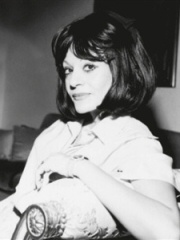
Ghada al-Samman
WRITER
1942 - obecnie
HPI: 59.49
Miejsce: 146
Wśród przedstawicieli zawodu Postać religijna w kraju Syria
Wśród przedstawicieli zawodu „Postać religijna” urodzonych w kraju Syria Ignatius Aphrem II zajmuje 20. miejsce. Przed nim są John X of Antioch (1955), Eulogius of Alexandria (501), Ibn Asakir (1105), Gregory III Laham (1933), Ignatius Moses I Daoud (1930), i Ignatius Joseph III Yonan (1944). Po nim są Cosmas of Maiuma (675), Hilarion Capucci (1922), Ibas of Edessa (400), Shah Nimatullah Wali (1330), Maximos IV Sayegh (1878), i Abu Mohammad al-Adnani (1977).
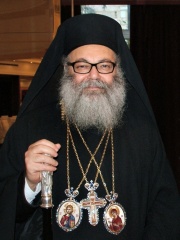
John X of Antioch
1955 - obecnie
HPI: 63.92
Miejsce: 14
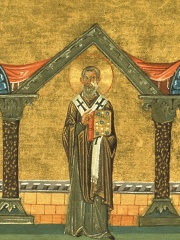
Eulogius of Alexandria
501 - 608
HPI: 63.89
Miejsce: 15

Ibn Asakir
1105 - 1176
HPI: 63.08
Miejsce: 16
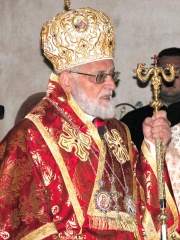
Gregory III Laham
1933 - obecnie
HPI: 63.03
Miejsce: 17

Ignatius Moses I Daoud
1930 - 2012
HPI: 62.37
Miejsce: 18
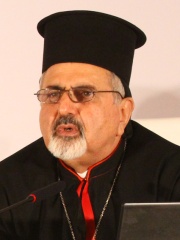
Ignatius Joseph III Yonan
1944 - obecnie
HPI: 61.18
Miejsce: 19
Ignatius Aphrem II
1965 - obecnie
HPI: 60.08
Miejsce: 20
Cosmas of Maiuma
675 - 760
HPI: 59.94
Miejsce: 21
Hilarion Capucci
1922 - 2017
HPI: 59.09
Miejsce: 22

Ibas of Edessa
400 - 457
HPI: 57.89
Miejsce: 23

Shah Nimatullah Wali
1330 - 1429
HPI: 55.73
Miejsce: 24

Maximos IV Sayegh
1878 - 1967
HPI: 54.40
Miejsce: 25

Abu Mohammad al-Adnani
1977 - 2016
HPI: 54.06
Miejsce: 26




