Pisarz
Franz Xaver Kroetz
1946 - obecnie
WYŚWIETLENIA PL.WIKIPEDIA (PV)

 Franz Xaver Kroetz
Jego biografia jest dostępna w 19 różnych językach w Wikipedii. Franz Xaver Kroetz jest 5699. najpopularniejszym pisarz (spadek z 5230. w 2024 roku), 5192. najpopularniejszą biografią Niemcy (spadek z 4846. w 2019 roku) oraz 328. najpopularniejszym pisarz Niemcy.
Wskaźniki rozpoznawalności
140k
Wyświetlenia strony
Ostatnie 12 miesięcy
53.85
HPI
Indeks historycznej popularności
Wyświetlenia strony Franz Xaver Kroetz według języka
Wśród przedstawicieli zawodu Pisarz
Wśród przedstawicieli zawodu „Pisarz” Franz Xaver Kroetz zajmuje 5,699. miejsce na 7,302. Przed nim są C. L. R. James, David Peoples, Kate Wilhelm, John Masefield, Fran Saleški Finžgar, i Charles Montagu Doughty. Po nim są Walter de la Mare, Kazimierz Brandys, Cesário Verde, Adolf Bartels, Miron Białoszewski, i Grace Paley.
Najpopularniejsi w Wikipedii: Pisarz
Zobacz wszystkie rankingi
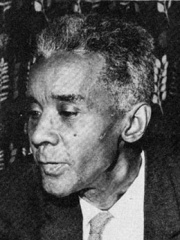
C. L. R. James
1901 - 1989
HPI: 53.88
Miejsce: 5,693

David Peoples
1940 - obecnie
HPI: 53.87
Miejsce: 5,694

Kate Wilhelm
1928 - 2018
HPI: 53.87
Miejsce: 5,695
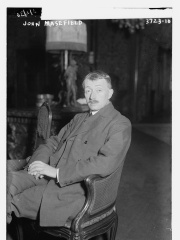
John Masefield
1878 - 1967
HPI: 53.85
Miejsce: 5,696
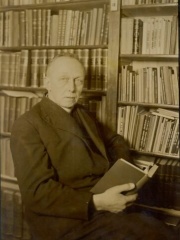
Fran Saleški Finžgar
1871 - 1962
HPI: 53.85
Miejsce: 5,697
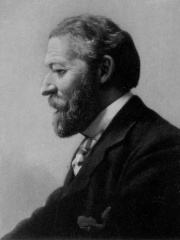
Charles Montagu Doughty
1843 - 1926
HPI: 53.85
Miejsce: 5,698
Franz Xaver Kroetz
1946 - obecnie
HPI: 53.85
Miejsce: 5,699
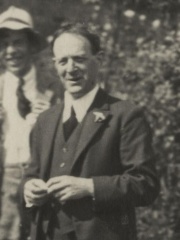
Walter de la Mare
1873 - 1956
HPI: 53.84
Miejsce: 5,700
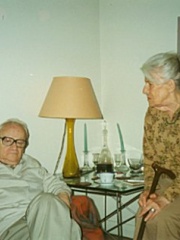
Kazimierz Brandys
1916 - 2000
HPI: 53.84
Miejsce: 5,701
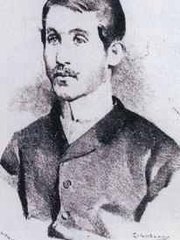
Cesário Verde
1855 - 1886
HPI: 53.84
Miejsce: 5,702
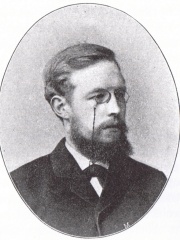
Adolf Bartels
1862 - 1945
HPI: 53.84
Miejsce: 5,703
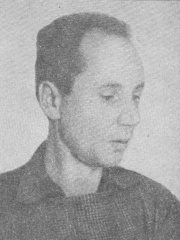
Miron Białoszewski
1922 - 1983
HPI: 53.83
Miejsce: 5,704
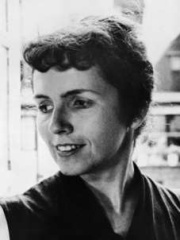
Grace Paley
1922 - 2007
HPI: 53.83
Miejsce: 5,705

Współcześni
Wśród osób urodzonych w 1946 roku Franz Xaver Kroetz zajmuje 650. miejsce. Przed nim są Franco Malerba, John Urry, Valdomiro, Ram Vilas Paswan, Giulio Terzi di Sant'Agata, i Mordehai Milgrom. Po nim są Aruna Irani, Igor Starygin, Robert Hue, Eduard Novák, Terry Kath, i Bernard Lavilliers.
Inne osoby urodzone w 1946 roku
Zobacz wszystkie rankingi
Franco Malerba
ASTRONAUT
1946 - obecnie
HPI: 53.99
Miejsce: 644
John Urry
SOCIOLOGIST
1946 - 2016
HPI: 53.97
Miejsce: 645
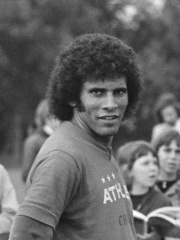
Valdomiro
SOCCER PLAYER
1946 - obecnie
HPI: 53.97
Miejsce: 646
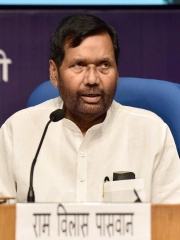
Ram Vilas Paswan
POLITICIAN
1946 - 2020
HPI: 53.95
Miejsce: 647
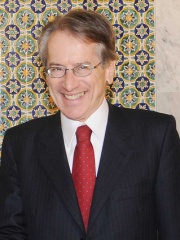
Giulio Terzi di Sant'Agata
POLITICIAN
1946 - obecnie
HPI: 53.91
Miejsce: 648
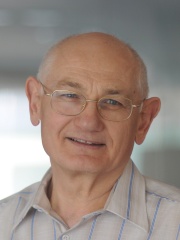
Mordehai Milgrom
PHYSICIST
1946 - obecnie
HPI: 53.90
Miejsce: 649
Franz Xaver Kroetz
WRITER
1946 - obecnie
HPI: 53.85
Miejsce: 650
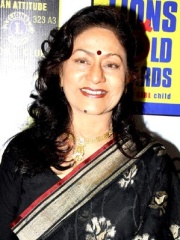
Aruna Irani
ACTOR
1946 - obecnie
HPI: 53.81
Miejsce: 651
Igor Starygin
ACTOR
1946 - 2009
HPI: 53.81
Miejsce: 652
Robert Hue
POLITICIAN
1946 - obecnie
HPI: 53.81
Miejsce: 653

Eduard Novák
POLITICIAN
1946 - 2010
HPI: 53.79
Miejsce: 654
Terry Kath
MUSICIAN
1946 - 1978
HPI: 53.75
Miejsce: 655

Bernard Lavilliers
SINGER
1946 - obecnie
HPI: 53.75
Miejsce: 656
W kraju Niemcy
Wśród osób urodzonych w kraju Niemcy Franz Xaver Kroetz zajmuje 5,192. miejsce na NaN. Przed nim są Curt Backeberg (1894), Katerina Tikhonova (1986), Karl Friedrich August Rammelsberg (1813), Margot Eskens (1936), Karl-Theodor zu Guttenberg (1971), i Ernst Krebs (1906). Po nim są Joy Fleming (1944), Matthias Reim (1957), Martha Genenger (1911), Hanns Kräly (1884), Rainer Zitelmann (1957), i Max Lorenz (1939).
Inne osoby urodzone w kraju Niemcy
Zobacz wszystkie rankingi
Curt Backeberg
BIOLOGIST
1894 - 1966
HPI: 53.88
Miejsce: 5,186

Katerina Tikhonova
BUSINESSPERSON
1986 - obecnie
HPI: 53.87
Miejsce: 5,187
Karl Friedrich August Rammelsberg
CHEMIST
1813 - 1899
HPI: 53.87
Miejsce: 5,188
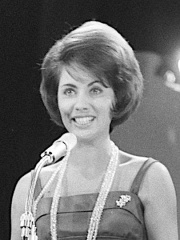
Margot Eskens
SINGER
1936 - 2022
HPI: 53.87
Miejsce: 5,189

Karl-Theodor zu Guttenberg
POLITICIAN
1971 - obecnie
HPI: 53.85
Miejsce: 5,190
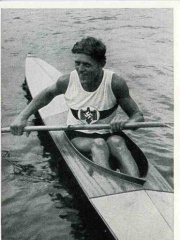
Ernst Krebs
ATHLETE
1906 - 1970
HPI: 53.85
Miejsce: 5,191
Franz Xaver Kroetz
WRITER
1946 - obecnie
HPI: 53.85
Miejsce: 5,192
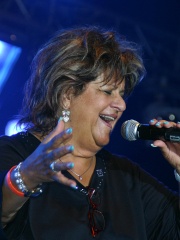
Joy Fleming
SINGER
1944 - 2017
HPI: 53.85
Miejsce: 5,193

Matthias Reim
MUSICIAN
1957 - obecnie
HPI: 53.85
Miejsce: 5,194
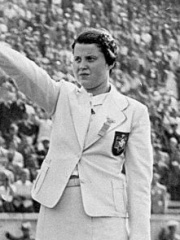
Martha Genenger
ATHLETE
1911 - 1995
HPI: 53.84
Miejsce: 5,195

Hanns Kräly
ACTOR
1884 - 1950
HPI: 53.84
Miejsce: 5,196

Rainer Zitelmann
HISTORIAN
1957 - obecnie
HPI: 53.84
Miejsce: 5,197
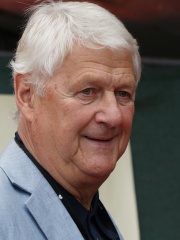
Max Lorenz
SOCCER PLAYER
1939 - 2025
HPI: 53.84
Miejsce: 5,198
Wśród przedstawicieli zawodu Pisarz w kraju Niemcy
Wśród przedstawicieli zawodu „Pisarz” urodzonych w kraju Niemcy Franz Xaver Kroetz zajmuje 328. miejsce. Przed nim są Günter de Bruyn (1926), Gorch Fock (1880), Fredric Wertham (1895), Irmtraud Morgner (1933), Karl Leberecht Immermann (1796), i Ludwig Ganghofer (1855). Po nim są Adolf Bartels (1862), H. A. Rey (1898), Erwin Strittmatter (1912), Horst Faas (1933), Wilhelm Genazino (1943), i Timur Vermes (1967).
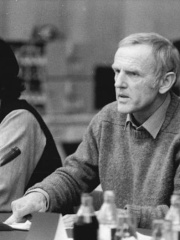
Günter de Bruyn
1926 - 2020
HPI: 54.25
Miejsce: 322
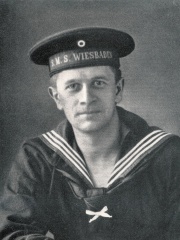
Gorch Fock
1880 - 1916
HPI: 54.25
Miejsce: 323
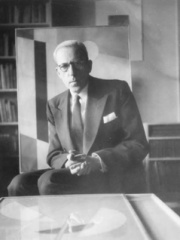
Fredric Wertham
1895 - 1981
HPI: 54.19
Miejsce: 324
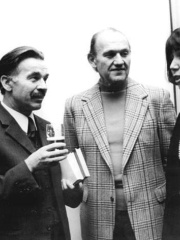
Irmtraud Morgner
1933 - 1990
HPI: 54.18
Miejsce: 325

Karl Leberecht Immermann
1796 - 1840
HPI: 54.04
Miejsce: 326
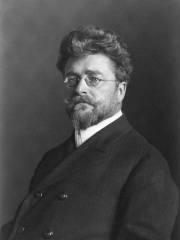
Ludwig Ganghofer
1855 - 1920
HPI: 53.99
Miejsce: 327
Franz Xaver Kroetz
1946 - obecnie
HPI: 53.85
Miejsce: 328
Adolf Bartels
1862 - 1945
HPI: 53.84
Miejsce: 329
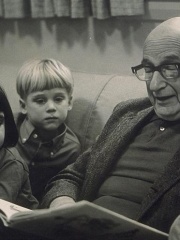
H. A. Rey
1898 - 1977
HPI: 53.69
Miejsce: 330
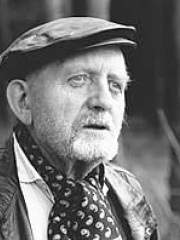
Erwin Strittmatter
1912 - 1994
HPI: 53.64
Miejsce: 331
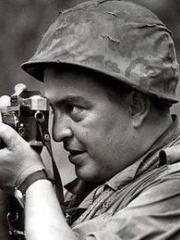
Horst Faas
1933 - 2012
HPI: 53.64
Miejsce: 332
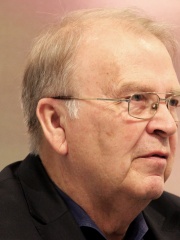
Wilhelm Genazino
1943 - 2018
HPI: 53.58
Miejsce: 333
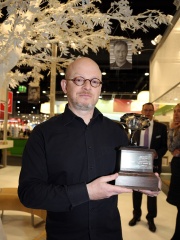
Timur Vermes
1967 - obecnie
HPI: 53.57
Miejsce: 334




