Postać religijna
Felix of Nola
300 - 313
WYŚWIETLENIA PL.WIKIPEDIA (PV)
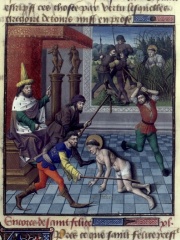
 Felix of Nola
Jego biografia jest dostępna w 19 różnych językach w Wikipedii (wzrost z 18 w 2024 roku). Felix of Nola jest 1766. najpopularniejszym postać religijna (spadek z 1489. w 2024 roku), 2330. najpopularniejszą biografią Włochy (spadek z 2154. w 2019 roku) oraz 423. najpopularniejszym postać religijna Włochy.
Wskaźniki rozpoznawalności
26k
Wyświetlenia strony
Ostatnie 12 miesięcy
61.96
HPI
Indeks historycznej popularności
Ciekawostki z danych
19
Biografia postaci Felix of Nola obejmuje 19 wersji językowych Wikipedii, a jej Historyczny Indeks Popularności wynosi 61.96.
Wyświetlenia strony Felix of Nola według języka
Wśród przedstawicieli zawodu Postać religijna
Wśród przedstawicieli zawodu „Postać religijna” Felix of Nola zajmuje 1,766. miejsce na 3,189. Przed nim są Alexander of Bergamo, Willibald, Soga no Umako, Antonio Caggiano, Josef Frings, i Leo Joseph Suenens. Po nim są Gabriel Zubeir Wako, Saint Homobonus, Judoc, Andrey Sheptytsky, William Wakefield Baum, i Arturo Sosa.
Najpopularniejsi w Wikipedii: Postać religijna
Zobacz wszystkie rankingi
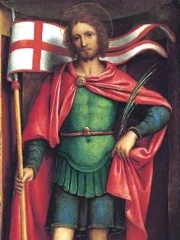
Alexander of Bergamo
201 - 303
HPI: 62.00
Miejsce: 1,760
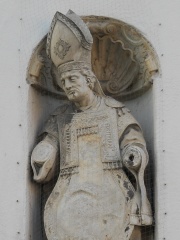
Willibald
700 - 787
HPI: 61.99
Miejsce: 1,761

Soga no Umako
551 - 626
HPI: 61.98
Miejsce: 1,762

Antonio Caggiano
1889 - 1979
HPI: 61.98
Miejsce: 1,763
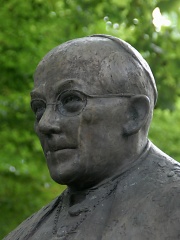
Josef Frings
1887 - 1978
HPI: 61.97
Miejsce: 1,764
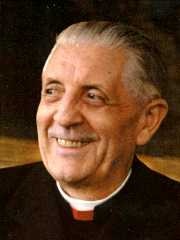
Leo Joseph Suenens
1904 - 1996
HPI: 61.97
Miejsce: 1,765
Felix of Nola
300 - 313
HPI: 61.96
Miejsce: 1,766
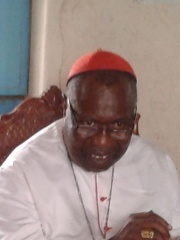
Gabriel Zubeir Wako
1941 - obecnie
HPI: 61.96
Miejsce: 1,767
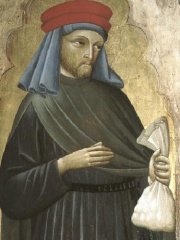
Saint Homobonus
1117 - 1197
HPI: 61.96
Miejsce: 1,768
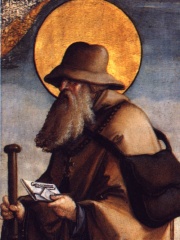
Judoc
600 - 668
HPI: 61.96
Miejsce: 1,769
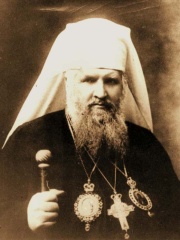
Andrey Sheptytsky
1865 - 1944
HPI: 61.95
Miejsce: 1,770
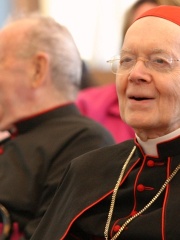
William Wakefield Baum
1926 - 2015
HPI: 61.95
Miejsce: 1,771
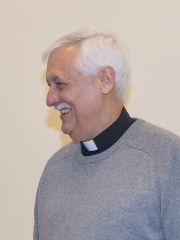
Arturo Sosa
1948 - obecnie
HPI: 61.93
Miejsce: 1,772

Współcześni
Wśród osób urodzonych w 300 roku Felix of Nola zajmuje 49. miejsce. Przed nim są Bonosus, Domitius Alexander, Victor Maurus, Ulpia Severina, Vetranio, i Quirinus of Sescia. Po nim są Kartir, Bongsang of Goguryeo, Quietus, Saint Alban, Victor of Marseilles, i Ablabius. Wśród osób zmarłych w 313 roku Felix of Nola zajmuje 3. miejsce. Przed nim są Maximinus II, i Emperor Huai of Jin. Po nim jest Pope Achillas of Alexandria.
Inne osoby urodzone w 300 roku
Zobacz wszystkie rankingi
Bonosus
POLITICIAN
300 - 281
HPI: 62.70
Miejsce: 43
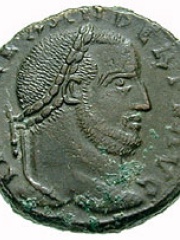
Domitius Alexander
POLITICIAN
300 - 309
HPI: 62.58
Miejsce: 44
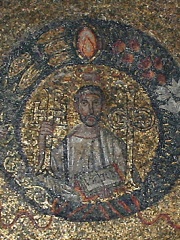
Victor Maurus
RELIGIOUS FIGURE
300 - 303
HPI: 62.58
Miejsce: 45
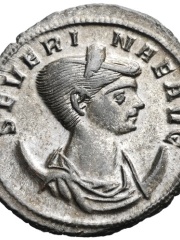
Ulpia Severina
POLITICIAN
300 - obecnie
HPI: 62.29
Miejsce: 46
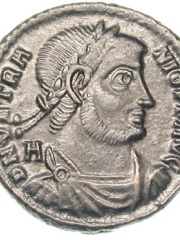
Vetranio
MILITARY PERSONNEL
300 - 356
HPI: 62.11
Miejsce: 47
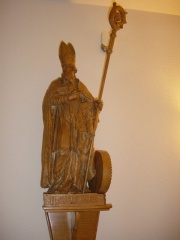
Quirinus of Sescia
RELIGIOUS FIGURE
300 - 309
HPI: 62.03
Miejsce: 48
Felix of Nola
RELIGIOUS FIGURE
300 - 313
HPI: 61.96
Miejsce: 49
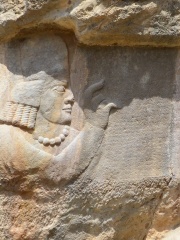
Kartir
RELIGIOUS FIGURE
300 - 300
HPI: 61.83
Miejsce: 50
Bongsang of Goguryeo
POLITICIAN
300 - 300
HPI: 61.78
Miejsce: 51
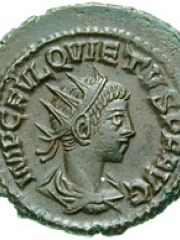
Quietus
POLITICIAN
300 - 261
HPI: 61.70
Miejsce: 52
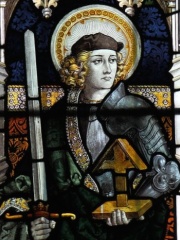
Saint Alban
RELIGIOUS FIGURE
300 - 305
HPI: 61.56
Miejsce: 53
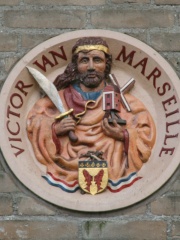
Victor of Marseilles
RELIGIOUS FIGURE
300 - 290
HPI: 61.51
Miejsce: 54

Ablabius
POLITICIAN
300 - 338
HPI: 61.05
Miejsce: 55
Inne osoby zmarłe w 313 roku
Zobacz wszystkie rankingi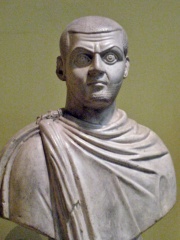
Maximinus II
POLITICIAN
270 - 313
HPI: 79.67
Miejsce: 1
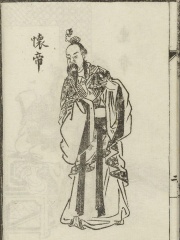
Emperor Huai of Jin
POLITICIAN
300 - 313
HPI: 65.87
Miejsce: 2
Felix of Nola
RELIGIOUS FIGURE
300 - 313
HPI: 61.96
Miejsce: 3

Pope Achillas of Alexandria
RELIGIOUS FIGURE
300 - 313
HPI: 58.86
Miejsce: 4
W kraju Włochy
Wśród osób urodzonych w kraju Włochy Felix of Nola zajmuje 2,330. miejsce na 5,905. Przed nim są Mino Raiola (1967), Louis, King of Sicily (1338), Lucilius Junior (6), William II, Duke of Apulia (1095), Giuseppe Terragni (1904), i Daniele Barbaro (1513). Po nim są Saint Homobonus (1117), Indro Montanelli (1909), Sophron (-500), Titus Flavius Sabinus (100), Ludwig Thuille (1861), i Archduke Rainer Ferdinand of Austria (1827).
Inne osoby urodzone w kraju Włochy
Zobacz wszystkie rankingi
Mino Raiola
BUSINESSPERSON
1967 - 2022
HPI: 61.99
Miejsce: 2,324

Louis, King of Sicily
POLITICIAN
1338 - 1355
HPI: 61.99
Miejsce: 2,325

Lucilius Junior
WRITER
6 - 100
HPI: 61.99
Miejsce: 2,326

William II, Duke of Apulia
POLITICIAN
1095 - 1127
HPI: 61.98
Miejsce: 2,327

Giuseppe Terragni
ARCHITECT
1904 - 1943
HPI: 61.97
Miejsce: 2,328
Daniele Barbaro
MATHEMATICIAN
1513 - 1570
HPI: 61.97
Miejsce: 2,329
Felix of Nola
RELIGIOUS FIGURE
300 - 313
HPI: 61.96
Miejsce: 2,330
Saint Homobonus
RELIGIOUS FIGURE
1117 - 1197
HPI: 61.96
Miejsce: 2,331
Indro Montanelli
WRITER
1909 - 2001
HPI: 61.96
Miejsce: 2,332

Sophron
WRITER
500 p.n.e. - 460 p.n.e.
HPI: 61.96
Miejsce: 2,333

Titus Flavius Sabinus
POLITICIAN
100 - 83
HPI: 61.95
Miejsce: 2,334
Ludwig Thuille
COMPOSER
1861 - 1907
HPI: 61.94
Miejsce: 2,335
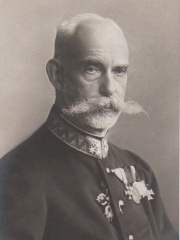
Archduke Rainer Ferdinand of Austria
POLITICIAN
1827 - 1913
HPI: 61.94
Miejsce: 2,336
Wśród przedstawicieli zawodu Postać religijna w kraju Włochy
Wśród przedstawicieli zawodu „Postać religijna” urodzonych w kraju Włochy Felix of Nola zajmuje 423. miejsce. Przed nim są Giuseppe Betori (1947), Teodolfo Mertel (1806), Gaspar del Bufalo (1786), Achille Silvestrini (1923), Pietro Riario (1447), i Alexander of Bergamo (201). Po nim są Saint Homobonus (1117), Antonio Barberini (1607), Giovanni Morone (1509), Antonio Maria Vegliò (1938), Emerentiana (250), i Marco Cé (1925).
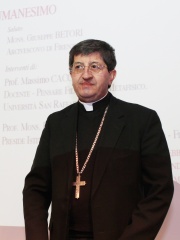
Giuseppe Betori
1947 - obecnie
HPI: 62.20
Miejsce: 417
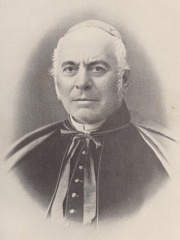
Teodolfo Mertel
1806 - 1899
HPI: 62.09
Miejsce: 418
Gaspar del Bufalo
1786 - 1837
HPI: 62.04
Miejsce: 419
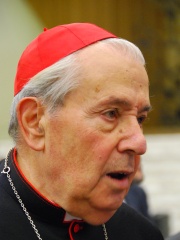
Achille Silvestrini
1923 - 2019
HPI: 62.03
Miejsce: 420
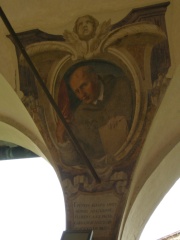
Pietro Riario
1447 - 1474
HPI: 62.02
Miejsce: 421
Alexander of Bergamo
201 - 303
HPI: 62.00
Miejsce: 422
Felix of Nola
300 - 313
HPI: 61.96
Miejsce: 423
Saint Homobonus
1117 - 1197
HPI: 61.96
Miejsce: 424
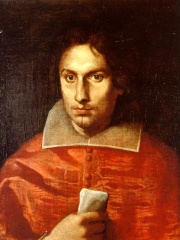
Antonio Barberini
1607 - 1671
HPI: 61.91
Miejsce: 425
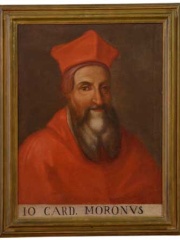
Giovanni Morone
1509 - 1580
HPI: 61.80
Miejsce: 426
Antonio Maria Vegliò
1938 - obecnie
HPI: 61.77
Miejsce: 427
Emerentiana
250 - 304
HPI: 61.70
Miejsce: 428
Marco Cé
1925 - 2014
HPI: 61.69
Miejsce: 429




