Polityk
Christian Lindner
1979 - obecnie
WYŚWIETLENIA PL.WIKIPEDIA (PV)
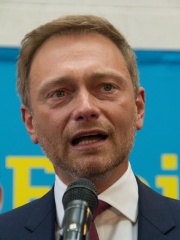

 Christian Lindner
Jego biografia jest dostępna w 40 różnych językach w Wikipedii (wzrost z 39 w 2024 roku). Christian Lindner jest 15155. najpopularniejszym polityk (wzrost z 16154. w 2024 roku), 4800. najpopularniejszą biografią Niemcy (wzrost z 5287. w 2019 roku) oraz 1199. najpopularniejszym polityk Niemcy.
Wskaźniki rozpoznawalności
370k
Wyświetlenia strony
Ostatnie 12 miesięcy
55.55
HPI
Indeks historycznej popularności
Ciekawostki z danych
40
Biografia postaci Christian Lindner występuje w 40 wersjach językowych Wikipedii — w większej liczbie niż u 83% wszystkich Polityk.
7 sty
Christian Lindner obchodzi urodziny tego samego dnia (7 stycznia) co Nicolas Cage, Bernadette Soubirous i Joseph Bonaparte.
Wyświetlenia strony Christian Lindner według języka
Wśród przedstawicieli zawodu Polityk
Wśród przedstawicieli zawodu „Polityk” Christian Lindner zajmuje 15,148. miejsce na 19,576. Przed nim są Ylli Bufi, Zenón Noriega Agüero, Gary Locke, Mary Arthur McElroy, Ali Tarhouni, i John J. Sullivan. Po nim są Pany Yathotou, Ali Al-Naimi, Miguel Uribe Turbay, Paul Keating, Abel Goumba, i Steponas Kairys.
Najpopularniejsi w Wikipedii: Polityk
Zobacz wszystkie rankingi
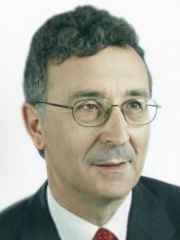
Ylli Bufi
1948 - obecnie
HPI: 55.56
Miejsce: 15,149
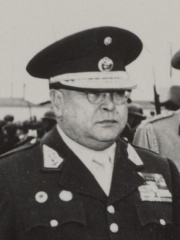
Zenón Noriega Agüero
1900 - 1957
HPI: 55.56
Miejsce: 15,150
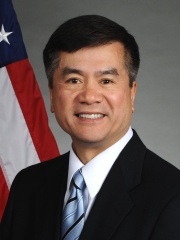
Gary Locke
1950 - obecnie
HPI: 55.56
Miejsce: 15,151
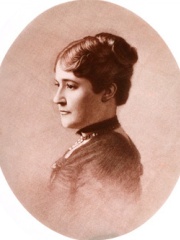
Mary Arthur McElroy
1841 - 1917
HPI: 55.55
Miejsce: 15,152

Ali Tarhouni
1951 - obecnie
HPI: 55.55
Miejsce: 15,153
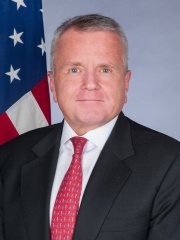
John J. Sullivan
1959 - obecnie
HPI: 55.55
Miejsce: 15,154
Christian Lindner
1979 - obecnie
HPI: 55.55
Miejsce: 15,155

Pany Yathotou
1951 - obecnie
HPI: 55.55
Miejsce: 15,156
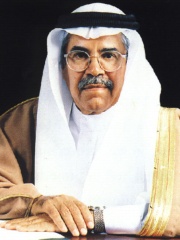
Ali Al-Naimi
1935 - obecnie
HPI: 55.55
Miejsce: 15,157

Miguel Uribe Turbay
1986 - 2025
HPI: 55.54
Miejsce: 15,158
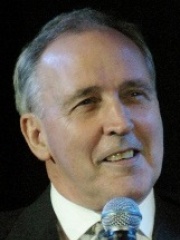
Paul Keating
1944 - obecnie
HPI: 55.54
Miejsce: 15,159

Abel Goumba
1926 - 2009
HPI: 55.54
Miejsce: 15,160
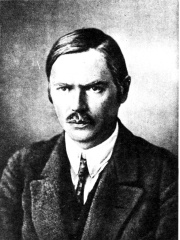
Steponas Kairys
1879 - 1964
HPI: 55.54
Miejsce: 15,161

Współcześni
Wśród osób urodzonych w 1979 roku Christian Lindner zajmuje 119. miejsce. Przed nim są Dmitry Glukhovsky, Gintautas Paluckas, Lee Hyori, Jessica Jaymes, Juan, i Ludivine Sagnier. Po nim są Cote de Pablo, André Holland, Gabri García, Tim Howard, Mariusz Lewandowski, i Ivan Ljubičić.
Inne osoby urodzone w 1979 roku
Zobacz wszystkie rankingi
Dmitry Glukhovsky
WRITER
1979 - obecnie
HPI: 55.81
Miejsce: 113
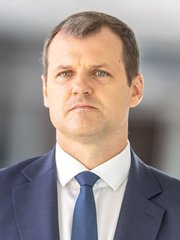
Gintautas Paluckas
POLITICIAN
1979 - obecnie
HPI: 55.77
Miejsce: 114

Lee Hyori
SINGER
1979 - obecnie
HPI: 55.75
Miejsce: 115

Jessica Jaymes
PORNOGRAPHIC ACTOR
1979 - 2019
HPI: 55.70
Miejsce: 116
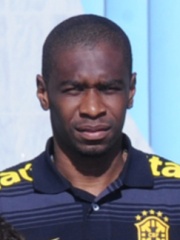
Juan
SOCCER PLAYER
1979 - obecnie
HPI: 55.68
Miejsce: 117

Ludivine Sagnier
ACTOR
1979 - obecnie
HPI: 55.57
Miejsce: 118
Christian Lindner
POLITICIAN
1979 - obecnie
HPI: 55.55
Miejsce: 119
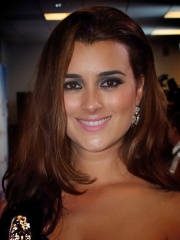
Cote de Pablo
ACTOR
1979 - obecnie
HPI: 55.52
Miejsce: 120
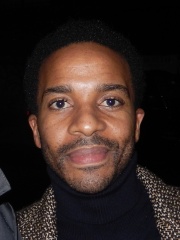
André Holland
ACTOR
1979 - obecnie
HPI: 55.48
Miejsce: 121

Gabri García
SOCCER PLAYER
1979 - obecnie
HPI: 55.41
Miejsce: 122
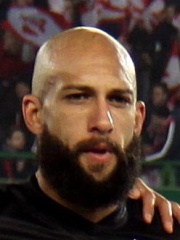
Tim Howard
SOCCER PLAYER
1979 - obecnie
HPI: 55.39
Miejsce: 123

Mariusz Lewandowski
SOCCER PLAYER
1979 - obecnie
HPI: 55.29
Miejsce: 124

Ivan Ljubičić
TENNIS PLAYER
1979 - obecnie
HPI: 55.27
Miejsce: 125
W kraju Niemcy
Wśród osób urodzonych w kraju Niemcy Christian Lindner zajmuje 4,800. miejsce na 7,253. Przed nim są Georg Friedrich von Martens (1756), Peter Baltes (1958), Hermann Volk (1903), Friedrich von Scholtz (1851), Moritz Bleibtreu (1971), i Tilo Prückner (1940). Po nim są Melchior von Diepenbrock (1798), Sabine Meyer (1959), Walter Kempowski (1929), Jamal Musiala (2003), Helene Lange (1848), i Carl Friedrich Wilhelm Claus (1835).
Inne osoby urodzone w kraju Niemcy
Zobacz wszystkie rankingi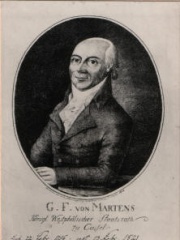
Georg Friedrich von Martens
POLITICIAN
1756 - 1821
HPI: 55.59
Miejsce: 4,794

Peter Baltes
MUSICIAN
1958 - obecnie
HPI: 55.59
Miejsce: 4,795
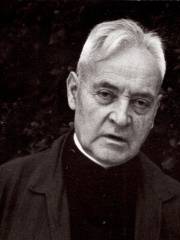
Hermann Volk
RELIGIOUS FIGURE
1903 - 1988
HPI: 55.57
Miejsce: 4,796
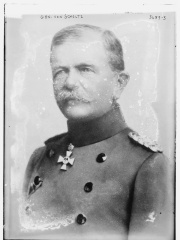
Friedrich von Scholtz
MILITARY PERSONNEL
1851 - 1927
HPI: 55.57
Miejsce: 4,797
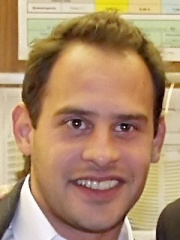
Moritz Bleibtreu
ACTOR
1971 - obecnie
HPI: 55.57
Miejsce: 4,798
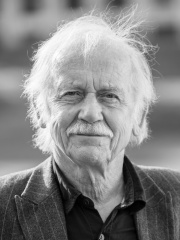
Tilo Prückner
ACTOR
1940 - 2020
HPI: 55.56
Miejsce: 4,799
Christian Lindner
POLITICIAN
1979 - obecnie
HPI: 55.55
Miejsce: 4,800
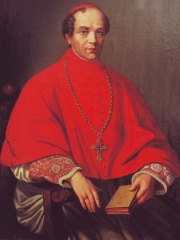
Melchior von Diepenbrock
RELIGIOUS FIGURE
1798 - 1853
HPI: 55.55
Miejsce: 4,801
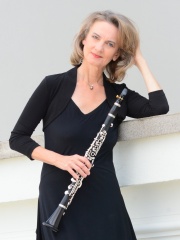
Sabine Meyer
MUSICIAN
1959 - obecnie
HPI: 55.54
Miejsce: 4,802
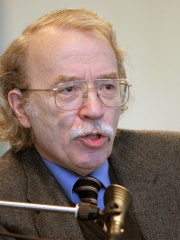
Walter Kempowski
WRITER
1929 - 2007
HPI: 55.54
Miejsce: 4,803

Jamal Musiala
SOCCER PLAYER
2003 - obecnie
HPI: 55.53
Miejsce: 4,804
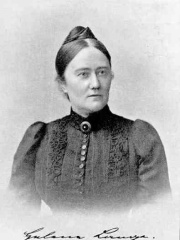
Helene Lange
POLITICIAN
1848 - 1930
HPI: 55.53
Miejsce: 4,805
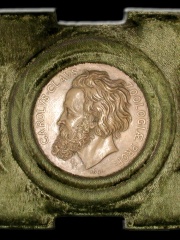
Carl Friedrich Wilhelm Claus
BIOLOGIST
1835 - 1899
HPI: 55.53
Miejsce: 4,806
Wśród przedstawicieli zawodu Polityk w kraju Niemcy
Wśród przedstawicieli zawodu „Polityk” urodzonych w kraju Niemcy Christian Lindner zajmuje 1,199. miejsce. Przed nim są Haim Katz (1947), Uwe Barschel (1944), Jürgen Möllemann (1945), Stef Wertheimer (1926), Claudia Roth (1955), i Georg Friedrich von Martens (1756). Po nim są Helene Lange (1848), Princess Marie of Hanover (1849), Paul Rudolf von Bilguer (1815), Klaus von Dohnanyi (1928), Ulrich Wehling (1952), i Julius Curtius (1877).
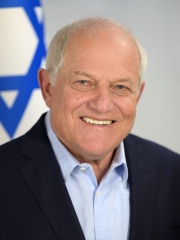
Haim Katz
1947 - obecnie
HPI: 55.90
Miejsce: 1,193
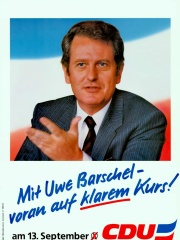
Uwe Barschel
1944 - 1987
HPI: 55.75
Miejsce: 1,194
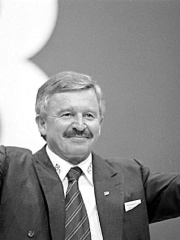
Jürgen Möllemann
1945 - 2003
HPI: 55.71
Miejsce: 1,195
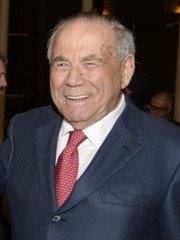
Stef Wertheimer
1926 - 2025
HPI: 55.69
Miejsce: 1,196
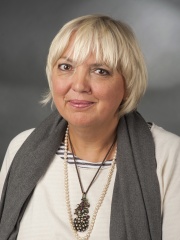
Claudia Roth
1955 - obecnie
HPI: 55.66
Miejsce: 1,197
Georg Friedrich von Martens
1756 - 1821
HPI: 55.59
Miejsce: 1,198
Christian Lindner
1979 - obecnie
HPI: 55.55
Miejsce: 1,199
Helene Lange
1848 - 1930
HPI: 55.53
Miejsce: 1,200
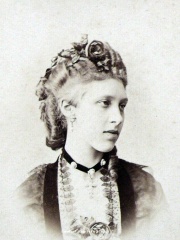
Princess Marie of Hanover
1849 - 1904
HPI: 55.46
Miejsce: 1,201
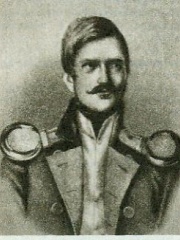
Paul Rudolf von Bilguer
1815 - 1840
HPI: 55.45
Miejsce: 1,202
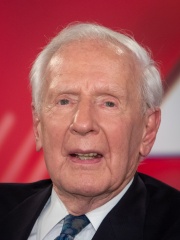
Klaus von Dohnanyi
1928 - obecnie
HPI: 55.44
Miejsce: 1,203
Ulrich Wehling
1952 - obecnie
HPI: 55.41
Miejsce: 1,204
Julius Curtius
1877 - 1948
HPI: 55.34
Miejsce: 1,205




