Polityk
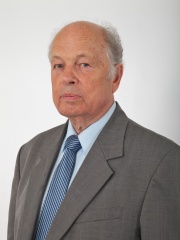
Alfrēds Rubiks
1935 - obecnie
WYŚWIETLENIA PL.WIKIPEDIA (PV)
 Alfrēds Rubiks
Jego biografia jest dostępna w 18 różnych językach w Wikipedii. Alfrēds Rubiks jest 13282. najpopularniejszym polityk (wzrost z 13602. w 2024 roku), 120. najpopularniejszą biografią Łotwa (wzrost z 126. w 2019 roku) oraz 34. najpopularniejszym polityk Łotwa.
Wskaźniki rozpoznawalności
19k
Wyświetlenia strony
Ostatnie 12 miesięcy
58.00
HPI
Indeks historycznej popularności
Wyświetlenia strony Alfrēds Rubiks według języka
Wśród przedstawicieli zawodu Polityk
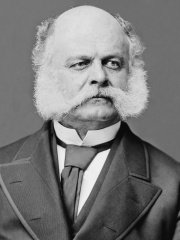
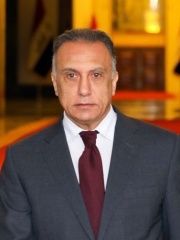
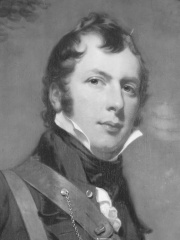
Wśród przedstawicieli zawodu „Polityk” Alfrēds Rubiks zajmuje 13,276. miejsce na 19,576. Przed nim są Ambrose Burnside, Phormio, Mustafa Al-Kadhimi, Gerrit Schimmelpenninck, Artatama II, i Fernando Romeo Lucas García. Po nim są Bryachislav of Polotsk, Carlo Contarini, Gus Hall, Ólafur Jóhannesson, Giovanni Gradenigo, i Jigme Thinley.
Najpopularniejsi w Wikipedii: Polityk
Zobacz wszystkie rankingi
Ambrose Burnside
1824 - 1881
HPI: 58.01
Miejsce: 13,276

Phormio
450 BC - 428 BC
HPI: 58.01
Miejsce: 13,277
Mustafa Al-Kadhimi
1967 - obecnie
HPI: 58.01
Miejsce: 13,278
Gerrit Schimmelpenninck
1794 - 1863
HPI: 58.01
Miejsce: 13,279

Artatama II
1400 BC - 1400 BC
HPI: 58.00
Miejsce: 13,280
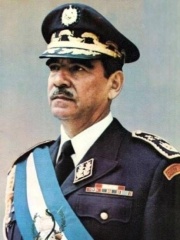
Fernando Romeo Lucas García
1924 - 2006
HPI: 58.00
Miejsce: 13,281
Alfrēds Rubiks
1935 - obecnie
HPI: 58.00
Miejsce: 13,282
Bryachislav of Polotsk
997 - 1044
HPI: 58.00
Miejsce: 13,283
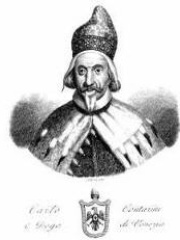
Carlo Contarini
1580 - 1656
HPI: 58.00
Miejsce: 13,284
Gus Hall
1910 - 2000
HPI: 58.00
Miejsce: 13,285
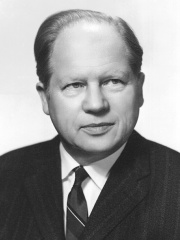
Ólafur Jóhannesson
1913 - 1984
HPI: 58.00
Miejsce: 13,286
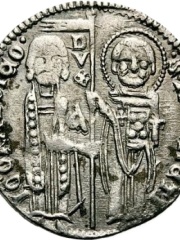
Giovanni Gradenigo
1273 - 1356
HPI: 58.00
Miejsce: 13,287
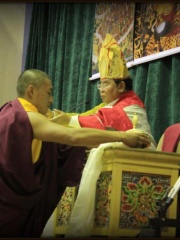
Jigme Thinley
1952 - obecnie
HPI: 58.00
Miejsce: 13,288

Współcześni
Wśród osób urodzonych w 1935 roku Alfrēds Rubiks zajmuje 270. miejsce. Przed nim są Laurent Terzieff, Andréa Parisy, Belinda Lee, Doug McClure, Vasyl Symonenko, i Valentin Gaft. Po nim są Syd Field, Rafer Johnson, Bernard Pivot, Robert Henry Lawrence Jr., Hrvoje Šarinić, i Hans-Jürgen Syberberg.
Inne osoby urodzone w 1935 roku
Zobacz wszystkie rankingi
Laurent Terzieff
ACTOR
1935 - 2010
HPI: 58.15
Miejsce: 264
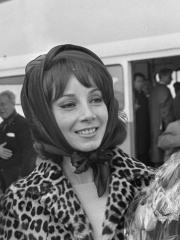
Andréa Parisy
ACTOR
1935 - 2014
HPI: 58.14
Miejsce: 265
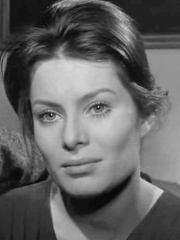
Belinda Lee
ACTOR
1935 - 1961
HPI: 58.08
Miejsce: 266
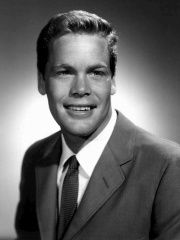
Doug McClure
ACTOR
1935 - 1995
HPI: 58.05
Miejsce: 267
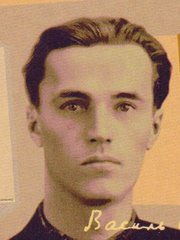
Vasyl Symonenko
WRITER
1935 - 1963
HPI: 58.02
Miejsce: 268
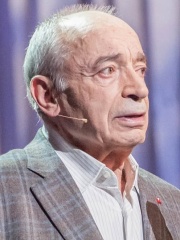
Valentin Gaft
ACTOR
1935 - 2020
HPI: 58.02
Miejsce: 269
Alfrēds Rubiks
POLITICIAN
1935 - obecnie
HPI: 58.00
Miejsce: 270
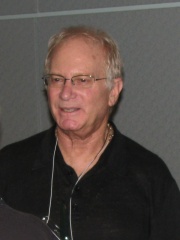
Syd Field
WRITER
1935 - 2013
HPI: 57.99
Miejsce: 271
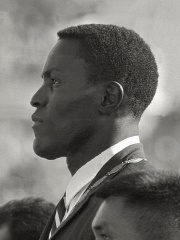
Rafer Johnson
ATHLETE
1935 - 2020
HPI: 57.96
Miejsce: 272
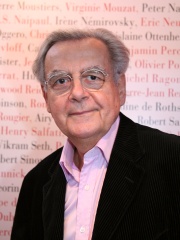
Bernard Pivot
JOURNALIST
1935 - 2024
HPI: 57.90
Miejsce: 273
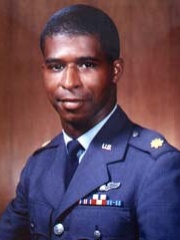
Robert Henry Lawrence Jr.
ASTRONAUT
1935 - 1967
HPI: 57.88
Miejsce: 274
Hrvoje Šarinić
POLITICIAN
1935 - 2017
HPI: 57.86
Miejsce: 275
Hans-Jürgen Syberberg
FILM DIRECTOR
1935 - obecnie
HPI: 57.81
Miejsce: 276
W kraju Łotwa
Wśród osób urodzonych w kraju Łotwa Alfrēds Rubiks zajmuje 120. miejsce na NaN. Przed nim są Duchess Elisabeth Alexandrine of Württemberg (1802), Heinz Christian Pander (1794), Elīna Garanča (1976), Johann Gerhard König (1728), Grzegorz Fitelberg (1879), i Jāzeps Vītols (1863). Po nim są Matvei Gedenshtrom (1780), Jānis Daliņš (1904), Hans-Diedrich von Tiesenhausen (1913), Anna Brigadere (1861), Anatoly Solovyev (1948), i Māris Kučinskis (1961).
Inne osoby urodzone w kraju Łotwa
Zobacz wszystkie rankingi
Duchess Elisabeth Alexandrine of Württemberg
NOBLEMAN
1802 - 1864
HPI: 58.21
Miejsce: 114
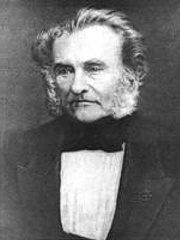
Heinz Christian Pander
BIOLOGIST
1794 - obecnie
HPI: 58.15
Miejsce: 115
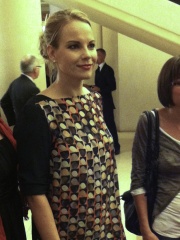
Elīna Garanča
SINGER
1976 - obecnie
HPI: 58.11
Miejsce: 116

Johann Gerhard König
BIOLOGIST
1728 - 1785
HPI: 58.09
Miejsce: 117
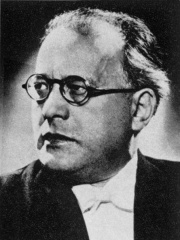
Grzegorz Fitelberg
CONDUCTOR
1879 - 1953
HPI: 58.03
Miejsce: 118
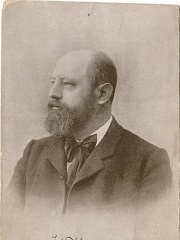
Jāzeps Vītols
COMPOSER
1863 - 1948
HPI: 58.03
Miejsce: 119
Alfrēds Rubiks
POLITICIAN
1935 - obecnie
HPI: 58.00
Miejsce: 120

Matvei Gedenshtrom
EXPLORER
1780 - 1845
HPI: 57.90
Miejsce: 121

Jānis Daliņš
ATHLETE
1904 - 1978
HPI: 57.73
Miejsce: 122
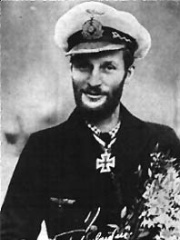
Hans-Diedrich von Tiesenhausen
MILITARY PERSONNEL
1913 - 2000
HPI: 57.63
Miejsce: 123

Anna Brigadere
WRITER
1861 - 1933
HPI: 57.57
Miejsce: 124
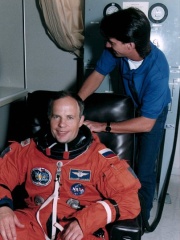
Anatoly Solovyev
ASTRONAUT
1948 - obecnie
HPI: 57.51
Miejsce: 125
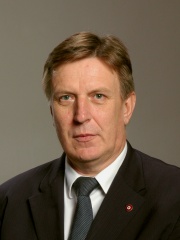
Māris Kučinskis
POLITICIAN
1961 - obecnie
HPI: 57.50
Miejsce: 126
Wśród przedstawicieli zawodu Polityk w kraju Łotwa
Wśród przedstawicieli zawodu „Polityk” urodzonych w kraju Łotwa Alfrēds Rubiks zajmuje 34. miejsce. Przed nim są Jānis K. Bērziņš (1889), Jānis Rudzutaks (1887), Anatolijs Gorbunovs (1942), Zigfrīds Anna Meierovics (1887), Arvīds Pelše (1899), i Andris Bērziņš (1951). Po nim są Māris Kučinskis (1961), Augusts Kirhenšteins (1872), Andris Piebalgs (1957), Helmuts Balderis (1952), Tatjana Ždanoka (1950), i Valdis Birkavs (1942).
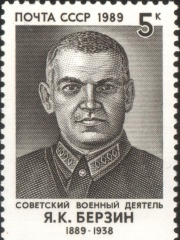
Jānis K. Bērziņš
1889 - 1938
HPI: 60.51
Miejsce: 28
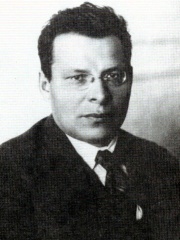
Jānis Rudzutaks
1887 - 1938
HPI: 59.24
Miejsce: 29
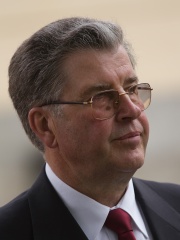
Anatolijs Gorbunovs
1942 - obecnie
HPI: 59.01
Miejsce: 30
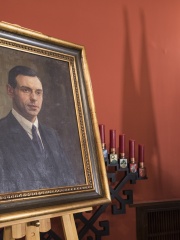
Zigfrīds Anna Meierovics
1887 - 1925
HPI: 58.47
Miejsce: 31
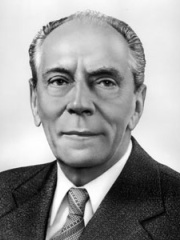
Arvīds Pelše
1899 - 1983
HPI: 58.30
Miejsce: 32
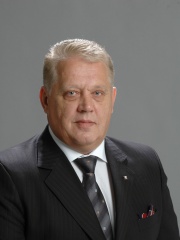
Andris Bērziņš
1951 - obecnie
HPI: 58.21
Miejsce: 33
Alfrēds Rubiks
1935 - obecnie
HPI: 58.00
Miejsce: 34
Māris Kučinskis
1961 - obecnie
HPI: 57.50
Miejsce: 35
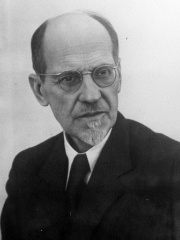
Augusts Kirhenšteins
1872 - 1963
HPI: 57.42
Miejsce: 36
Andris Piebalgs
1957 - obecnie
HPI: 57.35
Miejsce: 37
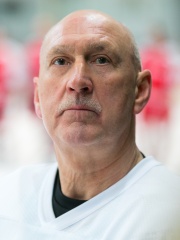
Helmuts Balderis
1952 - obecnie
HPI: 57.26
Miejsce: 38
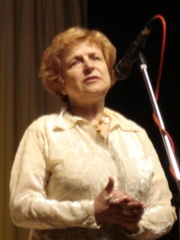
Tatjana Ždanoka
1950 - obecnie
HPI: 57.12
Miejsce: 39
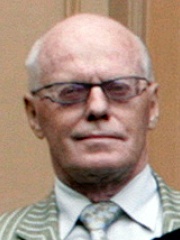
Valdis Birkavs
1942 - obecnie
HPI: 54.83
Miejsce: 40




