Voetballer
Vahid Talebloo
1982 - heden

 Vahid Talebloo
Zijn biografie is beschikbaar in 17 verschillende talen op Wikipedia (toegenomen van 16 in 2024). Vahid Talebloo staat op plaats 17.971 onder de meest populaire voetballer (gedaald van plaats 15.340 in 2024), plaats 687 onder de meest populaire biografieën uit Iran (gedaald van plaats 604 in 2019) en op plaats 85 onder de populairste voetballer uit Iran.
Bekendheidsstatistieken
19k
Paginaweergaven
Afgelopen 12 maanden
36.83
HPI
Historische populariteitsindex
Paginaweergaven van Vahid Talebloo per taal
Onder Voetballer
Onder Voetballer staat Vahid Talebloo op plaats 17,952 van 21,273. Vóór hem staan Yannick Cahuzac, Jovane Cabral, Carlos Lobatón, Abdullah Al-Hamdan, Jan Bořil, en Parvizdzhon Umarbayev. Na hem komen Rachid Alioui, Beto, Fabien Audard, Armando Obispo, Lionel Mathis, en Valērijs Šabala.
Populairste Voetballer op Wikipedia
Naar alle ranglijsten

Yannick Cahuzac
1985 - heden
HPI: 36.84
Plaats: 17,965

Jovane Cabral
1998 - heden
HPI: 36.84
Plaats: 17,966
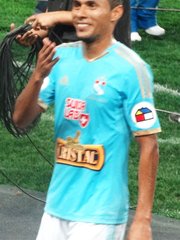
Carlos Lobatón
1980 - heden
HPI: 36.84
Plaats: 17,967

Abdullah Al-Hamdan
1999 - heden
HPI: 36.83
Plaats: 17,968

Jan Bořil
1991 - heden
HPI: 36.83
Plaats: 17,969

Parvizdzhon Umarbayev
1994 - heden
HPI: 36.83
Plaats: 17,970
Vahid Talebloo
1982 - heden
HPI: 36.83
Plaats: 17,971
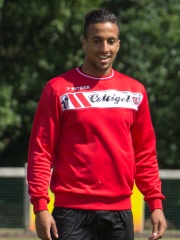
Rachid Alioui
1992 - heden
HPI: 36.83
Plaats: 17,972

Beto
1998 - heden
HPI: 36.83
Plaats: 17,973

Fabien Audard
1978 - heden
HPI: 36.82
Plaats: 17,974
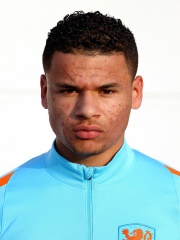
Armando Obispo
1999 - heden
HPI: 36.82
Plaats: 17,975
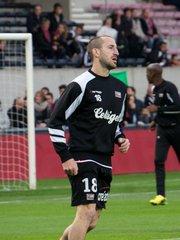
Lionel Mathis
1981 - heden
HPI: 36.82
Plaats: 17,976

Valērijs Šabala
1994 - heden
HPI: 36.82
Plaats: 17,977

Tijdgenoten
Onder de mensen geboren in 1982 staat Vahid Talebloo op plaats 1,447. Vóór hem staan Rui Tokisaki, Henry Fa'arodo, Lubov Volosova, Sebastián Pardo, Miłosz Bernatajtys, en Vanesa Amorós. Na hem komen Johan Wissman, Yoandri Betanzos, Aitor Hernández, Tomoya Kanamori, Yusuke Gondo, en Tam Nsaliwa.
Anderen geboren in 1982
Naar alle ranglijsten
Rui Tokisaki
SOCCER PLAYER
1982 - heden
HPI: 36.85
Plaats: 1,441
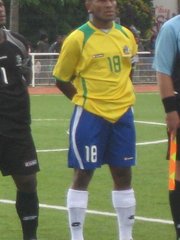
Henry Fa'arodo
SOCCER PLAYER
1982 - heden
HPI: 36.85
Plaats: 1,442
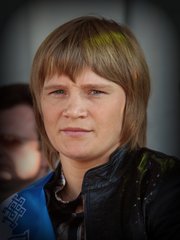
Lubov Volosova
WRESTLER
1982 - heden
HPI: 36.85
Plaats: 1,443

Sebastián Pardo
SOCCER PLAYER
1982 - heden
HPI: 36.85
Plaats: 1,444

Miłosz Bernatajtys
ATHLETE
1982 - heden
HPI: 36.84
Plaats: 1,445
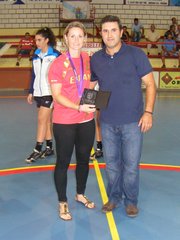
Vanesa Amorós
HANDBALL PLAYER
1982 - heden
HPI: 36.83
Plaats: 1,446
Vahid Talebloo
SOCCER PLAYER
1982 - heden
HPI: 36.83
Plaats: 1,447

Johan Wissman
ATHLETE
1982 - heden
HPI: 36.82
Plaats: 1,448

Yoandri Betanzos
ATHLETE
1982 - heden
HPI: 36.81
Plaats: 1,449

Aitor Hernández
CYCLIST
1982 - heden
HPI: 36.80
Plaats: 1,450

Tomoya Kanamori
SOCCER PLAYER
1982 - heden
HPI: 36.80
Plaats: 1,451

Yusuke Gondo
SOCCER PLAYER
1982 - heden
HPI: 36.80
Plaats: 1,452

Tam Nsaliwa
SOCCER PLAYER
1982 - heden
HPI: 36.80
Plaats: 1,453
In Iran
Onder de mensen geboren in Iran staat Vahid Talebloo op plaats 687 van NaN. Vóór hem staan Mojtaba Abedini (1984), Mehdi Torabi (1994), Hossein Mahini (1986), Shervin Hajipour (1997), Mehrdad Pooladi (1987), en Mohammad Mohebi (1998). Na hem komen Hashem Beikzadeh (1984), Adam Federici (1985), Payam Niazmand (1995), Martin Thomas (null), Hossein Kanaanizadegan (1994), en Execution of Navid Afkari (1993).
Anderen geboren in Iran
Naar alle ranglijsten
Mojtaba Abedini
FENCER
1984 - heden
HPI: 37.20
Plaats: 681

Mehdi Torabi
SOCCER PLAYER
1994 - heden
HPI: 37.16
Plaats: 682
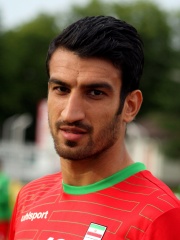
Hossein Mahini
SOCCER PLAYER
1986 - heden
HPI: 37.13
Plaats: 683

Shervin Hajipour
SINGER
1997 - heden
HPI: 37.03
Plaats: 684
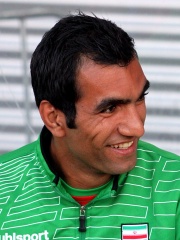
Mehrdad Pooladi
SOCCER PLAYER
1987 - heden
HPI: 37.02
Plaats: 685

Mohammad Mohebi
SOCCER PLAYER
1998 - heden
HPI: 37.00
Plaats: 686
Vahid Talebloo
SOCCER PLAYER
1982 - heden
HPI: 36.83
Plaats: 687
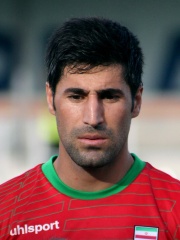
Hashem Beikzadeh
SOCCER PLAYER
1984 - heden
HPI: 36.73
Plaats: 688
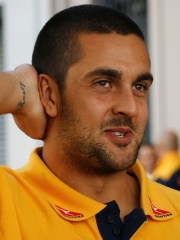
Adam Federici
SOCCER PLAYER
1985 - heden
HPI: 36.70
Plaats: 689

Payam Niazmand
SOCCER PLAYER
1995 - heden
HPI: 36.63
Plaats: 690

Martin Thomas
ATHLETE
HPI: 36.59
Plaats: 691
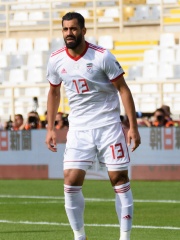
Hossein Kanaanizadegan
SOCCER PLAYER
1994 - heden
HPI: 36.56
Plaats: 692

Execution of Navid Afkari
SOCIAL ACTIVIST
1993 - 2020
HPI: 36.56
Plaats: 693
Onder Voetballer in Iran
Onder Voetballer geboren in Iran staat Vahid Talebloo op plaats 85. Vóór hem staan Hassan Roudbarian (1978), Ahmad Nourollahi (1993), Mehdi Torabi (1994), Hossein Mahini (1986), Mehrdad Pooladi (1987), en Mohammad Mohebi (1998). Na hem komen Hashem Beikzadeh (1984), Adam Federici (1985), Payam Niazmand (1995), Hossein Kanaanizadegan (1994), Kaveh Rezaei (1992), en Daniel Arzani (1999).

Hassan Roudbarian
1978 - heden
HPI: 37.46
Plaats: 79

Ahmad Nourollahi
1993 - heden
HPI: 37.39
Plaats: 80
Mehdi Torabi
1994 - heden
HPI: 37.16
Plaats: 81
Hossein Mahini
1986 - heden
HPI: 37.13
Plaats: 82
Mehrdad Pooladi
1987 - heden
HPI: 37.02
Plaats: 83
Mohammad Mohebi
1998 - heden
HPI: 37.00
Plaats: 84
Vahid Talebloo
1982 - heden
HPI: 36.83
Plaats: 85
Hashem Beikzadeh
1984 - heden
HPI: 36.73
Plaats: 86
Adam Federici
1985 - heden
HPI: 36.70
Plaats: 87
Payam Niazmand
1995 - heden
HPI: 36.63
Plaats: 88
Hossein Kanaanizadegan
1994 - heden
HPI: 36.56
Plaats: 89
Kaveh Rezaei
1992 - heden
HPI: 36.54
Plaats: 90

Daniel Arzani
1999 - heden
HPI: 36.36
Plaats: 91




