Religieuze figuur
Mohan Bhagwat
1950 - heden
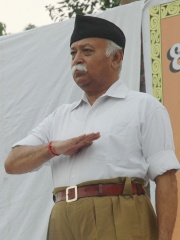
 Mohan Bhagwat
Zijn biografie is beschikbaar in 18 verschillende talen op Wikipedia (toegenomen van 17 in 2024). Mohan Bhagwat staat op plaats 3.002 onder de meest populaire religieuze figuur (gedaald van plaats 2.429 in 2024), plaats 813 onder de meest populaire biografieën uit India (gedaald van plaats 534 in 2019) en op plaats 57 onder de populairste religieuze figuur uit India.
Bekendheidsstatistieken
430k
Paginaweergaven
Afgelopen 12 maanden
53.27
HPI
Historische populariteitsindex
Paginaweergaven van Mohan Bhagwat per taal
Onder Religieuze figuur
Onder Religieuze figuur staat Mohan Bhagwat op plaats 3,002 van 3,187. Vóór hem staan Luigi Ferrando, Epenetus of Carthage, Charles Scicluna, John Ogilvie, Crescens, en Valerian Gracias. Na hem komen Franklin Graham, Serafim Fernandes de Araújo, Mary MacKillop, Orlando Quevedo, Filoimea Telito, en Dallin H. Oaks.
Populairste Religieuze figuur op Wikipedia
Naar alle ranglijsten

Luigi Ferrando
1941 - heden
HPI: 53.43
Plaats: 2,996
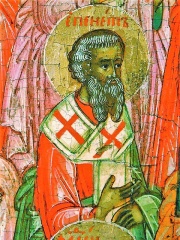
Epenetus of Carthage
1 - 64
HPI: 53.42
Plaats: 2,997

Charles Scicluna
1959 - heden
HPI: 53.40
Plaats: 2,998
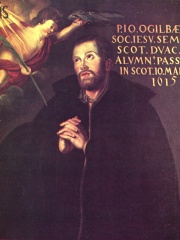
John Ogilvie
1579 - 1579
HPI: 53.39
Plaats: 2,999
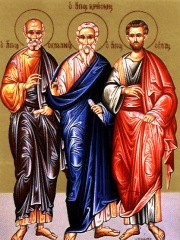
Crescens
HPI: 53.30
Plaats: 3,000
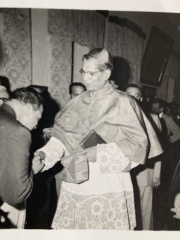
Valerian Gracias
1900 - 1978
HPI: 53.28
Plaats: 3,001
Mohan Bhagwat
1950 - heden
HPI: 53.27
Plaats: 3,002
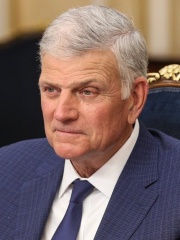
Franklin Graham
1952 - heden
HPI: 53.25
Plaats: 3,003

Serafim Fernandes de Araújo
1924 - 2019
HPI: 53.24
Plaats: 3,004
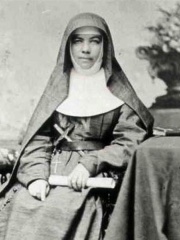
Mary MacKillop
1842 - 1909
HPI: 53.21
Plaats: 3,005
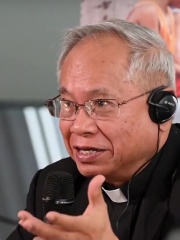
Orlando Quevedo
1939 - heden
HPI: 53.20
Plaats: 3,006

Filoimea Telito
1945 - 2011
HPI: 53.19
Plaats: 3,007
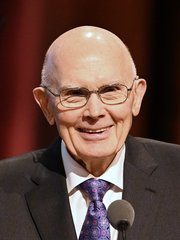
Dallin H. Oaks
1932 - heden
HPI: 53.16
Plaats: 3,008

Tijdgenoten
Onder de mensen geboren in 1950 staat Mohan Bhagwat op plaats 532. Vóór hem staan Luděk Macela, Donald Ramotar, Nikos Kotzias, Juris Silovs, Bruno Gollnisch, en Limor Livnat. Na hem komen Teddy Pendergrass, Albertas Šimėnas, Howard Deutch, Serge Chiesa, Marek Kondrat, en Raja Pervaiz Ashraf.
Anderen geboren in 1950
Naar alle ranglijsten
Luděk Macela
SOCCER PLAYER
1950 - 2016
HPI: 53.42
Plaats: 526
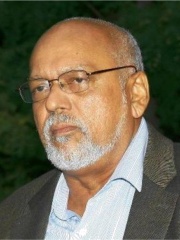
Donald Ramotar
POLITICIAN
1950 - heden
HPI: 53.42
Plaats: 527
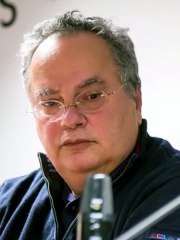
Nikos Kotzias
POLITICIAN
1950 - heden
HPI: 53.41
Plaats: 528

Juris Silovs
ATHLETE
1950 - 2018
HPI: 53.31
Plaats: 529
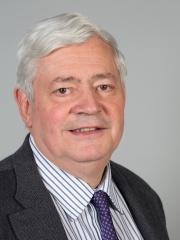
Bruno Gollnisch
POLITICIAN
1950 - heden
HPI: 53.30
Plaats: 530

Limor Livnat
POLITICIAN
1950 - heden
HPI: 53.27
Plaats: 531
Mohan Bhagwat
RELIGIOUS FIGURE
1950 - heden
HPI: 53.27
Plaats: 532
Teddy Pendergrass
SINGER
1950 - 2010
HPI: 53.27
Plaats: 533
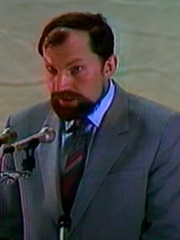
Albertas Šimėnas
POLITICIAN
1950 - heden
HPI: 53.26
Plaats: 534

Howard Deutch
FILM DIRECTOR
1950 - heden
HPI: 53.25
Plaats: 535

Serge Chiesa
SOCCER PLAYER
1950 - heden
HPI: 53.25
Plaats: 536
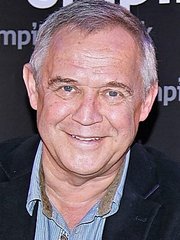
Marek Kondrat
ACTOR
1950 - heden
HPI: 53.23
Plaats: 537
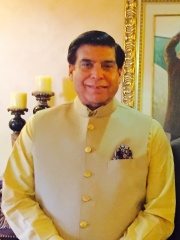
Raja Pervaiz Ashraf
POLITICIAN
1950 - heden
HPI: 53.20
Plaats: 538
In India
Onder de mensen geboren in India staat Mohan Bhagwat op plaats 813 van NaN. Vóór hem staan Verghese Kurien (1921), Asha Parekh (1942), Udit Narayan (1955), Ajit Doval (1945), Ali Akbar Khan (1922), en Har Dayal (1884). Na hem komen Anita Desai (1937), Yogi Adityanath (1972), Sachin Tendulkar (1973), S. M. Krishna (1932), J. H. C. Whitehead (1904), en Sudeep (1973).
Anderen geboren in India
Naar alle ranglijsten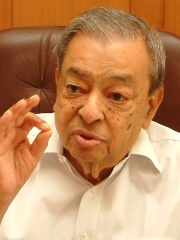
Verghese Kurien
ENGINEER
1921 - 2012
HPI: 53.38
Plaats: 807
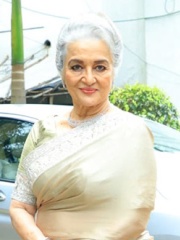
Asha Parekh
ACTOR
1942 - heden
HPI: 53.36
Plaats: 808

Udit Narayan
SINGER
1955 - heden
HPI: 53.33
Plaats: 809
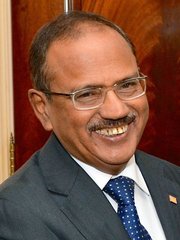
Ajit Doval
MILITARY PERSONNEL
1945 - heden
HPI: 53.32
Plaats: 810
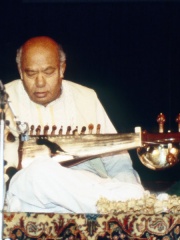
Ali Akbar Khan
SINGER
1922 - 2009
HPI: 53.32
Plaats: 811
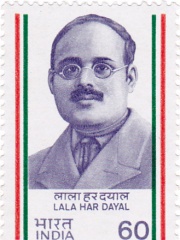
Har Dayal
SOCIAL ACTIVIST
1884 - 1939
HPI: 53.27
Plaats: 812
Mohan Bhagwat
RELIGIOUS FIGURE
1950 - heden
HPI: 53.27
Plaats: 813

Anita Desai
WRITER
1937 - heden
HPI: 53.25
Plaats: 814
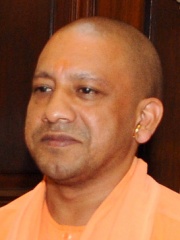
Yogi Adityanath
POLITICIAN
1972 - heden
HPI: 53.23
Plaats: 815
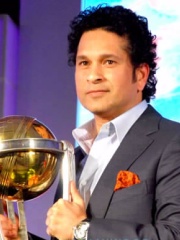
Sachin Tendulkar
CRICKETER
1973 - heden
HPI: 53.22
Plaats: 816
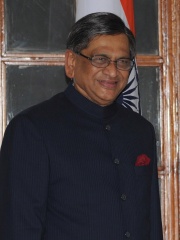
S. M. Krishna
POLITICIAN
1932 - 2024
HPI: 53.22
Plaats: 817
J. H. C. Whitehead
MATHEMATICIAN
1904 - 1960
HPI: 53.21
Plaats: 818
Sudeep
ACTOR
1973 - heden
HPI: 53.20
Plaats: 819
Onder Religieuze figuur in India
Onder Religieuze figuur geboren in India staat Mohan Bhagwat op plaats 57. Vóór hem staan Ashraf Ali Thanwi (1863), Kuriakose Elias Chavara (1805), Baselios Cleemis (1959), Antony Padiyara (1921), Roberto de Nobili (1577), en Chandramukhi Basu (1860). Na hem komen Mirza Tahir Ahmad (1928), Simon Pimenta (1920), Joseph Parecattil (1912), Anthony Poola (1961), Ravi Zacharias (1946), en George Koovakad (1973).

Ashraf Ali Thanwi
1863 - 1943
HPI: 58.32
Plaats: 51
Kuriakose Elias Chavara
1805 - 1871
HPI: 57.58
Plaats: 52
Baselios Cleemis
1959 - heden
HPI: 57.28
Plaats: 53

Antony Padiyara
1921 - 2000
HPI: 56.88
Plaats: 54
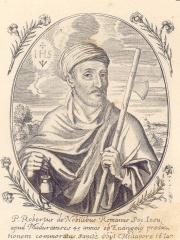
Roberto de Nobili
1577 - 1656
HPI: 56.62
Plaats: 55
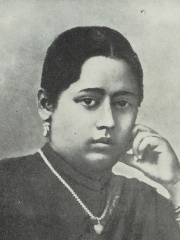
Chandramukhi Basu
1860 - 1944
HPI: 55.64
Plaats: 56
Mohan Bhagwat
1950 - heden
HPI: 53.27
Plaats: 57
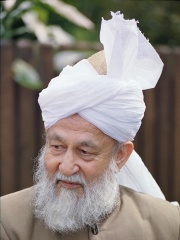
Mirza Tahir Ahmad
1928 - 2003
HPI: 52.76
Plaats: 58
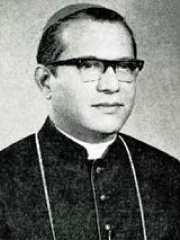
Simon Pimenta
1920 - 2013
HPI: 52.25
Plaats: 59
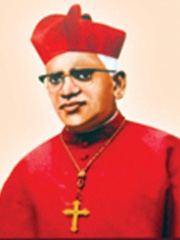
Joseph Parecattil
1912 - 1987
HPI: 51.04
Plaats: 60

Anthony Poola
1961 - heden
HPI: 51.01
Plaats: 61
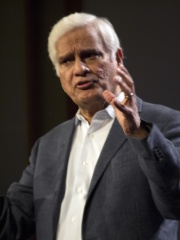
Ravi Zacharias
1946 - 2020
HPI: 50.99
Plaats: 62
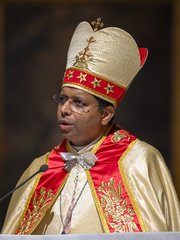
George Koovakad
1973 - heden
HPI: 49.37
Plaats: 63




