Racecoureur
Luca Cadalora
1963 - heden
NL.WIKIPEDIA-PAGINAWEERGAVEN (PV)
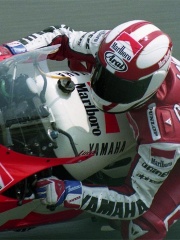

 Luca Cadalora
Zijn biografie is beschikbaar in 19 verschillende talen op Wikipedia. Luca Cadalora staat op plaats 526 onder de meest populaire racecoureur (gestegen van plaats 553 in 2024), plaats 4.028 onder de meest populaire biografieën uit Italië (gedaald van plaats 4.008 in 2019) en op plaats 88 onder de populairste racecoureur uit Italië.
Bekendheidsstatistieken
34k
Paginaweergaven
Afgelopen 12 maanden
53.72
HPI
Historische populariteitsindex
Paginaweergaven van Luca Cadalora per taal
Onder Racecoureur
Onder Racecoureur staat Luca Cadalora op plaats 526 van 1,080. Vóór hem staan Élie Bayol, Giovanni Lavaggi, Roberto Lippi, David Brabham, George Follmer, en Henri Louveau. Na hem komen Albert Scherrer, Raul Boesel, Noritake Takahara, Erwin Bauer, Joe Fry, en Neville Lederle.
Populairste Racecoureur op Wikipedia
Naar alle ranglijsten

Élie Bayol
1914 - 1995
HPI: 53.79
Plaats: 520
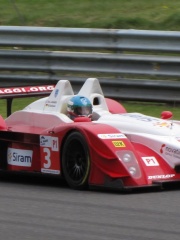
Giovanni Lavaggi
1958 - heden
HPI: 53.77
Plaats: 521

Roberto Lippi
1926 - 2011
HPI: 53.77
Plaats: 522
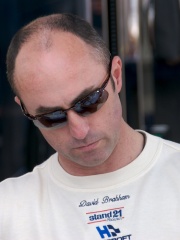
David Brabham
1965 - heden
HPI: 53.77
Plaats: 523
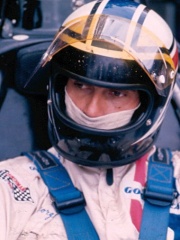
George Follmer
1934 - heden
HPI: 53.75
Plaats: 524

Henri Louveau
1910 - 1991
HPI: 53.74
Plaats: 525
Luca Cadalora
1963 - heden
HPI: 53.72
Plaats: 526

Albert Scherrer
1908 - 1986
HPI: 53.72
Plaats: 527
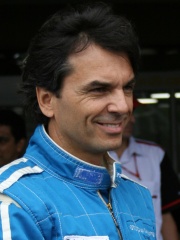
Raul Boesel
1957 - heden
HPI: 53.71
Plaats: 528

Noritake Takahara
1951 - heden
HPI: 53.67
Plaats: 529

Erwin Bauer
1912 - 1958
HPI: 53.66
Plaats: 530
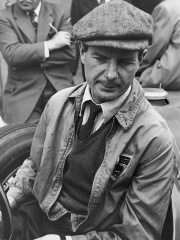
Joe Fry
1915 - 1950
HPI: 53.65
Plaats: 531

Neville Lederle
1938 - 2019
HPI: 53.64
Plaats: 532

Tijdgenoten
Onder de mensen geboren in 1963 staat Luca Cadalora op plaats 370. Vóór hem staan Wendell Pierce, Rocky Carroll, Christian Vadim, Johan Theorin, Guido Imbens, en Joakim Nyström. Na hem komen Gary Daniels, Brain, Aleksandr Domogarov, Walter Casagrande, Jaime de Marichalar, en Ingvar Eggert Sigurðsson.
Anderen geboren in 1963
Naar alle ranglijsten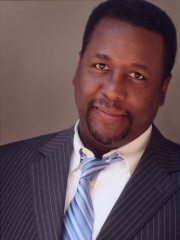
Wendell Pierce
ACTOR
1963 - heden
HPI: 53.90
Plaats: 364

Rocky Carroll
ACTOR
1963 - heden
HPI: 53.88
Plaats: 365
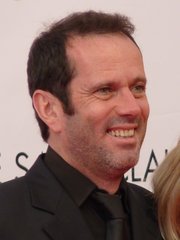
Christian Vadim
ACTOR
1963 - heden
HPI: 53.85
Plaats: 366

Johan Theorin
WRITER
1963 - heden
HPI: 53.81
Plaats: 367

Guido Imbens
ECONOMIST
1963 - heden
HPI: 53.79
Plaats: 368

Joakim Nyström
TENNIS PLAYER
1963 - heden
HPI: 53.78
Plaats: 369
Luca Cadalora
RACING DRIVER
1963 - heden
HPI: 53.72
Plaats: 370

Gary Daniels
ACTOR
1963 - heden
HPI: 53.71
Plaats: 371

Brain
MUSICIAN
1963 - heden
HPI: 53.71
Plaats: 372
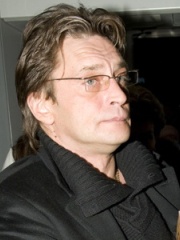
Aleksandr Domogarov
ACTOR
1963 - heden
HPI: 53.70
Plaats: 373
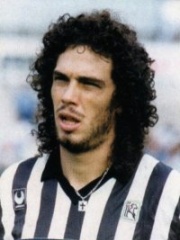
Walter Casagrande
SOCCER PLAYER
1963 - heden
HPI: 53.69
Plaats: 374
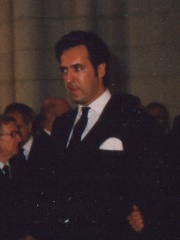
Jaime de Marichalar
POLITICIAN
1963 - heden
HPI: 53.66
Plaats: 375

Ingvar Eggert Sigurðsson
ACTOR
1963 - heden
HPI: 53.64
Plaats: 376
In Italië
Onder de mensen geboren in Italië staat Luca Cadalora op plaats 4,028 van NaN. Vóór hem staan Milly D'Abbraccio (1964), Flavia Pennetta (1982), Egidio Miragoli (1955), Ignazio Abate (1986), Luigi Maiocco (1892), en Elio Morille (1927). Na hem komen Elissa Landi (1904), Luciano Spinosi (1950), Luigi De Agostini (1961), Tommaso Padoa-Schioppa (1940), Niccolò Ammaniti (1966), en Marta Abba (1900).
Anderen geboren in Italië
Naar alle ranglijsten
Milly D'Abbraccio
ACTOR
1964 - heden
HPI: 53.76
Plaats: 4,022
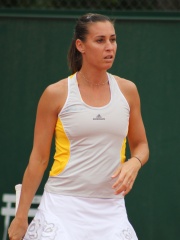
Flavia Pennetta
TENNIS PLAYER
1982 - heden
HPI: 53.76
Plaats: 4,023
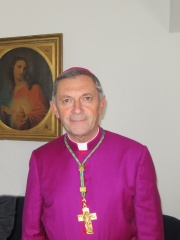
Egidio Miragoli
RELIGIOUS FIGURE
1955 - heden
HPI: 53.75
Plaats: 4,024
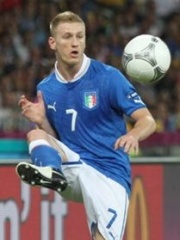
Ignazio Abate
SOCCER PLAYER
1986 - heden
HPI: 53.74
Plaats: 4,025

Luigi Maiocco
GYMNAST
1892 - 1965
HPI: 53.72
Plaats: 4,026

Elio Morille
ATHLETE
1927 - 1998
HPI: 53.72
Plaats: 4,027
Luca Cadalora
RACING DRIVER
1963 - heden
HPI: 53.72
Plaats: 4,028

Elissa Landi
ACTOR
1904 - 1948
HPI: 53.70
Plaats: 4,029
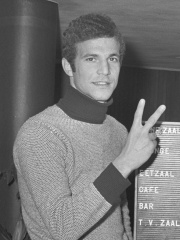
Luciano Spinosi
SOCCER PLAYER
1950 - heden
HPI: 53.70
Plaats: 4,030
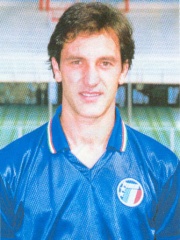
Luigi De Agostini
SOCCER PLAYER
1961 - heden
HPI: 53.70
Plaats: 4,031
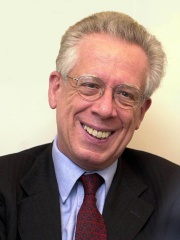
Tommaso Padoa-Schioppa
POLITICIAN
1940 - 2010
HPI: 53.69
Plaats: 4,032
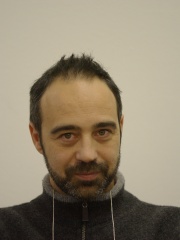
Niccolò Ammaniti
WRITER
1966 - heden
HPI: 53.68
Plaats: 4,033
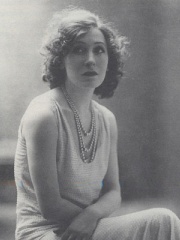
Marta Abba
ACTOR
1900 - 1988
HPI: 53.67
Plaats: 4,034
Onder Racecoureur in Italië
Onder Racecoureur geboren in Italië staat Luca Cadalora op plaats 88. Vóór hem staan Loris Capirossi (1973), Vitantonio Liuzzi (1980), Carlo Facetti (1935), Alex Caffi (1964), Giovanni Lavaggi (1958), en Roberto Lippi (1926). Na hem komen Roberto Bussinello (1927), Corrado Fabi (1961), Beppe Gabbiani (1957), Lamberto Leoni (1953), Gino Munaron (1928), en Ernesto Prinoth (1923).
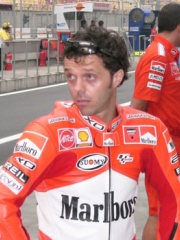
Loris Capirossi
1973 - heden
HPI: 54.28
Plaats: 82
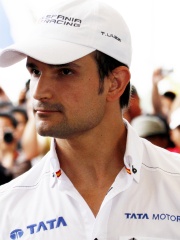
Vitantonio Liuzzi
1980 - heden
HPI: 54.12
Plaats: 83
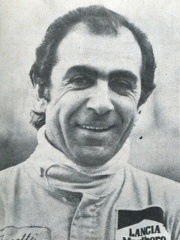
Carlo Facetti
1935 - heden
HPI: 54.02
Plaats: 84
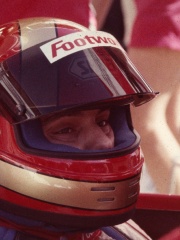
Alex Caffi
1964 - heden
HPI: 53.97
Plaats: 85
Giovanni Lavaggi
1958 - heden
HPI: 53.77
Plaats: 86
Roberto Lippi
1926 - 2011
HPI: 53.77
Plaats: 87
Luca Cadalora
1963 - heden
HPI: 53.72
Plaats: 88
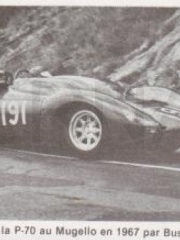
Roberto Bussinello
1927 - 1999
HPI: 53.44
Plaats: 89
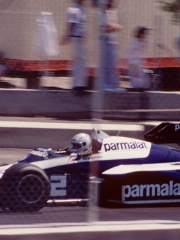
Corrado Fabi
1961 - heden
HPI: 52.86
Plaats: 90

Beppe Gabbiani
1957 - heden
HPI: 52.85
Plaats: 91
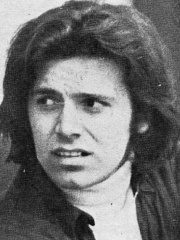
Lamberto Leoni
1953 - heden
HPI: 52.80
Plaats: 92
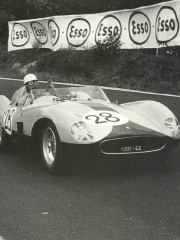
Gino Munaron
1928 - 2009
HPI: 52.77
Plaats: 93

Ernesto Prinoth
1923 - 1981
HPI: 52.76
Plaats: 94




