Advocaat
Lidia Poët
1855 - 1949
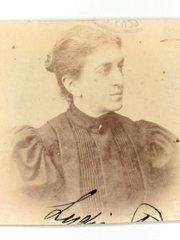
 Lidia Poët
Haar biografie is beschikbaar in 20 verschillende talen op Wikipedia. Lidia Poët staat op plaats 15 onder de meest populaire advocaat, plaats 679 onder de meest populaire biografieën uit Italië en op de eerste plaats onder de populairste advocaat uit Italië.
Memorability Metrics
Page views of Lidia Poët by language
Among Advocaats
Among advocaats, Lidia Poët ranks 15 out of 136. Before her are Gaius, Al-Nawawi, Aemilius Papinianus, Tobias Asser, Paul Alexander, and J. Edgar Hoover. After her are Oliver Wendell Holmes Jr., Merrick Garland, Rudolf von Jhering, Doug Emhoff, Roy Cohn, and Tribonian.
Most Popular Advocaats in Wikipedia
Go to all Rankings
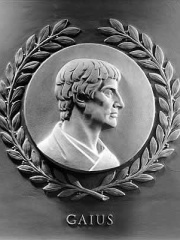
Gaius
120 - 180
HPI: 73.75
Rank: 9

Al-Nawawi
1233 - 1278
HPI: 73.56
Rank: 10
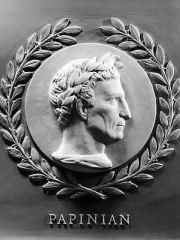
Aemilius Papinianus
142 - 211
HPI: 73.43
Rank: 11
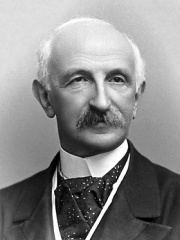
Tobias Asser
1838 - 1913
HPI: 73.34
Rank: 12
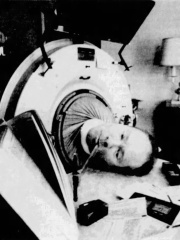
Paul Alexander
1946 - 2024
HPI: 73.16
Rank: 13
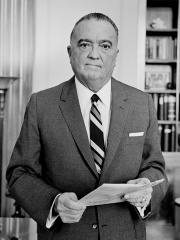
J. Edgar Hoover
1895 - 1972
HPI: 72.91
Rank: 14
Lidia Poët
1855 - 1949
HPI: 72.71
Rank: 15
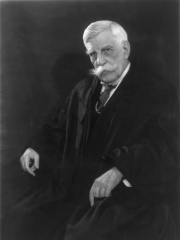
Oliver Wendell Holmes Jr.
1841 - 1935
HPI: 71.45
Rank: 16

Merrick Garland
1952 - Present
HPI: 71.18
Rank: 17
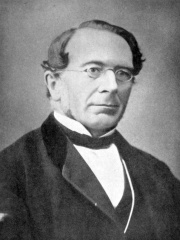
Rudolf von Jhering
1818 - 1892
HPI: 71.04
Rank: 18

Doug Emhoff
1964 - Present
HPI: 70.34
Rank: 19
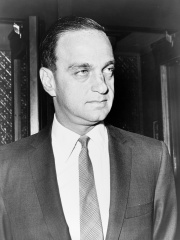
Roy Cohn
1927 - 1986
HPI: 69.70
Rank: 20
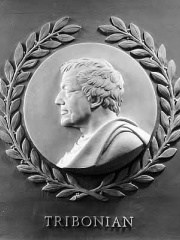
Tribonian
475 - 542
HPI: 69.64
Rank: 21

Contemporaries
Among people born in 1855, Lidia Poët ranks 3. Before her are Archduchess Sophie of Austria, and Ferdinand Tönnies. After her are King C. Gillette, Andrew Mellon, Émile Verhaeren, Houston Stewart Chamberlain, Otto Liman von Sanders, John Browning, Swami Sri Yukteswar Giri, Percival Lowell, and Ernest Chausson. Among people deceased in 1949, Lidia Poët ranks 14. Before her are Kim Jong-suk, Margaret Mitchell, Friedrich Bergius, Hassan al-Banna, James Ensor, and August Krogh. After her are Louis II, Prince of Monaco, Charles Ponzi, Klaus Mann, Axel Munthe, Angela Hitler, and Elton Mayo.
Others Born in 1855
Go to all Rankings
Archduchess Sophie of Austria
POLITICIAN
1855 - 1857
HPI: 77.74
Rank: 1
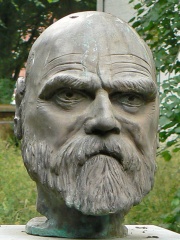
Ferdinand Tönnies
PHILOSOPHER
1855 - 1936
HPI: 75.37
Rank: 2
Lidia Poët
LAWYER
1855 - 1949
HPI: 72.71
Rank: 3
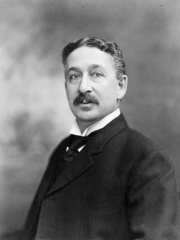
King C. Gillette
BUSINESSPERSON
1855 - 1932
HPI: 72.52
Rank: 4
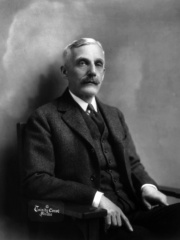
Andrew Mellon
POLITICIAN
1855 - 1937
HPI: 71.29
Rank: 5
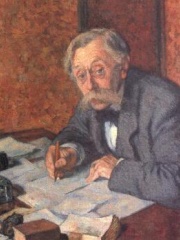
Émile Verhaeren
WRITER
1855 - 1916
HPI: 71.02
Rank: 6
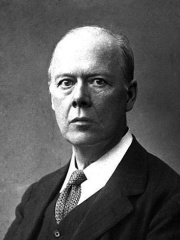
Houston Stewart Chamberlain
PHILOSOPHER
1855 - 1927
HPI: 70.73
Rank: 7
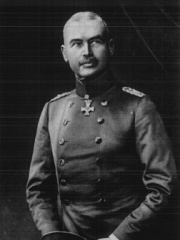
Otto Liman von Sanders
MILITARY PERSONNEL
1855 - 1929
HPI: 70.27
Rank: 8
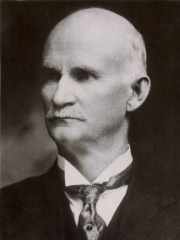
John Browning
INVENTOR
1855 - 1926
HPI: 69.76
Rank: 9
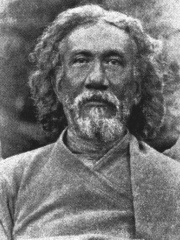
Swami Sri Yukteswar Giri
RELIGIOUS FIGURE
1855 - 1936
HPI: 69.76
Rank: 10
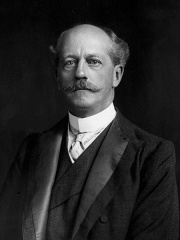
Percival Lowell
ASTRONOMER
1855 - 1916
HPI: 69.55
Rank: 11
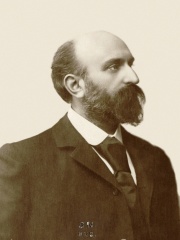
Ernest Chausson
COMPOSER
1855 - 1899
HPI: 69.03
Rank: 12
Others Deceased in 1949
Go to all Rankings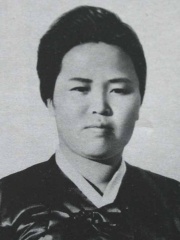
Kim Jong-suk
POLITICIAN
1919 - 1949
HPI: 74.46
Rank: 8
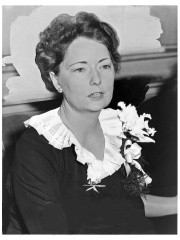
Margaret Mitchell
WRITER
1900 - 1949
HPI: 74.38
Rank: 9
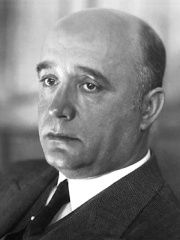
Friedrich Bergius
CHEMIST
1884 - 1949
HPI: 74.25
Rank: 10
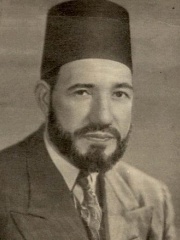
Hassan al-Banna
SOCIAL ACTIVIST
1906 - 1949
HPI: 73.55
Rank: 11
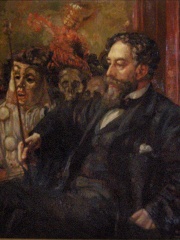
James Ensor
PAINTER
1860 - 1949
HPI: 72.94
Rank: 12
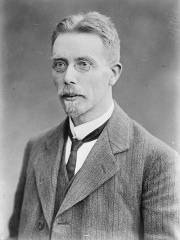
August Krogh
PHYSICIAN
1874 - 1949
HPI: 72.71
Rank: 13
Lidia Poët
LAWYER
1855 - 1949
HPI: 72.71
Rank: 14
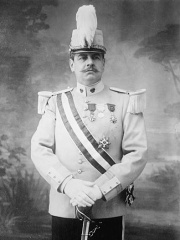
Louis II, Prince of Monaco
POLITICIAN
1870 - 1949
HPI: 71.92
Rank: 15
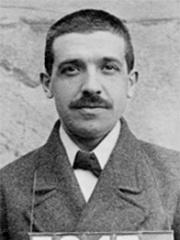
Charles Ponzi
EXTREMIST
1882 - 1949
HPI: 71.32
Rank: 16

Klaus Mann
WRITER
1906 - 1949
HPI: 71.10
Rank: 17
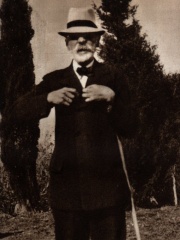
Axel Munthe
SOCIAL ACTIVIST
1857 - 1949
HPI: 70.59
Rank: 18
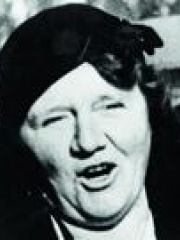
Angela Hitler
PAINTER
1883 - 1949
HPI: 70.29
Rank: 19
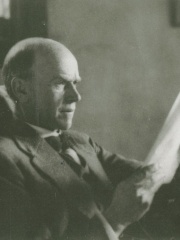
Elton Mayo
PSYCHOLOGIST
1880 - 1949
HPI: 69.82
Rank: 20
In Italië
Among people born in Italië, Lidia Poët ranks 679 out of NaN. Before her are Frank Capra (1897), Paul the Deacon (720), Aldus Manutius (1449), Arrigo Sacchi (1946), Bianca Maria Sforza (1472), and Maria Theresa of Austria (1767). After her are Josephine of Leuchtenberg (1807), Giovanni Giustiniani (1418), Francis of Paola (1416), Edmondo De Amicis (1846), Henry of Germany (1211), and Giorgio Agamben (1942).
Others born in Italië
Go to all Rankings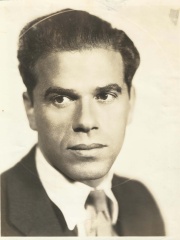
Frank Capra
FILM DIRECTOR
1897 - 1991
HPI: 72.77
Rank: 673
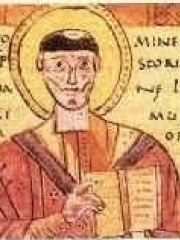
Paul the Deacon
RELIGIOUS FIGURE
720 - 799
HPI: 72.76
Rank: 674
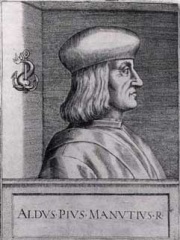
Aldus Manutius
DESIGNER
1449 - 1515
HPI: 72.76
Rank: 675

Arrigo Sacchi
COACH
1946 - Present
HPI: 72.75
Rank: 676
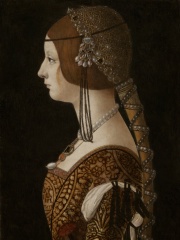
Bianca Maria Sforza
COMPANION
1472 - 1510
HPI: 72.74
Rank: 677
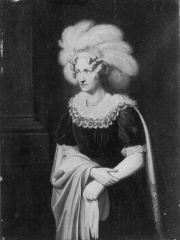
Maria Theresa of Austria
POLITICIAN
1767 - 1827
HPI: 72.72
Rank: 678
Lidia Poët
LAWYER
1855 - 1949
HPI: 72.71
Rank: 679
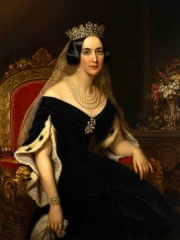
Josephine of Leuchtenberg
COMPANION
1807 - 1876
HPI: 72.71
Rank: 680
Giovanni Giustiniani
MILITARY PERSONNEL
1418 - 1453
HPI: 72.70
Rank: 681
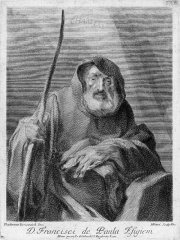
Francis of Paola
RELIGIOUS FIGURE
1416 - 1507
HPI: 72.69
Rank: 682
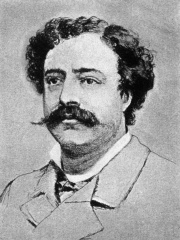
Edmondo De Amicis
WRITER
1846 - 1908
HPI: 72.68
Rank: 683
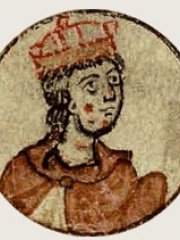
Henry of Germany
POLITICIAN
1211 - 1242
HPI: 72.65
Rank: 684

Giorgio Agamben
PHILOSOPHER
1942 - Present
HPI: 72.65
Rank: 685
Among Advocaats In Italië
Among advocaats born in Italië, Lidia Poët ranks 1. After her are Irnerius (1050), Baldus de Ubaldis (1327), Cino da Pistoia (1270), Alfenus Varus (-100), Alberico Gentili (1552), and Dario Franceschini (1958).
Lidia Poët
1855 - 1949
HPI: 72.71
Rank: 1
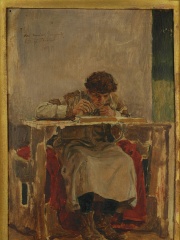
Irnerius
1050 - 1140
HPI: 65.79
Rank: 2
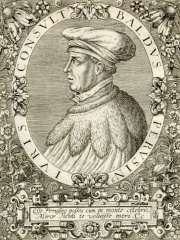
Baldus de Ubaldis
1327 - 1400
HPI: 63.94
Rank: 3
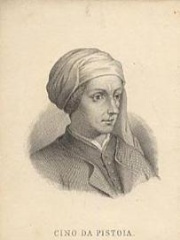
Cino da Pistoia
1270 - 1336
HPI: 61.52
Rank: 4
Alfenus Varus
100 BC - 60 BC
HPI: 60.74
Rank: 5
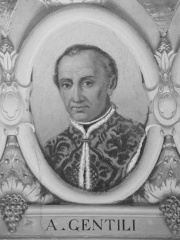
Alberico Gentili
1552 - 1608
HPI: 58.99
Rank: 6

Dario Franceschini
1958 - Present
HPI: 49.76
Rank: 7




