Religieuze figuur
Ezra (priester)
500 BC - 401 BC
NL.WIKIPEDIA-PAGINAWEERGAVEN (PV)
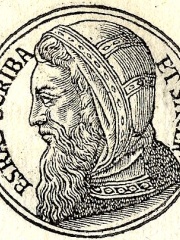
 Ezra (priester)
Zijn biografie is beschikbaar in 55 verschillende talen op Wikipedia (toegenomen van 52 in 2024). Ezra (priester) staat op plaats 297 onder de meest populaire religieuze figuur (gedaald van plaats 271 in 2024), plaats 20 onder de meest populaire biografieën uit Irak (gestegen van plaats 21 in 2019) en op plaats 6 onder de populairste religieuze figuur uit Irak.
Bekendheidsstatistieken
390k
Paginaweergaven
Afgelopen 12 maanden
77.65
HPI
Historische populariteitsindex
Paginaweergaven van Ezra (priester) per taal
Onder Religieuze figuur
Onder Religieuze figuur staat Ezra (priester) op plaats 297 van 3,187. Vóór hem staan Pope Anicetus, Jethro, Malik ibn Anas, Saint Patrick, Pope Julius I, en Pope Boniface VI. Na hem komen Pope John XXI, Denis, Pope John II, Saint Cecilia, Pope Soter, en Pope Leo II.
Populairste Religieuze figuur op Wikipedia
Naar alle ranglijsten
Pope Anicetus
70 - 168
HPI: 77.69
Plaats: 291
Jethro
1400 BC - 1400 BC
HPI: 77.68
Plaats: 292
Malik ibn Anas
711 - 795
HPI: 77.66
Plaats: 293
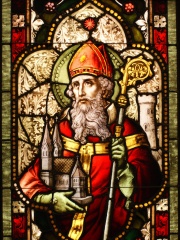
Saint Patrick
385 - 461
HPI: 77.66
Plaats: 294
Pope Julius I
300 - 352
HPI: 77.65
Plaats: 295
Pope Boniface VI
800 - 896
HPI: 77.65
Plaats: 296
Ezra
500 BC - 401 BC
HPI: 77.65
Plaats: 297
Pope John XXI
1215 - 1277
HPI: 77.63
Plaats: 298
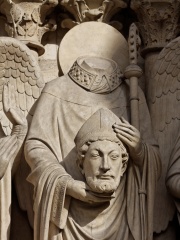
Denis
210 - 250
HPI: 77.63
Plaats: 299
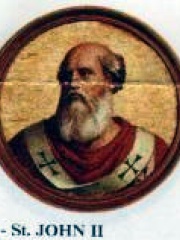
Pope John II
470 - 535
HPI: 77.62
Plaats: 300
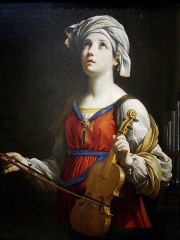
Saint Cecilia
200 - 230
HPI: 77.61
Plaats: 301
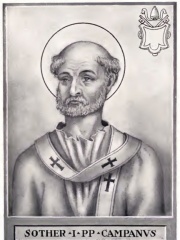
Pope Soter
120 - 174
HPI: 77.60
Plaats: 302
Pope Leo II
611 - 683
HPI: 77.59
Plaats: 303

Tijdgenoten
Onder de mensen geboren in 500 BC staat Ezra (priester) op plaats 6. Vóór hem staan Artaxerxes I of Persia, Anaxagoras, Pāṇini, Leucippus, en Xanthippe. Na hem komen Xerxes II of Persia, Brennus, Zeuxis, Artemisia I of Caria, Ajatashatru, en Myron. Onder de mensen overleden in 401 BC staat Ezra (priester) op plaats 2. Vóór hem staat Zechariah. Na hem komen Cyrus the Younger, Agathon, Agis II, Clearchus of Sparta, en Megabyzus.
Anderen geboren in 500 BC
Naar alle ranglijsten
Artaxerxes I of Persia
POLITICIAN
500 BC - 424 BC
HPI: 82.94
Plaats: 1
Anaxagoras
PHILOSOPHER
500 BC - 428 BC
HPI: 82.89
Plaats: 2
Pāṇini
LINGUIST
500 BC - 460 BC
HPI: 81.60
Plaats: 3
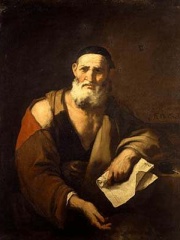
Leucippus
PHILOSOPHER
500 BC - 500 BC
HPI: 80.59
Plaats: 4
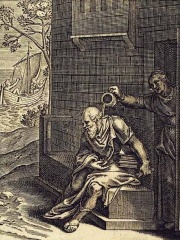
Xanthippe
POLITICIAN
500 BC - 400 BC
HPI: 77.67
Plaats: 5
Ezra
RELIGIOUS FIGURE
500 BC - 401 BC
HPI: 77.65
Plaats: 6
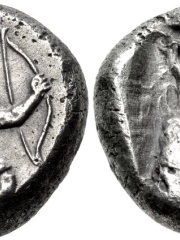
Xerxes II of Persia
POLITICIAN
500 BC - 424 BC
HPI: 77.43
Plaats: 7
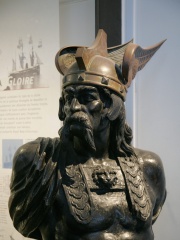
Brennus
POLITICIAN
500 BC - 390 BC
HPI: 75.70
Plaats: 8
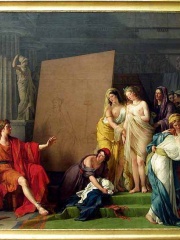
Zeuxis
PAINTER
500 BC - 400 BC
HPI: 74.74
Plaats: 9
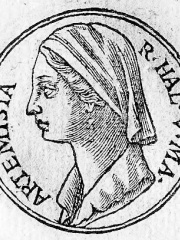
Artemisia I of Caria
POLITICIAN
500 BC - 500 BC
HPI: 74.58
Plaats: 10
Ajatashatru
POLITICIAN
500 BC - 460 BC
HPI: 74.51
Plaats: 11
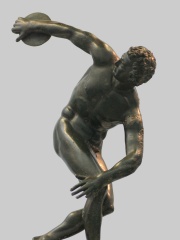
Myron
SCULPTOR
500 BC - 500 BC
HPI: 74.09
Plaats: 12
Anderen overleden in 401 BC
Naar alle ranglijsten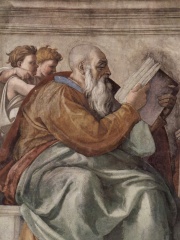
Zechariah
RELIGIOUS FIGURE
550 BC - 401 BC
HPI: 78.56
Plaats: 1
Ezra
RELIGIOUS FIGURE
500 BC - 401 BC
HPI: 77.65
Plaats: 2
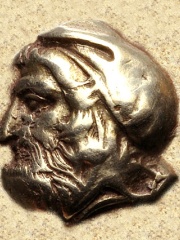
Cyrus the Younger
POLITICIAN
500 BC - 401 BC
HPI: 72.58
Plaats: 3
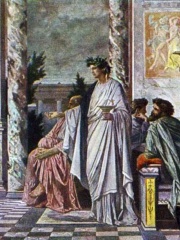
Agathon
WRITER
448 BC - 401 BC
HPI: 68.16
Plaats: 4

Agis II
POLITICIAN
490 BC - 401 BC
HPI: 66.33
Plaats: 5
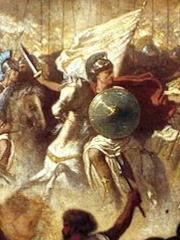
Clearchus of Sparta
MILITARY PERSONNEL
401 BC - 401 BC
HPI: 60.89
Plaats: 6
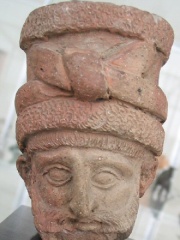
Megabyzus
MILITARY PERSONNEL
516 BC - 401 BC
HPI: 59.62
Plaats: 7
In Irak
Onder de mensen geboren in Irak staat Ezra (priester) op plaats 20 van NaN. Vóór hem staan Sargon of Akkad (-2300), Fuzûlî (1494), Zaha Hadid (1950), Mani (216), Nur ad-Din (1116), en Ahmad ibn Hanbal (780). Na hem komen Nebuchadnezzar I (-1200), Al-Ma'mun (786), Alexander IV of Macedon (-323), Muhammad al-Mahdi (869), Sennacherib (-740), en Sargon II (-750).
Anderen geboren in Irak
Naar alle ranglijsten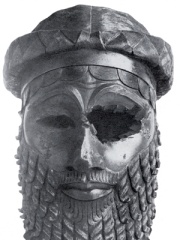
Sargon of Akkad
POLITICIAN
2300 BC - 2215 BC
HPI: 78.68
Plaats: 14
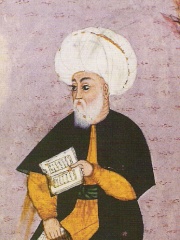
Fuzûlî
WRITER
1494 - 1556
HPI: 78.46
Plaats: 15
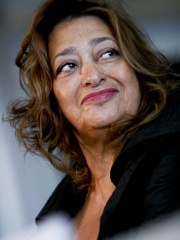
Zaha Hadid
ARCHITECT
1950 - 2016
HPI: 78.46
Plaats: 16
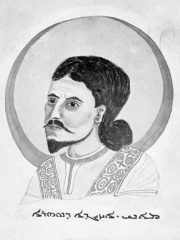
Mani
RELIGIOUS FIGURE
216 - 274
HPI: 78.43
Plaats: 17
Nur ad-Din
POLITICIAN
1116 - 1174
HPI: 78.41
Plaats: 18
Ahmad ibn Hanbal
WRITER
780 - 855
HPI: 78.16
Plaats: 19
Ezra
RELIGIOUS FIGURE
500 BC - 401 BC
HPI: 77.65
Plaats: 20
Nebuchadnezzar I
POLITICIAN
1200 BC - 1104 BC
HPI: 77.32
Plaats: 21
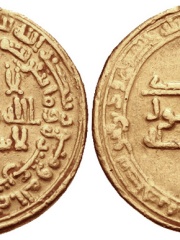
Al-Ma'mun
POLITICIAN
786 - 833
HPI: 77.32
Plaats: 22
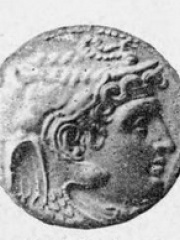
Alexander IV of Macedon
POLITICIAN
323 BC - 309 BC
HPI: 76.94
Plaats: 23
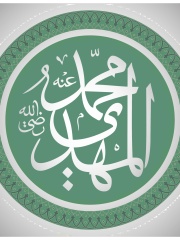
Muhammad al-Mahdi
RELIGIOUS FIGURE
869 - 941
HPI: 76.87
Plaats: 24
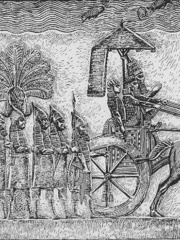
Sennacherib
POLITICIAN
740 BC - 681 BC
HPI: 76.66
Plaats: 25
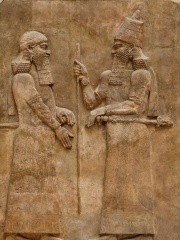
Sargon II
POLITICIAN
750 BC - 705 BC
HPI: 76.14
Plaats: 26
Onder Religieuze figuur in Irak
Onder Religieuze figuur geboren in Irak staat Ezra (priester) op plaats 6. Vóór hem staan Abraham (-1813), Abu Hanifa (698), Sarah (-1803), Rabia of Basra (710), en Mani (216). Na hem komen Muhammad al-Mahdi (869), Belshazzar (-600), Eber (-2038), Junayd of Baghdad (830), Louis Raphaël I Sako (1948), en Ibn Hisham (701).
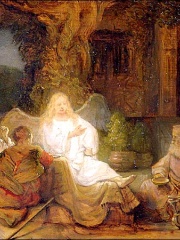
Abraham
1813 BC - 1638 BC
HPI: 89.99
Plaats: 1
Abu Hanifa
698 - 767
HPI: 83.39
Plaats: 2
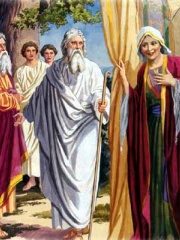
Sarah
1803 BC - 1676 BC
HPI: 79.84
Plaats: 3
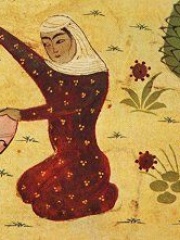
Rabia of Basra
710 - 801
HPI: 78.81
Plaats: 4
Mani
216 - 274
HPI: 78.43
Plaats: 5
Ezra
500 BC - 401 BC
HPI: 77.65
Plaats: 6
Muhammad al-Mahdi
869 - 941
HPI: 76.87
Plaats: 7
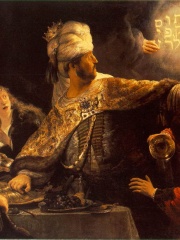
Belshazzar
600 BC - 600 BC
HPI: 75.54
Plaats: 8
Eber
2038 BC - 1574 BC
HPI: 74.57
Plaats: 9
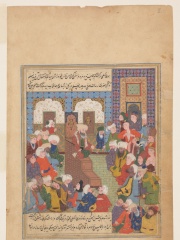
Junayd of Baghdad
830 - 910
HPI: 71.53
Plaats: 10
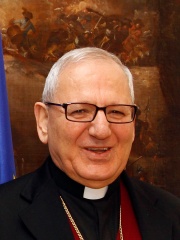
Louis Raphaël I Sako
1948 - heden
HPI: 70.61
Plaats: 11

Ibn Hisham
701 - 833
HPI: 70.58
Plaats: 12




