Voetballer
Daniel Bravo
1963 - heden
NL.WIKIPEDIA-PAGINAWEERGAVEN (PV)
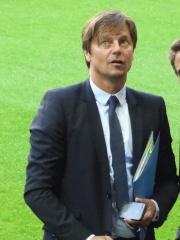

 Daniel Bravo
Zijn biografie is beschikbaar in 25 verschillende talen op Wikipedia (toegenomen van 23 in 2024). Daniel Bravo staat op plaats 3.227 onder de meest populaire voetballer (gedaald van plaats 3.214 in 2024), plaats 4.571 onder de meest populaire biografieën uit Frankrijk (gedaald van plaats 4.559 in 2019) en op plaats 152 onder de populairste voetballer uit Frankrijk.
Bekendheidsstatistieken
220k
Paginaweergaven
Afgelopen 12 maanden
55.60
HPI
Historische populariteitsindex
Paginaweergaven van Daniel Bravo per taal
Onder Voetballer
Onder Voetballer staat Daniel Bravo op plaats 3,223 van 21,273. Vóór hem staan Henning Enoksen, Vampeta, Ed de Goey, Willi Giesemann, Ricardo Sá Pinto, en Zoran Vulić. Na hem komen Danilo Pereira, José Vidal, Eduardo da Silva, George Robledo, Mirandinha, en Pedro Cubilla.
Populairste Voetballer op Wikipedia
Naar alle ranglijsten

Henning Enoksen
1935 - 2016
HPI: 55.62
Plaats: 3,221
Vampeta
1974 - heden
HPI: 55.61
Plaats: 3,222

Ed de Goey
1966 - heden
HPI: 55.61
Plaats: 3,223

Willi Giesemann
1937 - 2024
HPI: 55.61
Plaats: 3,224
Ricardo Sá Pinto
1972 - heden
HPI: 55.61
Plaats: 3,225

Zoran Vulić
1961 - heden
HPI: 55.60
Plaats: 3,226
Daniel Bravo
1963 - heden
HPI: 55.60
Plaats: 3,227
Danilo Pereira
1991 - heden
HPI: 55.60
Plaats: 3,228
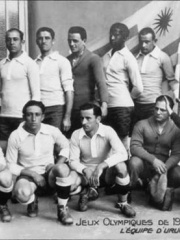
José Vidal
1896 - 1974
HPI: 55.60
Plaats: 3,229

Eduardo da Silva
1983 - heden
HPI: 55.60
Plaats: 3,230
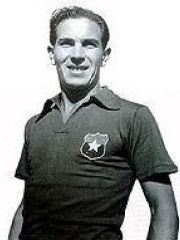
George Robledo
1926 - 1989
HPI: 55.60
Plaats: 3,231

Mirandinha
1959 - heden
HPI: 55.59
Plaats: 3,232

Pedro Cubilla
1933 - 2007
HPI: 55.59
Plaats: 3,233

Tijdgenoten
Onder de mensen geboren in 1963 staat Daniel Bravo op plaats 292. Vóór hem staan Yoko Kanno, Koichi Wakata, Yasuharu Takanashi, Raimond Aumann, Rosario Flores, en Simon Johnson. Na hem komen Andy Rubin, Francesco Quinn, Ukyo Katayama, Angus Macfadyen, Henri Leconte, en Jón Kalman Stefánsson.
Anderen geboren in 1963
Naar alle ranglijsten
Yoko Kanno
SINGER
1963 - heden
HPI: 55.76
Plaats: 286
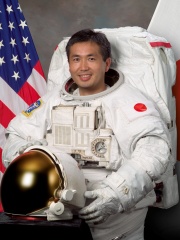
Koichi Wakata
ASTRONAUT
1963 - heden
HPI: 55.76
Plaats: 287

Yasuharu Takanashi
COMPOSER
1963 - heden
HPI: 55.75
Plaats: 288
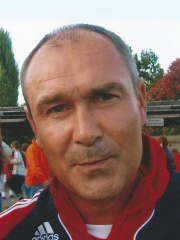
Raimond Aumann
SOCCER PLAYER
1963 - heden
HPI: 55.68
Plaats: 289

Rosario Flores
SINGER
1963 - heden
HPI: 55.63
Plaats: 290
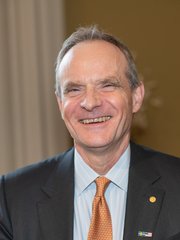
Simon Johnson
ECONOMIST
1963 - heden
HPI: 55.61
Plaats: 291
Daniel Bravo
SOCCER PLAYER
1963 - heden
HPI: 55.60
Plaats: 292
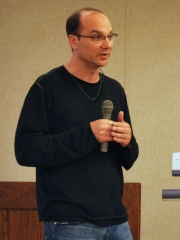
Andy Rubin
COMPUTER SCIENTIST
1963 - heden
HPI: 55.57
Plaats: 293

Francesco Quinn
ACTOR
1963 - 2011
HPI: 55.56
Plaats: 294

Ukyo Katayama
RACING DRIVER
1963 - heden
HPI: 55.56
Plaats: 295

Angus Macfadyen
ACTOR
1963 - heden
HPI: 55.54
Plaats: 296
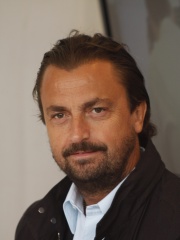
Henri Leconte
TENNIS PLAYER
1963 - heden
HPI: 55.51
Plaats: 297
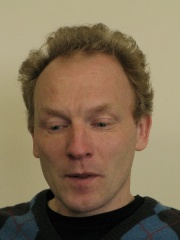
Jón Kalman Stefánsson
WRITER
1963 - heden
HPI: 55.51
Plaats: 298
In Frankrijk
Onder de mensen geboren in Frankrijk staat Daniel Bravo op plaats 4,571 van NaN. Vóór hem staan Chrétien Waydelich (1841), Jean Graczyk (1933), Philippe Descola (1949), Gaston Amson (1883), Adolphe Grisel (1872), en Maurice Perrin (1911). Na hem komen Théodore Monod (1902), Jean-Louis Gasset (1953), Raymond Salles (1920), Julieta Lanteri (1873), Jean, Count of Paris (1965), en Simon Arnauld, Marquis de Pomponne (1618).
Anderen geboren in Frankrijk
Naar alle ranglijsten
Chrétien Waydelich
ATHLETE
1841 - 1917
HPI: 55.61
Plaats: 4,565
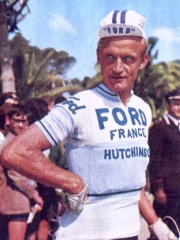
Jean Graczyk
CYCLIST
1933 - 2004
HPI: 55.61
Plaats: 4,566
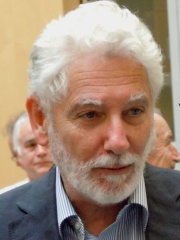
Philippe Descola
ANTHROPOLOGIST
1949 - heden
HPI: 55.61
Plaats: 4,567
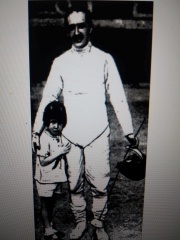
Gaston Amson
ATHLETE
1883 - 1960
HPI: 55.61
Plaats: 4,568
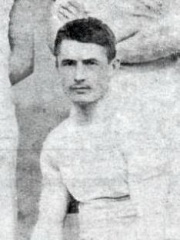
Adolphe Grisel
ATHLETE
1872 - 1942
HPI: 55.60
Plaats: 4,569

Maurice Perrin
CYCLIST
1911 - 1992
HPI: 55.60
Plaats: 4,570
Daniel Bravo
SOCCER PLAYER
1963 - heden
HPI: 55.60
Plaats: 4,571
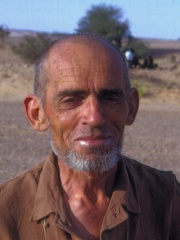
Théodore Monod
BIOLOGIST
1902 - 2000
HPI: 55.60
Plaats: 4,572
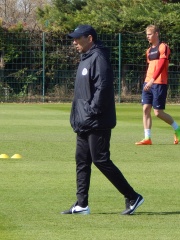
Jean-Louis Gasset
COACH
1953 - 2025
HPI: 55.59
Plaats: 4,573

Raymond Salles
ATHLETE
1920 - 1996
HPI: 55.59
Plaats: 4,574
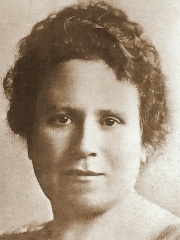
Julieta Lanteri
PHYSICIAN
1873 - 1932
HPI: 55.58
Plaats: 4,575

Jean, Count of Paris
POLITICIAN
1965 - heden
HPI: 55.58
Plaats: 4,576
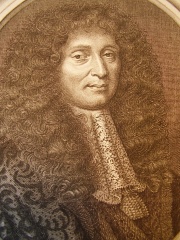
Simon Arnauld, Marquis de Pomponne
POLITICIAN
1618 - 1699
HPI: 55.58
Plaats: 4,577
Onder Voetballer in Frankrijk
Onder Voetballer geboren in Frankrijk staat Daniel Bravo op plaats 152. Vóór hem staan Marcel Artelesa (1938), Medhi Benatia (1987), Serhou Guirassy (1996), Georges Verriest (1909), Norbert Eschmann (1933), en Stéphane Bruey (1932). Na hem komen Yves Herbet (1945), Adrien Rabiot (1995), Pierre Allemane (1882), Kazimir Hnatow (1929), Georges Bereta (1946), en Alphonse Areola (1993).

Marcel Artelesa
1938 - 2016
HPI: 55.75
Plaats: 146
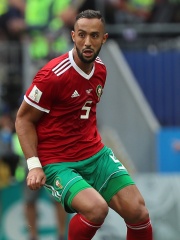
Medhi Benatia
1987 - heden
HPI: 55.74
Plaats: 147
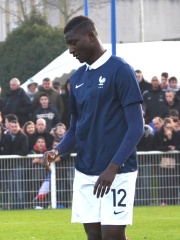
Serhou Guirassy
1996 - heden
HPI: 55.74
Plaats: 148
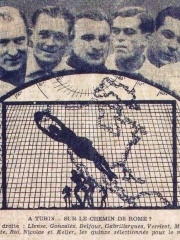
Georges Verriest
1909 - 1985
HPI: 55.72
Plaats: 149

Norbert Eschmann
1933 - 2009
HPI: 55.72
Plaats: 150

Stéphane Bruey
1932 - 2005
HPI: 55.70
Plaats: 151
Daniel Bravo
1963 - heden
HPI: 55.60
Plaats: 152

Yves Herbet
1945 - 2024
HPI: 55.52
Plaats: 153
Adrien Rabiot
1995 - heden
HPI: 55.43
Plaats: 154
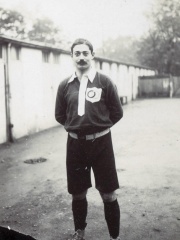
Pierre Allemane
1882 - 1956
HPI: 55.39
Plaats: 155

Kazimir Hnatow
1929 - 2010
HPI: 55.38
Plaats: 156
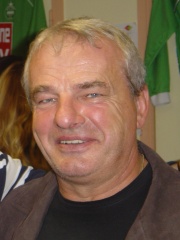
Georges Bereta
1946 - 2023
HPI: 55.35
Plaats: 157
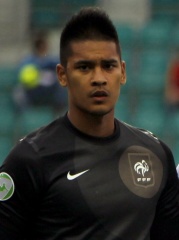
Alphonse Areola
1993 - heden
HPI: 55.33
Plaats: 158




