政治家
Pompeius Strabo
135 BC - 87 BC
JA.WIKIPEDIA ページビュー (PV)
 Pompeius Strabo
知名度指標
32k
ページビュー
過去12か月
68.63
HPI
歴史的人気指数
Pompeius Straboの言語別ページビュー
政治家の中で
政治家の中で、Pompeius Straboは19,576人中3,577位です。 彼より上位:Najib Mikati, Emperor Tenji, Ata-Malik Juvayni, Lütfi Pasha, Syphax, 、Cypselus. 彼より下位:Maria of Alania, Kim Jae-gyu, Aga Khan III, Thessalonike of Macedon, Stephen IV of Hungary, 、Oscar Luigi Scalfaro.
ウィキペディアで最も人気のある政治家
すべてのランキングを見る

Najib Mikati
1955 - 現在
HPI: 68.63
順位: 3,573

Emperor Tenji
626 - 672
HPI: 68.63
順位: 3,574

Ata-Malik Juvayni
1226 - 1283
HPI: 68.63
順位: 3,575
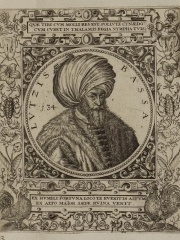
Lütfi Pasha
1488 - 1562
HPI: 68.63
順位: 3,576
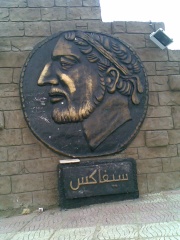
Syphax
250 BC - 202 BC
HPI: 68.63
順位: 3,577

Cypselus
700 BC - 627 BC
HPI: 68.63
順位: 3,578
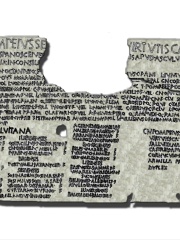
Pompeius Strabo
135 BC - 87 BC
HPI: 68.63
順位: 3,579

Maria of Alania
1053 - 1118
HPI: 68.63
順位: 3,580

Kim Jae-gyu
1926 - 1980
HPI: 68.63
順位: 3,581
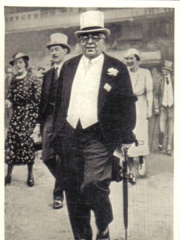
Aga Khan III
1877 - 1957
HPI: 68.62
順位: 3,582
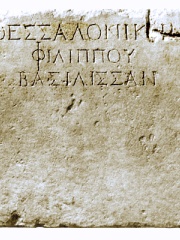
Thessalonike of Macedon
352 BC - 295 BC
HPI: 68.62
順位: 3,583
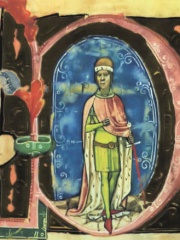
Stephen IV of Hungary
1133 - 1165
HPI: 68.62
順位: 3,584
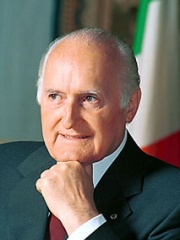
Oscar Luigi Scalfaro
1918 - 2012
HPI: 68.62
順位: 3,585

同時代の人物
135 BC年生まれの人の中で、Pompeius Straboは6位です。 彼より上位:Posidonius, Gaius Julius Caesar, Lucius Cornelius Cinna, Antiochus IX Cyzicenus, 、Lucius Julius Caesar. 彼より下位:Quintus Caecilius Metellus Nepos. 87 BC年に亡くなった人の中で、Pompeius Straboは3位です。 彼より上位:Emperor Wu of Han, 、Lucius Julius Caesar. 彼より下位:Quintus Lutatius Catulus, Gnaeus Octavius, Marcus Antonius, Quintus Mucius Scaevola Augur, 、Lucius Cornelius Merula.
135 BC年生まれのその他の人物
すべてのランキングを見る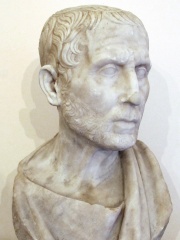
Posidonius
PHILOSOPHER
135 BC - 51 BC
HPI: 75.13
順位: 1
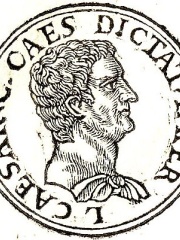
Gaius Julius Caesar
MILITARY PERSONNEL
135 BC - 85 BC
HPI: 74.35
順位: 2

Lucius Cornelius Cinna
POLITICIAN
135 BC - 84 BC
HPI: 70.79
順位: 3
Antiochus IX Cyzicenus
POLITICIAN
135 BC - 95 BC
HPI: 68.83
順位: 4

Lucius Julius Caesar
POLITICIAN
135 BC - 87 BC
HPI: 68.81
順位: 5
Pompeius Strabo
POLITICIAN
135 BC - 87 BC
HPI: 68.63
順位: 6
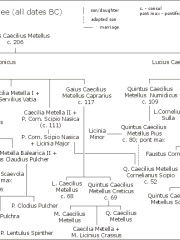
Quintus Caecilius Metellus Nepos
POLITICIAN
135 BC - 55 BC
HPI: 63.70
順位: 7
87 BC年に亡くなったその他の人物
すべてのランキングを見る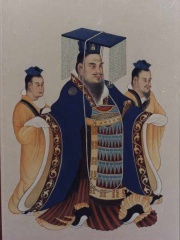
Emperor Wu of Han
POLITICIAN
156 BC - 87 BC
HPI: 77.80
順位: 1
Lucius Julius Caesar
POLITICIAN
135 BC - 87 BC
HPI: 68.81
順位: 2
Pompeius Strabo
POLITICIAN
135 BC - 87 BC
HPI: 68.63
順位: 3

Quintus Lutatius Catulus
POLITICIAN
150 BC - 87 BC
HPI: 67.70
順位: 4

Gnaeus Octavius
POLITICIAN
200 BC - 87 BC
HPI: 66.23
順位: 5

Marcus Antonius
POLITICIAN
143 BC - 87 BC
HPI: 64.70
順位: 6

Quintus Mucius Scaevola Augur
POLITICIAN
159 BC - 87 BC
HPI: 61.06
順位: 7

Lucius Cornelius Merula
POLITICIAN
200 BC - 87 BC
HPI: 55.31
順位: 8
イタリアの中で
イタリア生まれの人の中で、Pompeius StraboはNaN人中1,102位です。 彼より上位:Bernardino Luini (1475), Marcomer (400), Vito Volterra (1860), Gaspare Spontini (1774), Bettino Craxi (1934), 、Antipope Ursicinus (400). 彼より下位:Oscar Luigi Scalfaro (1918), Giovanni Battista Riccioli (1598), Antipope Boniface VII (1000), Alessandro Allori (1535), Beatrice of Naples (1457), 、Enrico De Nicola (1877).
イタリア生まれのその他の人物
すべてのランキングを見る
Bernardino Luini
PAINTER
1475 - 1532
HPI: 68.69
順位: 1,096
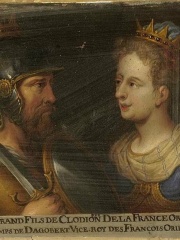
Marcomer
POLITICIAN
400 - 392
HPI: 68.67
順位: 1,097
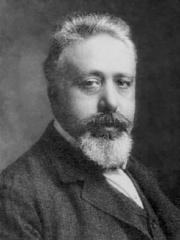
Vito Volterra
MATHEMATICIAN
1860 - 1940
HPI: 68.65
順位: 1,098
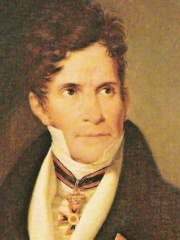
Gaspare Spontini
COMPOSER
1774 - 1851
HPI: 68.65
順位: 1,099

Bettino Craxi
POLITICIAN
1934 - 2000
HPI: 68.65
順位: 1,100

Antipope Ursicinus
RELIGIOUS FIGURE
400 - 384
HPI: 68.63
順位: 1,101
Pompeius Strabo
POLITICIAN
135 BC - 87 BC
HPI: 68.63
順位: 1,102
Oscar Luigi Scalfaro
POLITICIAN
1918 - 2012
HPI: 68.62
順位: 1,103
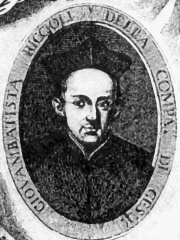
Giovanni Battista Riccioli
ASTRONOMER
1598 - 1671
HPI: 68.60
順位: 1,104
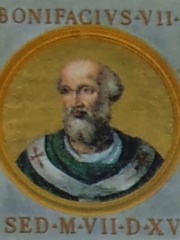
Antipope Boniface VII
RELIGIOUS FIGURE
1000 - 985
HPI: 68.60
順位: 1,105

Alessandro Allori
PAINTER
1535 - 1607
HPI: 68.60
順位: 1,106
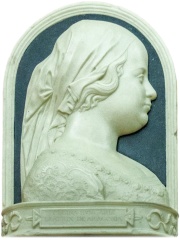
Beatrice of Naples
POLITICIAN
1457 - 1508
HPI: 68.57
順位: 1,107
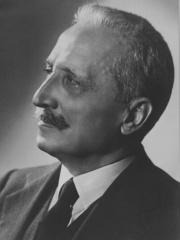
Enrico De Nicola
POLITICIAN
1877 - 1959
HPI: 68.56
順位: 1,108
イタリアの政治家の中で
イタリア生まれの政治家の中で、Pompeius Straboは240位です。 彼より上位:Guy III of Spoleto (900), Gelon (-600), Olympia Mancini, Countess of Soissons (1638), Luigi Einaudi (1874), Marcomer (400), 、Bettino Craxi (1934). 彼より下位:Oscar Luigi Scalfaro (1918), Beatrice of Naples (1457), Enrico De Nicola (1877), Joannes (400), Milonia Caesonia (7), 、Ferdinand II of Naples (1467).
Guy III of Spoleto
900 - 894
HPI: 68.77
順位: 234
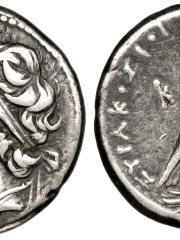
Gelon
600 BC - 477 BC
HPI: 68.76
順位: 235
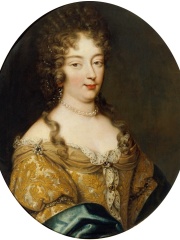
Olympia Mancini, Countess of Soissons
1638 - 1708
HPI: 68.76
順位: 236
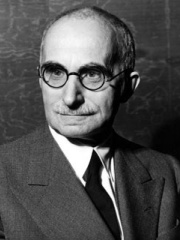
Luigi Einaudi
1874 - 1961
HPI: 68.70
順位: 237
Marcomer
400 - 392
HPI: 68.67
順位: 238
Bettino Craxi
1934 - 2000
HPI: 68.65
順位: 239
Pompeius Strabo
135 BC - 87 BC
HPI: 68.63
順位: 240
Oscar Luigi Scalfaro
1918 - 2012
HPI: 68.62
順位: 241
Beatrice of Naples
1457 - 1508
HPI: 68.57
順位: 242
Enrico De Nicola
1877 - 1959
HPI: 68.56
順位: 243
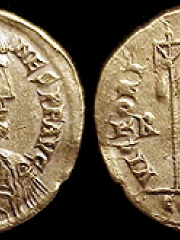
Joannes
400 - 425
HPI: 68.54
順位: 244
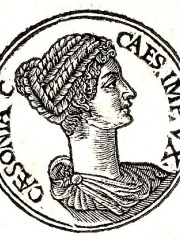
Milonia Caesonia
7 - 41
HPI: 68.50
順位: 245
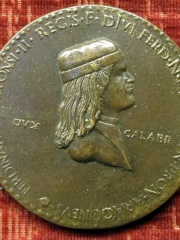
Ferdinand II of Naples
1467 - 1496
HPI: 68.45
順位: 246




