Figura religiosa
Vigilius of Trent
355 - 405
IT.WIKIPEDIA PAGE VIEWS (PV)
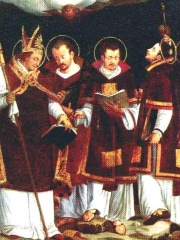
 Vigilius of Trent
La sua biografia è disponibile in 20 lingue su Wikipedia. Vigilius of Trent è il 1681° figura religiosa più popolare (in calo dal 1624° nel 2024), la 2226ª biografia più popolare dell'Italia (in aumento dal 2370ª nel 2019) e il 411° figura religiosa più popolare dell'Italia.
Memorability Metrics
14k
Page Views
Past 12 months
62.36
HPI
Historical Popularity Index
Page views of Vigilius of Trent by language
Among Figura religiosas
Among figura religiosas, Vigilius of Trent ranks 1,681 out of 3,187. Before him are Anna Vyrubova, Bérenger Saunière, Lluís Martínez Sistach, Ignatius Moses I Daoud, Ahmed Raza Khan Barelvi, and Sengcan. After him are Zakir Naik, Agostino Cacciavillan, Al-Baghawi, Christiaan Snouck Hurgronje, Gad, and Severus of Antioch.
Most Popular Figura Religiosas in Wikipedia
Go to all Rankings
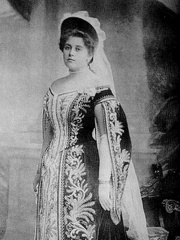
Anna Vyrubova
1884 - 1964
HPI: 62.38
Rank: 1,675
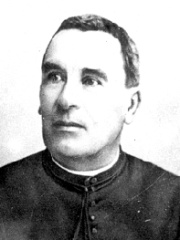
Bérenger Saunière
1852 - 1917
HPI: 62.37
Rank: 1,676
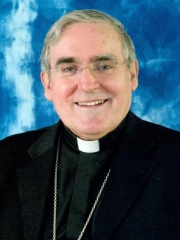
Lluís Martínez Sistach
1937 - Present
HPI: 62.37
Rank: 1,677

Ignatius Moses I Daoud
1930 - 2012
HPI: 62.37
Rank: 1,678
Ahmed Raza Khan Barelvi
1856 - 1921
HPI: 62.37
Rank: 1,679
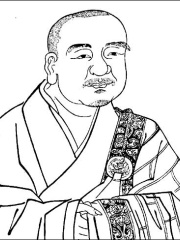
Sengcan
529 - 606
HPI: 62.37
Rank: 1,680
Vigilius of Trent
355 - 405
HPI: 62.36
Rank: 1,681
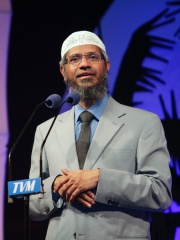
Zakir Naik
1965 - Present
HPI: 62.35
Rank: 1,682
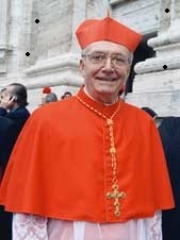
Agostino Cacciavillan
1926 - 2022
HPI: 62.35
Rank: 1,683

Al-Baghawi
1041 - 1122
HPI: 62.35
Rank: 1,684
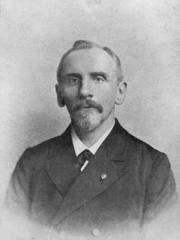
Christiaan Snouck Hurgronje
1857 - 1936
HPI: 62.35
Rank: 1,685

Gad
HPI: 62.35
Rank: 1,686
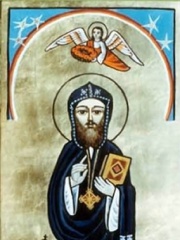
Severus of Antioch
456 - 538
HPI: 62.34
Rank: 1,687

Contemporaries
Among people born in 355, Vigilius of Trent ranks 1. Among people deceased in 405, Vigilius of Trent ranks 4. Before him are Theon of Alexandria, Emperor Richū, and Asin of Baekje. After him is Arsacius of Tarsus.
Others Born in 355
Go to all RankingsOthers Deceased in 405
Go to all Rankings
Theon of Alexandria
MATHEMATICIAN
335 - 405
HPI: 70.00
Rank: 1
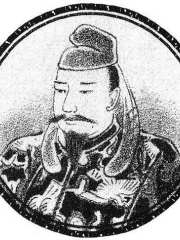
Emperor Richū
POLITICIAN
336 - 405
HPI: 68.29
Rank: 2

Asin of Baekje
POLITICIAN
450 - 405
HPI: 62.69
Rank: 3
Vigilius of Trent
RELIGIOUS FIGURE
355 - 405
HPI: 62.36
Rank: 4

Arsacius of Tarsus
RELIGIOUS FIGURE
400 - 405
HPI: 57.33
Rank: 5
In Italia
Among people born in Italia, Vigilius of Trent ranks 2,226 out of NaN. Before him are Giovanni Benedetto Castiglione (1607), Roger III of Sicily (1175), Eduardo di Capua (1865), Lucia Anguissola (1536), Gloria Guida (1955), and Prince Ferdinand Pius, Duke of Calabria (1869). After him are Prospero Alpini (1553), Perino del Vaga (1501), Renato Guttuso (1911), Giovanni Dondi dell'Orologio (1330), Cigoli (1559), and Luigi Guido Grandi (1671).
Others born in Italia
Go to all Rankings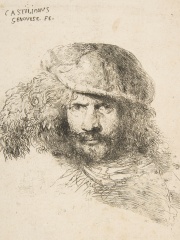
Giovanni Benedetto Castiglione
PAINTER
1607 - 1665
HPI: 62.38
Rank: 2,220
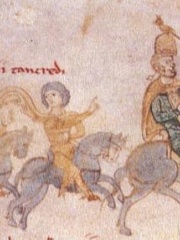
Roger III of Sicily
POLITICIAN
1175 - 1193
HPI: 62.38
Rank: 2,221

Eduardo di Capua
COMPOSER
1865 - 1917
HPI: 62.38
Rank: 2,222
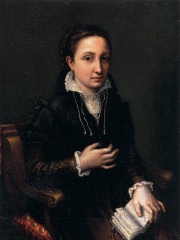
Lucia Anguissola
PAINTER
1536 - 1565
HPI: 62.37
Rank: 2,223

Gloria Guida
ACTOR
1955 - Present
HPI: 62.36
Rank: 2,224
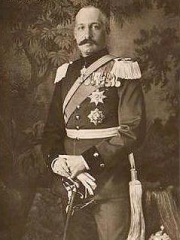
Prince Ferdinand Pius, Duke of Calabria
POLITICIAN
1869 - 1960
HPI: 62.36
Rank: 2,225
Vigilius of Trent
RELIGIOUS FIGURE
355 - 405
HPI: 62.36
Rank: 2,226
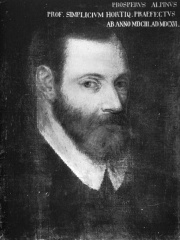
Prospero Alpini
PHYSICIAN
1553 - 1617
HPI: 62.35
Rank: 2,227
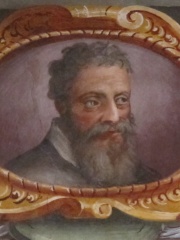
Perino del Vaga
PAINTER
1501 - 1547
HPI: 62.35
Rank: 2,228
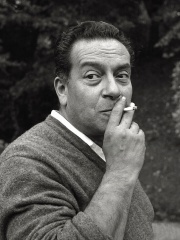
Renato Guttuso
PAINTER
1911 - 1987
HPI: 62.35
Rank: 2,229
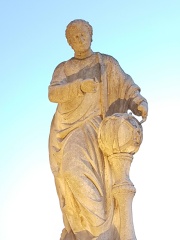
Giovanni Dondi dell'Orologio
ASTRONOMER
1330 - 1388
HPI: 62.35
Rank: 2,230
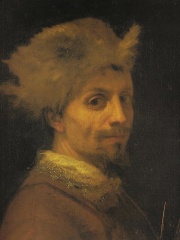
Cigoli
PAINTER
1559 - 1613
HPI: 62.35
Rank: 2,231
Luigi Guido Grandi
PHILOSOPHER
1671 - 1742
HPI: 62.33
Rank: 2,232
Among Figura religiosas In Italia
Among figura religiosas born in Italia, Vigilius of Trent ranks 411. Before him are Catherine of Genoa (1447), Pietro I Orseolo (928), Antipope Callixtus III (null), Andrew Corsini (1301), Marco d'Aviano (1631), and Nicola Canali (1874). After him are Alfredo Ildefonso Schuster (1880), Raffaele Farina (1933), Giovanni Urbani (1900), Clare of Montefalco (1268), Lanfranc (1005), and Giuseppe Betori (1947).

Catherine of Genoa
1447 - 1510
HPI: 62.83
Rank: 405
Pietro I Orseolo
928 - 987
HPI: 62.80
Rank: 406
Antipope Callixtus III
HPI: 62.73
Rank: 407
Andrew Corsini
1301 - 1373
HPI: 62.64
Rank: 408
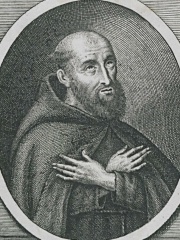
Marco d'Aviano
1631 - 1699
HPI: 62.55
Rank: 409
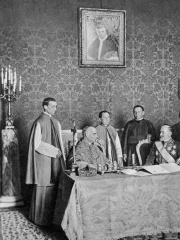
Nicola Canali
1874 - 1961
HPI: 62.50
Rank: 410
Vigilius of Trent
355 - 405
HPI: 62.36
Rank: 411
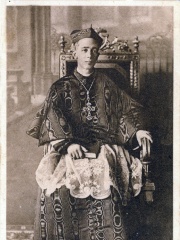
Alfredo Ildefonso Schuster
1880 - 1954
HPI: 62.32
Rank: 412

Raffaele Farina
1933 - Present
HPI: 62.31
Rank: 413
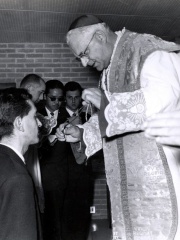
Giovanni Urbani
1900 - 1969
HPI: 62.27
Rank: 414
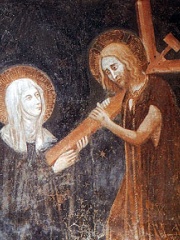
Clare of Montefalco
1268 - 1308
HPI: 62.27
Rank: 415
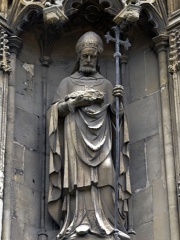
Lanfranc
1005 - 1089
HPI: 62.26
Rank: 416
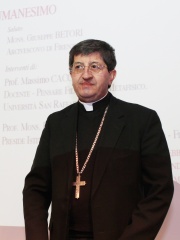
Giuseppe Betori
1947 - Present
HPI: 62.20
Rank: 417




