Matematico
Simon Donaldson
1957 - presente
VISUALIZZAZIONI SU IT.WIKIPEDIA (PV)

 Simon Donaldson
La sua biografia è disponibile in 34 lingue su Wikipedia (in aumento rispetto a 33 nel 2024). Simon Donaldson è il 762° matematico più popolare (in aumento dal 844° nel 2024), la 3856ª biografia più popolare della Regno Unito (in aumento dal 4346ª nel 2019) e il 80° matematico più popolare della Regno Unito.
Metriche di memorabilità
32k
Visualizzazioni
Ultimi 12 mesi
55.98
HPI
Indice di popolarità storica
Visualizzazioni della pagina di Simon Donaldson per lingua
Tra Matematico
Tra Matematico, Simon Donaldson occupa la posizione 762 su 1,004. Prima di lui ci sono Szolem Mandelbrojt, Johann Faulhaber, Saharon Shelah, Victor Puiseux, Curtis T. McMullen, e Sergei Adian. Dopo di lui ci sono Harald Cramér, Ludwig Schlesinger, Hua Luogeng, Charles Howard Hinton, Maria Angela Ardinghelli, e Franz Mertens.
Matematico più popolari su Wikipedia
Vai a tutte le classifiche
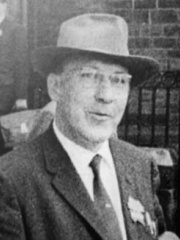
Szolem Mandelbrojt
1899 - 1983
HPI: 56.08
Posizione: 756
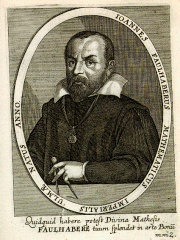
Johann Faulhaber
1580 - 1635
HPI: 56.07
Posizione: 757

Saharon Shelah
1945 - presente
HPI: 56.05
Posizione: 758
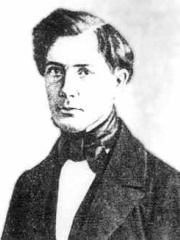
Victor Puiseux
1820 - 1883
HPI: 56.02
Posizione: 759

Curtis T. McMullen
1958 - presente
HPI: 56.01
Posizione: 760

Sergei Adian
1931 - 2020
HPI: 55.99
Posizione: 761
Simon Donaldson
1957 - presente
HPI: 55.98
Posizione: 762
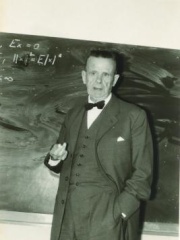
Harald Cramér
1893 - 1985
HPI: 55.95
Posizione: 763
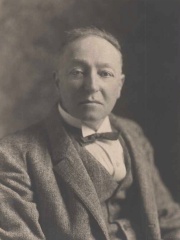
Ludwig Schlesinger
1864 - 1933
HPI: 55.95
Posizione: 764

Hua Luogeng
1910 - 1985
HPI: 55.93
Posizione: 765
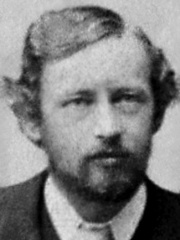
Charles Howard Hinton
1853 - 1907
HPI: 55.93
Posizione: 766
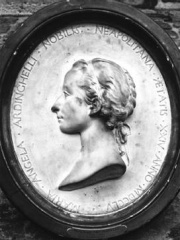
Maria Angela Ardinghelli
1728 - 1825
HPI: 55.91
Posizione: 767
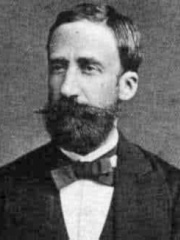
Franz Mertens
1840 - 1927
HPI: 55.89
Posizione: 768

Contemporanei
Tra le persone nate nel 1957, Simon Donaldson occupa la posizione 298. Prima di lui ci sono Ingrid Auerswald, Jüri Tamm, Yoshio Kato, Shirō Sagisu, Michael Bowen, e Reiner Knizia. Dopo di lui ci sono Kadim Al Sahir, Roberto Rojas, John Kassir, Cameron Crowe, Andrei Kolkoutine, e Steve Porcaro.
Altre persone nate nel 1957
Vai a tutte le classifiche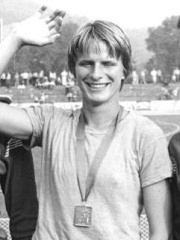
Ingrid Auerswald
ATHLETE
1957 - presente
HPI: 56.17
Posizione: 292

Jüri Tamm
ATHLETE
1957 - 2021
HPI: 56.16
Posizione: 293

Yoshio Kato
SOCCER PLAYER
1957 - presente
HPI: 56.13
Posizione: 294

Shirō Sagisu
COMPOSER
1957 - presente
HPI: 56.11
Posizione: 295

Michael Bowen
ACTOR
1957 - presente
HPI: 56.10
Posizione: 296

Reiner Knizia
GAME DESIGNER
1957 - presente
HPI: 55.98
Posizione: 297
Simon Donaldson
MATHEMATICIAN
1957 - presente
HPI: 55.98
Posizione: 298

Kadim Al Sahir
SINGER
1957 - presente
HPI: 55.97
Posizione: 299

Roberto Rojas
SOCCER PLAYER
1957 - presente
HPI: 55.96
Posizione: 300

John Kassir
ACTOR
1957 - presente
HPI: 55.95
Posizione: 301
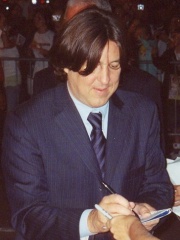
Cameron Crowe
FILM DIRECTOR
1957 - presente
HPI: 55.95
Posizione: 302

Andrei Kolkoutine
PAINTER
1957 - presente
HPI: 55.94
Posizione: 303

Steve Porcaro
SINGER
1957 - presente
HPI: 55.92
Posizione: 304
In Regno Unito
Tra le persone nate in Regno Unito, Simon Donaldson occupa la posizione 3,856 su NaN. Prima di lui ci sono Jon Hiseman (1944), Leslie Marr (1922), Tom Daley (1994), Lucy Hawking (1969), Howard Stringer (1942), e Peter Ackroyd (1949). Dopo di lui ci sono Henry Scott Tuke (1858), Frederick William Beechey (1796), Charles Jarrott (1927), John Collins (1968), Margaret Beckett (1943), e Geoffrey Lawrence, 1st Baron Oaksey (1880).
Altre persone nate in Regno Unito
Vai a tutte le classifiche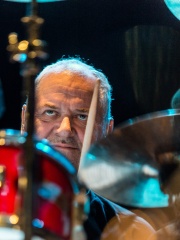
Jon Hiseman
MUSICIAN
1944 - 2018
HPI: 55.99
Posizione: 3,850

Leslie Marr
RACING DRIVER
1922 - 2021
HPI: 55.99
Posizione: 3,851

Tom Daley
ATHLETE
1994 - presente
HPI: 55.99
Posizione: 3,852
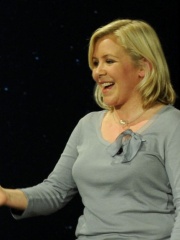
Lucy Hawking
WRITER
1969 - presente
HPI: 55.99
Posizione: 3,853
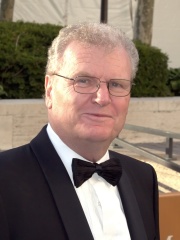
Howard Stringer
BUSINESSPERSON
1942 - presente
HPI: 55.98
Posizione: 3,854

Peter Ackroyd
WRITER
1949 - presente
HPI: 55.98
Posizione: 3,855
Simon Donaldson
MATHEMATICIAN
1957 - presente
HPI: 55.98
Posizione: 3,856
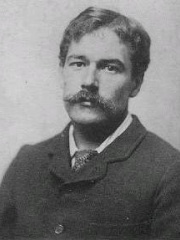
Henry Scott Tuke
PAINTER
1858 - 1929
HPI: 55.98
Posizione: 3,857
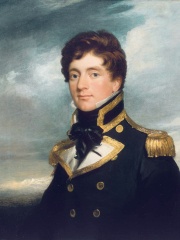
Frederick William Beechey
EXPLORER
1796 - 1856
HPI: 55.98
Posizione: 3,858

Charles Jarrott
FILM DIRECTOR
1927 - 2011
HPI: 55.97
Posizione: 3,859

John Collins
SOCCER PLAYER
1968 - presente
HPI: 55.97
Posizione: 3,860
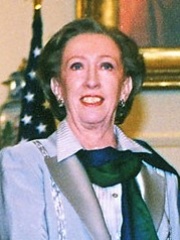
Margaret Beckett
POLITICIAN
1943 - presente
HPI: 55.97
Posizione: 3,861

Geoffrey Lawrence, 1st Baron Oaksey
JUDGE
1880 - 1971
HPI: 55.97
Posizione: 3,862
Tra Matematico in Regno Unito
Tra Matematico nati in Regno Unito, Simon Donaldson occupa la posizione 80. Prima di lui ci sono Benjamin Robins (1707), John Cairncross (1913), David Cox (1924), Max Newman (1897), William Hopkins (1793), e Thomas Digges (1546). Dopo di lui ci sono Charles Howard Hinton (1853), John Lennox (1943), Grace Chisholm Young (1868), E. T. Whittaker (1873), Frank Morley (1860), e David Gregory (1659).

Benjamin Robins
1707 - 1751
HPI: 57.22
Posizione: 74
John Cairncross
1913 - 1995
HPI: 56.81
Posizione: 75
David Cox
1924 - 2022
HPI: 56.75
Posizione: 76

Max Newman
1897 - 1984
HPI: 56.67
Posizione: 77
William Hopkins
1793 - 1866
HPI: 56.49
Posizione: 78

Thomas Digges
1546 - 1595
HPI: 56.47
Posizione: 79
Simon Donaldson
1957 - presente
HPI: 55.98
Posizione: 80
Charles Howard Hinton
1853 - 1907
HPI: 55.93
Posizione: 81
John Lennox
1943 - presente
HPI: 55.82
Posizione: 82
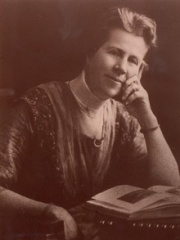
Grace Chisholm Young
1868 - 1944
HPI: 55.69
Posizione: 83
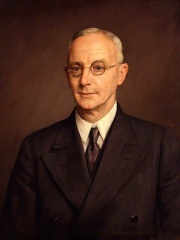
E. T. Whittaker
1873 - 1956
HPI: 55.61
Posizione: 84
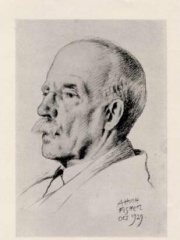
Frank Morley
1860 - 1937
HPI: 55.53
Posizione: 85

David Gregory
1659 - 1708
HPI: 54.76
Posizione: 86




