Politico
Samir Geagea
1952 - presente
VISUALIZZAZIONI SU IT.WIKIPEDIA (PV)
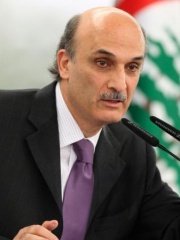

 Samir Geagea
La sua biografia è disponibile in 20 lingue su Wikipedia (in aumento rispetto a 19 nel 2024). Samir Geagea è il 9965° politico più popolare (in calo dal 9038° nel 2024), la 73ª biografia più popolare della Libano (in calo dal 67ª nel 2019) e il 34° politico più popolare della Libano.
Metriche di memorabilità
130k
Visualizzazioni
Ultimi 12 mesi
61.33
HPI
Indice di popolarità storica
Visualizzazioni della pagina di Samir Geagea per lingua
Tra Politico
Tra Politico, Samir Geagea occupa la posizione 9,960 su 19,576. Prima di lui ci sono Lorenzo Tiepolo, Abel Pacheco, Friedrich Wilhelm von Buxhoeveden, Johann Voldemar Jannsen, Eudokia Ingerina, e Berthold II, Duke of Swabia. Dopo di lui ci sono Duchess Amelia of Württemberg, Gustave Ador, William II Jordan, Theodoros Pangalos, Lucius Cornelius Scipio, e Alfonso Fróilaz.
Politico più popolari su Wikipedia
Vai a tutte le classifiche

Lorenzo Tiepolo
1300 - 1275
HPI: 61.34
Posizione: 9,959
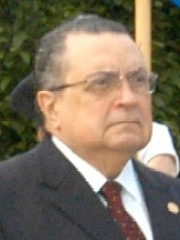
Abel Pacheco
1933 - presente
HPI: 61.34
Posizione: 9,960
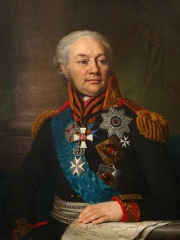
Friedrich Wilhelm von Buxhoeveden
1750 - presente
HPI: 61.34
Posizione: 9,961
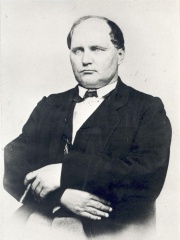
Johann Voldemar Jannsen
1819 - 1890
HPI: 61.34
Posizione: 9,962
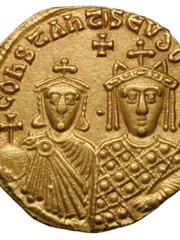
Eudokia Ingerina
840 - 882
HPI: 61.34
Posizione: 9,963
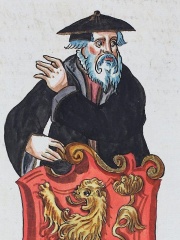
Berthold II, Duke of Swabia
1050 - 1111
HPI: 61.34
Posizione: 9,964
Samir Geagea
1952 - presente
HPI: 61.33
Posizione: 9,965
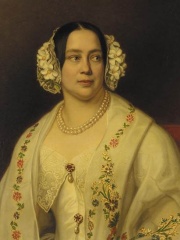
Duchess Amelia of Württemberg
1799 - 1848
HPI: 61.33
Posizione: 9,966
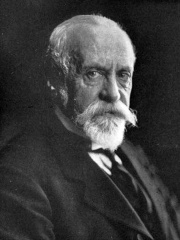
Gustave Ador
1845 - 1928
HPI: 61.33
Posizione: 9,967

William II Jordan
1079 - 1110
HPI: 61.33
Posizione: 9,968
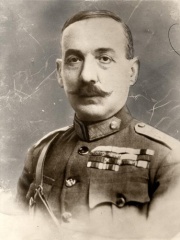
Theodoros Pangalos
1878 - 1952
HPI: 61.33
Posizione: 9,969

Lucius Cornelius Scipio
300 BC - 250 BC
HPI: 61.33
Posizione: 9,970

Alfonso Fróilaz
911 - 933
HPI: 61.33
Posizione: 9,971

Contemporanei
Tra le persone nate nel 1952, Samir Geagea occupa la posizione 185. Prima di lui ci sono Sergei Stepashin, Lars Peter Hansen, Sergio Marchionne, Jung Chang, Sarah Douglas, e Ali Abdullah Ayyoub. Dopo di lui ci sono Freddy Maertens, Patrick Strzoda, Mitch Pileggi, Zdeněk Nehoda, Johann Schneider-Ammann, e Bill Kristol.
Altre persone nate nel 1952
Vai a tutte le classifiche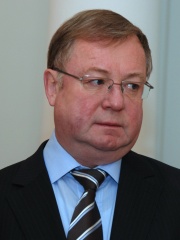
Sergei Stepashin
POLITICIAN
1952 - presente
HPI: 61.76
Posizione: 179
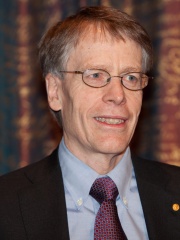
Lars Peter Hansen
ECONOMIST
1952 - presente
HPI: 61.59
Posizione: 180
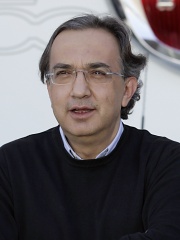
Sergio Marchionne
BUSINESSPERSON
1952 - 2018
HPI: 61.49
Posizione: 181
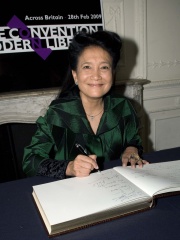
Jung Chang
WRITER
1952 - presente
HPI: 61.47
Posizione: 182
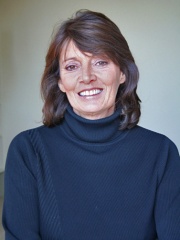
Sarah Douglas
ACTOR
1952 - presente
HPI: 61.43
Posizione: 183

Ali Abdullah Ayyoub
POLITICIAN
1952 - presente
HPI: 61.42
Posizione: 184
Samir Geagea
POLITICIAN
1952 - presente
HPI: 61.33
Posizione: 185
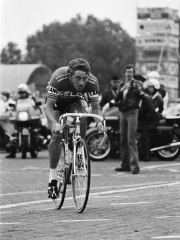
Freddy Maertens
CYCLIST
1952 - presente
HPI: 61.28
Posizione: 186
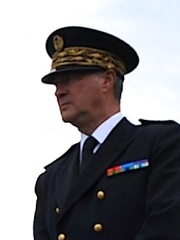
Patrick Strzoda
POLITICIAN
1952 - presente
HPI: 61.24
Posizione: 187
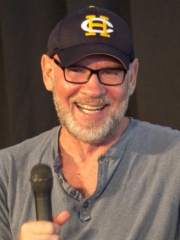
Mitch Pileggi
ACTOR
1952 - presente
HPI: 61.17
Posizione: 188
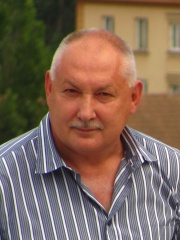
Zdeněk Nehoda
SOCCER PLAYER
1952 - presente
HPI: 61.13
Posizione: 189
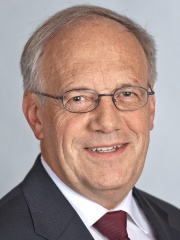
Johann Schneider-Ammann
POLITICIAN
1952 - presente
HPI: 61.10
Posizione: 190
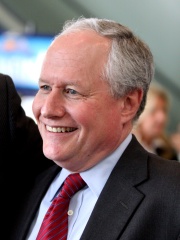
Bill Kristol
POLITICIAN
1952 - presente
HPI: 61.07
Posizione: 191
In Libano
Tra le persone nate in Libano, Samir Geagea occupa la posizione 73 su NaN. Prima di lui ci sono Nasrallah Boutros Sfeir (1920), Imad Mughniyah (1962), Philo of Byblos (64), Callinicus of Heliopolis (700), Abd al-Rahman al-Awza'i (707), e Fawzi al-Qawuqji (1890). Dopo di lui ci sono Bahāʾ al-dīn al-ʿĀmilī (1547), Élias Sarkis (1924), Ahmad Shukeiri (1908), Gabriel Yared (1949), Abdalonymus (-305), e Hashem Safieddine (1964).
Altre persone nate in Libano
Vai a tutte le classifiche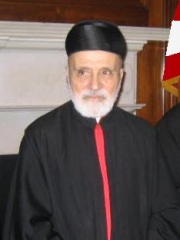
Nasrallah Boutros Sfeir
RELIGIOUS FIGURE
1920 - 2019
HPI: 62.29
Posizione: 67

Imad Mughniyah
POLITICIAN
1962 - 2008
HPI: 62.18
Posizione: 68

Philo of Byblos
WRITER
64 - 141
HPI: 62.10
Posizione: 69
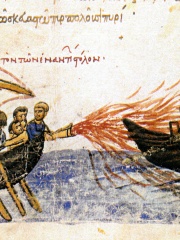
Callinicus of Heliopolis
ARCHITECT
700 - 700
HPI: 62.09
Posizione: 70

Abd al-Rahman al-Awza'i
RELIGIOUS FIGURE
707 - 774
HPI: 62.04
Posizione: 71
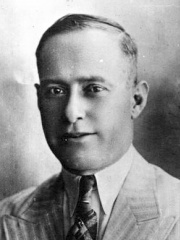
Fawzi al-Qawuqji
MILITARY PERSONNEL
1890 - 1977
HPI: 61.38
Posizione: 72
Samir Geagea
POLITICIAN
1952 - presente
HPI: 61.33
Posizione: 73
Bahāʾ al-dīn al-ʿĀmilī
PHILOSOPHER
1547 - 1621
HPI: 61.20
Posizione: 74
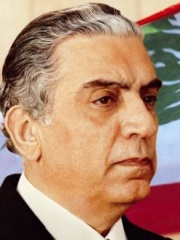
Élias Sarkis
POLITICIAN
1924 - 1985
HPI: 61.13
Posizione: 75
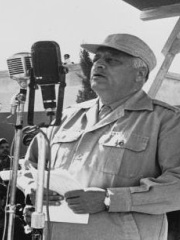
Ahmad Shukeiri
POLITICIAN
1908 - 1980
HPI: 61.11
Posizione: 76
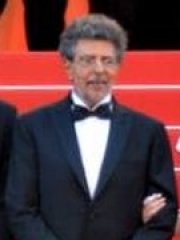
Gabriel Yared
COMPOSER
1949 - presente
HPI: 60.96
Posizione: 77
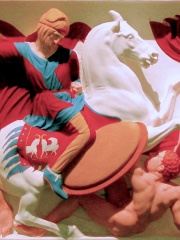
Abdalonymus
POLITICIAN
305 BC - presente
HPI: 60.83
Posizione: 78
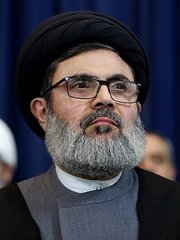
Hashem Safieddine
RELIGIOUS FIGURE
1964 - 2024
HPI: 60.69
Posizione: 79
Tra Politico in Libano
Tra Politico nati in Libano, Samir Geagea occupa la posizione 34. Prima di lui ci sono Fuad Chehab (1902), Suleiman Frangieh (1910), René Moawad (1925), Nicolas Hayek (1928), Selim Hoss (1929), e Imad Mughniyah (1962). Dopo di lui ci sono Élias Sarkis (1924), Ahmad Shukeiri (1908), Abdalonymus (-305), Fakhr al-Din II (1572), Charles Helou (1913), e Elie Hobeika (1956).
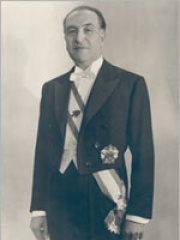
Fuad Chehab
1902 - 1973
HPI: 62.81
Posizione: 28
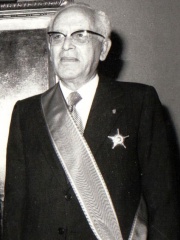
Suleiman Frangieh
1910 - 1992
HPI: 62.68
Posizione: 29
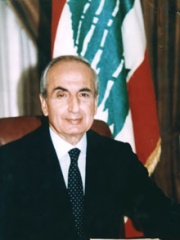
René Moawad
1925 - 1989
HPI: 62.59
Posizione: 30
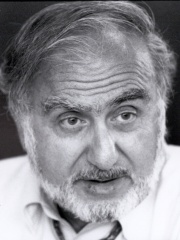
Nicolas Hayek
1928 - 2010
HPI: 62.54
Posizione: 31
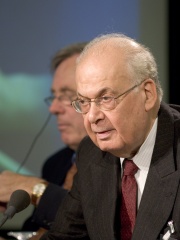
Selim Hoss
1929 - 2024
HPI: 62.33
Posizione: 32
Imad Mughniyah
1962 - 2008
HPI: 62.18
Posizione: 33
Samir Geagea
1952 - presente
HPI: 61.33
Posizione: 34
Élias Sarkis
1924 - 1985
HPI: 61.13
Posizione: 35
Ahmad Shukeiri
1908 - 1980
HPI: 61.11
Posizione: 36
Abdalonymus
305 BC - presente
HPI: 60.83
Posizione: 37
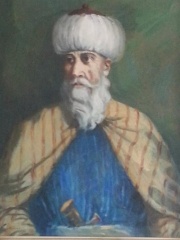
Fakhr al-Din II
1572 - 1635
HPI: 60.22
Posizione: 38
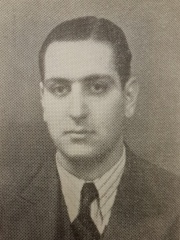
Charles Helou
1913 - 2001
HPI: 60.04
Posizione: 39
Elie Hobeika
1956 - 2002
HPI: 59.64
Posizione: 40




