Compagno
Mastani
1699 - 1740
VISUALIZZAZIONI SU IT.WIKIPEDIA (PV)
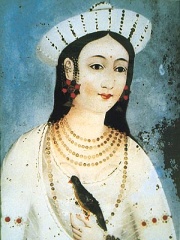
 Mastani
La sua biografia è disponibile in 23 lingue su Wikipedia (in aumento rispetto a 22 nel 2024). Mastani è la 733ª compagno più popolare (in calo dal 607ª nel 2024), la 529ª biografia più popolare dell'India (in calo dal 319ª nel 2019) e la 5ª compagno più popolare dell'India.
Metriche di memorabilità
150k
Visualizzazioni
Ultimi 12 mesi
58.26
HPI
Indice di popolarità storica
Visualizzazioni della pagina di Mastani per lingua
Tra Compagno
Tra Compagno, Mastani occupa la posizione 733 su 784. Prima di lei ci sono Ermesinda of Bigorre, Catherine Sunesdotter, Prince Gustav of Denmark, Katherine Swynford, Mary of Guelders, e Prokopia. Dopo di lei ci sono Princess Antoinette of Saxe-Altenburg, Synadene, Gunnhildr Sveinsdóttir, Nazikeda Kadın, Berengaria of León, e Margaret of L'Aigle.
Compagno più popolari su Wikipedia
Vai a tutte le classifiche
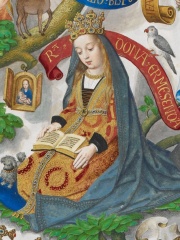
Ermesinda of Bigorre
1015 - 1049
HPI: 58.45
Posizione: 727
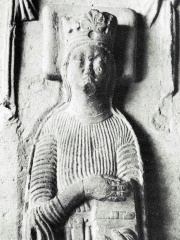
Catherine Sunesdotter
1215 - 1252
HPI: 58.39
Posizione: 728
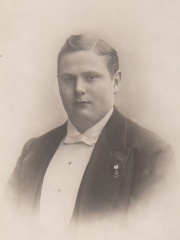
Prince Gustav of Denmark
1887 - 1944
HPI: 58.38
Posizione: 729
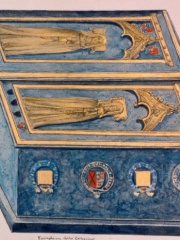
Katherine Swynford
1350 - 1403
HPI: 58.35
Posizione: 730
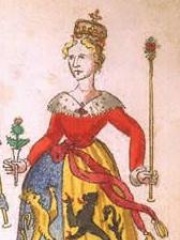
Mary of Guelders
1434 - 1463
HPI: 58.33
Posizione: 731

Prokopia
770 - presente
HPI: 58.32
Posizione: 732
Mastani
1699 - 1740
HPI: 58.26
Posizione: 733
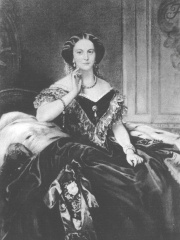
Princess Antoinette of Saxe-Altenburg
1838 - 1908
HPI: 58.25
Posizione: 734

Synadene
HPI: 58.25
Posizione: 735

Gunnhildr Sveinsdóttir
1015 - 1060
HPI: 58.24
Posizione: 736
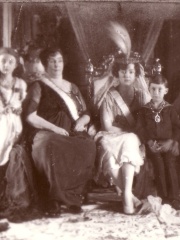
Nazikeda Kadın
1866 - 1941
HPI: 58.22
Posizione: 737

Berengaria of León
1204 - 1237
HPI: 58.21
Posizione: 738

Margaret of L'Aigle
1104 - 1141
HPI: 58.17
Posizione: 739

Contemporanei
Tra le persone nate nel 1699, Mastani occupa la posizione 15. Prima di lei ci sono Anna Leszczyńska, Françoise-Louise de Warens, Hans Joachim von Zieten, Bernard de Jussieu, Frederick III, Duke of Saxe-Gotha-Altenburg, e Alamgir II. Dopo di lei ci sono Rafi ud-Darajat, e John Bartram. Tra le persone decedute nel 1740, Mastani occupa la posizione 18. Prima di lei ci sono Jan Kupecký, Princess Magdalena Augusta of Anhalt-Zerbst, Olof Rudbeck the Younger, Pietro Ottoboni, Vincent Lübeck, e Ephraim Chambers. Dopo di lei c'è Grace Sherwood.
Altre persone nate nel 1699
Vai a tutte le classifiche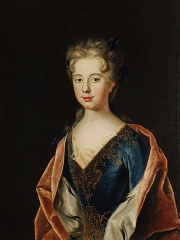
Anna Leszczyńska
POLITICIAN
1699 - 1717
HPI: 62.49
Posizione: 9
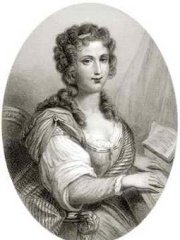
Françoise-Louise de Warens
NOBLEMAN
1699 - 1762
HPI: 62.36
Posizione: 10
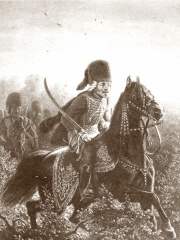
Hans Joachim von Zieten
MILITARY PERSONNEL
1699 - 1786
HPI: 60.84
Posizione: 11
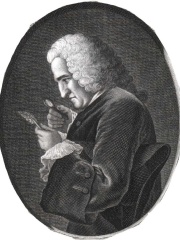
Bernard de Jussieu
PHYSICIAN
1699 - 1777
HPI: 60.45
Posizione: 12

Frederick III, Duke of Saxe-Gotha-Altenburg
NOBLEMAN
1699 - 1772
HPI: 59.64
Posizione: 13
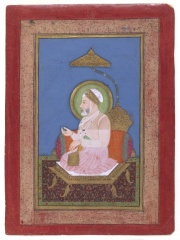
Alamgir II
POLITICIAN
1699 - 1759
HPI: 59.22
Posizione: 14
Mastani
COMPANION
1699 - 1740
HPI: 58.26
Posizione: 15
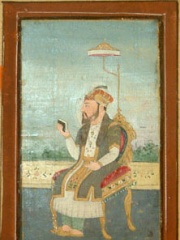
Rafi ud-Darajat
POLITICIAN
1699 - 1719
HPI: 55.97
Posizione: 16
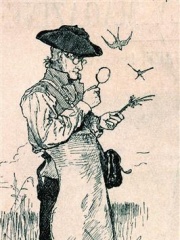
John Bartram
BIOLOGIST
1699 - 1777
HPI: 51.81
Posizione: 17
Altre persone decedute nel 1740
Vai a tutte le classifiche
Jan Kupecký
PAINTER
1667 - 1740
HPI: 64.45
Posizione: 12
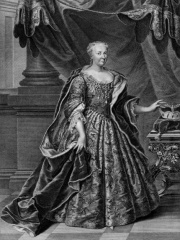
Princess Magdalena Augusta of Anhalt-Zerbst
NOBLEMAN
1679 - 1740
HPI: 61.61
Posizione: 13
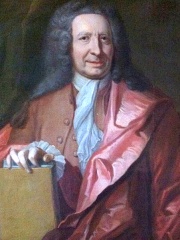
Olof Rudbeck the Younger
PHYSICIAN
1660 - 1740
HPI: 60.69
Posizione: 14
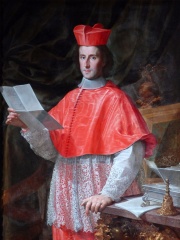
Pietro Ottoboni
RELIGIOUS FIGURE
1667 - 1740
HPI: 60.60
Posizione: 15
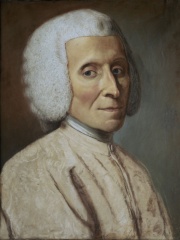
Vincent Lübeck
COMPOSER
1654 - 1740
HPI: 59.75
Posizione: 16
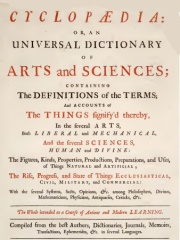
Ephraim Chambers
WRITER
1680 - 1740
HPI: 59.36
Posizione: 17
Mastani
COMPANION
1699 - 1740
HPI: 58.26
Posizione: 18

Grace Sherwood
SOCIAL ACTIVIST
1660 - 1740
HPI: 58.18
Posizione: 19
In India
Tra le persone nate in India, Mastani occupa la posizione 529 su NaN. Prima di lei ci sono Asin (1985), Chinmayananda Saraswati (1916), Ashraf Ali Thanwi (1863), Puneeth Rajkumar (1975), Rajinikanth (1950), e Tirumalai Krishnamacharya (1888). Dopo di lei ci sono Kadambini Ganguly (1861), Bhaichung Bhutia (1976), Cerverí de Girona (1259), Subhadra Kumari Chauhan (1904), Jhalkaribai (1830), e M. S. Swaminathan (1925).
Altre persone nate in India
Vai a tutte le classifiche
Asin
ACTOR
1985 - presente
HPI: 58.39
Posizione: 523
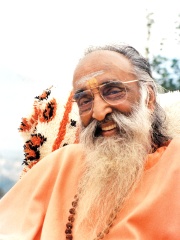
Chinmayananda Saraswati
PHILOSOPHER
1916 - 1993
HPI: 58.39
Posizione: 524

Ashraf Ali Thanwi
RELIGIOUS FIGURE
1863 - 1943
HPI: 58.32
Posizione: 525

Puneeth Rajkumar
ACTOR
1975 - 2021
HPI: 58.32
Posizione: 526

Rajinikanth
ACTOR
1950 - presente
HPI: 58.28
Posizione: 527
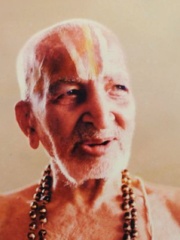
Tirumalai Krishnamacharya
PHILOSOPHER
1888 - 1989
HPI: 58.27
Posizione: 528
Mastani
COMPANION
1699 - 1740
HPI: 58.26
Posizione: 529
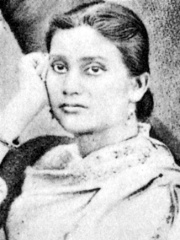
Kadambini Ganguly
PHYSICIAN
1861 - 1923
HPI: 58.24
Posizione: 530

Bhaichung Bhutia
SOCCER PLAYER
1976 - presente
HPI: 58.22
Posizione: 531

Cerverí de Girona
WRITER
1259 - 1285
HPI: 58.18
Posizione: 532
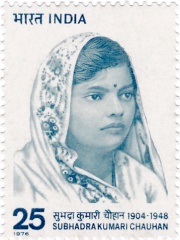
Subhadra Kumari Chauhan
WRITER
1904 - 1948
HPI: 58.14
Posizione: 533
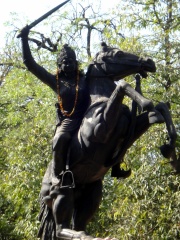
Jhalkaribai
POLITICIAN
1830 - 1858
HPI: 58.13
Posizione: 534
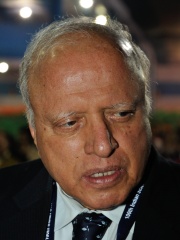
M. S. Swaminathan
POLITICIAN
1925 - 2023
HPI: 58.12
Posizione: 535
Tra Compagno in India
Tra Compagno nati in India, Mastani occupa la posizione 5. Prima di lei ci sono Mumtaz Mahal (1593), Mariam-uz-Zamani (1542), Sita (null), e Jagat Gosain (1573). Dopo di lei ci sono Brian Horrocks (1895), Salima Sultan Begum (1539), e Kashibai (1703).
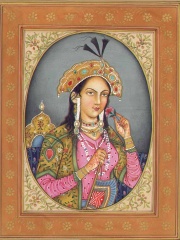
Mumtaz Mahal
1593 - 1631
HPI: 85.84
Posizione: 1
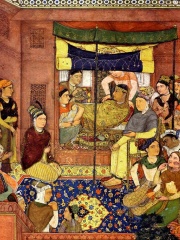
Mariam-uz-Zamani
1542 - 1623
HPI: 73.82
Posizione: 2
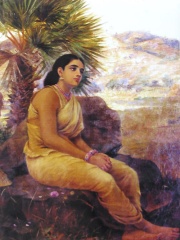
Sita
HPI: 72.17
Posizione: 3
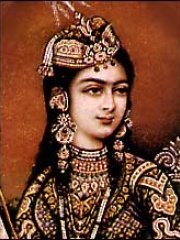
Jagat Gosain
1573 - 1619
HPI: 63.83
Posizione: 4
Mastani
1699 - 1740
HPI: 58.26
Posizione: 5
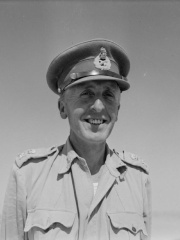
Brian Horrocks
1895 - 1985
HPI: 56.76
Posizione: 6
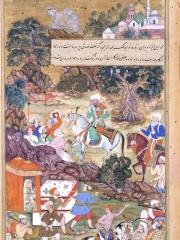
Salima Sultan Begum
1539 - 1613
HPI: 56.21
Posizione: 7

Kashibai
1703 - 1758
HPI: 52.57
Posizione: 8




