Politico
Heinz-Christian Strache
1969 - presente
VISUALIZZAZIONI SU IT.WIKIPEDIA (PV)


 Heinz-Christian Strache
La sua biografia è disponibile in 42 lingue su Wikipedia. Heinz-Christian Strache è il 15197° politico più popolare (in calo dal 15196° nel 2024), la 916ª biografia più popolare dell'Austria (in aumento dal 941ª nel 2019) e il 208° politico più popolare dell'Austria.
Metriche di memorabilità
81k
Visualizzazioni
Ultimi 12 mesi
55.48
HPI
Indice di popolarità storica
Dati in evidenza
42
La biografia di Heinz-Christian Strache compare in 42 edizioni linguistiche di Wikipedia — più del 85% di tutti i Politico.
12 giu
Heinz-Christian Strache condivide il compleanno (12 giugno) con Anne Frank, George H. W. Bush e Egon Schiele.
Visualizzazioni della pagina di Heinz-Christian Strache per lingua
Tra Politico
Tra Politico, Heinz-Christian Strache occupa la posizione 15,190 su 19,576. Prima di lui ci sono Tiberius Claudius Balbilus, Otto Bahr Halvorsen, José Rufino Echenique, Talorc II, Yevgeny Shevchuk, e Mirabeau B. Lamar. Dopo di lui ci sono Carlos José Solórzano, Pieter Cort van der Linden, Hernando Siles Reyes, Vuk Grgurević, Ding Xuexiang, e Manuel Esquivel.
Politico più popolari su Wikipedia
Vai a tutte le classifiche

Tiberius Claudius Balbilus
100 - 100
HPI: 55.49
Posizione: 15,191
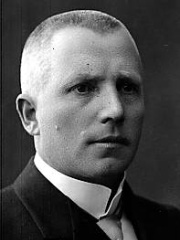
Otto Bahr Halvorsen
1872 - 1923
HPI: 55.49
Posizione: 15,192
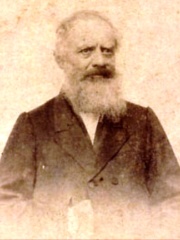
José Rufino Echenique
1808 - 1887
HPI: 55.49
Posizione: 15,193

Talorc II
550 - 575
HPI: 55.48
Posizione: 15,194
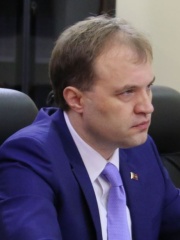
Yevgeny Shevchuk
1968 - presente
HPI: 55.48
Posizione: 15,195
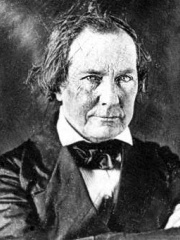
Mirabeau B. Lamar
1798 - 1859
HPI: 55.48
Posizione: 15,196
Heinz-Christian Strache
1969 - presente
HPI: 55.48
Posizione: 15,197
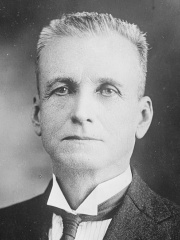
Carlos José Solórzano
1860 - 1936
HPI: 55.48
Posizione: 15,198
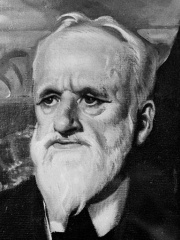
Pieter Cort van der Linden
1846 - 1935
HPI: 55.48
Posizione: 15,199
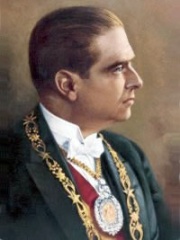
Hernando Siles Reyes
1882 - 1942
HPI: 55.48
Posizione: 15,200
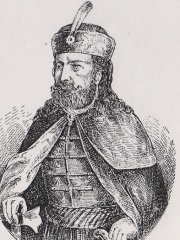
Vuk Grgurević
1440 - 1485
HPI: 55.48
Posizione: 15,201
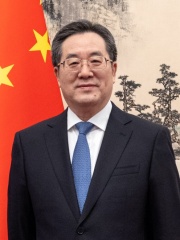
Ding Xuexiang
1962 - presente
HPI: 55.48
Posizione: 15,202
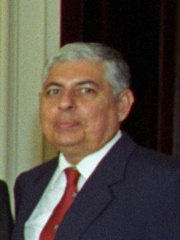
Manuel Esquivel
1940 - 2022
HPI: 55.48
Posizione: 15,203

Contemporanei
Tra le persone nate nel 1969, Heinz-Christian Strache occupa la posizione 246. Prima di lui ci sono Clotilde Courau, Martin Klebba, Paget Brewster, Jeremy Davies, Alexandra Hedison, e Vlad Filat. Dopo di lui ci sono Željko Milinovič, Chandra Wilson, Teresa Ribera, Robert Maillet, Jay Kay, e Jintara Poonlarp.
Altre persone nate nel 1969
Vai a tutte le classifiche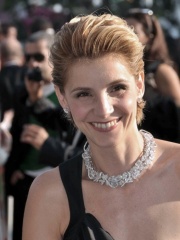
Clotilde Courau
ACTOR
1969 - presente
HPI: 55.71
Posizione: 240

Martin Klebba
ACTOR
1969 - presente
HPI: 55.65
Posizione: 241

Paget Brewster
ACTOR
1969 - presente
HPI: 55.60
Posizione: 242
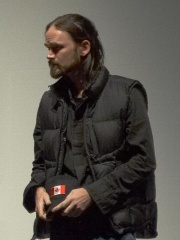
Jeremy Davies
ACTOR
1969 - presente
HPI: 55.60
Posizione: 243
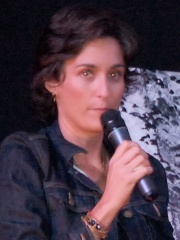
Alexandra Hedison
ACTOR
1969 - presente
HPI: 55.57
Posizione: 244
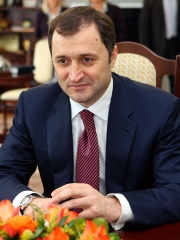
Vlad Filat
POLITICIAN
1969 - presente
HPI: 55.49
Posizione: 245
Heinz-Christian Strache
POLITICIAN
1969 - presente
HPI: 55.48
Posizione: 246

Željko Milinovič
SOCCER PLAYER
1969 - presente
HPI: 55.48
Posizione: 247

Chandra Wilson
ACTOR
1969 - presente
HPI: 55.44
Posizione: 248
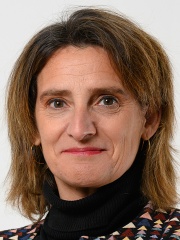
Teresa Ribera
POLITICIAN
1969 - presente
HPI: 55.42
Posizione: 249

Robert Maillet
WRESTLER
1969 - presente
HPI: 55.39
Posizione: 250

Jay Kay
MUSICIAN
1969 - presente
HPI: 55.37
Posizione: 251

Jintara Poonlarp
SINGER
1969 - presente
HPI: 55.36
Posizione: 252
In Austria
Tra le persone nate in Austria, Heinz-Christian Strache occupa la posizione 916 su 1,424. Prima di lui ci sono Peter Platzer (1910), Willi Forst (1903), Anna von Mildenburg (1872), Max Bulla (1905), Károly Kós (1883), e Otto Wahle (1879). Dopo di lui ci sono Johann Nepomuk David (1895), Margarete Adler (1896), Robert Kalina (1955), Lilly Scholz (1903), Josef Smistik (1905), e Ferdinand von Saar (1833).
Altre persone nate in Austria
Vai a tutte le classifiche
Peter Platzer
SOCCER PLAYER
1910 - 1959
HPI: 55.58
Posizione: 910
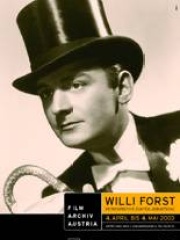
Willi Forst
ACTOR
1903 - 1980
HPI: 55.57
Posizione: 911

Anna von Mildenburg
SINGER
1872 - 1947
HPI: 55.53
Posizione: 912
Max Bulla
CYCLIST
1905 - 1990
HPI: 55.52
Posizione: 913
Károly Kós
ARCHITECT
1883 - 1977
HPI: 55.51
Posizione: 914
Otto Wahle
SWIMMER
1879 - 1963
HPI: 55.49
Posizione: 915
Heinz-Christian Strache
POLITICIAN
1969 - presente
HPI: 55.48
Posizione: 916
Johann Nepomuk David
COMPOSER
1895 - 1977
HPI: 55.46
Posizione: 917

Margarete Adler
POLITICIAN
1896 - 1990
HPI: 55.45
Posizione: 918

Robert Kalina
DESIGNER
1955 - presente
HPI: 55.45
Posizione: 919
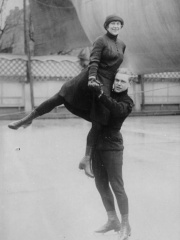
Lilly Scholz
SKATER
1903 - 1994
HPI: 55.44
Posizione: 920

Josef Smistik
SOCCER PLAYER
1905 - 1985
HPI: 55.44
Posizione: 921
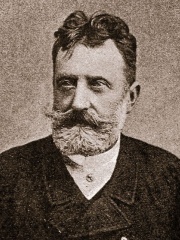
Ferdinand von Saar
WRITER
1833 - 1906
HPI: 55.43
Posizione: 922
Tra Politico in Austria
Tra Politico nati in Austria, Heinz-Christian Strache occupa la posizione 208. Prima di lui ci sono Alfred Gusenbauer (1960), Karin Kneissl (1965), Christian Schwarz-Schilling (1930), Franz Bartl (1915), Princess Tarakanova (null), e Christian Kern (1966). Dopo di lui ci sono Margarete Adler (1896), Liese Prokop (1941), Johannes Hahn (1957), Werner Schlager (1972), Michael Häupl (1949), e Norbert Hofer (1971).
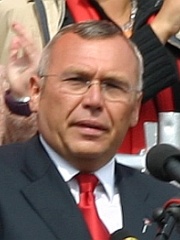
Alfred Gusenbauer
1960 - presente
HPI: 57.16
Posizione: 202
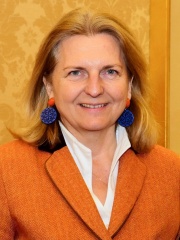
Karin Kneissl
1965 - presente
HPI: 56.78
Posizione: 203
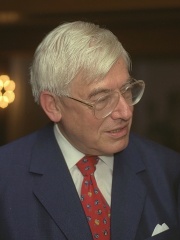
Christian Schwarz-Schilling
1930 - 2026
HPI: 56.76
Posizione: 204

Franz Bartl
1915 - 1941
HPI: 56.58
Posizione: 205
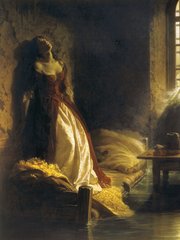
Princess Tarakanova
HPI: 56.27
Posizione: 206
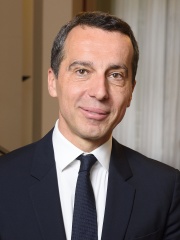
Christian Kern
1966 - presente
HPI: 55.94
Posizione: 207
Heinz-Christian Strache
1969 - presente
HPI: 55.48
Posizione: 208
Margarete Adler
1896 - 1990
HPI: 55.45
Posizione: 209
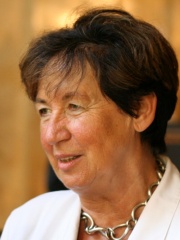
Liese Prokop
1941 - 2006
HPI: 55.07
Posizione: 210
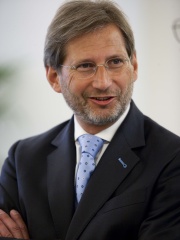
Johannes Hahn
1957 - presente
HPI: 54.49
Posizione: 211
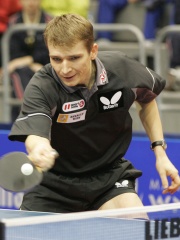
Werner Schlager
1972 - presente
HPI: 54.19
Posizione: 212
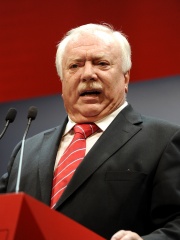
Michael Häupl
1949 - presente
HPI: 54.18
Posizione: 213
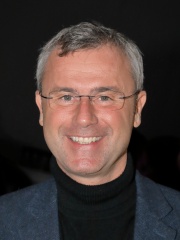
Norbert Hofer
1971 - presente
HPI: 53.99
Posizione: 214




