Politico
Bayan I
600 - 602
VISUALIZZAZIONI SU IT.WIKIPEDIA (PV)

 Bayan I
La sua biografia è disponibile in 21 lingue su Wikipedia. Bayan I è il 5568° politico più popolare (in calo dal 3951° nel 2024), la 163ª biografia più popolare dell'Ungheria (in calo dal 115ª nel 2019) e il 58° politico più popolare dell'Ungheria.
Metriche di memorabilità
40k
Visualizzazioni
Ultimi 12 mesi
65.83
HPI
Indice di popolarità storica
Dati in evidenza
#17,081
A oltre 14 secoli dalla morte, Bayan I occupa ancora la posizione n. 17,081 tra tutte le personalità di Pantheon.
1 gen
Bayan I condivide il compleanno (1 gennaio) con Mary, mother of Jesus, Saint Peter e Laozi.
Visualizzazioni della pagina di Bayan I per lingua
Tra Politico
Tra Politico, Bayan I occupa la posizione 5,566 su 19,576. Prima di lui ci sono Hashim Thaçi, Léon M'ba, Emperor Go-Hanazono, Peter, Duke of Coimbra, William Neville, 1st Earl of Kent, e Franz Ritter von Epp. Dopo di lui ci sono Josef Bühler, Prusias I of Bithynia, Jón Sigurðsson, Assef Shawkat, Yoshirō Mori, e Batbayan.
Politico più popolari su Wikipedia
Vai a tutte le classifiche
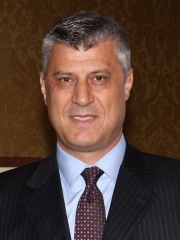
Hashim Thaçi
1968 - presente
HPI: 65.85
Posizione: 5,562
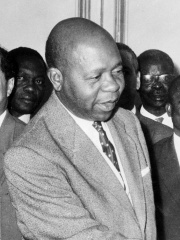
Léon M'ba
1902 - 1967
HPI: 65.84
Posizione: 5,563
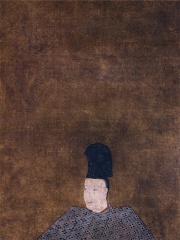
Emperor Go-Hanazono
1419 - 1471
HPI: 65.84
Posizione: 5,564
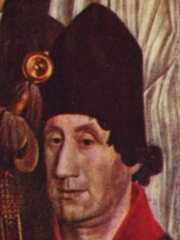
Peter, Duke of Coimbra
1392 - 1449
HPI: 65.84
Posizione: 5,565

William Neville, 1st Earl of Kent
1410 - presente
HPI: 65.84
Posizione: 5,566

Franz Ritter von Epp
1868 - 1947
HPI: 65.84
Posizione: 5,567
Bayan I
600 - 602
HPI: 65.83
Posizione: 5,568
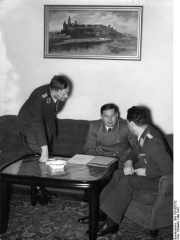
Josef Bühler
1904 - 1948
HPI: 65.83
Posizione: 5,569
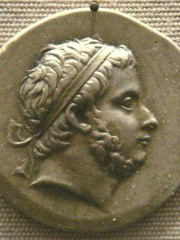
Prusias I of Bithynia
300 BC - 182 BC
HPI: 65.83
Posizione: 5,570
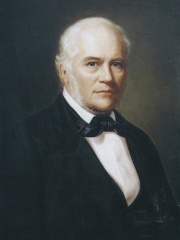
Jón Sigurðsson
1811 - 1879
HPI: 65.83
Posizione: 5,571
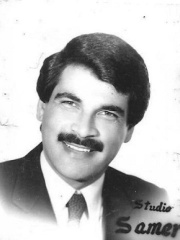
Assef Shawkat
1950 - 2012
HPI: 65.83
Posizione: 5,572
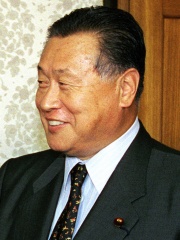
Yoshirō Mori
1937 - presente
HPI: 65.82
Posizione: 5,573

Batbayan
700 - 690
HPI: 65.82
Posizione: 5,574

Contemporanei
Tra le persone nate nel 600, Bayan I occupa la posizione 32. Prima di lui ci sono Shahrbaraz, Amandus, Ubayy ibn Ka'b, Chilperic of Aquitaine, Abd-Allah ibn Ubayy, e Ka'b ibn al-Ashraf. Dopo di lui ci sono Heraclius the Elder, Al-Mughira, Gundemar, Anthimus I of Constantinople, Dervan, e Hudhayfah ibn al-Yaman. Tra le persone decedute nel 602, Bayan I occupa la posizione 2. Prima di lui c'è Maurice. Dopo di lui c'è Theodosius.
Altre persone nate nel 600
Vai a tutte le classifiche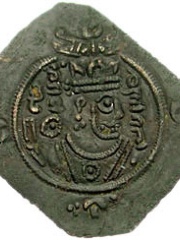
Shahrbaraz
POLITICIAN
600 - 629
HPI: 67.09
Posizione: 26
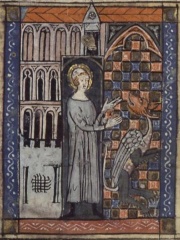
Amandus
RELIGIOUS FIGURE
600 - 676
HPI: 66.75
Posizione: 27

Ubayy ibn Ka'b
RELIGIOUS FIGURE
600 - 649
HPI: 66.46
Posizione: 28

Chilperic of Aquitaine
POLITICIAN
600 - 632
HPI: 66.27
Posizione: 29

Abd-Allah ibn Ubayy
POLITICIAN
600 - 631
HPI: 65.98
Posizione: 30

Ka'b ibn al-Ashraf
WRITER
600 - 624
HPI: 65.87
Posizione: 31
Bayan I
POLITICIAN
600 - 602
HPI: 65.83
Posizione: 32
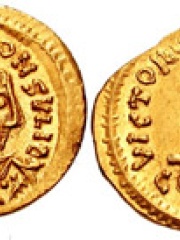
Heraclius the Elder
MILITARY PERSONNEL
600 - 610
HPI: 65.22
Posizione: 33

Al-Mughira
POLITICIAN
600 - 701
HPI: 64.83
Posizione: 34
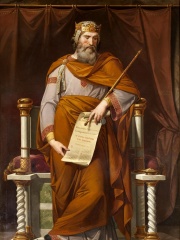
Gundemar
POLITICIAN
600 - 612
HPI: 64.76
Posizione: 35

Anthimus I of Constantinople
RELIGIOUS FIGURE
600 - 660
HPI: 64.76
Posizione: 36
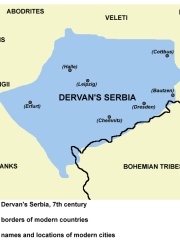
Dervan
POLITICIAN
600 - 636
HPI: 64.36
Posizione: 37

Hudhayfah ibn al-Yaman
RELIGIOUS FIGURE
600 - 656
HPI: 64.18
Posizione: 38
Altre persone decedute nel 602
Vai a tutte le classifiche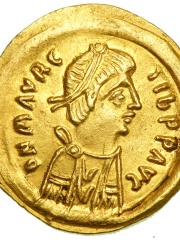
Maurice
POLITICIAN
539 - 602
HPI: 75.81
Posizione: 1
Bayan I
POLITICIAN
600 - 602
HPI: 65.83
Posizione: 2
Theodosius
POLITICIAN
583 - 602
HPI: 60.62
Posizione: 3
In Ungheria
Tra le persone nate in Ungheria, Bayan I occupa la posizione 163 su 1,077. Prima di lui ci sono Hans Richter (1843), Susan Polgár (1969), Gyula Gömbös (1886), László Papp (1926), Ferenc Mádl (1931), e Michael Polanyi (1891). Dopo di lui ci sono Lajos Tichy (1935), Péter Nádas (1942), Béla Balázs (1884), Coloman of Galicia (1208), Rosika Schwimmer (1877), e Géza Lakatos (1890).
Altre persone nate in Ungheria
Vai a tutte le classifiche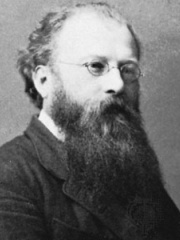
Hans Richter
COMPOSER
1843 - 1916
HPI: 66.11
Posizione: 157
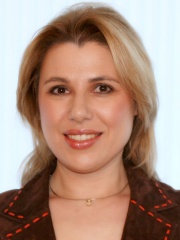
Susan Polgár
CHESS PLAYER
1969 - presente
HPI: 66.05
Posizione: 158
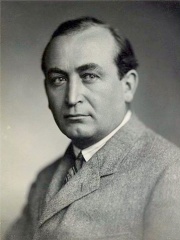
Gyula Gömbös
POLITICIAN
1886 - 1936
HPI: 65.96
Posizione: 159
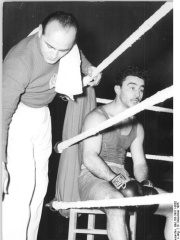
László Papp
BOXER
1926 - 2003
HPI: 65.94
Posizione: 160
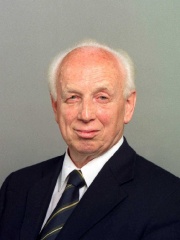
Ferenc Mádl
POLITICIAN
1931 - 2011
HPI: 65.90
Posizione: 161
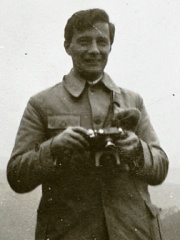
Michael Polanyi
CHEMIST
1891 - 1976
HPI: 65.89
Posizione: 162
Bayan I
POLITICIAN
600 - 602
HPI: 65.83
Posizione: 163
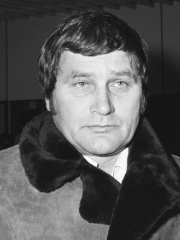
Lajos Tichy
SOCCER PLAYER
1935 - 1999
HPI: 65.83
Posizione: 164
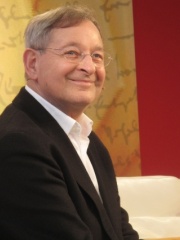
Péter Nádas
WRITER
1942 - presente
HPI: 65.82
Posizione: 165
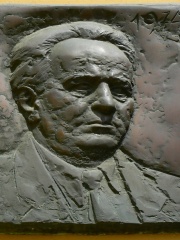
Béla Balázs
WRITER
1884 - 1949
HPI: 65.81
Posizione: 166
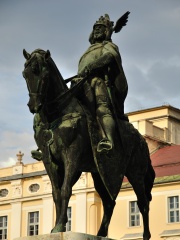
Coloman of Galicia
POLITICIAN
1208 - 1241
HPI: 65.76
Posizione: 167
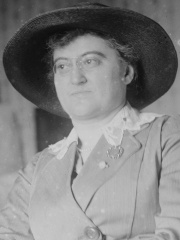
Rosika Schwimmer
WRITER
1877 - 1948
HPI: 65.76
Posizione: 168
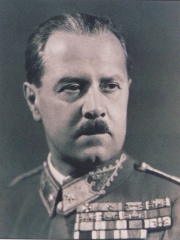
Géza Lakatos
POLITICIAN
1890 - 1967
HPI: 65.65
Posizione: 169
Tra Politico in Ungheria
Tra Politico nati in Ungheria, Bayan I occupa la posizione 58. Prima di lui ci sono John Corvinus (1473), Piali Pasha (1515), Archduchess Elisabeth Franziska of Austria (1831), Béla Miklós (1890), Gyula Gömbös (1886), e Ferenc Mádl (1931). Dopo di lui ci sono Coloman of Galicia (1208), Géza Lakatos (1890), Peter Delyan (1009), Ladislaus Hunyadi (1431), Árpád Göncz (1922), e László Csatáry (1915).
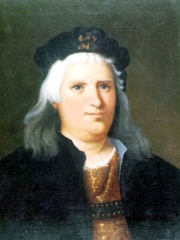
John Corvinus
1473 - 1504
HPI: 66.96
Posizione: 52
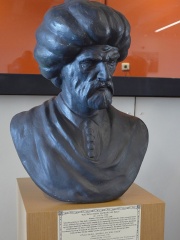
Piali Pasha
1515 - 1578
HPI: 66.54
Posizione: 53
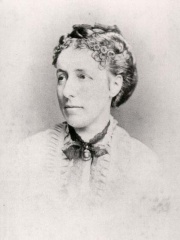
Archduchess Elisabeth Franziska of Austria
1831 - 1903
HPI: 66.51
Posizione: 54
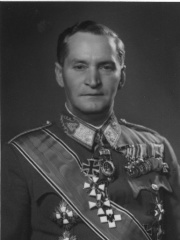
Béla Miklós
1890 - 1948
HPI: 66.13
Posizione: 55
Gyula Gömbös
1886 - 1936
HPI: 65.96
Posizione: 56
Ferenc Mádl
1931 - 2011
HPI: 65.90
Posizione: 57
Bayan I
600 - 602
HPI: 65.83
Posizione: 58
Coloman of Galicia
1208 - 1241
HPI: 65.76
Posizione: 59
Géza Lakatos
1890 - 1967
HPI: 65.65
Posizione: 60
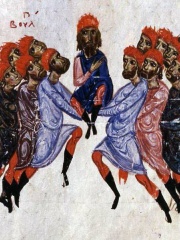
Peter Delyan
1009 - 1041
HPI: 65.64
Posizione: 61
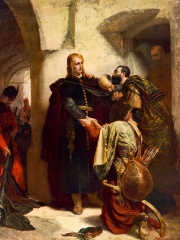
Ladislaus Hunyadi
1431 - 1457
HPI: 65.44
Posizione: 62
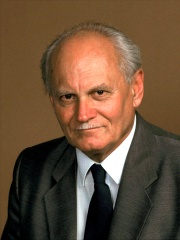
Árpád Göncz
1922 - 2015
HPI: 65.36
Posizione: 63
László Csatáry
1915 - 2013
HPI: 65.30
Posizione: 64




