Político
Bayan I
600 - 602

 Bayan I
Su biografía está disponible en 21 idiomas en Wikipedia. Bayan I ocupa el puesto 5568 entre los político más populares (bajó del puesto 3951 en 2024), el puesto 163 entre las biografías más populares de Hungría (bajó del puesto 115 en 2019) y el puesto 58 entre los político de hungría más populares.
Métricas de memorabilidad
40k
Visitas
Últimos 12 meses
65.83
HPI
Índice de Popularidad Histórica
Datos destacados
#17,081
Más de 14 siglos después de su muerte, Bayan I aún ocupa el puesto n.º 17,081 entre todas las personas de Pantheon.
1 ene
Bayan I comparte cumpleaños (1 de enero) con Mary, mother of Jesus, Saint Peter y Laozi.
Visitas a la página de Bayan I por idioma
Entre Político
Entre Político, Bayan I ocupa el puesto 5,566 de 19,576. Antes de él están Hashim Thaçi, Léon M'ba, Emperor Go-Hanazono, Peter, Duke of Coimbra, William Neville, 1st Earl of Kent, y Franz Ritter von Epp. Después de él están Josef Bühler, Prusias I of Bithynia, Jón Sigurðsson, Assef Shawkat, Yoshirō Mori, y Batbayan.
Político más populares en Wikipedia
Ver todas las clasificaciones
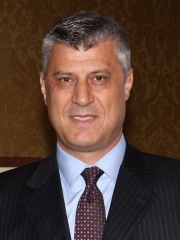
Hashim Thaçi
1968 - presente
HPI: 65.85
Puesto: 5,562
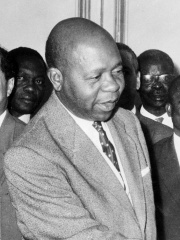
Léon M'ba
1902 - 1967
HPI: 65.84
Puesto: 5,563
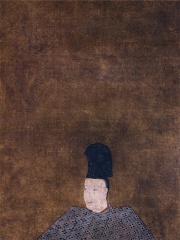
Emperor Go-Hanazono
1419 - 1471
HPI: 65.84
Puesto: 5,564
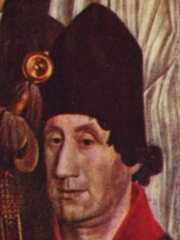
Peter, Duke of Coimbra
1392 - 1449
HPI: 65.84
Puesto: 5,565
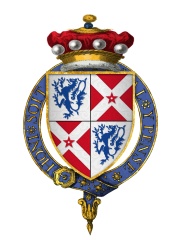
William Neville, 1st Earl of Kent
1410 - presente
HPI: 65.84
Puesto: 5,566

Franz Ritter von Epp
1868 - 1947
HPI: 65.84
Puesto: 5,567
Bayan I
600 - 602
HPI: 65.83
Puesto: 5,568
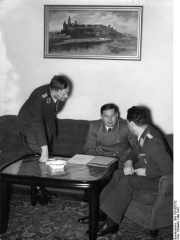
Josef Bühler
1904 - 1948
HPI: 65.83
Puesto: 5,569
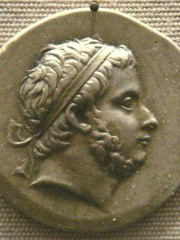
Prusias I of Bithynia
300 BC - 182 BC
HPI: 65.83
Puesto: 5,570
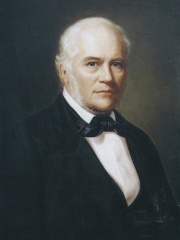
Jón Sigurðsson
1811 - 1879
HPI: 65.83
Puesto: 5,571
Assef Shawkat
1950 - 2012
HPI: 65.83
Puesto: 5,572
Yoshirō Mori
1937 - presente
HPI: 65.82
Puesto: 5,573

Batbayan
700 - 690
HPI: 65.82
Puesto: 5,574

Contemporáneos
Entre las personas nacidas en 600, Bayan I ocupa el puesto 32. Antes de él están Shahrbaraz, Amandus, Ubayy ibn Ka'b, Chilperic of Aquitaine, Abd-Allah ibn Ubayy, y Ka'b ibn al-Ashraf. Después de él están Heraclius the Elder, Al-Mughira, Gundemar, Anthimus I of Constantinople, Dervan, y Hudhayfah ibn al-Yaman. Entre las personas fallecidas en 602, Bayan I ocupa el puesto 2. Antes de él está Maurice. Después de él está Theodosius.
Otras personas nacidas en 600
Ver todas las clasificaciones
Shahrbaraz
POLITICIAN
600 - 629
HPI: 67.09
Puesto: 26
Amandus
RELIGIOUS FIGURE
600 - 676
HPI: 66.75
Puesto: 27

Ubayy ibn Ka'b
RELIGIOUS FIGURE
600 - 649
HPI: 66.46
Puesto: 28

Chilperic of Aquitaine
POLITICIAN
600 - 632
HPI: 66.27
Puesto: 29

Abd-Allah ibn Ubayy
POLITICIAN
600 - 631
HPI: 65.98
Puesto: 30

Ka'b ibn al-Ashraf
WRITER
600 - 624
HPI: 65.87
Puesto: 31
Bayan I
POLITICIAN
600 - 602
HPI: 65.83
Puesto: 32
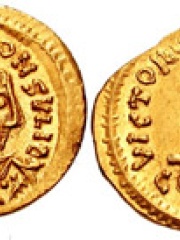
Heraclius the Elder
MILITARY PERSONNEL
600 - 610
HPI: 65.22
Puesto: 33

Al-Mughira
POLITICIAN
600 - 701
HPI: 64.83
Puesto: 34
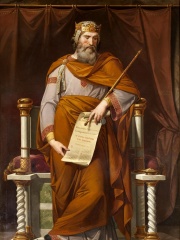
Gundemar
POLITICIAN
600 - 612
HPI: 64.76
Puesto: 35

Anthimus I of Constantinople
RELIGIOUS FIGURE
600 - 660
HPI: 64.76
Puesto: 36
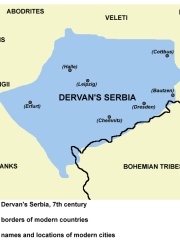
Dervan
POLITICIAN
600 - 636
HPI: 64.36
Puesto: 37

Hudhayfah ibn al-Yaman
RELIGIOUS FIGURE
600 - 656
HPI: 64.18
Puesto: 38
Otras personas fallecidas en 602
Ver todas las clasificaciones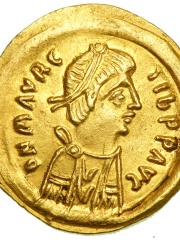
Maurice
POLITICIAN
539 - 602
HPI: 75.81
Puesto: 1
Bayan I
POLITICIAN
600 - 602
HPI: 65.83
Puesto: 2
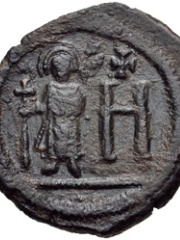
Theodosius
POLITICIAN
583 - 602
HPI: 60.62
Puesto: 3
En Hungría
Entre las personas nacidas en Hungría, Bayan I ocupa el puesto 163 de 1,077. Antes de él están Hans Richter (1843), Susan Polgár (1969), Gyula Gömbös (1886), László Papp (1926), Ferenc Mádl (1931), y Michael Polanyi (1891). Después de él están Lajos Tichy (1935), Péter Nádas (1942), Béla Balázs (1884), Coloman of Galicia (1208), Rosika Schwimmer (1877), y Géza Lakatos (1890).
Otras personas nacidas en Hungría
Ver todas las clasificaciones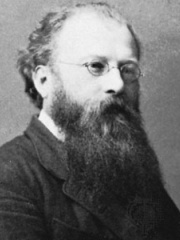
Hans Richter
COMPOSER
1843 - 1916
HPI: 66.11
Puesto: 157
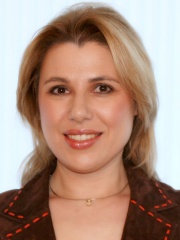
Susan Polgár
CHESS PLAYER
1969 - presente
HPI: 66.05
Puesto: 158
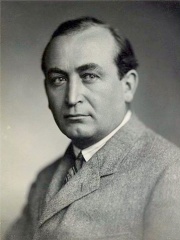
Gyula Gömbös
POLITICIAN
1886 - 1936
HPI: 65.96
Puesto: 159
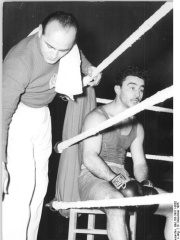
László Papp
BOXER
1926 - 2003
HPI: 65.94
Puesto: 160
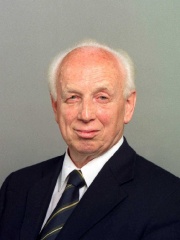
Ferenc Mádl
POLITICIAN
1931 - 2011
HPI: 65.90
Puesto: 161
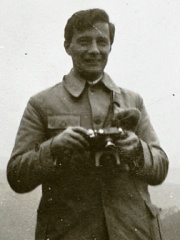
Michael Polanyi
CHEMIST
1891 - 1976
HPI: 65.89
Puesto: 162
Bayan I
POLITICIAN
600 - 602
HPI: 65.83
Puesto: 163
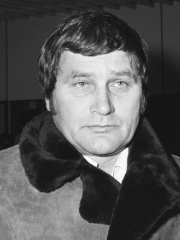
Lajos Tichy
SOCCER PLAYER
1935 - 1999
HPI: 65.83
Puesto: 164
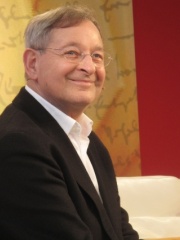
Péter Nádas
WRITER
1942 - presente
HPI: 65.82
Puesto: 165
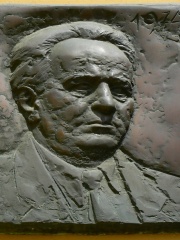
Béla Balázs
WRITER
1884 - 1949
HPI: 65.81
Puesto: 166
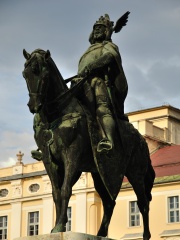
Coloman of Galicia
POLITICIAN
1208 - 1241
HPI: 65.76
Puesto: 167
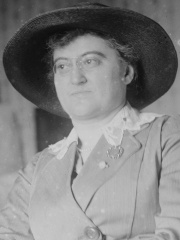
Rosika Schwimmer
WRITER
1877 - 1948
HPI: 65.76
Puesto: 168
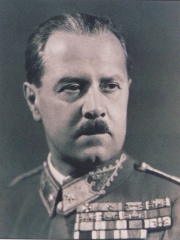
Géza Lakatos
POLITICIAN
1890 - 1967
HPI: 65.65
Puesto: 169
Entre Político en Hungría
Entre Político nacidos en Hungría, Bayan I ocupa el puesto 58. Antes de él están John Corvinus (1473), Piali Pasha (1515), Archduchess Elisabeth Franziska of Austria (1831), Béla Miklós (1890), Gyula Gömbös (1886), y Ferenc Mádl (1931). Después de él están Coloman of Galicia (1208), Géza Lakatos (1890), Peter Delyan (1009), Ladislaus Hunyadi (1431), Árpád Göncz (1922), y László Csatáry (1915).
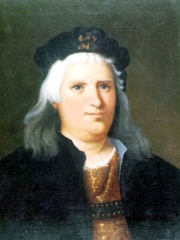
John Corvinus
1473 - 1504
HPI: 66.96
Puesto: 52
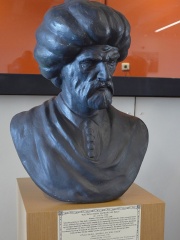
Piali Pasha
1515 - 1578
HPI: 66.54
Puesto: 53
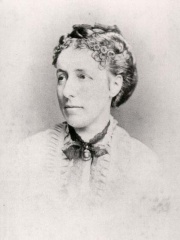
Archduchess Elisabeth Franziska of Austria
1831 - 1903
HPI: 66.51
Puesto: 54
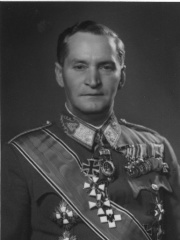
Béla Miklós
1890 - 1948
HPI: 66.13
Puesto: 55
Gyula Gömbös
1886 - 1936
HPI: 65.96
Puesto: 56
Ferenc Mádl
1931 - 2011
HPI: 65.90
Puesto: 57
Bayan I
600 - 602
HPI: 65.83
Puesto: 58
Coloman of Galicia
1208 - 1241
HPI: 65.76
Puesto: 59
Géza Lakatos
1890 - 1967
HPI: 65.65
Puesto: 60
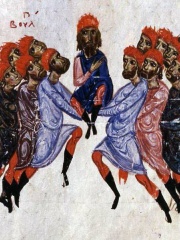
Peter Delyan
1009 - 1041
HPI: 65.64
Puesto: 61
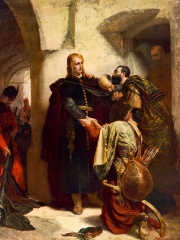
Ladislaus Hunyadi
1431 - 1457
HPI: 65.44
Puesto: 62
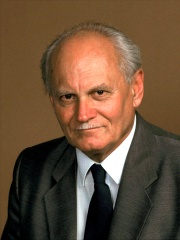
Árpád Göncz
1922 - 2015
HPI: 65.36
Puesto: 63
László Csatáry
1915 - 2013
HPI: 65.30
Puesto: 64




