Politico
Arbogast
340 - 394
IT.WIKIPEDIA PAGE VIEWS (PV)

 Arbogast
La sua biografia è disponibile in 30 lingue su Wikipedia (in aumento rispetto a 29 nel 2024). Arbogast è il 2333° politico più popolare (in aumento dal 4474° nel 2024), la 754ª biografia più popolare della Francia (in aumento dal 1379ª nel 2019) e il 172° politico più popolare della Francia.
Memorability Metrics
42k
Page Views
Past 12 months
71.32
HPI
Historical Popularity Index
Page views of Arbogast by language
Among Politicos
Among politicos, Arbogast ranks 2,332 out of 19,576. Before him are Olav Magnusson of Norway, Lentulus Batiatus, Lothair II, Mikheil Saakashvili, Andrey Vyshinsky, and Charles Emmanuel IV of Sardinia. After him are Evo Morales, Ziying, Shepseskaf, Anchises, Manasseh, and Kitbuqa.
Most Popular Politicos in Wikipedia
Go to all Rankings
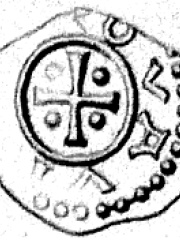
Olav Magnusson of Norway
1099 - 1115
HPI: 71.34
Rank: 2,327

Lentulus Batiatus
200 BC - 100 BC
HPI: 71.33
Rank: 2,328
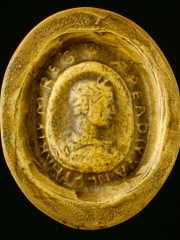
Lothair II
835 - 869
HPI: 71.33
Rank: 2,329

Mikheil Saakashvili
1967 - Present
HPI: 71.33
Rank: 2,330
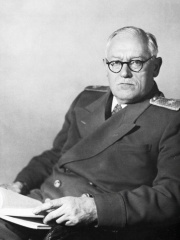
Andrey Vyshinsky
1883 - 1954
HPI: 71.33
Rank: 2,331
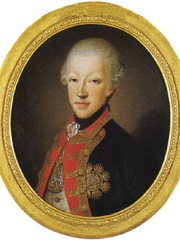
Charles Emmanuel IV of Sardinia
1751 - 1819
HPI: 71.33
Rank: 2,332
Arbogast
340 - 394
HPI: 71.32
Rank: 2,333
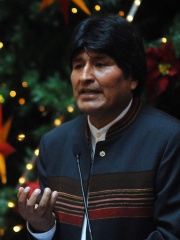
Evo Morales
1959 - Present
HPI: 71.32
Rank: 2,334
Ziying
300 BC - 206 BC
HPI: 71.31
Rank: 2,335
Shepseskaf
2600 BC - 2499 BC
HPI: 71.31
Rank: 2,336
Anchises
HPI: 71.30
Rank: 2,337
Manasseh
709 BC - Present
HPI: 71.30
Rank: 2,338

Kitbuqa
1250 - 1260
HPI: 71.30
Rank: 2,339

Contemporaries
Among people born in 340, Arbogast ranks 4. Before him are Theodosius I, Ambrose, and Pope Anastasius I. After him are Faxian, Quintus Aurelius Symmachus, and Priscillian. Among people deceased in 394, Arbogast ranks 1. After him are Eugenius, Eunomius of Cyzicus, Amphilochius of Iconium, Galla, and Diodorus of Tarsus.
Others Born in 340
Go to all Rankings
Theodosius I
POLITICIAN
340 - 395
HPI: 83.74
Rank: 1
Ambrose
RELIGIOUS FIGURE
340 - 397
HPI: 81.26
Rank: 2
Pope Anastasius I
RELIGIOUS FIGURE
340 - 401
HPI: 76.91
Rank: 3
Arbogast
POLITICIAN
340 - 394
HPI: 71.32
Rank: 4
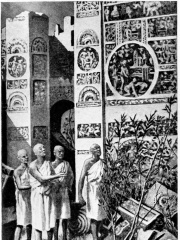
Faxian
WRITER
340 - 418
HPI: 70.81
Rank: 5
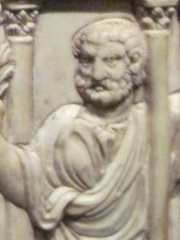
Quintus Aurelius Symmachus
POLITICIAN
340 - 402
HPI: 68.29
Rank: 6

Priscillian
RELIGIOUS FIGURE
340 - 385
HPI: 66.49
Rank: 7
Others Deceased in 394
Go to all RankingsArbogast
POLITICIAN
340 - 394
HPI: 71.32
Rank: 1
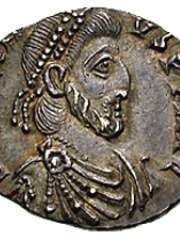
Eugenius
POLITICIAN
345 - 394
HPI: 68.55
Rank: 2

Eunomius of Cyzicus
RELIGIOUS FIGURE
335 - 394
HPI: 63.01
Rank: 3
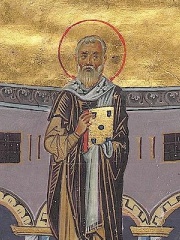
Amphilochius of Iconium
RELIGIOUS FIGURE
339 - 394
HPI: 62.22
Rank: 4

Galla
POLITICIAN
374 - 394
HPI: 60.78
Rank: 5

Diodorus of Tarsus
RELIGIOUS FIGURE
400 - 394
HPI: 60.77
Rank: 6
In Francia
Among people born in Francia, Arbogast ranks 754 out of NaN. Before him are Simone Veil (1927), Jean Nouvel (1945), Raoul Dufy (1877), Charles-Henri Sanson (1739), Margaret of Burgundy, Queen of France (1290), and Thomas Bangalter (1). After him are Alexis Clairaut (1713), Jacques Delors (1925), Gaston Doumergue (1863), Alaric II (458), Emmanuel de Grouchy, marquis de Grouchy (1766), and Émile Loubet (1838).
Others born in Francia
Go to all Rankings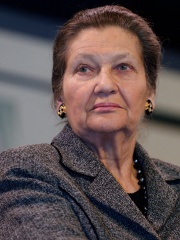
Simone Veil
POLITICIAN
1927 - 2017
HPI: 71.39
Rank: 748
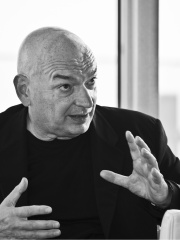
Jean Nouvel
ARCHITECT
1945 - Present
HPI: 71.37
Rank: 749
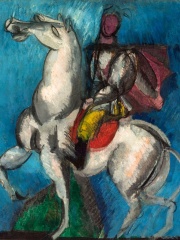
Raoul Dufy
PAINTER
1877 - 1953
HPI: 71.36
Rank: 750
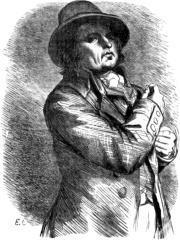
Charles-Henri Sanson
POLITICIAN
1739 - 1806
HPI: 71.36
Rank: 751
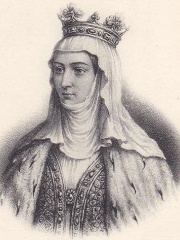
Margaret of Burgundy, Queen of France
COMPANION
1290 - 1315
HPI: 71.34
Rank: 752

Thomas Bangalter
MUSICIAN
1 - Present
HPI: 71.33
Rank: 753
Arbogast
POLITICIAN
340 - 394
HPI: 71.32
Rank: 754
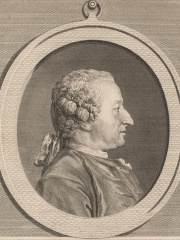
Alexis Clairaut
MATHEMATICIAN
1713 - 1765
HPI: 71.32
Rank: 755
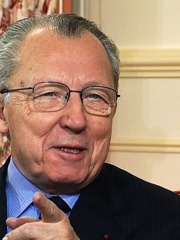
Jacques Delors
ECONOMIST
1925 - 2023
HPI: 71.31
Rank: 756

Gaston Doumergue
POLITICIAN
1863 - 1937
HPI: 71.29
Rank: 757
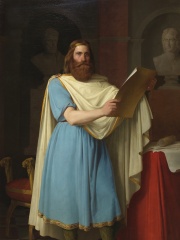
Alaric II
POLITICIAN
458 - 507
HPI: 71.26
Rank: 758
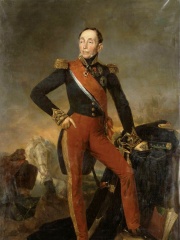
Emmanuel de Grouchy, marquis de Grouchy
MILITARY PERSONNEL
1766 - 1847
HPI: 71.25
Rank: 759
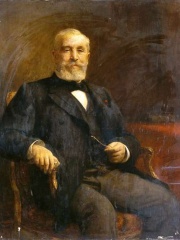
Émile Loubet
POLITICIAN
1838 - 1929
HPI: 71.24
Rank: 760
Among Politicos In Francia
Among politicos born in Francia, Arbogast ranks 172. Before him are Félix Faure (1841), Michel Barnier (1951), Léon Bourgeois (1851), Louise of Lorraine (1553), Simone Veil (1927), and Charles-Henri Sanson (1739). After him are Gaston Doumergue (1863), Alaric II (458), Émile Loubet (1838), Emmanuel Philibert, Duke of Savoy (1528), Dom Pérignon (1639), and Armand Fallières (1841).
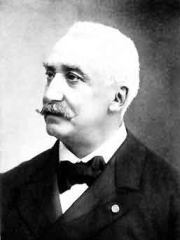
Félix Faure
1841 - 1899
HPI: 71.50
Rank: 166
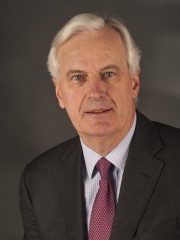
Michel Barnier
1951 - Present
HPI: 71.49
Rank: 167
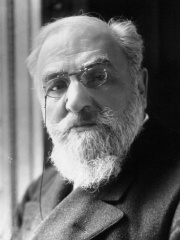
Léon Bourgeois
1851 - 1925
HPI: 71.48
Rank: 168
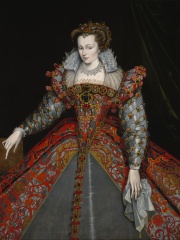
Louise of Lorraine
1553 - 1601
HPI: 71.40
Rank: 169
Simone Veil
1927 - 2017
HPI: 71.39
Rank: 170
Charles-Henri Sanson
1739 - 1806
HPI: 71.36
Rank: 171
Arbogast
340 - 394
HPI: 71.32
Rank: 172
Gaston Doumergue
1863 - 1937
HPI: 71.29
Rank: 173
Alaric II
458 - 507
HPI: 71.26
Rank: 174
Émile Loubet
1838 - 1929
HPI: 71.24
Rank: 175
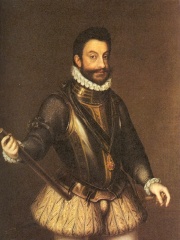
Emmanuel Philibert, Duke of Savoy
1528 - 1580
HPI: 71.21
Rank: 176
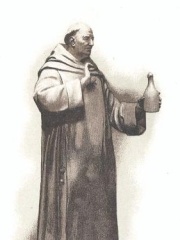
Dom Pérignon
1639 - 1715
HPI: 71.06
Rank: 177
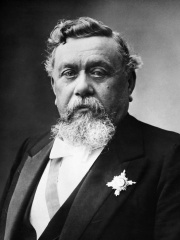
Armand Fallières
1841 - 1931
HPI: 71.05
Rank: 178




