Politico
Aleksander Čeferin
1967 - presente
VISUALIZZAZIONI SU IT.WIKIPEDIA (PV)

 Aleksander Čeferin
La sua biografia è disponibile in 42 lingue su Wikipedia (in aumento rispetto a 40 nel 2024). Aleksander Čeferin è il 5138° politico più popolare (in calo dal 4016° nel 2024), la 24ª biografia più popolare della Slovenia (in calo dal 14ª nel 2019) e il 10° politico più popolare della Slovenia.
Metriche di memorabilità
310k
Visualizzazioni
Ultimi 12 mesi
66.37
HPI
Indice di popolarità storica
Dati in evidenza
Visualizzazioni della pagina di Aleksander Čeferin per lingua
Tra Politico
Tra Politico, Aleksander Čeferin occupa la posizione 5,136 su 20,022. Prima di lui ci sono Munjong of Goryeo, Bill Weld, Hugo Banzer, Al-Aziz Billah, Seongjong of Goryeo, e Bernard Tapie. Dopo di lui ci sono Bagoas, Adad-nirari II, Ar-Rashid, Heo Jeong, Queen Mathilde of Belgium, e Albert Azzo II, Margrave of Milan.
Politico più popolari su Wikipedia
Vai a tutte le classifiche

Munjong of Goryeo
1019 - 1083
HPI: 66.38
Posizione: 5,132
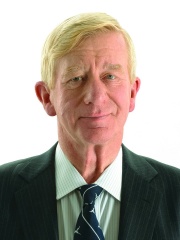
Bill Weld
1945 - presente
HPI: 66.38
Posizione: 5,133
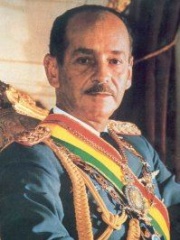
Hugo Banzer
1926 - 2002
HPI: 66.38
Posizione: 5,134
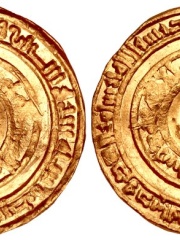
Al-Aziz Billah
955 - 996
HPI: 66.37
Posizione: 5,135

Seongjong of Goryeo
960 - 997
HPI: 66.37
Posizione: 5,136
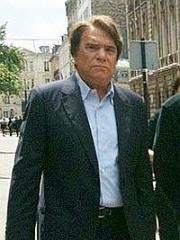
Bernard Tapie
1943 - 2021
HPI: 66.37
Posizione: 5,137
Aleksander Čeferin
1967 - presente
HPI: 66.37
Posizione: 5,138

Bagoas
350 a.C. - 336 a.C.
HPI: 66.37
Posizione: 5,139
Adad-nirari II
1000 a.C. - 891 a.C.
HPI: 66.37
Posizione: 5,140

Ar-Rashid
1109 - 1138
HPI: 66.37
Posizione: 5,141
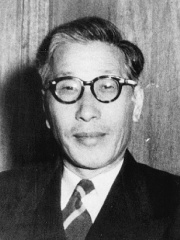
Heo Jeong
1896 - 1988
HPI: 66.37
Posizione: 5,142
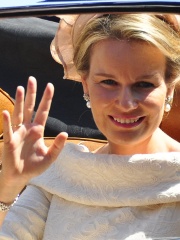
Queen Mathilde of Belgium
1973 - presente
HPI: 66.37
Posizione: 5,143
Albert Azzo II, Margrave of Milan
1009 - 1097
HPI: 66.37
Posizione: 5,144

Contemporanei
Tra le persone nate nel 1967, Aleksander Čeferin occupa la posizione 32. Prima di lui ci sono Massimiliano Allegri, Aleksandr Karelin, Mike Portnoy, Maher al-Assad, Iván Zamorano, e Daron Acemoglu. Dopo di lui ci sono Yingluck Shinawatra, Benicio del Toro, Néstor Carbonell, Michael Johnson, Anna Nicole Smith, e Matthias Sammer.
Altre persone nate nel 1967
Vai a tutte le classifiche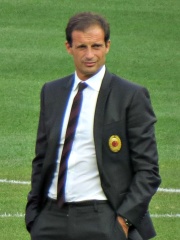
Massimiliano Allegri
COACH
1967 - presente
HPI: 67.29
Posizione: 26
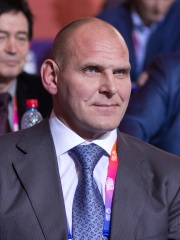
Aleksandr Karelin
WRESTLER
1967 - presente
HPI: 67.21
Posizione: 27
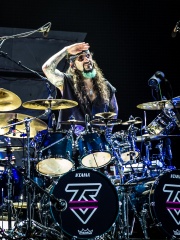
Mike Portnoy
MUSICIAN
1967 - presente
HPI: 67.17
Posizione: 28
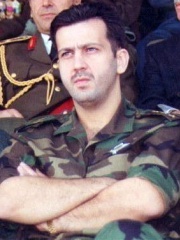
Maher al-Assad
MILITARY PERSONNEL
1967 - presente
HPI: 67.15
Posizione: 29
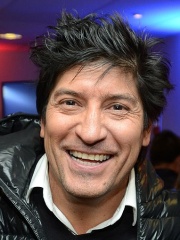
Iván Zamorano
SOCCER PLAYER
1967 - presente
HPI: 67.09
Posizione: 30
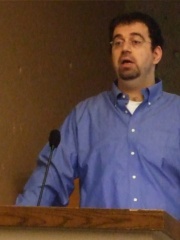
Daron Acemoglu
ECONOMIST
1967 - presente
HPI: 66.80
Posizione: 31
Aleksander Čeferin
POLITICIAN
1967 - presente
HPI: 66.37
Posizione: 32
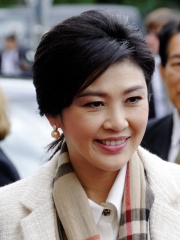
Yingluck Shinawatra
BUSINESSPERSON
1967 - presente
HPI: 66.04
Posizione: 33
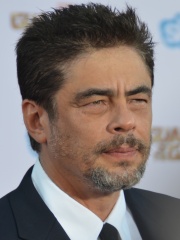
Benicio del Toro
ACTOR
1967 - presente
HPI: 65.87
Posizione: 34
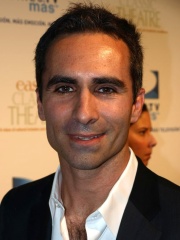
Néstor Carbonell
ACTOR
1967 - presente
HPI: 65.86
Posizione: 35

Michael Johnson
ATHLETE
1967 - presente
HPI: 65.77
Posizione: 36

Anna Nicole Smith
CELEBRITY
1967 - 2007
HPI: 65.76
Posizione: 37
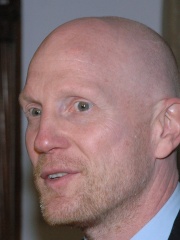
Matthias Sammer
COACH
1967 - presente
HPI: 65.76
Posizione: 38
In Slovenia
Tra le persone nate in Slovenia, Aleksander Čeferin occupa la posizione 24 su 431. Prima di lui ci sono Jernej Kopitar (1780), Carlos, Duke of Madrid (1848), Wilhelm von Tegetthoff (1827), Nataša Pirc Musar (1968), Danilo Türk (1952), e Janez Janša (1958). Dopo di lui ci sono Franc Rode (1934), Antonio Abetti (1846), Nino Benvenuti (1938), Jacobus Gallus (1550), Branko Oblak (1947), e Hermann II, Count of Celje (1361).
Altre persone nate in Slovenia
Vai a tutte le classifiche
Jernej Kopitar
WRITER
1780 - 1844
HPI: 67.00
Posizione: 18
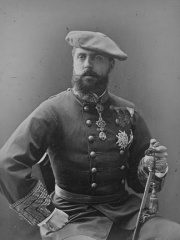
Carlos, Duke of Madrid
NOBLEMAN
1848 - 1909
HPI: 66.89
Posizione: 19
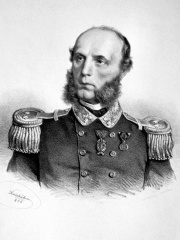
Wilhelm von Tegetthoff
MILITARY PERSONNEL
1827 - 1871
HPI: 66.88
Posizione: 20
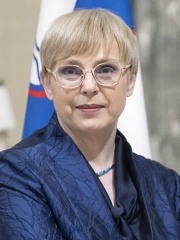
Nataša Pirc Musar
POLITICIAN
1968 - presente
HPI: 66.83
Posizione: 21
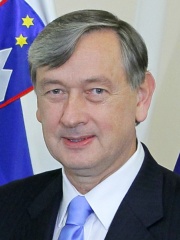
Danilo Türk
POLITICIAN
1952 - presente
HPI: 66.68
Posizione: 22

Janez Janša
POLITICIAN
1958 - presente
HPI: 66.58
Posizione: 23
Aleksander Čeferin
POLITICIAN
1967 - presente
HPI: 66.37
Posizione: 24
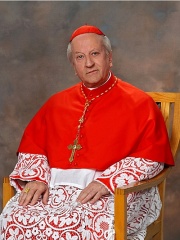
Franc Rode
RELIGIOUS FIGURE
1934 - 2017
HPI: 66.09
Posizione: 25
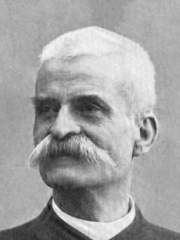
Antonio Abetti
ASTRONOMER
1846 - 1928
HPI: 66.04
Posizione: 26
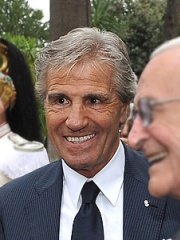
Nino Benvenuti
BOXER
1938 - 2025
HPI: 65.74
Posizione: 27
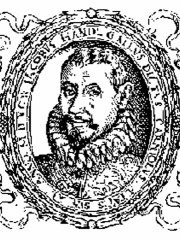
Jacobus Gallus
COMPOSER
1550 - 1591
HPI: 65.61
Posizione: 28
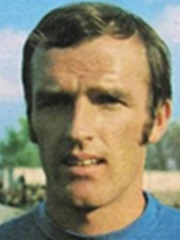
Branko Oblak
SOCCER PLAYER
1947 - presente
HPI: 65.49
Posizione: 29
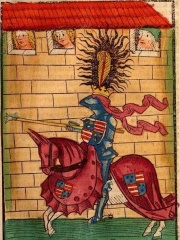
Hermann II, Count of Celje
POLITICIAN
1361 - 1435
HPI: 65.43
Posizione: 30
Tra Politico in Slovenia
Tra Politico nati in Slovenia, Aleksander Čeferin occupa la posizione 10. Prima di lui ci sono Janez Drnovšek (1950), Edvard Kardelj (1910), Borut Pahor (1963), Nataša Pirc Musar (1968), Danilo Türk (1952), e Janez Janša (1958). Dopo di lui ci sono Hermann II, Count of Celje (1361), Anton Korošec (1872), Robert Golob (1967), Prince Andrew of Yugoslavia (1929), Miro Cerar (1963), e Lojze Peterle (1948).
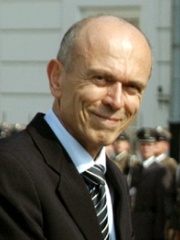
Janez Drnovšek
1950 - 2008
HPI: 69.22
Posizione: 4

Edvard Kardelj
1910 - 1979
HPI: 68.07
Posizione: 5
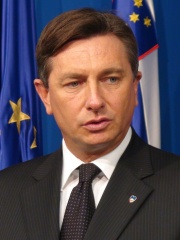
Borut Pahor
1963 - presente
HPI: 67.59
Posizione: 6
Nataša Pirc Musar
1968 - presente
HPI: 66.83
Posizione: 7
Danilo Türk
1952 - presente
HPI: 66.68
Posizione: 8
Janez Janša
1958 - presente
HPI: 66.58
Posizione: 9
Aleksander Čeferin
1967 - presente
HPI: 66.37
Posizione: 10
Hermann II, Count of Celje
1361 - 1435
HPI: 65.43
Posizione: 11
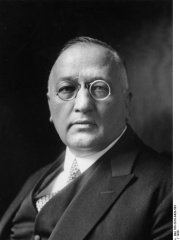
Anton Korošec
1872 - 1940
HPI: 64.38
Posizione: 12

Robert Golob
1967 - presente
HPI: 63.45
Posizione: 13
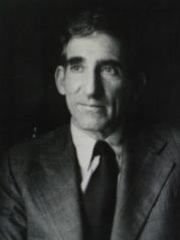
Prince Andrew of Yugoslavia
1929 - 1990
HPI: 61.50
Posizione: 14
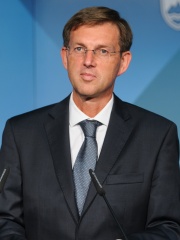
Miro Cerar
1963 - presente
HPI: 59.93
Posizione: 15
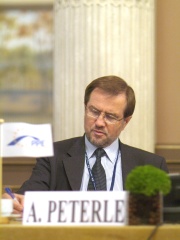
Lojze Peterle
1948 - presente
HPI: 59.24
Posizione: 16




