Politikus
Muhammad Mian Soomro
1950 - napjainkig
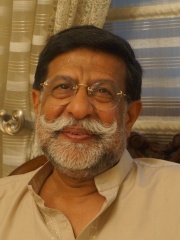
 Muhammad Mian Soomro
Életrajza 35 különböző nyelven érhető el a Wikipédián. Muhammad Mian Soomro a 14,905th legnépszerűbb politikus (növekedés a 14,950th-ről 2024-ben), a 88th legnépszerűbb életrajz Pakisztán országából (csökkenés a 80th-ről 2019-ben) és a 39th legnépszerűbb Pakisztánból politikus.
Ismertségi mutatók
58k
Oldalmegtekintések
Elmúlt 12 hónap
55.93
HPI
Történelmi népszerűségi index
Adatérdekességek
35
Muhammad Mian Soomro életrajza a Wikipédia 35 nyelvi változatában érhető el, történelmi népszerűségi indexe 55.93.
Muhammad Mian Soomro oldalmegtekintései nyelvenként
A(z) Politikus között
A(z) Politikus között Muhammad Mian Soomro a(z) 14,898. helyen áll 20,022 közül. Előtte állnak: Muharrem İnce, Ivan Babushkin, Ingibjörg H. Bjarnason, Mulayam Singh Yadav, Robert Abela, és Krishna Raja Wadiyar IV. Utána következnek: Juan Manuel Gálvez, Uchida Kōsai, Massimo Cacciari, Mario Cuomo, Wilhelm Matthias Naeff, és Mukhu Aliyev.
A legnépszerűbb Politikus a Wikipédián
Összes rangsor megtekintése
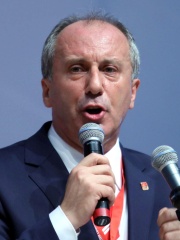
Muharrem İnce
1964 - napjainkig
HPI: 55.94
Helyezés: 14,899
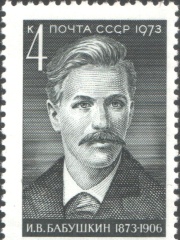
Ivan Babushkin
1873 - 1906
HPI: 55.94
Helyezés: 14,900
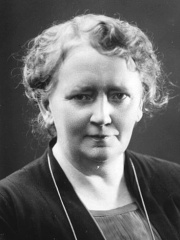
Ingibjörg H. Bjarnason
1867 - 1941
HPI: 55.93
Helyezés: 14,901
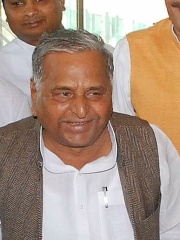
Mulayam Singh Yadav
1939 - 2022
HPI: 55.93
Helyezés: 14,902

Robert Abela
1977 - napjainkig
HPI: 55.93
Helyezés: 14,903
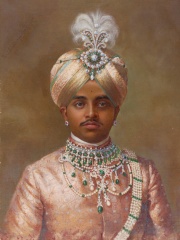
Krishna Raja Wadiyar IV
1884 - 1940
HPI: 55.93
Helyezés: 14,904
Muhammad Mian Soomro
1950 - napjainkig
HPI: 55.93
Helyezés: 14,905
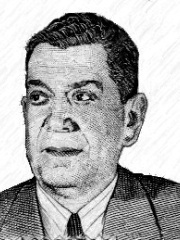
Juan Manuel Gálvez
1887 - 1972
HPI: 55.92
Helyezés: 14,906
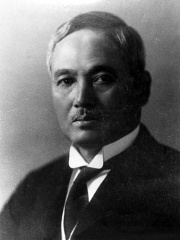
Uchida Kōsai
1865 - 1936
HPI: 55.92
Helyezés: 14,907

Massimo Cacciari
1944 - napjainkig
HPI: 55.92
Helyezés: 14,908
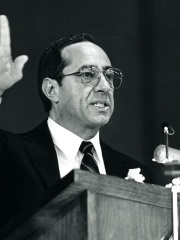
Mario Cuomo
1932 - 2015
HPI: 55.92
Helyezés: 14,909
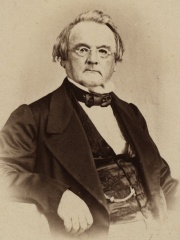
Wilhelm Matthias Naeff
1802 - 1881
HPI: 55.91
Helyezés: 14,910
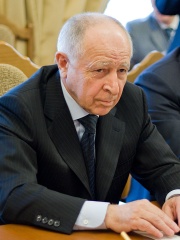
Mukhu Aliyev
1940 - napjainkig
HPI: 55.91
Helyezés: 14,911

Kortársak
A(z) 1950. évben születettek között Muhammad Mian Soomro a(z) 403. helyen áll. Előtte állnak: Inge Helten, Vladislav Bogićević, Keiko Takemiya, Mauro Bellugi, Jiří Lábus, és Susan George. Utána következnek: Daniel von Bargen, Dietmar Lorenz, Josef Tošovský, Hama Amadou, Faouzi Benzarti, és Rene Bond.
További személyek, akik a(z) 1950. évben születtek
Összes rangsor megtekintése
Inge Helten
ATHLETE
1950 - napjainkig
HPI: 56.04
Helyezés: 397

Vladislav Bogićević
SOCCER PLAYER
1950 - napjainkig
HPI: 56.04
Helyezés: 398

Keiko Takemiya
COMIC ARTIST
1950 - napjainkig
HPI: 56.02
Helyezés: 399

Mauro Bellugi
SOCCER PLAYER
1950 - 2021
HPI: 55.96
Helyezés: 400
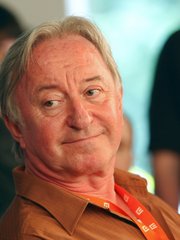
Jiří Lábus
ACTOR
1950 - napjainkig
HPI: 55.96
Helyezés: 401

Susan George
ACTOR
1950 - napjainkig
HPI: 55.93
Helyezés: 402
Muhammad Mian Soomro
POLITICIAN
1950 - napjainkig
HPI: 55.93
Helyezés: 403

Daniel von Bargen
ACTOR
1950 - 2015
HPI: 55.93
Helyezés: 404

Dietmar Lorenz
WRESTLER
1950 - 2021
HPI: 55.85
Helyezés: 405

Josef Tošovský
POLITICIAN
1950 - napjainkig
HPI: 55.84
Helyezés: 406
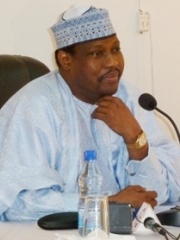
Hama Amadou
POLITICIAN
1950 - 2024
HPI: 55.83
Helyezés: 407
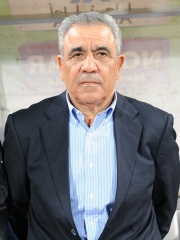
Faouzi Benzarti
COACH
1950 - napjainkig
HPI: 55.82
Helyezés: 408

Rene Bond
PORNOGRAPHIC ACTOR
1950 - 1996
HPI: 55.76
Helyezés: 409
A(z) Pakisztán rangsorában
A(z) Pakisztán területén születettek között Muhammad Mian Soomro a(z) 88. helyen áll 266 közül. Előtte állnak: Prithviraj Kapoor (1906), Nasirul Mulk (1950), Duleep Singh (1838), Art Malik (1952), Sultan Bahu (1630), és Riaz Ahmed Gohar Shahi (1941). Utána következnek: Bulleh Shah (1680), Maryam Nawaz (1973), Birbal Sahni (1891), Gulzar (1934), Ghulam Ali (1940), és Anwaar ul Haq Kakar (1971).
További személyek, akik Pakisztán területén születtek
Összes rangsor megtekintése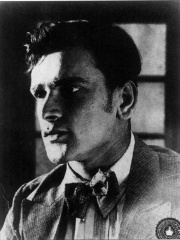
Prithviraj Kapoor
ACTOR
1906 - 1972
HPI: 56.69
Helyezés: 82

Nasirul Mulk
JUDGE
1950 - napjainkig
HPI: 56.44
Helyezés: 83
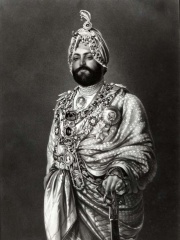
Duleep Singh
POLITICIAN
1838 - 1893
HPI: 56.30
Helyezés: 84

Art Malik
ACTOR
1952 - napjainkig
HPI: 56.06
Helyezés: 85

Sultan Bahu
WRITER
1630 - 1691
HPI: 55.98
Helyezés: 86
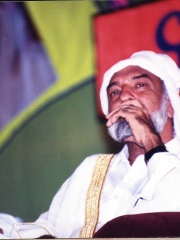
Riaz Ahmed Gohar Shahi
WRITER
1941 - 2010
HPI: 55.94
Helyezés: 87
Muhammad Mian Soomro
POLITICIAN
1950 - napjainkig
HPI: 55.93
Helyezés: 88

Bulleh Shah
WRITER
1680 - 1757
HPI: 55.83
Helyezés: 89

Maryam Nawaz
POLITICIAN
1973 - napjainkig
HPI: 55.79
Helyezés: 90
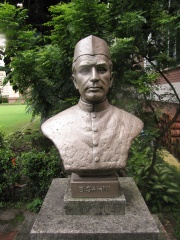
Birbal Sahni
BIOLOGIST
1891 - 1949
HPI: 55.72
Helyezés: 91

Gulzar
FILM DIRECTOR
1934 - napjainkig
HPI: 55.27
Helyezés: 92
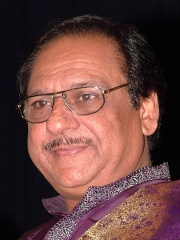
Ghulam Ali
SINGER
1940 - napjainkig
HPI: 55.18
Helyezés: 93
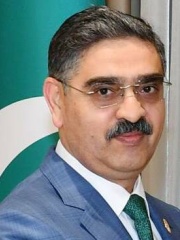
Anwaar ul Haq Kakar
POLITICIAN
1971 - napjainkig
HPI: 54.86
Helyezés: 94
A(z) Politikus között – Pakisztán
A(z) Pakisztán területén született Politikus között Muhammad Mian Soomro a(z) 39. helyen áll. Előtte állnak: Bilawal Bhutto Zardari (1988), Fazal Ilahi Chaudhry (1904), Shah Mahmood Qureshi (1956), L. K. Advani (1927), J. B. Kripalani (1888), és Duleep Singh (1838). Utána következnek: Maryam Nawaz (1973), Anwaar ul Haq Kakar (1971), Muhammad Zafarullah Khan (1893), Maleeha Lodhi (1952), Shaukat Aziz (1949), és Raja Pervaiz Ashraf (1950).
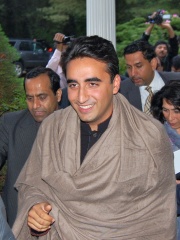
Bilawal Bhutto Zardari
1988 - napjainkig
HPI: 58.60
Helyezés: 33
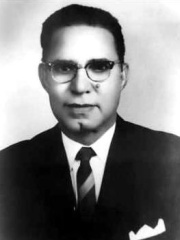
Fazal Ilahi Chaudhry
1904 - 1982
HPI: 58.23
Helyezés: 34
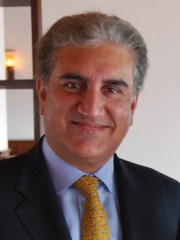
Shah Mahmood Qureshi
1956 - napjainkig
HPI: 57.65
Helyezés: 35
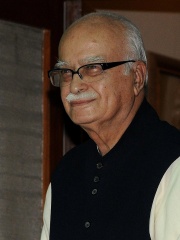
L. K. Advani
1927 - napjainkig
HPI: 57.64
Helyezés: 36
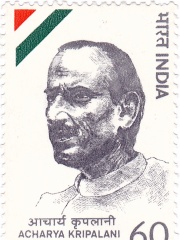
J. B. Kripalani
1888 - 1982
HPI: 57.00
Helyezés: 37
Duleep Singh
1838 - 1893
HPI: 56.30
Helyezés: 38
Muhammad Mian Soomro
1950 - napjainkig
HPI: 55.93
Helyezés: 39
Maryam Nawaz
1973 - napjainkig
HPI: 55.79
Helyezés: 40
Anwaar ul Haq Kakar
1971 - napjainkig
HPI: 54.86
Helyezés: 41
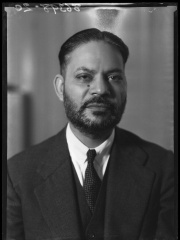
Muhammad Zafarullah Khan
1893 - 1985
HPI: 54.70
Helyezés: 42
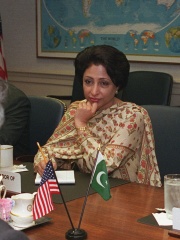
Maleeha Lodhi
1952 - napjainkig
HPI: 54.57
Helyezés: 43
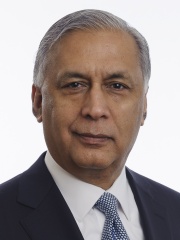
Shaukat Aziz
1949 - napjainkig
HPI: 54.23
Helyezés: 44

Raja Pervaiz Ashraf
1950 - napjainkig
HPI: 53.20
Helyezés: 45




