Író
James May
1963 - napjainkig
HU.WIKIPEDIA OLDALMEGTEKINTÉSEK (PV)


 James May
Életrajza 33 különböző nyelven érhető el a Wikipédián (növekedés 32-ről 2024-ben). James May a 881st legnépszerűbb író (növekedés a 921st-ről 2024-ben), a 823rd legnépszerűbb életrajz Egyesült Királyság országából (csökkenés a 697th-ről 2019-ben) és a 85th legnépszerűbb Egyesült Királyságból író.
Ismertségi mutatók
900k
Oldalmegtekintések
Elmúlt 12 hónap
68.92
HPI
Történelmi népszerűségi index
Adatérdekességek
33
James May életrajza a Wikipédia 33 nyelvi változatában szerepel — több nyelven, mint a(z) Író 77%-a esetében.
jan. 16.
James May ugyanazon a napon (január 16.) ünnepli születésnapját, mint Fulgencio Batista, Sade és Francis II of the Two Sicilies.
James May oldalmegtekintései nyelvenként
A(z) Író között
A(z) Író között James May a(z) 881. helyen áll 7,302 közül. Előtte állnak: Miep Gies, Colmar Freiherr von der Goltz, Jerzy Kosiński, Laura de Noves, Danilo Kiš, és Varlam Shalamov. Utána következnek: Shoko Asahara, Appius Claudius Caecus, Aron Nimzowitsch, Robert E. Howard, Ian McEwan, és Marie Mancini.
A legnépszerűbb Író a Wikipédián
Összes rangsor megtekintése
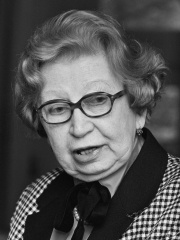
Miep Gies
1909 - 2010
HPI: 68.95
Helyezés: 875
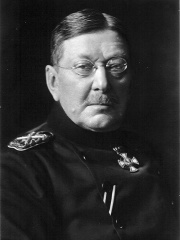
Colmar Freiherr von der Goltz
1843 - 1916
HPI: 68.94
Helyezés: 876

Jerzy Kosiński
1933 - 1991
HPI: 68.94
Helyezés: 877
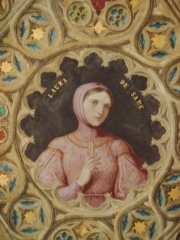
Laura de Noves
1310 - 1348
HPI: 68.94
Helyezés: 878

Danilo Kiš
1935 - 1989
HPI: 68.92
Helyezés: 879
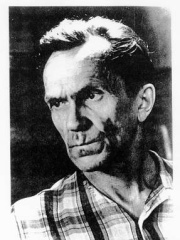
Varlam Shalamov
1907 - 1982
HPI: 68.92
Helyezés: 880
James May
1963 - napjainkig
HPI: 68.92
Helyezés: 881

Shoko Asahara
1955 - 2018
HPI: 68.89
Helyezés: 882
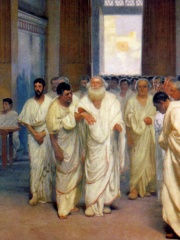
Appius Claudius Caecus
340 BC - 273 BC
HPI: 68.88
Helyezés: 883
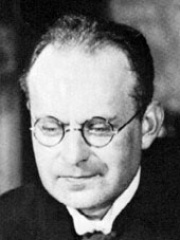
Aron Nimzowitsch
1886 - 1935
HPI: 68.87
Helyezés: 884
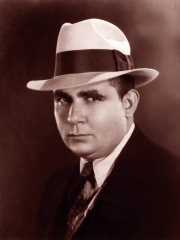
Robert E. Howard
1906 - 1936
HPI: 68.86
Helyezés: 885

Ian McEwan
1948 - napjainkig
HPI: 68.84
Helyezés: 886

Marie Mancini
1639 - 1715
HPI: 68.84
Helyezés: 887

Kortársak
A(z) 1963. évben születettek között James May a(z) 28. helyen áll. Előtte állnak: Marla Maples, Tori Amos, Donnie Yen, John Barnes, Phoebe Cates, és James Hetfield. Utána következnek: Fatboy Slim, Ming-Na Wen, Rafael Correa, Rumen Radev, Jensen Huang, és Jean-Pierre Papin.
További személyek, akik a(z) 1963. évben születtek
Összes rangsor megtekintése
Marla Maples
ACTOR
1963 - napjainkig
HPI: 69.59
Helyezés: 22

Tori Amos
SINGER
1963 - napjainkig
HPI: 69.53
Helyezés: 23

Donnie Yen
ACTOR
1963 - napjainkig
HPI: 69.38
Helyezés: 24

John Barnes
SOCCER PLAYER
1963 - napjainkig
HPI: 69.23
Helyezés: 25

Phoebe Cates
ACTOR
1963 - napjainkig
HPI: 68.98
Helyezés: 26

James Hetfield
MUSICIAN
1963 - napjainkig
HPI: 68.95
Helyezés: 27
James May
WRITER
1963 - napjainkig
HPI: 68.92
Helyezés: 28

Fatboy Slim
MUSICIAN
1963 - napjainkig
HPI: 68.91
Helyezés: 29

Ming-Na Wen
ACTOR
1963 - napjainkig
HPI: 68.88
Helyezés: 30

Rafael Correa
POLITICIAN
1963 - napjainkig
HPI: 68.78
Helyezés: 31

Rumen Radev
POLITICIAN
1963 - napjainkig
HPI: 68.58
Helyezés: 32

Jensen Huang
BUSINESSPERSON
1963 - napjainkig
HPI: 68.39
Helyezés: 33

Jean-Pierre Papin
COACH
1963 - napjainkig
HPI: 68.32
Helyezés: 34
A(z) Egyesült Királyság rangsorában
A(z) Egyesült Királyság területén születettek között James May a(z) 823. helyen áll 8,785 közül. Előtte állnak: Douglas Adams (1952), Thomas Wolsey (1473), Thomas Cranmer (1489), Annie Besant (1847), Cecilia Bowes-Lyon, Countess of Strathmore and Kinghorne (1862), és Geoffrey Wilkinson (1921). Utána következnek: Fatboy Slim (1963), Thomas of Lancaster, 1st Duke of Clarence (1388), Hertha Ayrton (1854), Colin Maclaurin (1698), Asma al-Assad (1975), és Alice Liddell (1852).
További személyek, akik Egyesült Királyság területén születtek
Összes rangsor megtekintése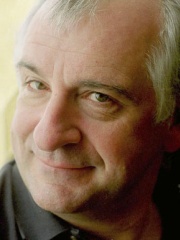
Douglas Adams
WRITER
1952 - 2001
HPI: 68.98
Helyezés: 817
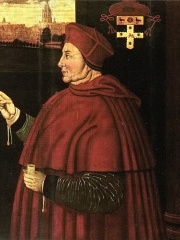
Thomas Wolsey
RELIGIOUS FIGURE
1473 - 1530
HPI: 68.97
Helyezés: 818
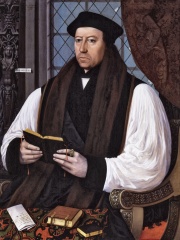
Thomas Cranmer
SOCIAL ACTIVIST
1489 - 1556
HPI: 68.96
Helyezés: 819
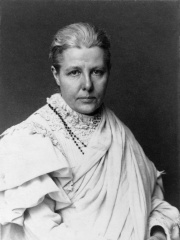
Annie Besant
SOCIAL ACTIVIST
1847 - 1933
HPI: 68.96
Helyezés: 820
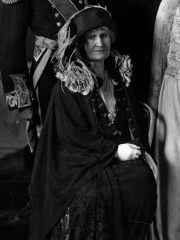
Cecilia Bowes-Lyon, Countess of Strathmore and Kinghorne
COMPANION
1862 - 1938
HPI: 68.93
Helyezés: 821
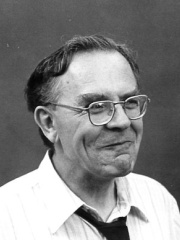
Geoffrey Wilkinson
CHEMIST
1921 - 1996
HPI: 68.92
Helyezés: 822
James May
WRITER
1963 - napjainkig
HPI: 68.92
Helyezés: 823
Fatboy Slim
MUSICIAN
1963 - napjainkig
HPI: 68.91
Helyezés: 824
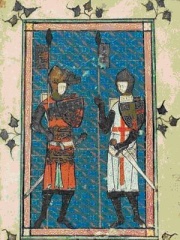
Thomas of Lancaster, 1st Duke of Clarence
POLITICIAN
1388 - 1421
HPI: 68.91
Helyezés: 825

Hertha Ayrton
ENGINEER
1854 - 1923
HPI: 68.90
Helyezés: 826
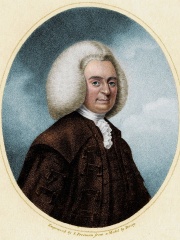
Colin Maclaurin
MATHEMATICIAN
1698 - 1746
HPI: 68.90
Helyezés: 827

Asma al-Assad
POLITICIAN
1975 - napjainkig
HPI: 68.87
Helyezés: 828

Alice Liddell
INSPIRATION
1852 - 1934
HPI: 68.87
Helyezés: 829
A(z) Író között – Egyesült Királyság
A(z) Egyesült Királyság területén született Író között James May a(z) 85. helyen áll. Előtte állnak: Jerome K. Jerome (1859), Henry of Grosmont, 1st Duke of Lancaster (1310), John Bunyan (1628), William McMaster Murdoch (1873), Julian Barnes (1946), és Douglas Adams (1952). Utána következnek: Ian McEwan (1948), Ernest Thompson Seton (1860), Eleanor Marx (1855), Wilkie Collins (1824), Samuel Richardson (1689), és H. Rider Haggard (1856).
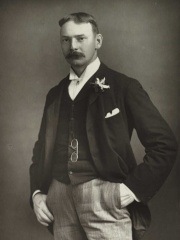
Jerome K. Jerome
1859 - 1927
HPI: 69.70
Helyezés: 79
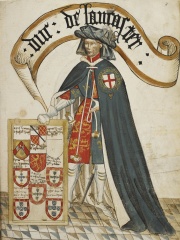
Henry of Grosmont, 1st Duke of Lancaster
1310 - 1361
HPI: 69.55
Helyezés: 80
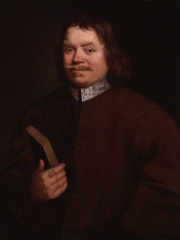
John Bunyan
1628 - 1688
HPI: 69.29
Helyezés: 81
William McMaster Murdoch
1873 - 1912
HPI: 69.20
Helyezés: 82

Julian Barnes
1946 - napjainkig
HPI: 69.11
Helyezés: 83
Douglas Adams
1952 - 2001
HPI: 68.98
Helyezés: 84
James May
1963 - napjainkig
HPI: 68.92
Helyezés: 85
Ian McEwan
1948 - napjainkig
HPI: 68.84
Helyezés: 86
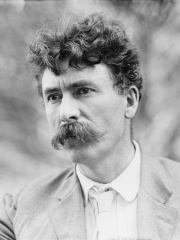
Ernest Thompson Seton
1860 - 1946
HPI: 68.77
Helyezés: 87
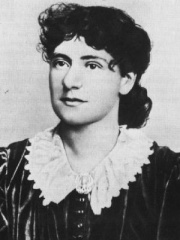
Eleanor Marx
1855 - 1898
HPI: 68.76
Helyezés: 88
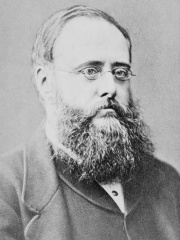
Wilkie Collins
1824 - 1889
HPI: 68.76
Helyezés: 89
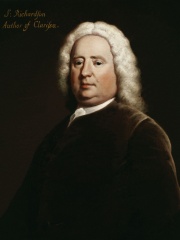
Samuel Richardson
1689 - 1761
HPI: 68.72
Helyezés: 90
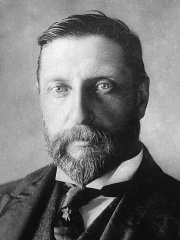
H. Rider Haggard
1856 - 1925
HPI: 68.70
Helyezés: 91




