Író
Hincmar
806 - 882
HU.WIKIPEDIA OLDALMEGTEKINTÉSEK (PV)
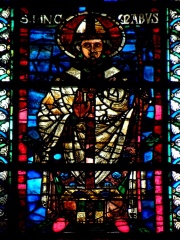
 Hincmar
Életrajza 19 különböző nyelven érhető el a Wikipédián. Hincmar a 1,894th legnépszerűbb író (növekedés a 1,962nd-ről 2024-ben), a 2,174th legnépszerűbb életrajz Franciaország országából (növekedés a 2,222nd-ről 2019-ben) és a 268th legnépszerűbb Franciaországból író.
Ismertségi mutatók
17k
Oldalmegtekintések
Elmúlt 12 hónap
63.57
HPI
Történelmi népszerűségi index
Hincmar oldalmegtekintései nyelvenként
A(z) Író között
A(z) Író között Hincmar a(z) 1,894. helyen áll 7,302 közül. Előtte állnak: Ğabdulla Tuqay, Pjetër Bogdani, Émile Augier, João de Barros, Rómulo Gallegos, és Margarete Buber-Neumann. Utána következnek: Shirley Jackson, Arthur Machen, Sulpicia, Branko Ćopić, Frederik Pohl, és Anonymus.
A legnépszerűbb Író a Wikipédián
Összes rangsor megtekintése
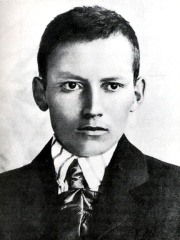
Ğabdulla Tuqay
1886 - 1913
HPI: 63.59
Helyezés: 1,888
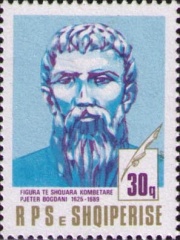
Pjetër Bogdani
1630 - 1689
HPI: 63.59
Helyezés: 1,889
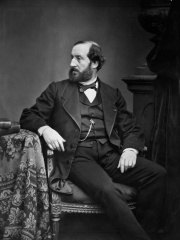
Émile Augier
1820 - 1889
HPI: 63.59
Helyezés: 1,890
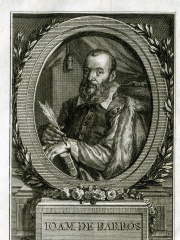
João de Barros
1496 - 1570
HPI: 63.59
Helyezés: 1,891
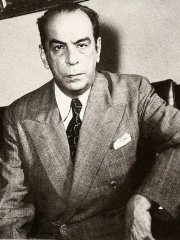
Rómulo Gallegos
1884 - 1969
HPI: 63.58
Helyezés: 1,892
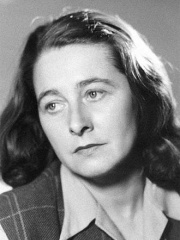
Margarete Buber-Neumann
1901 - 1989
HPI: 63.58
Helyezés: 1,893
Hincmar
806 - 882
HPI: 63.57
Helyezés: 1,894
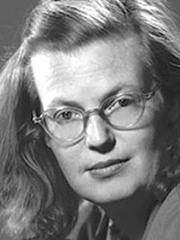
Shirley Jackson
1916 - 1965
HPI: 63.57
Helyezés: 1,895
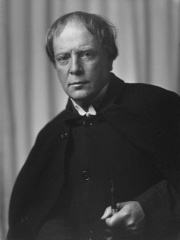
Arthur Machen
1863 - 1947
HPI: 63.57
Helyezés: 1,896
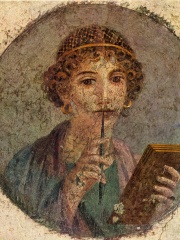
Sulpicia
100 BC - napjainkig
HPI: 63.57
Helyezés: 1,897
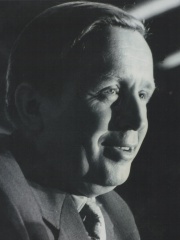
Branko Ćopić
1915 - 1984
HPI: 63.57
Helyezés: 1,898
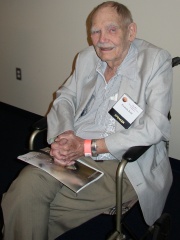
Frederik Pohl
1919 - 2013
HPI: 63.56
Helyezés: 1,899
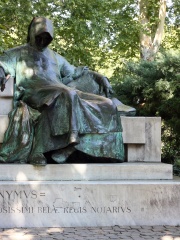
Anonymus
1200 - 1300
HPI: 63.55
Helyezés: 1,900

Kortársak
A(z) 806. évben születettek között Hincmar a(z) 3. helyen áll. Előtte állnak: Louis the German, és Al-Baladhuri. A(z) 882. évben elhunytak között Hincmar a(z) 5. helyen áll. Előtte állnak: Pope John VIII, Louis III of France, Louis the Younger, és García Íñiguez of Pamplona. Utána következnek: Rorik of Dorestad, és Eudokia Ingerina.
További személyek, akik a(z) 806. évben születtek
Összes rangsor megtekintése
Louis the German
POLITICIAN
806 - 876
HPI: 78.11
Helyezés: 1

Al-Baladhuri
HISTORIAN
806 - 892
HPI: 72.19
Helyezés: 2
Hincmar
WRITER
806 - 882
HPI: 63.57
Helyezés: 3
További személyek, akik a(z) 882. évben hunytak el
Összes rangsor megtekintése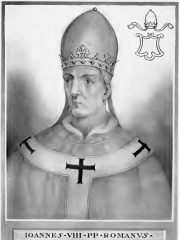
Pope John VIII
RELIGIOUS FIGURE
820 - 882
HPI: 79.61
Helyezés: 1
Louis III of France
POLITICIAN
863 - 882
HPI: 74.15
Helyezés: 2
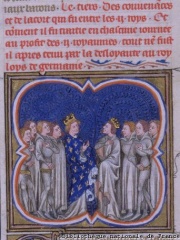
Louis the Younger
POLITICIAN
835 - 882
HPI: 71.45
Helyezés: 3
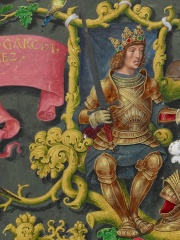
García Íñiguez of Pamplona
POLITICIAN
810 - 882
HPI: 63.95
Helyezés: 4
Hincmar
WRITER
806 - 882
HPI: 63.57
Helyezés: 5
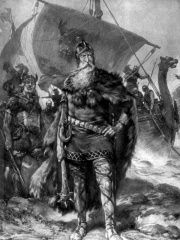
Rorik of Dorestad
NOBLEMAN
900 - 882
HPI: 62.39
Helyezés: 6
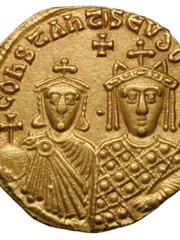
Eudokia Ingerina
POLITICIAN
840 - 882
HPI: 61.34
Helyezés: 7
A(z) Franciaország rangsorában
A(z) Franciaország területén születettek között Hincmar a(z) 2,174. helyen áll NaN közül. Előtte állnak: Peire Vidal (1140), Albéric Magnard (1865), Émile Augier (1820), Eugène-Henri Gravelotte (1876), Stanislas de Guaita (1861), és Princess María Teresa of Bourbon-Parma (1933). Utána következnek: Jean-Pierre Jarier (1946), Joseph-Marie Vien (1716), Philippe Honoré (1941), Constantin François de Chassebœuf, comte de Volney (1757), Walter V, Count of Brienne (1278), és John Frederick, Duke of Württemberg (1582).
További személyek, akik Franciaország területén születtek
Összes rangsor megtekintése
Peire Vidal
POLITICIAN
1140 - 1205
HPI: 63.60
Helyezés: 2,168
Albéric Magnard
COMPOSER
1865 - 1914
HPI: 63.59
Helyezés: 2,169
Émile Augier
WRITER
1820 - 1889
HPI: 63.59
Helyezés: 2,170
Eugène-Henri Gravelotte
POLITICIAN
1876 - 1939
HPI: 63.59
Helyezés: 2,171
Stanislas de Guaita
OCCULTIST
1861 - 1897
HPI: 63.58
Helyezés: 2,172
Princess María Teresa of Bourbon-Parma
NOBLEMAN
1933 - 2020
HPI: 63.57
Helyezés: 2,173
Hincmar
WRITER
806 - 882
HPI: 63.57
Helyezés: 2,174
Jean-Pierre Jarier
RACING DRIVER
1946 - napjainkig
HPI: 63.57
Helyezés: 2,175
Joseph-Marie Vien
PAINTER
1716 - 1809
HPI: 63.56
Helyezés: 2,176
Philippe Honoré
COMIC ARTIST
1941 - 2015
HPI: 63.56
Helyezés: 2,177
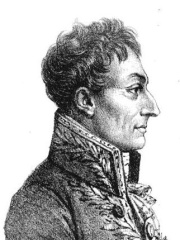
Constantin François de Chassebœuf, comte de Volney
EXPLORER
1757 - 1820
HPI: 63.56
Helyezés: 2,178
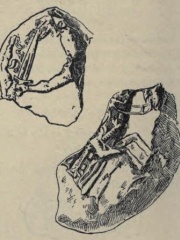
Walter V, Count of Brienne
POLITICIAN
1278 - 1311
HPI: 63.56
Helyezés: 2,179
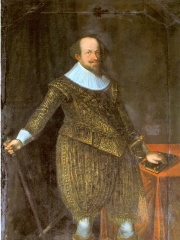
John Frederick, Duke of Württemberg
NOBLEMAN
1582 - 1628
HPI: 63.56
Helyezés: 2,180
A(z) Író között – Franciaország
A(z) Franciaország területén született Író között Hincmar a(z) 268. helyen áll. Előtte állnak: Georges Duhamel (1884), Prosper of Aquitaine (390), Yasmina Reza (1959), Jean-Pierre Thiollet (1956), Tristan Corbière (1845), és Émile Augier (1820). Utána következnek: Zygmunt Krasiński (1812), Christian Jacq (1947), Jean-Baptiste Alphonse Karr (1808), Eustache Deschamps (1346), Jean Paulhan (1884), és Emmanuel Carrère (1957).
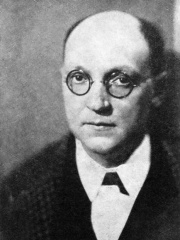
Georges Duhamel
1884 - 1966
HPI: 63.66
Helyezés: 262
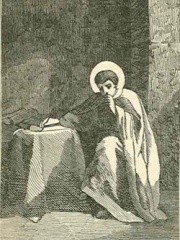
Prosper of Aquitaine
390 - 463
HPI: 63.66
Helyezés: 263
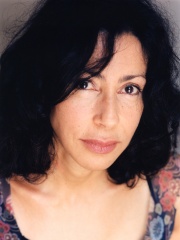
Yasmina Reza
1959 - napjainkig
HPI: 63.64
Helyezés: 264
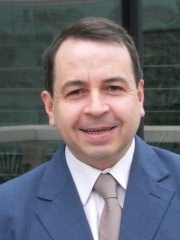
Jean-Pierre Thiollet
1956 - napjainkig
HPI: 63.64
Helyezés: 265
Tristan Corbière
1845 - 1875
HPI: 63.62
Helyezés: 266
Émile Augier
1820 - 1889
HPI: 63.59
Helyezés: 267
Hincmar
806 - 882
HPI: 63.57
Helyezés: 268
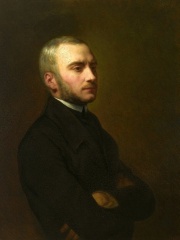
Zygmunt Krasiński
1812 - 1859
HPI: 63.49
Helyezés: 269
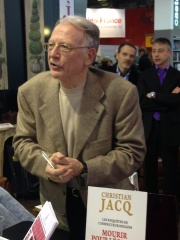
Christian Jacq
1947 - napjainkig
HPI: 63.47
Helyezés: 270
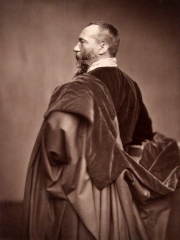
Jean-Baptiste Alphonse Karr
1808 - 1890
HPI: 63.45
Helyezés: 271

Eustache Deschamps
1346 - 1406
HPI: 63.41
Helyezés: 272
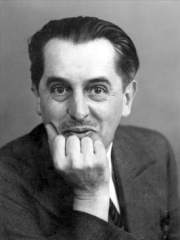
Jean Paulhan
1884 - 1968
HPI: 63.41
Helyezés: 273
Emmanuel Carrère
1957 - napjainkig
HPI: 63.41
Helyezés: 274




