Vallási személyiség
Agobard
769 - 840
HU.WIKIPEDIA PAGE VIEWS (PV)

 Agobard
Életrajza 17 különböző nyelven érhető el a Wikipédián. Agobard a 1,832nd legnépszerűbb vallási személyiség (csökkenés a 1,548th-ről 2024-ben), a 851st legnépszerűbb életrajz Spanyolország országából (csökkenés a 784th-ről 2019-ben) és a 70th legnépszerűbb Spanyolországból vallási személyiség.
Memorability Metrics
12k
Page Views
Past 12 months
61.64
HPI
Historical Popularity Index
Page views of Agobard by language
Among Vallási személyiségs
Among vallási személyiségs, Agobard ranks 1,832 out of 3,187. Before him are Ivan Dias, Herman I of Baden, Luigi Poggi, Agnes of Assisi, Louis Antoine de Noailles, and Varkey Vithayathil. After him are John Francis Regis, Geminianus, Kevin of Glendalough, Kaundinya, Albinus of Angers, and Nicolás de Jesús López Rodríguez.
Most Popular Vallási Személyiségs in Wikipedia
Go to all Rankings
Ivan Dias
1936 - 2017
HPI: 61.66
Rank: 1,826
Herman I of Baden
1040 - 1074
HPI: 61.66
Rank: 1,827
Luigi Poggi
1917 - 2010
HPI: 61.65
Rank: 1,828
Agnes of Assisi
1197 - 1253
HPI: 61.65
Rank: 1,829
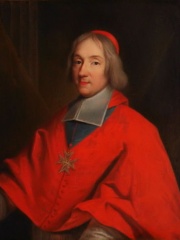
Louis Antoine de Noailles
1651 - 1729
HPI: 61.65
Rank: 1,830
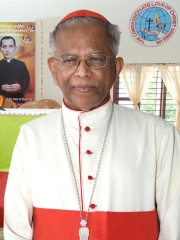
Varkey Vithayathil
1927 - 2011
HPI: 61.64
Rank: 1,831
Agobard
769 - 840
HPI: 61.64
Rank: 1,832
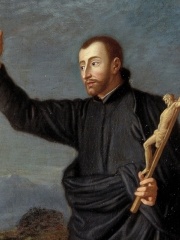
John Francis Regis
1597 - 1640
HPI: 61.62
Rank: 1,833
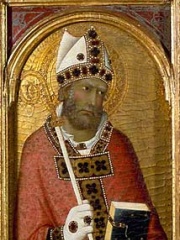
Geminianus
312 - 397
HPI: 61.62
Rank: 1,834
Kevin of Glendalough
498 - 618
HPI: 61.62
Rank: 1,835
Kaundinya
HPI: 61.62
Rank: 1,836

Albinus of Angers
470 - 550
HPI: 61.61
Rank: 1,837
Nicolás de Jesús López Rodríguez
1936 - Present
HPI: 61.60
Rank: 1,838

Contemporaries
Among people born in 769, Agobard ranks 1. Among people deceased in 840, Agobard ranks 6. Before him are Louis the Pious, Einhard, Emperor Junna, Emperor Wenzong of Tang, and Euphrosyne.
Others Born in 769
Go to all RankingsOthers Deceased in 840
Go to all Rankings
Louis the Pious
POLITICIAN
778 - 840
HPI: 81.56
Rank: 1
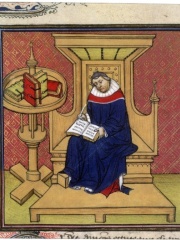
Einhard
WRITER
770 - 840
HPI: 73.58
Rank: 2
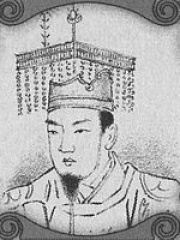
Emperor Junna
POLITICIAN
785 - 840
HPI: 65.96
Rank: 3

Emperor Wenzong of Tang
POLITICIAN
809 - 840
HPI: 65.69
Rank: 4

Euphrosyne
POLITICIAN
790 - 840
HPI: 63.05
Rank: 5
Agobard
RELIGIOUS FIGURE
769 - 840
HPI: 61.64
Rank: 6
In Spanyolország
Among people born in Spanyolország, Agobard ranks 851 out of NaN. Before him are Eleanor of Arborea (1340), Joaquín Navarro-Valls (1936), Abu Bakr ibn al-Arabi (1076), Rocío Dúrcal (1944), Andrés Manuel del Río (1764), and Ahmad al-Muqtadir (1050). After him are Conchita Martínez (1972), Alfonso II, Count of Provence (1180), Muniadona of Castile (995), Ignacio Zoco (1939), Ignacio Zuloaga (1870), and Manuel García (1775).
Others born in Spanyolország
Go to all Rankings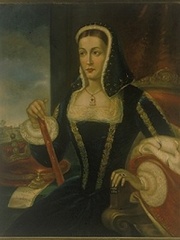
Eleanor of Arborea
POLITICIAN
1340 - 1404
HPI: 61.68
Rank: 845
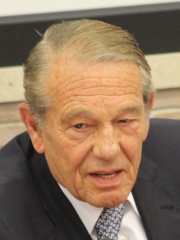
Joaquín Navarro-Valls
JOURNALIST
1936 - 2017
HPI: 61.68
Rank: 846
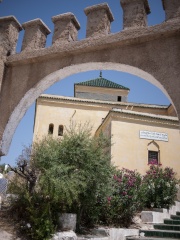
Abu Bakr ibn al-Arabi
RELIGIOUS FIGURE
1076 - 1148
HPI: 61.68
Rank: 847

Rocío Dúrcal
ACTOR
1944 - 2006
HPI: 61.67
Rank: 848
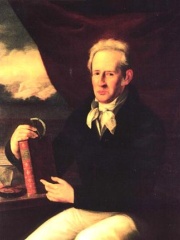
Andrés Manuel del Río
CHEMIST
1764 - 1849
HPI: 61.66
Rank: 849

Ahmad al-Muqtadir
POLITICIAN
1050 - 1082
HPI: 61.65
Rank: 850
Agobard
RELIGIOUS FIGURE
769 - 840
HPI: 61.64
Rank: 851
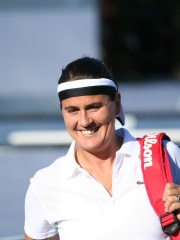
Conchita Martínez
TENNIS PLAYER
1972 - Present
HPI: 61.64
Rank: 852
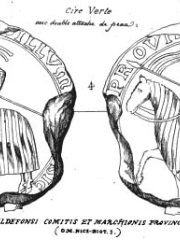
Alfonso II, Count of Provence
POLITICIAN
1180 - 1209
HPI: 61.63
Rank: 853

Muniadona of Castile
COMPANION
995 - 1066
HPI: 61.60
Rank: 854
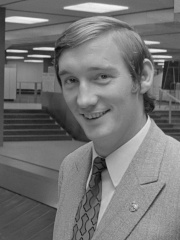
Ignacio Zoco
SOCCER PLAYER
1939 - 2015
HPI: 61.59
Rank: 855
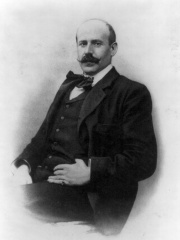
Ignacio Zuloaga
PAINTER
1870 - 1945
HPI: 61.58
Rank: 856
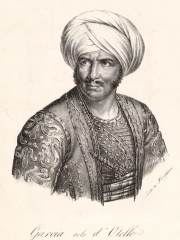
Manuel García
SINGER
1775 - 1832
HPI: 61.56
Rank: 857
Among Vallási személyiségs In Spanyolország
Among vallási személyiségs born in Spanyolország, Agobard ranks 70. Before him are Antonio María Rouco Varela (1936), Javier Echevarría Rodríguez (1932), Theodulf of Orléans (750), Fructuosus of Braga (601), Alphonsus Rodriguez (1532), and Abu Bakr ibn al-Arabi (1076). After him are Josep Maria Mauri (1941), Raimon Panikkar (1918), Gil Álvarez Carrillo de Albornoz (1310), Julian of Toledo (642), Diego Laynez (1512), and Fernando Sebastián Aguilar (1929).
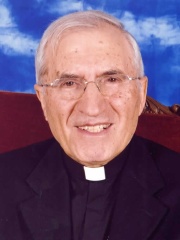
Antonio María Rouco Varela
1936 - Present
HPI: 61.90
Rank: 64
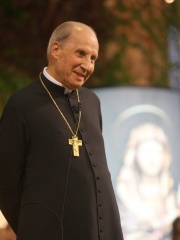
Javier Echevarría Rodríguez
1932 - 2016
HPI: 61.82
Rank: 65

Theodulf of Orléans
750 - 821
HPI: 61.80
Rank: 66
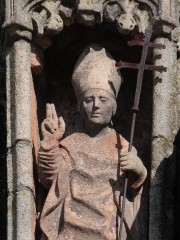
Fructuosus of Braga
601 - 665
HPI: 61.77
Rank: 67
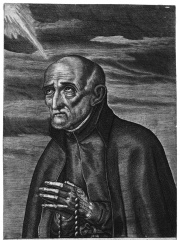
Alphonsus Rodriguez
1532 - 1617
HPI: 61.70
Rank: 68
Abu Bakr ibn al-Arabi
1076 - 1148
HPI: 61.68
Rank: 69
Agobard
769 - 840
HPI: 61.64
Rank: 70

Josep Maria Mauri
1941 - Present
HPI: 61.56
Rank: 71
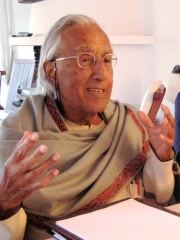
Raimon Panikkar
1918 - 2010
HPI: 61.53
Rank: 72
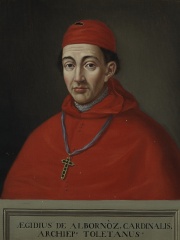
Gil Álvarez Carrillo de Albornoz
1310 - 1367
HPI: 61.40
Rank: 73
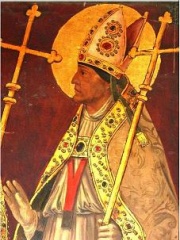
Julian of Toledo
642 - 690
HPI: 61.36
Rank: 74
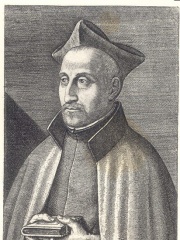
Diego Laynez
1512 - 1565
HPI: 61.21
Rank: 75
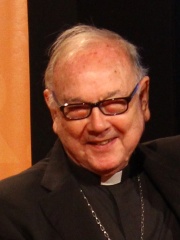
Fernando Sebastián Aguilar
1929 - 2019
HPI: 61.14
Rank: 76




