Politicien
Theo Waigel
1939 - aujourd'hui
PAGES VUES SUR FR.WIKIPEDIA (PV)
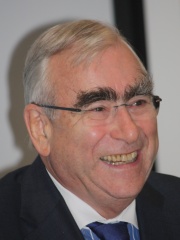
 Theo Waigel
Sa biographie est disponible en 17 langues sur Wikipédia. Theo Waigel est le 15,490th politicien le plus populaire (en baisse du 13,649th en 2024), la 4,931st biographie la plus populaire d'Allemagne (en baisse du 4,289th en 2019), ainsi que le 1,214th politicien d'Allemagne le plus populaire.
Indicateurs de mémorabilité
130k
Pages vues
12 derniers mois
54.98
HPI
Indice de popularité historique
Faits marquants
22 avr.
Theo Waigel partage sa date d'anniversaire (22 avril) avec Immanuel Kant, Vladimir Lenin et J. Robert Oppenheimer.
Pages vues de Theo Waigel par langue
Parmi les Politicien
Parmi les Politicien, Theo Waigel occupe le rang 15,483 sur 19,576. Avant lui viennent Mohamed Benhima, Yaşar Güler, Valérie Pécresse, Margarita Robles, Yelena Mizulina, et Karim Massimov. Après lui viennent Richard Olney, Bülent Arınç, Oskari Tokoi, Tillman Thomas, Jacques Poos, et Dmitry Rogozin.
Politicien les plus populaires sur Wikipédia
Voir tous les classements
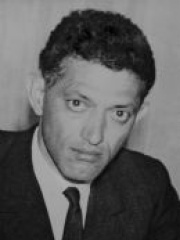
Mohamed Benhima
1924 - 1992
HPI : 54.98
Rang : 15,484
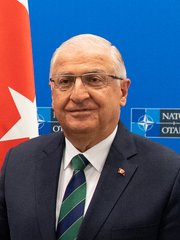
Yaşar Güler
1954 - présent
HPI : 54.98
Rang : 15,485
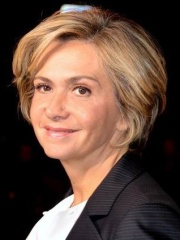
Valérie Pécresse
1967 - présent
HPI : 54.98
Rang : 15,486
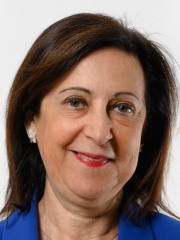
Margarita Robles
1956 - présent
HPI : 54.98
Rang : 15,487

Yelena Mizulina
1954 - présent
HPI : 54.98
Rang : 15,488
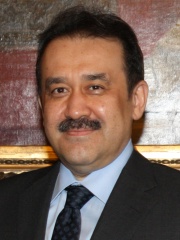
Karim Massimov
1965 - présent
HPI : 54.98
Rang : 15,489
Theo Waigel
1939 - présent
HPI : 54.98
Rang : 15,490
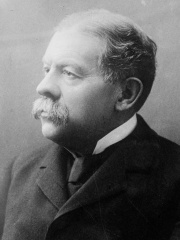
Richard Olney
1835 - 1917
HPI : 54.98
Rang : 15,491
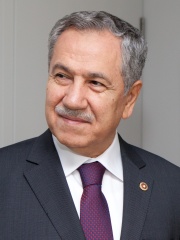
Bülent Arınç
1948 - présent
HPI : 54.98
Rang : 15,492
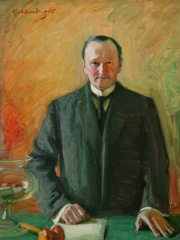
Oskari Tokoi
1873 - 1963
HPI : 54.98
Rang : 15,493
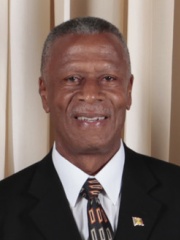
Tillman Thomas
1947 - présent
HPI : 54.97
Rang : 15,494
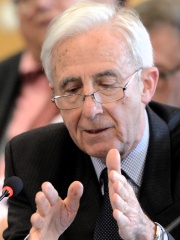
Jacques Poos
1935 - 2022
HPI : 54.97
Rang : 15,495
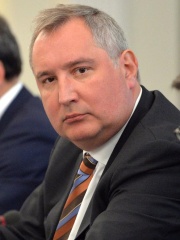
Dmitry Rogozin
1963 - présent
HPI : 54.97
Rang : 15,496

Contemporains
Parmi les personnes nées en 1939, Theo Waigel occupe le rang 452. Avant lui viennent Lol Mahamat Choua, Yoseph Imry, Allen Garfield, Boris Tishchenko, Rudolf Bayer, et Wilhelmina Cooper. Après lui viennent Danas Pozniakas, Adam Osborne, Yury Sharov, Richard Posner, Anjanette Comer, et Antal Szentmihályi.
Autres personnes nées en 1939
Voir tous les classements
Lol Mahamat Choua
POLITICIAN
1939 - 2019
HPI : 55.08
Rang : 446
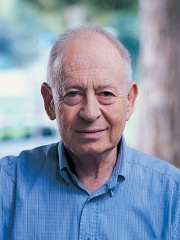
Yoseph Imry
PHYSICIST
1939 - 2018
HPI : 55.08
Rang : 447
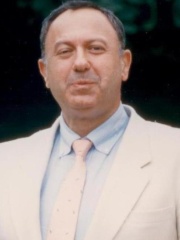
Allen Garfield
ACTOR
1939 - 2020
HPI : 55.07
Rang : 448

Boris Tishchenko
COMPOSER
1939 - 2010
HPI : 55.02
Rang : 449

Rudolf Bayer
COMPUTER SCIENTIST
1939 - présent
HPI : 55.00
Rang : 450

Wilhelmina Cooper
MODEL
1939 - 1980
HPI : 54.99
Rang : 451
Theo Waigel
POLITICIAN
1939 - présent
HPI : 54.98
Rang : 452
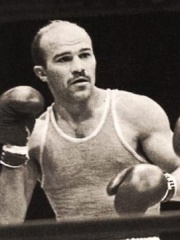
Danas Pozniakas
ATHLETE
1939 - 2005
HPI : 54.97
Rang : 453
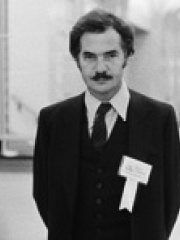
Adam Osborne
COMPUTER SCIENTIST
1939 - 2003
HPI : 54.92
Rang : 454

Yury Sharov
ATHLETE
1939 - 2021
HPI : 54.89
Rang : 455
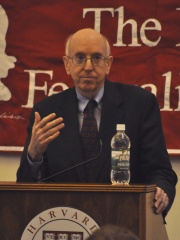
Richard Posner
PHILOSOPHER
1939 - présent
HPI : 54.89
Rang : 456

Anjanette Comer
ACTOR
1939 - présent
HPI : 54.89
Rang : 457

Antal Szentmihályi
SOCCER PLAYER
1939 - présent
HPI : 54.86
Rang : 458
En Allemagne
Parmi les personnes nées en Allemagne, Theo Waigel occupe le rang 4,931 sur 7,253. Avant lui viennent Erwin Casmir (1895), Heinz Vollmar (1936), Rudolf Bayer (1939), Martin Wuttke (1962), Kiki Smith (1954), et Frank Rühle (1944). Après lui viennent Vladimir Morozov (null), Otto Fickeisen (1879), Markus Babbel (1972), Thomas Struth (1954), Christoph Metzelder (1980), et Robin Gosens (1994).
Autres personnes nées en Allemagne
Voir tous les classements
Erwin Casmir
ATHLETE
1895 - 1982
HPI : 55.01
Rang : 4,925

Heinz Vollmar
SOCCER PLAYER
1936 - 1987
HPI : 55.00
Rang : 4,926
Rudolf Bayer
COMPUTER SCIENTIST
1939 - présent
HPI : 55.00
Rang : 4,927
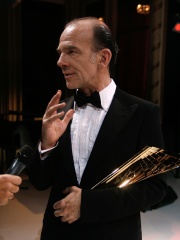
Martin Wuttke
ACTOR
1962 - présent
HPI : 55.00
Rang : 4,928

Kiki Smith
PAINTER
1954 - présent
HPI : 54.99
Rang : 4,929
Frank Rühle
ATHLETE
1944 - présent
HPI : 54.98
Rang : 4,930
Theo Waigel
POLITICIAN
1939 - présent
HPI : 54.98
Rang : 4,931

Vladimir Morozov
ATHLETE
HPI : 54.97
Rang : 4,932
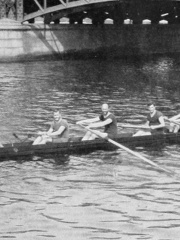
Otto Fickeisen
ATHLETE
1879 - 1963
HPI : 54.96
Rang : 4,933
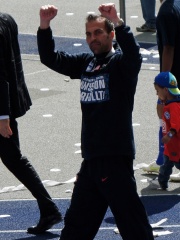
Markus Babbel
SOCCER PLAYER
1972 - présent
HPI : 54.96
Rang : 4,934
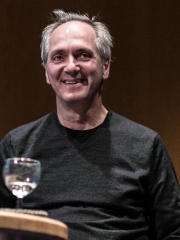
Thomas Struth
PHOTOGRAPHER
1954 - présent
HPI : 54.96
Rang : 4,935
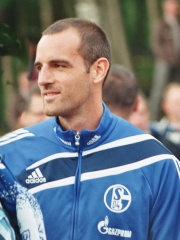
Christoph Metzelder
SOCCER PLAYER
1980 - présent
HPI : 54.95
Rang : 4,936

Robin Gosens
SOCCER PLAYER
1994 - présent
HPI : 54.95
Rang : 4,937
Parmi les Politicien en Allemagne
Parmi les Politicien nés en Allemagne, Theo Waigel occupe le rang 1,214. Avant lui viennent Walter Behrendt (1914), Heinrich Held (1868), Ludvig Holstein-Ledreborg (1839), Erhard Keller (1944), Heidemarie Wieczorek-Zeul (1942), et Frauke Petry (1975). Après lui viennent Annemarie Renger (1919), Otto Scheff (1889), Heide Simonis (1943), Gabriele Zimmer (1955), Wolfgang Clement (1940), et Klaus Schütz (1926).
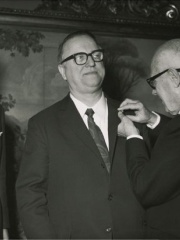
Walter Behrendt
1914 - 1997
HPI : 55.17
Rang : 1,208
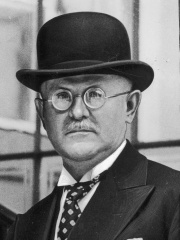
Heinrich Held
1868 - 1938
HPI : 55.12
Rang : 1,209
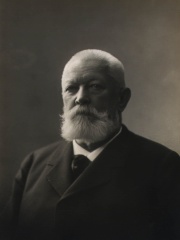
Ludvig Holstein-Ledreborg
1839 - 1912
HPI : 55.10
Rang : 1,210
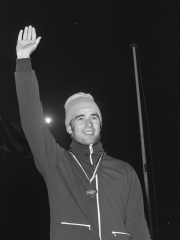
Erhard Keller
1944 - présent
HPI : 55.08
Rang : 1,211

Heidemarie Wieczorek-Zeul
1942 - présent
HPI : 55.03
Rang : 1,212
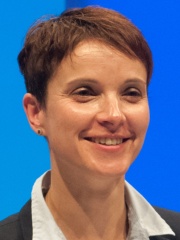
Frauke Petry
1975 - présent
HPI : 55.01
Rang : 1,213
Theo Waigel
1939 - présent
HPI : 54.98
Rang : 1,214
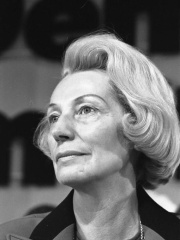
Annemarie Renger
1919 - 2008
HPI : 54.94
Rang : 1,215

Otto Scheff
1889 - 1956
HPI : 54.94
Rang : 1,216
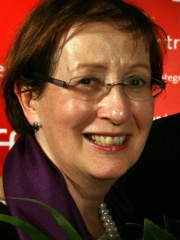
Heide Simonis
1943 - 2023
HPI : 54.86
Rang : 1,217
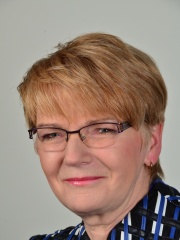
Gabriele Zimmer
1955 - présent
HPI : 54.83
Rang : 1,218
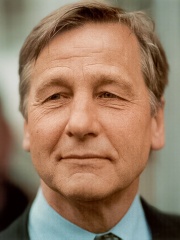
Wolfgang Clement
1940 - 2020
HPI : 54.82
Rang : 1,219
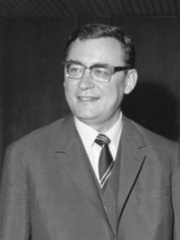
Klaus Schütz
1926 - 2012
HPI : 54.72
Rang : 1,220




