Écrivain
Pacuvius
220 BC - 130 BC
PAGES VUES SUR FR.WIKIPEDIA (PV)

 Pacuvius
Sa biographie est disponible en 28 langues sur Wikipédia. Pacuvius est le 1,597th écrivain le plus populaire (en hausse du 1,609th en 2024), la 1,711th biographie la plus populaire d'Italie (en baisse du 1,704th en 2019), ainsi que le 109th écrivain d'Italie le plus populaire.
Indicateurs de mémorabilité
11k
Pages vues
12 derniers mois
64.78
HPI
Indice de popularité historique
Pages vues de Pacuvius par langue
Parmi les Écrivain
Parmi les Écrivain, Pacuvius occupe le rang 1,597 sur 7,302. Avant lui viennent Tomi Ungerer, Philippe de Commines, Martin of Opava, Caroline Graham, Dick Bruna, et Akka Mahadevi. Après lui viennent Mary Berry, Vicki Baum, Konstantin Simonov, A. B. Yehoshua, Don DeLillo, et Mustafa Balel.
Écrivain les plus populaires sur Wikipédia
Voir tous les classements
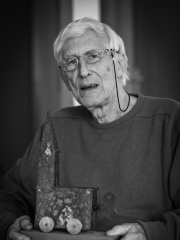
Tomi Ungerer
1931 - 2019
HPI : 64.80
Rang : 1,591
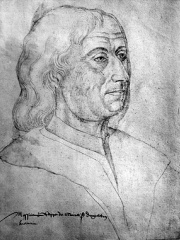
Philippe de Commines
1447 - 1511
HPI : 64.80
Rang : 1,592
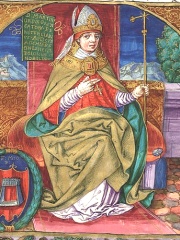
Martin of Opava
1300 - 1279
HPI : 64.80
Rang : 1,593

Caroline Graham
1931 - présent
HPI : 64.80
Rang : 1,594
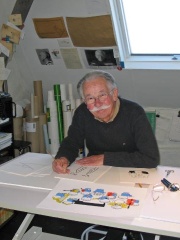
Dick Bruna
1927 - 2017
HPI : 64.79
Rang : 1,595
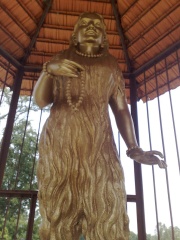
Akka Mahadevi
1130 - 1101
HPI : 64.78
Rang : 1,596
Pacuvius
220 BC - 130 BC
HPI : 64.78
Rang : 1,597
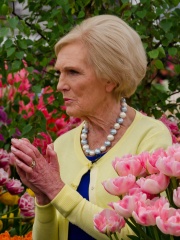
Mary Berry
1935 - présent
HPI : 64.78
Rang : 1,598
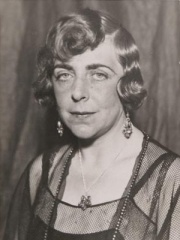
Vicki Baum
1888 - 1960
HPI : 64.77
Rang : 1,599
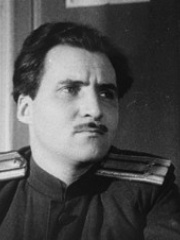
Konstantin Simonov
1915 - 1979
HPI : 64.77
Rang : 1,600

A. B. Yehoshua
1936 - 2022
HPI : 64.76
Rang : 1,601
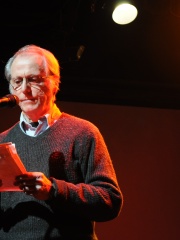
Don DeLillo
1936 - présent
HPI : 64.76
Rang : 1,602
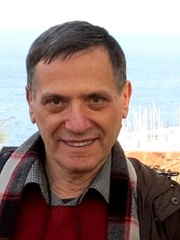
Mustafa Balel
1945 - présent
HPI : 64.76
Rang : 1,603

Contemporains
Parmi les personnes nées en 220 BC, Pacuvius occupe le rang 3. Avant lui viennent Attalus II Philadelphus, et Tiberius Sempronius Gracchus. Après lui vient Gaius Claudius Pulcher. Parmi les personnes décédées en 130 BC, Pacuvius occupe le rang 1. Après lui viennent Menander I, Servius Sulpicius Galba, Quintus Fabius Maximus Aemilianus, et Ptolemaeus of Commagene.
Autres personnes nées en 220 BC
Voir tous les classements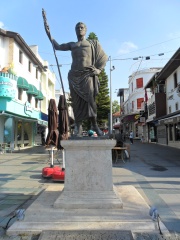
Attalus II Philadelphus
POLITICIAN
220 BC - 138 BC
HPI : 70.12
Rang : 1

Tiberius Sempronius Gracchus
POLITICIAN
220 BC - 154 BC
HPI : 66.60
Rang : 2
Pacuvius
WRITER
220 BC - 130 BC
HPI : 64.78
Rang : 3

Gaius Claudius Pulcher
POLITICIAN
220 BC - 167 BC
HPI : 56.86
Rang : 4
Autres personnes décédées en 130 BC
Voir tous les classementsPacuvius
WRITER
220 BC - 130 BC
HPI : 64.78
Rang : 1
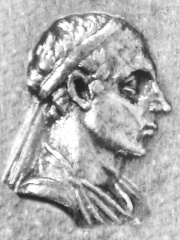
Menander I
POLITICIAN
190 BC - 130 BC
HPI : 64.62
Rang : 2

Servius Sulpicius Galba
POLITICIAN
190 BC - 130 BC
HPI : 62.46
Rang : 3

Quintus Fabius Maximus Aemilianus
POLITICIAN
189 BC - 130 BC
HPI : 59.66
Rang : 4

Ptolemaeus of Commagene
POLITICIAN
250 BC - 130 BC
HPI : 58.04
Rang : 5
En Italie
Parmi les personnes nées en Italie, Pacuvius occupe le rang 1,711 sur NaN. Avant lui viennent Prince Alfonso, Count of Caserta (1841), Alessandro Altobelli (1955), Antonio Salandra (1853), Blanche of Anjou (1280), Vincenzo Peruggia (1881), et Nereo Rocco (1912). Après lui viennent Gallus Anonymus (1010), Giuseppina Strepponi (1815), Gillo Pontecorvo (1919), Catherine of Bologna (1413), Alberic I of Spoleto (900), et Saint Silvia (515).
Autres personnes nées en Italie
Voir tous les classements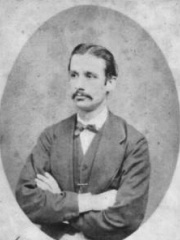
Prince Alfonso, Count of Caserta
POLITICIAN
1841 - 1934
HPI : 64.80
Rang : 1,705

Alessandro Altobelli
SOCCER PLAYER
1955 - présent
HPI : 64.80
Rang : 1,706
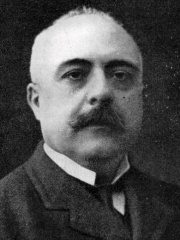
Antonio Salandra
POLITICIAN
1853 - 1931
HPI : 64.79
Rang : 1,707
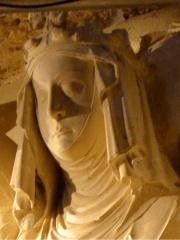
Blanche of Anjou
POLITICIAN
1280 - 1310
HPI : 64.79
Rang : 1,708
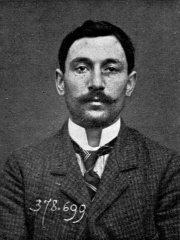
Vincenzo Peruggia
EXTREMIST
1881 - 1925
HPI : 64.78
Rang : 1,709
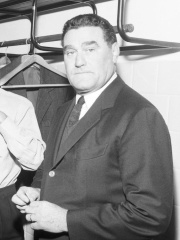
Nereo Rocco
SOCCER PLAYER
1912 - 1979
HPI : 64.78
Rang : 1,710
Pacuvius
WRITER
220 BC - 130 BC
HPI : 64.78
Rang : 1,711

Gallus Anonymus
POLITICIAN
1010 - 1145
HPI : 64.77
Rang : 1,712
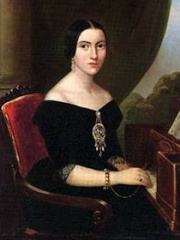
Giuseppina Strepponi
SINGER
1815 - 1897
HPI : 64.77
Rang : 1,713
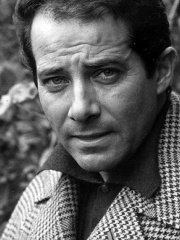
Gillo Pontecorvo
FILM DIRECTOR
1919 - 2006
HPI : 64.77
Rang : 1,714
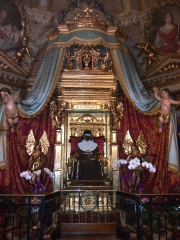
Catherine of Bologna
WRITER
1413 - 1463
HPI : 64.75
Rang : 1,715

Alberic I of Spoleto
POLITICIAN
900 - 924
HPI : 64.75
Rang : 1,716
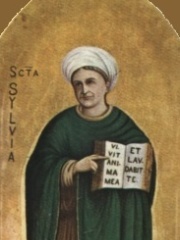
Saint Silvia
RELIGIOUS FIGURE
515 - 592
HPI : 64.75
Rang : 1,717
Parmi les Écrivain en Italie
Parmi les Écrivain nés en Italie, Pacuvius occupe le rang 109. Avant lui viennent Boris Pahor (1913), Ignazio Silone (1900), Francesco Maria Piave (1810), Claudio Magris (1939), Veronica Franco (1546), et Felice Romani (1788). Après lui viennent Catherine of Bologna (1413), Ubertino of Casale (1259), Maria Valtorta (1897), Bartolomeo Platina (1421), Margherita Sarfatti (1880), et Jacopo Sannazaro (1458).
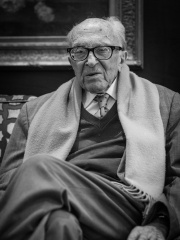
Boris Pahor
1913 - 2022
HPI : 65.90
Rang : 103
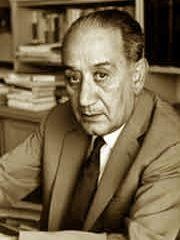
Ignazio Silone
1900 - 1978
HPI : 65.89
Rang : 104
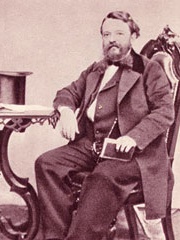
Francesco Maria Piave
1810 - 1876
HPI : 65.57
Rang : 105
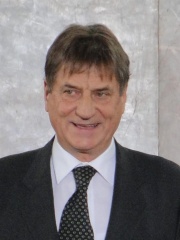
Claudio Magris
1939 - présent
HPI : 65.36
Rang : 106
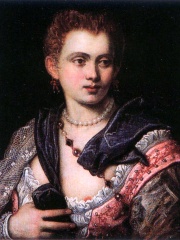
Veronica Franco
1546 - 1591
HPI : 65.29
Rang : 107
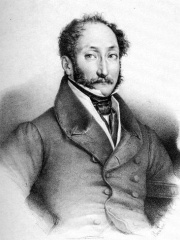
Felice Romani
1788 - 1865
HPI : 64.97
Rang : 108
Pacuvius
220 BC - 130 BC
HPI : 64.78
Rang : 109
Catherine of Bologna
1413 - 1463
HPI : 64.75
Rang : 110

Ubertino of Casale
1259 - 1330
HPI : 64.74
Rang : 111
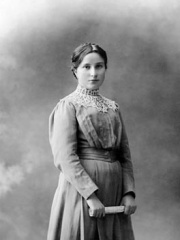
Maria Valtorta
1897 - 1961
HPI : 64.58
Rang : 112

Bartolomeo Platina
1421 - 1481
HPI : 64.56
Rang : 113
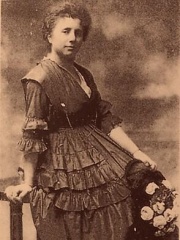
Margherita Sarfatti
1880 - 1961
HPI : 64.55
Rang : 114
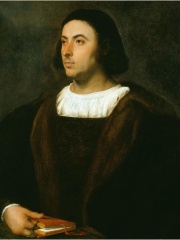
Jacopo Sannazaro
1458 - 1530
HPI : 64.41
Rang : 115




