Figura religiosa
Praxedes
100 - presente
ES.WIKIPEDIA PAGE VIEWS (PV)
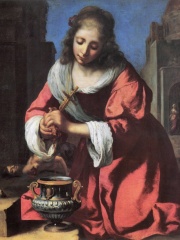
 Praxedes
Su biografía está disponible en 17 idiomas en Wikipedia. Praxedes ocupa el puesto 1221 entre los figura religiosa más populares (bajó del puesto 1197 en 2024), el puesto 1652 entre las biografías más populares de Italia (subió del puesto 1738 en 2019) y el puesto 353 entre los figura religiosa de italia más populares.
Memorability Metrics
27k
Page Views
Past 12 months
65.10
HPI
Historical Popularity Index
Page views of Praxedes by language
Among Figura religiosas
Among figura religiosas, Praxedes ranks 1,221 out of 3,187. Before her are Hugh of Châteauneuf, Franciszek Macharski, Amun-her-khepeshef, Josyf Slipyj, Felicitas of Rome, and Dazu Huike. After her are William Farel, Senebkay, John Smyth, Fernando Vérgez Alzaga, Raymond V, Count of Toulouse, and Francesco Barberini.
Most Popular Figura Religiosas in Wikipedia
Go to all Rankings

Hugh of Châteauneuf
1053 - 1132
HPI: 65.15
Rank: 1,215
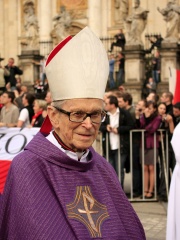
Franciszek Macharski
1927 - 2016
HPI: 65.15
Rank: 1,216
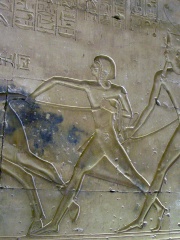
Amun-her-khepeshef
1300 BC - 1300 BC
HPI: 65.14
Rank: 1,217

Josyf Slipyj
1892 - 1984
HPI: 65.14
Rank: 1,218
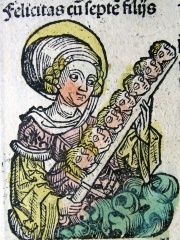
Felicitas of Rome
101 - 165
HPI: 65.13
Rank: 1,219
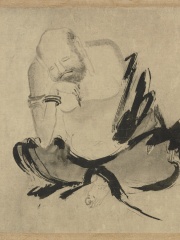
Dazu Huike
487 - 593
HPI: 65.13
Rank: 1,220
Praxedes
100 - Present
HPI: 65.10
Rank: 1,221
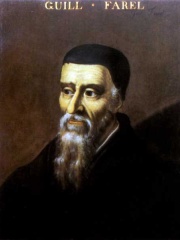
William Farel
1489 - 1565
HPI: 65.10
Rank: 1,222
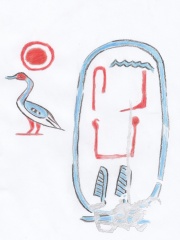
Senebkay
1700 BC - 1700 BC
HPI: 65.10
Rank: 1,223
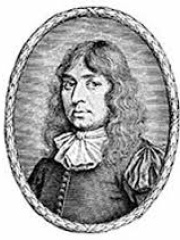
John Smyth
1570 - 1612
HPI: 65.10
Rank: 1,224

Fernando Vérgez Alzaga
1945 - Present
HPI: 65.10
Rank: 1,225

Raymond V, Count of Toulouse
1134 - 1194
HPI: 65.09
Rank: 1,226
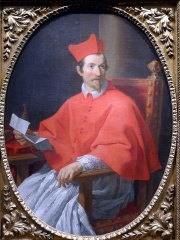
Francesco Barberini
1597 - 1679
HPI: 65.08
Rank: 1,227

Contemporaries
Among people born in 100, Praxedes ranks 36. Before her are Valentinus, Mucianus, Mary the Jewess, Gan Ying, Epaphroditus, and Marcus Annius Verus. After her are Agrippa the Skeptic, Saint Sabina, Artabanus III of Parthia, Saint Publius, Lusius Quietus, and Carpocrates.
Others Born in 100
Go to all Rankings
Valentinus
PHILOSOPHER
100 - 160
HPI: 66.01
Rank: 30

Mucianus
POLITICIAN
100 - 100
HPI: 65.85
Rank: 31
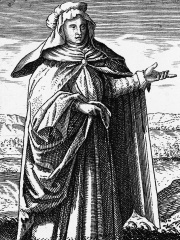
Mary the Jewess
INVENTOR
100 - 100
HPI: 65.39
Rank: 32

Gan Ying
EXPLORER
100 - Present
HPI: 65.28
Rank: 33
Epaphroditus
RELIGIOUS FIGURE
100 - 69
HPI: 65.18
Rank: 34

Marcus Annius Verus
POLITICIAN
100 - 138
HPI: 65.12
Rank: 35
Praxedes
RELIGIOUS FIGURE
100 - Present
HPI: 65.10
Rank: 36

Agrippa the Skeptic
PHILOSOPHER
100 - 100
HPI: 64.97
Rank: 37
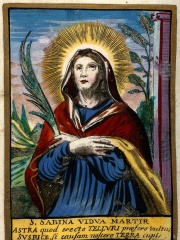
Saint Sabina
RELIGIOUS FIGURE
100 - 126
HPI: 64.70
Rank: 38
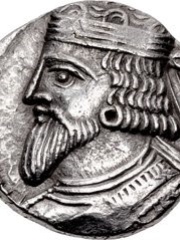
Artabanus III of Parthia
POLITICIAN
100 - 90
HPI: 64.62
Rank: 39
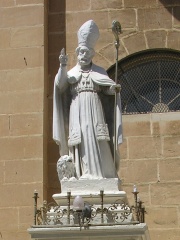
Saint Publius
RELIGIOUS FIGURE
100 - 112
HPI: 64.40
Rank: 40
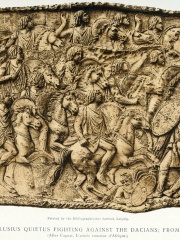
Lusius Quietus
POLITICIAN
100 - 118
HPI: 64.06
Rank: 41

Carpocrates
RELIGIOUS FIGURE
100 - 138
HPI: 63.72
Rank: 42
In Italia
Among people born in Italia, Praxedes ranks 1,652 out of NaN. Before her are Domenico Alberti (1710), Piero Soderini (1450), Felicitas of Rome (101), Ugo Cavallero (1880), Antonio Cesti (1623), and Roger of Lauria (1245). After her are Salvatore Garau (1953), Ansprand (657), Francesco Barberini (1597), Marco Tardelli (1954), Maurizio Malvestiti (1953), and Giovanni Battista Piazzetta (1683).
Others born in Italia
Go to all Rankings
Domenico Alberti
MUSICIAN
1710 - 1746
HPI: 65.15
Rank: 1,646
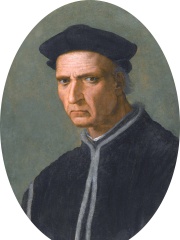
Piero Soderini
POLITICIAN
1450 - 1522
HPI: 65.14
Rank: 1,647
Felicitas of Rome
RELIGIOUS FIGURE
101 - 165
HPI: 65.13
Rank: 1,648
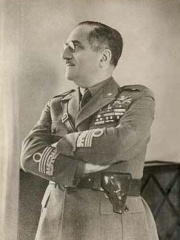
Ugo Cavallero
MILITARY PERSONNEL
1880 - 1943
HPI: 65.11
Rank: 1,649

Antonio Cesti
SINGER
1623 - 1669
HPI: 65.11
Rank: 1,650
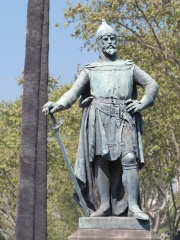
Roger of Lauria
MILITARY PERSONNEL
1245 - 1305
HPI: 65.11
Rank: 1,651
Praxedes
RELIGIOUS FIGURE
100 - Present
HPI: 65.10
Rank: 1,652
Salvatore Garau
SCULPTOR
1953 - Present
HPI: 65.10
Rank: 1,653

Ansprand
POLITICIAN
657 - 712
HPI: 65.09
Rank: 1,654
Francesco Barberini
RELIGIOUS FIGURE
1597 - 1679
HPI: 65.08
Rank: 1,655
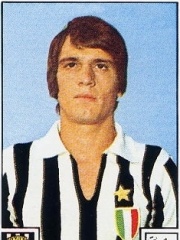
Marco Tardelli
SOCCER PLAYER
1954 - Present
HPI: 65.08
Rank: 1,656
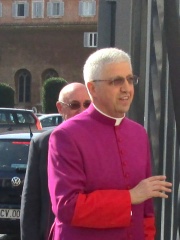
Maurizio Malvestiti
RELIGIOUS FIGURE
1953 - Present
HPI: 65.05
Rank: 1,657
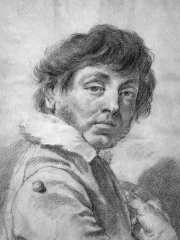
Giovanni Battista Piazzetta
PAINTER
1683 - 1754
HPI: 65.05
Rank: 1,658
Among Figura religiosas In Italia
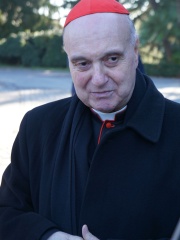
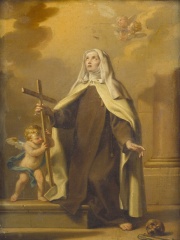
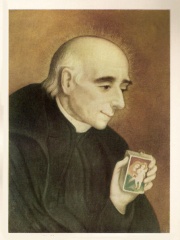
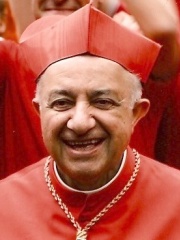
Among figura religiosas born in Italia, Praxedes ranks 353. Before her are Rose of Viterbo (1233), Maria Domenica Mazzarello (1837), Raffaele Riario (1461), Angelo Comastri (1943), Antipope Victor IV (1010), and Felicitas of Rome (101). After her are Francesco Barberini (1597), Maurizio Malvestiti (1953), Antipope Adalbert (1001), Margaret of Cortona (1247), Vincent Pallotti (1795), and Dionigi Tettamanzi (1934).

Rose of Viterbo
1233 - 1252
HPI: 65.45
Rank: 347
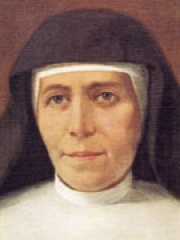
Maria Domenica Mazzarello
1837 - 1881
HPI: 65.40
Rank: 348
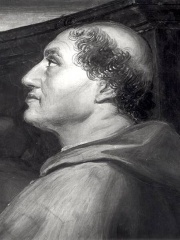
Raffaele Riario
1461 - 1521
HPI: 65.29
Rank: 349
Angelo Comastri
1943 - Present
HPI: 65.20
Rank: 350

Antipope Victor IV
1010 - 1139
HPI: 65.20
Rank: 351
Felicitas of Rome
101 - 165
HPI: 65.13
Rank: 352
Praxedes
100 - Present
HPI: 65.10
Rank: 353
Francesco Barberini
1597 - 1679
HPI: 65.08
Rank: 354
Maurizio Malvestiti
1953 - Present
HPI: 65.05
Rank: 355

Antipope Adalbert
1001 - 1102
HPI: 65.04
Rank: 356
Margaret of Cortona
1247 - 1297
HPI: 65.01
Rank: 357
Vincent Pallotti
1795 - 1850
HPI: 64.97
Rank: 358
Dionigi Tettamanzi
1934 - 2017
HPI: 64.90
Rank: 359




