Writer
Eva Illouz
Israeli sociologist and university professor
1961 - today
EN.WIKIPEDIA PAGE VIEWS (PV)
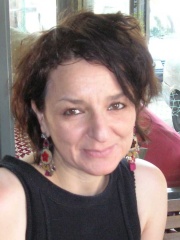
 Eva Illouz
Her biography is available in 16 different languages on Wikipedia (up from 15 in 2024). Eva Illouz is the 3,702nd most popular writer (up from 4,157th in 2024), the 84th most popular biography from Morocco (up from 96th in 2019) and the 7th most popular Moroccan Writer.
Memorability Metrics
140k
Page Views
Past 12 months
58.72
HPI
Historical Popularity Index
Page views of Eva Illouz by language
Among Writers
Among writers, Eva Illouz ranks 3,702 out of 7,302. Before her are Claude Favre de Vaugelas, Karel Kryl, Bibhutibhushan Bandyopadhyay, Ida Vitale, Srečko Kosovel, and Jeton Kelmendi. After her are François de La Mothe Le Vayer, Procopius of Gaza, Norman Vincent Peale, Felix Timmermans, Ian Rankin, and Francis Scott Key.
Most Popular Writers in Wikipedia
Go to all Rankings
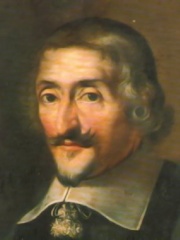
Claude Favre de Vaugelas
1585 - 1650
HPI: 58.75
Rank: 3,696
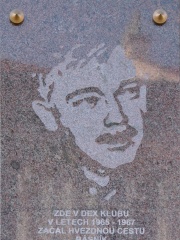
Karel Kryl
1944 - 1994
HPI: 58.75
Rank: 3,697
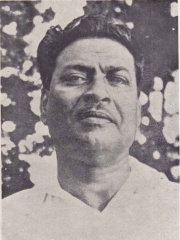
Bibhutibhushan Bandyopadhyay
1894 - 1950
HPI: 58.73
Rank: 3,698
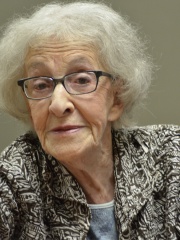
Ida Vitale
1923 - Present
HPI: 58.73
Rank: 3,699
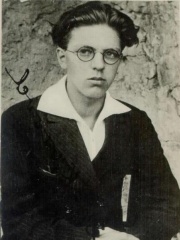
Srečko Kosovel
1904 - 1926
HPI: 58.73
Rank: 3,700
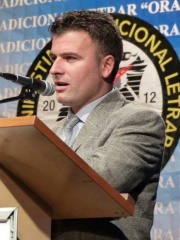
Jeton Kelmendi
1978 - Present
HPI: 58.72
Rank: 3,701
Eva Illouz
1961 - Present
HPI: 58.72
Rank: 3,702
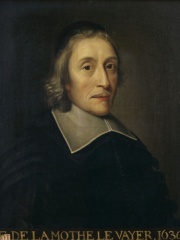
François de La Mothe Le Vayer
1588 - 1672
HPI: 58.72
Rank: 3,703

Procopius of Gaza
465 - 528
HPI: 58.72
Rank: 3,704
Norman Vincent Peale
1898 - 1993
HPI: 58.72
Rank: 3,705
Felix Timmermans
1886 - 1947
HPI: 58.72
Rank: 3,706
Ian Rankin
1960 - Present
HPI: 58.72
Rank: 3,707
Francis Scott Key
1779 - 1843
HPI: 58.72
Rank: 3,708

Contemporaries
Among people born in 1961, Eva Illouz ranks 164. Before her are Toru Yoshikawa, Mohammad Pakpour, Jackie Earle Haley, Christian Ntsay, Luís Castro, and Alexander Payne. After her are The Godfather, Uhuru Kenyatta, Mokgweetsi Masisi, Rodrigo Chaves Robles, John Key, and Christopher Atkins.
Others Born in 1961
Go to all Rankings
Toru Yoshikawa
SOCCER PLAYER
1961 - Present
HPI: 59.11
Rank: 158

Mohammad Pakpour
MILITARY PERSONNEL
1961 - 2026
HPI: 58.94
Rank: 159
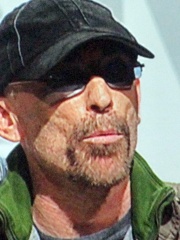
Jackie Earle Haley
ACTOR
1961 - Present
HPI: 58.93
Rank: 160
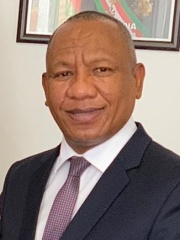
Christian Ntsay
POLITICIAN
1961 - Present
HPI: 58.90
Rank: 161

Luís Castro
COACH
1961 - Present
HPI: 58.83
Rank: 162
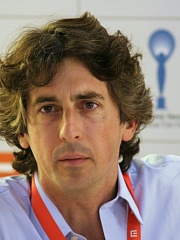
Alexander Payne
FILM DIRECTOR
1961 - Present
HPI: 58.80
Rank: 163
Eva Illouz
WRITER
1961 - Present
HPI: 58.72
Rank: 164
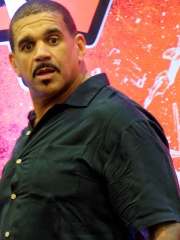
The Godfather
WRESTLER
1961 - Present
HPI: 58.67
Rank: 165
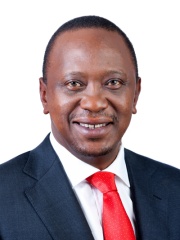
Uhuru Kenyatta
POLITICIAN
1961 - Present
HPI: 58.65
Rank: 166
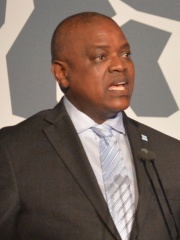
Mokgweetsi Masisi
POLITICIAN
1961 - Present
HPI: 58.65
Rank: 167
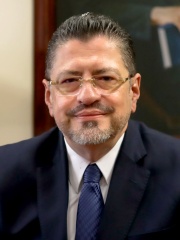
Rodrigo Chaves Robles
POLITICIAN
1961 - Present
HPI: 58.64
Rank: 168
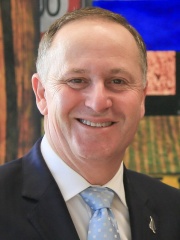
John Key
POLITICIAN
1961 - Present
HPI: 58.61
Rank: 169
Christopher Atkins
ACTOR
1961 - Present
HPI: 58.50
Rank: 170
In Morocco
Among people born in Morocco, Eva Illouz ranks 84 out of NaN. Before her are Yves Lacoste (1929), Idris II of Morocco (791), Touria Chaoui (1936), Nawal El Moutawakel (1962), Said Belqola (1956), and Alain Souchon (1944). After her are Ibn 'Idhari (1300), Abu Zakariya Yahya (1203), Ahmed Osman (1930), Shlomo Ben-Ami (1943), Rhadi Ben Abdesselam (1929), and Mohammed Karim Lamrani (1919).
Others born in Morocco
Go to all Rankings
Yves Lacoste
GEOGRAPHER
1929 - Present
HPI: 59.43
Rank: 78
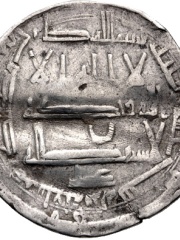
Idris II of Morocco
POLITICIAN
791 - 828
HPI: 59.29
Rank: 79
Touria Chaoui
PILOT
1936 - 1956
HPI: 59.26
Rank: 80
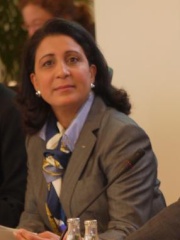
Nawal El Moutawakel
ATHLETE
1962 - Present
HPI: 59.13
Rank: 81

Said Belqola
REFEREE
1956 - 2002
HPI: 58.89
Rank: 82
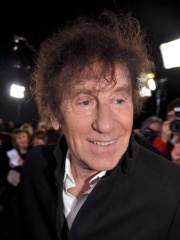
Alain Souchon
ACTOR
1944 - Present
HPI: 58.81
Rank: 83
Eva Illouz
WRITER
1961 - Present
HPI: 58.72
Rank: 84

Ibn 'Idhari
HISTORIAN
1300 - 1299
HPI: 58.59
Rank: 85
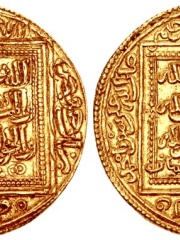
Abu Zakariya Yahya
POLITICIAN
1203 - 1249
HPI: 58.54
Rank: 86
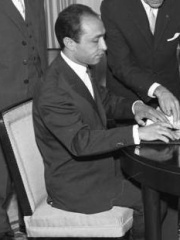
Ahmed Osman
POLITICIAN
1930 - Present
HPI: 58.50
Rank: 87
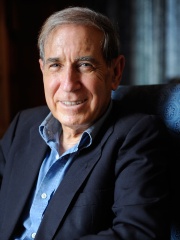
Shlomo Ben-Ami
POLITICIAN
1943 - Present
HPI: 58.35
Rank: 88
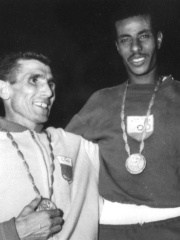
Rhadi Ben Abdesselam
ATHLETE
1929 - 2000
HPI: 58.22
Rank: 89
Mohammed Karim Lamrani
POLITICIAN
1919 - 2018
HPI: 58.18
Rank: 90
Among Writers In Morocco
Among writers born in Morocco, Eva Illouz ranks 7. Before her are Fatema Mernissi (1940), Tahar Ben Jelloun (1944), Daniel Pennac (1944), Mohamed Choukri (1935), Driss Chraïbi (1926), and Dunash ben Labrat (920). After her are Malika Oufkir (1953), Ahmed Rami (1946), Muriel Barbery (1969), Katherine Pancol (1954), Leïla Slimani (1981), and Abdellah Taïa (1973).

Fatema Mernissi
1940 - 2015
HPI: 69.53
Rank: 1
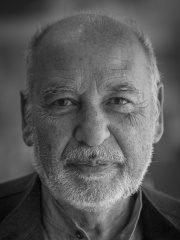
Tahar Ben Jelloun
1944 - Present
HPI: 66.82
Rank: 2
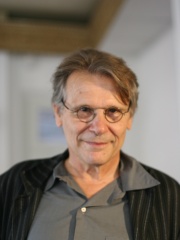
Daniel Pennac
1944 - Present
HPI: 65.21
Rank: 3
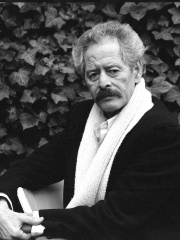
Mohamed Choukri
1935 - 2003
HPI: 64.39
Rank: 4
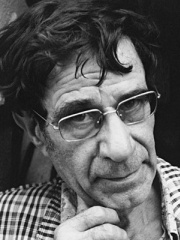
Driss Chraïbi
1926 - 2007
HPI: 59.63
Rank: 5

Dunash ben Labrat
920 - 990
HPI: 59.47
Rank: 6
Eva Illouz
1961 - Present
HPI: 58.72
Rank: 7
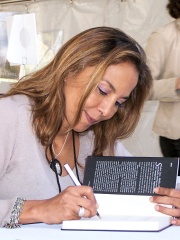
Malika Oufkir
1953 - Present
HPI: 57.27
Rank: 8

Ahmed Rami
1946 - Present
HPI: 57.00
Rank: 9
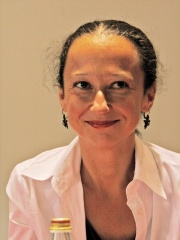
Muriel Barbery
1969 - Present
HPI: 56.13
Rank: 10
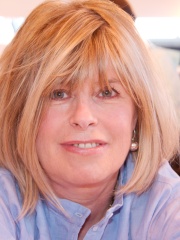
Katherine Pancol
1954 - Present
HPI: 52.21
Rank: 11
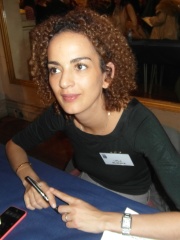
Leïla Slimani
1981 - Present
HPI: 50.95
Rank: 12
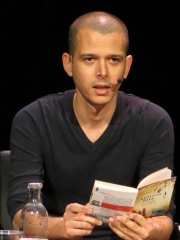
Abdellah Taïa
1973 - Present
HPI: 49.20
Rank: 13




