Military Personnel
Esmail Qaani
Iranian general in the Quds Force
1957 - today
EN.WIKIPEDIA PAGE VIEWS (PV)
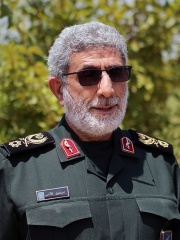
 Esmail Qaani
His biography is available in 27 different languages on Wikipedia (up from 21 in 2024). Esmail Qaani is the 929th most popular military personnel (up from 1,035th in 2024), the 229th most popular biography from Iran (up from 237th in 2019) and the 8th most popular Iranian Military Personnel.
Memorability Metrics
1.6M
Page Views
Past 12 months
62.68
HPI
Historical Popularity Index
Page views of Esmail Qaani by language
Among Military Personnels
Among military personnels, Esmail Qaani ranks 929 out of 2,058. Before him are Joseph Stilwell, Georg von der Marwitz, Peter Lacy, Sergey Biryuzov, Otto Wöhler, and George B. McClellan. After him are Fritz von Below, Karl Frenzel, Fritz Freitag, Mario Roatta, Princess Pingyang, and Hermann-Bernhard Ramcke.
Most Popular Military Personnels in Wikipedia
Go to all Rankings
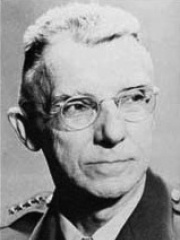
Joseph Stilwell
1883 - 1946
HPI: 62.72
Rank: 923
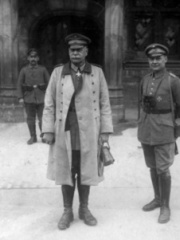
Georg von der Marwitz
1856 - 1929
HPI: 62.71
Rank: 924
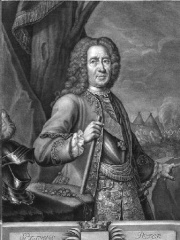
Peter Lacy
1678 - 1751
HPI: 62.71
Rank: 925
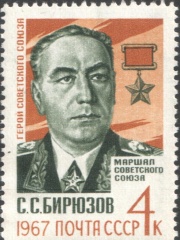
Sergey Biryuzov
1904 - 1964
HPI: 62.70
Rank: 926
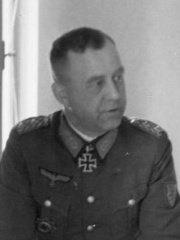
Otto Wöhler
1894 - 1987
HPI: 62.70
Rank: 927
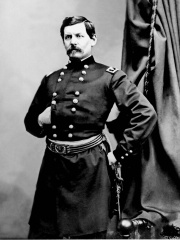
George B. McClellan
1826 - 1885
HPI: 62.69
Rank: 928
Esmail Qaani
1957 - Present
HPI: 62.68
Rank: 929
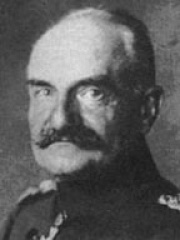
Fritz von Below
1853 - 1918
HPI: 62.66
Rank: 930
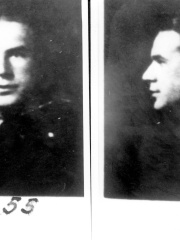
Karl Frenzel
1911 - 1996
HPI: 62.66
Rank: 931
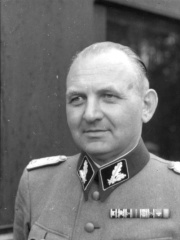
Fritz Freitag
1894 - 1945
HPI: 62.65
Rank: 932
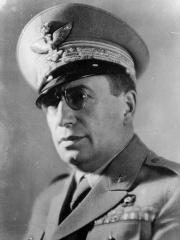
Mario Roatta
1887 - 1968
HPI: 62.65
Rank: 933
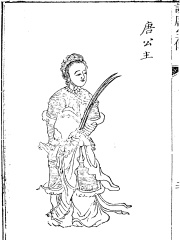
Princess Pingyang
598 - 623
HPI: 62.65
Rank: 934
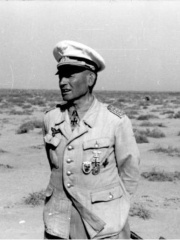
Hermann-Bernhard Ramcke
1889 - 1968
HPI: 62.63
Rank: 935

Contemporaries
Among people born in 1957, Esmail Qaani ranks 104. Before him are Paweł Pawlikowski, Tony Martin, Timothy Spall, Joaquim de Almeida, Ikuo Takahara, and Lucélia Santos. After him are Víctor Muñoz, Włodzimierz Smolarek, Mikhail Pletnev, Ted Levine, Shigeru Ban, and Bruce Rauner.
Others Born in 1957
Go to all Rankings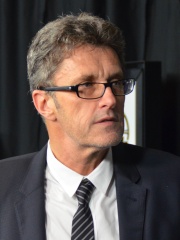
Paweł Pawlikowski
FILM DIRECTOR
1957 - Present
HPI: 63.00
Rank: 98

Tony Martin
SINGER
1957 - Present
HPI: 62.99
Rank: 99
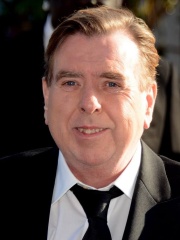
Timothy Spall
ACTOR
1957 - Present
HPI: 62.96
Rank: 100
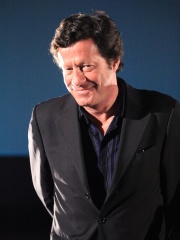
Joaquim de Almeida
ACTOR
1957 - Present
HPI: 62.96
Rank: 101

Ikuo Takahara
SOCCER PLAYER
1957 - Present
HPI: 62.73
Rank: 102
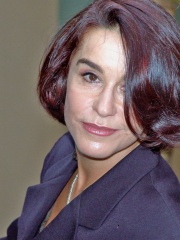
Lucélia Santos
ACTOR
1957 - Present
HPI: 62.70
Rank: 103
Esmail Qaani
MILITARY PERSONNEL
1957 - Present
HPI: 62.68
Rank: 104

Víctor Muñoz
SOCCER PLAYER
1957 - Present
HPI: 62.56
Rank: 105
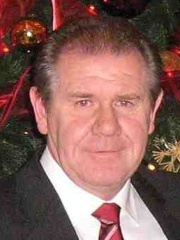
Włodzimierz Smolarek
SOCCER PLAYER
1957 - 2012
HPI: 62.47
Rank: 106
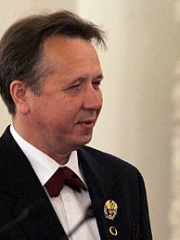
Mikhail Pletnev
MUSICIAN
1957 - Present
HPI: 62.33
Rank: 107
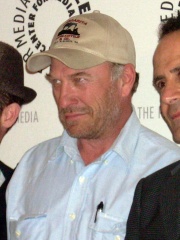
Ted Levine
ACTOR
1957 - Present
HPI: 62.32
Rank: 108
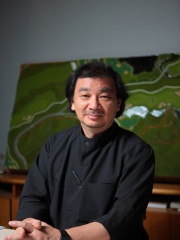
Shigeru Ban
ARCHITECT
1957 - Present
HPI: 62.23
Rank: 109
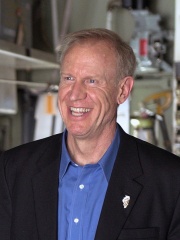
Bruce Rauner
POLITICIAN
1957 - Present
HPI: 62.19
Rank: 110
In Iran
Among people born in Iran, Esmail Qaani ranks 229 out of NaN. Before him are Fazlollah Zahedi (1897), Al-Hakim al-Nishapuri (933), Safi al-Din al-Urmawi (1216), Shaul Mofaz (1948), Al-Taftazani (1322), and Abu Bakr bin Yahya al-Suli (854). After him are Shahrokh Shah (1734), Amir Kabir (1807), Ibn al-Faqih (null), Amir-Abbas Hoveyda (1919), Masawaiyh (777), and Mohammad-Hossein Shahriar (1906).
Others born in Iran
Go to all Rankings
Fazlollah Zahedi
POLITICIAN
1897 - 1963
HPI: 62.98
Rank: 223

Al-Hakim al-Nishapuri
RELIGIOUS FIGURE
933 - 1014
HPI: 62.95
Rank: 224
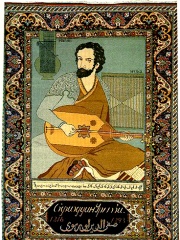
Safi al-Din al-Urmawi
MUSICIAN
1216 - 1294
HPI: 62.94
Rank: 225
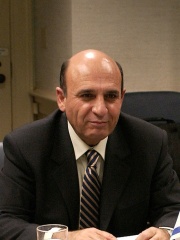
Shaul Mofaz
POLITICIAN
1948 - Present
HPI: 62.87
Rank: 226

Al-Taftazani
PHILOSOPHER
1322 - 1390
HPI: 62.86
Rank: 227
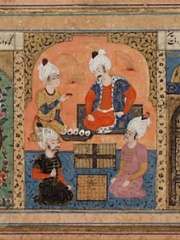
Abu Bakr bin Yahya al-Suli
RELIGIOUS FIGURE
854 - 946
HPI: 62.75
Rank: 228
Esmail Qaani
MILITARY PERSONNEL
1957 - Present
HPI: 62.68
Rank: 229
Shahrokh Shah
POLITICIAN
1734 - 1796
HPI: 62.62
Rank: 230
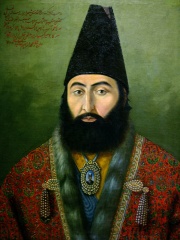
Amir Kabir
POLITICIAN
1807 - 1852
HPI: 62.51
Rank: 231

Ibn al-Faqih
HISTORIAN
HPI: 62.50
Rank: 232
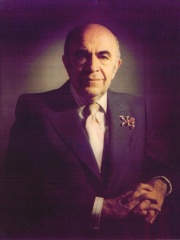
Amir-Abbas Hoveyda
POLITICIAN
1919 - 1979
HPI: 62.45
Rank: 233

Masawaiyh
PHYSICIAN
777 - 857
HPI: 62.29
Rank: 234
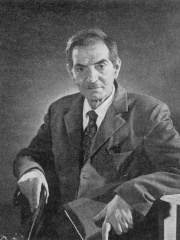
Mohammad-Hossein Shahriar
WRITER
1906 - 1988
HPI: 62.21
Rank: 235
Among Military Personnels In Iran
Among military personnels born in Iran, Esmail Qaani ranks 8. Before him are Qasem Soleimani (1957), Bahram Chobin (600), Datis (-600), Hossein Salami (1960), Mohammad Bagheri (1960), and Harpagus (-700). After him are Abdolrahim Mousavi (1960), Amir Ali Hajizadeh (1962), Mohammad Ali Jafari (1957), Gholam Ali Rashid (null), Mohammad Pakpour (1961), and Ali Sayad Shirazi (1944).
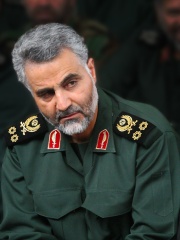
Qasem Soleimani
1957 - 2020
HPI: 69.10
Rank: 2
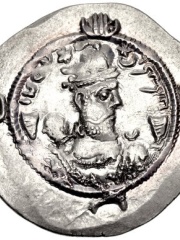
Bahram Chobin
600 - 592
HPI: 67.87
Rank: 3
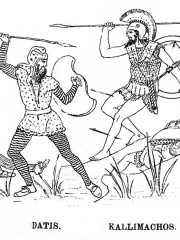
Datis
600 BC - 490 BC
HPI: 66.69
Rank: 4
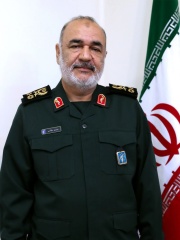
Hossein Salami
1960 - 2025
HPI: 65.92
Rank: 5
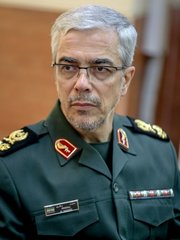
Mohammad Bagheri
1960 - 2025
HPI: 65.53
Rank: 6
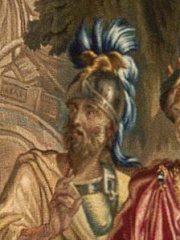
Harpagus
700 BC - 600 BC
HPI: 65.50
Rank: 7
Esmail Qaani
1957 - Present
HPI: 62.68
Rank: 8
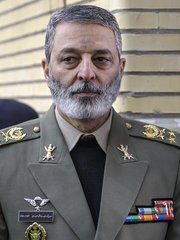
Abdolrahim Mousavi
1960 - 2026
HPI: 60.34
Rank: 9

Amir Ali Hajizadeh
1962 - 2025
HPI: 60.17
Rank: 10
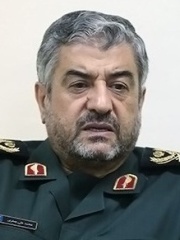
Mohammad Ali Jafari
1957 - Present
HPI: 59.33
Rank: 11
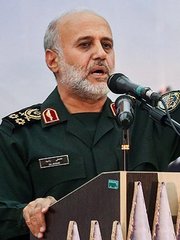
Gholam Ali Rashid
HPI: 59.19
Rank: 12

Mohammad Pakpour
1961 - 2026
HPI: 58.94
Rank: 13
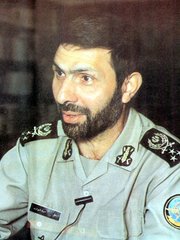
Ali Sayad Shirazi
1944 - 1999
HPI: 57.98
Rank: 14




