Postać religijna
Wahiduddin Khan
1925 - 2021
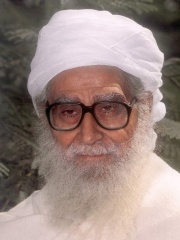
 Wahiduddin Khan
Jego biografia jest dostępna w 21 różnych językach w Wikipedii (wzrost z 19 w 2024 roku). Wahiduddin Khan jest 1815. najpopularniejszym postać religijna (wzrost z 2896. w 2024 roku), 352. najpopularniejszą biografią Indie (wzrost z 779. w 2019 roku) oraz 38. najpopularniejszym postać religijna Indie.
Wskaźniki rozpoznawalności
40k
Wyświetlenia strony
Ostatnie 12 miesięcy
61.71
HPI
Indeks historycznej popularności
Ciekawostki z danych
+35k
Wahiduddin Khan awansuje o 35,473 miejsc w globalnym rankingu HPI Pantheonu, z miejsca 65,676. na 30,240.
Wyświetlenia strony Wahiduddin Khan według języka
Wśród przedstawicieli zawodu Postać religijna
Wśród przedstawicieli zawodu „Postać religijna” Wahiduddin Khan zajmuje 1,815. miejsce na 3,189. Przed nim są Leodegar, Emmanuel III Delly, António de Andrade, Gorazd, John Albert Vasa, i Tarcisio Isao Kikuchi. Po nim są Iuliu Hossu, Emerentiana, Alphonsus Rodriguez, Callinicus I of Constantinople, Marco Cé, i Aristarchus of Thessalonica.
Najpopularniejsi w Wikipedii: Postać religijna
Zobacz wszystkie rankingi
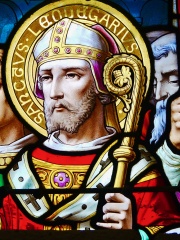
Leodegar
616 - 679
HPI: 61.75
Miejsce: 1,809
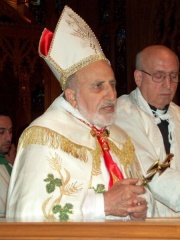
Emmanuel III Delly
1927 - 2014
HPI: 61.74
Miejsce: 1,810
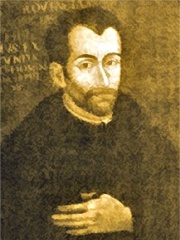
António de Andrade
1580 - 1634
HPI: 61.74
Miejsce: 1,811
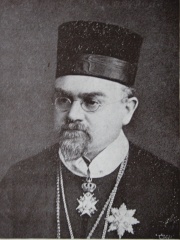
Gorazd
1879 - 1942
HPI: 61.73
Miejsce: 1,812
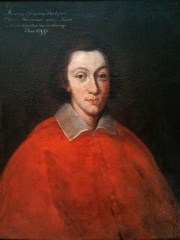
John Albert Vasa
1612 - 1634
HPI: 61.73
Miejsce: 1,813
Tarcisio Isao Kikuchi
1958 - obecnie
HPI: 61.72
Miejsce: 1,814
Wahiduddin Khan
1925 - 2021
HPI: 61.71
Miejsce: 1,815
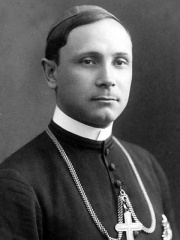
Iuliu Hossu
1885 - 1970
HPI: 61.70
Miejsce: 1,816
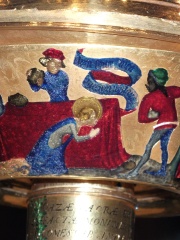
Emerentiana
250 - 304
HPI: 61.70
Miejsce: 1,817
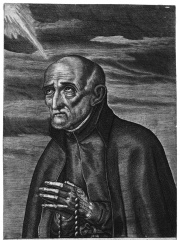
Alphonsus Rodriguez
1532 - 1617
HPI: 61.70
Miejsce: 1,818
Callinicus I of Constantinople
640 - 706
HPI: 61.69
Miejsce: 1,819
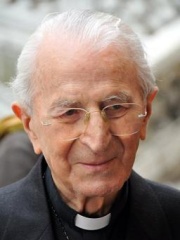
Marco Cé
1925 - 2014
HPI: 61.69
Miejsce: 1,820
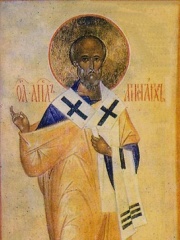
Aristarchus of Thessalonica
5 - 100
HPI: 61.69
Miejsce: 1,821

Współcześni
Wśród osób urodzonych w 1925 roku Wahiduddin Khan zajmuje 175. miejsce. Przed nim są Roger Hanin, Johnny Carson, June Whitfield, Ilie Verdeț, Quett Masire, i Doris Hart. Po nim są Jean d'Ormesson, Marco Cé, Emilio Eduardo Massera, Uzi Narkiss, Hugo Koblet, i Jean Raspail. Wśród osób zmarłych w 2021 roku Wahiduddin Khan zajmuje 187. miejsce. Przed nim są Ardeshir Zahedi, Anerood Jugnauth, Jozef Vengloš, Matthew Festing, Wilfried Van Moer, i Ian St John. Po nim są Albert Vanhoye, Otelo Saraiva de Carvalho, Henri Schwery, Sabah Fakhri, George Segal, i Lou Ottens.
Inne osoby urodzone w 1925 roku
Zobacz wszystkie rankingi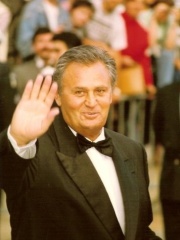
Roger Hanin
ACTOR
1925 - 2015
HPI: 61.96
Miejsce: 169
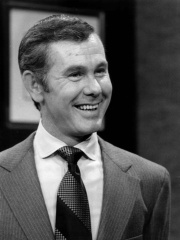
Johnny Carson
PRESENTER
1925 - 2005
HPI: 61.93
Miejsce: 170
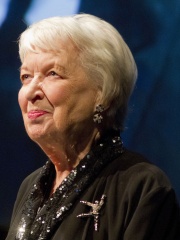
June Whitfield
ACTOR
1925 - 2018
HPI: 61.88
Miejsce: 171
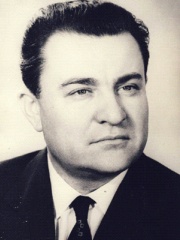
Ilie Verdeț
POLITICIAN
1925 - 2001
HPI: 61.83
Miejsce: 172
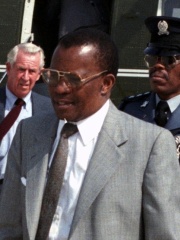
Quett Masire
POLITICIAN
1925 - 2017
HPI: 61.75
Miejsce: 173
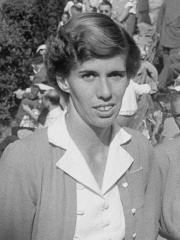
Doris Hart
TENNIS PLAYER
1925 - 2015
HPI: 61.74
Miejsce: 174
Wahiduddin Khan
RELIGIOUS FIGURE
1925 - 2021
HPI: 61.71
Miejsce: 175
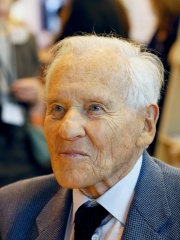
Jean d'Ormesson
WRITER
1925 - 2017
HPI: 61.69
Miejsce: 176
Marco Cé
RELIGIOUS FIGURE
1925 - 2014
HPI: 61.69
Miejsce: 177
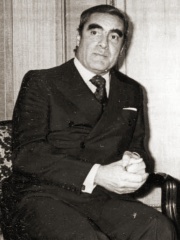
Emilio Eduardo Massera
MILITARY PERSONNEL
1925 - 2010
HPI: 61.60
Miejsce: 178
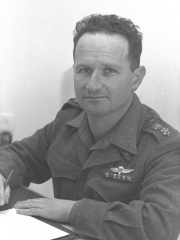
Uzi Narkiss
MILITARY PERSONNEL
1925 - 1997
HPI: 61.58
Miejsce: 179
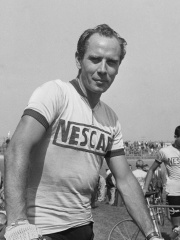
Hugo Koblet
CYCLIST
1925 - 1964
HPI: 61.48
Miejsce: 180
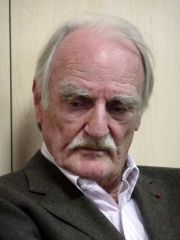
Jean Raspail
WRITER
1925 - 2020
HPI: 61.48
Miejsce: 181
Inne osoby zmarłe w 2021 roku
Zobacz wszystkie rankingi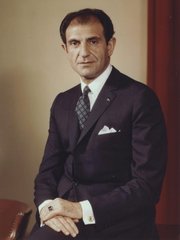
Ardeshir Zahedi
POLITICIAN
1928 - 2021
HPI: 62.14
Miejsce: 181
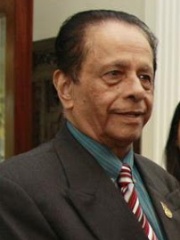
Anerood Jugnauth
POLITICIAN
1930 - 2021
HPI: 62.08
Miejsce: 182

Jozef Vengloš
SOCCER PLAYER
1936 - 2021
HPI: 62.04
Miejsce: 183
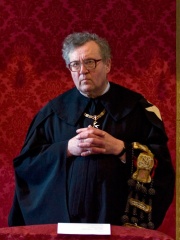
Matthew Festing
RELIGIOUS FIGURE
1949 - 2021
HPI: 61.83
Miejsce: 184
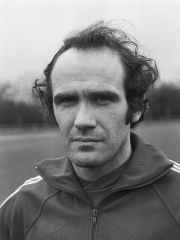
Wilfried Van Moer
SOCCER PLAYER
1945 - 2021
HPI: 61.72
Miejsce: 185
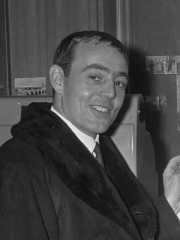
Ian St John
SOCCER PLAYER
1938 - 2021
HPI: 61.72
Miejsce: 186
Wahiduddin Khan
RELIGIOUS FIGURE
1925 - 2021
HPI: 61.71
Miejsce: 187
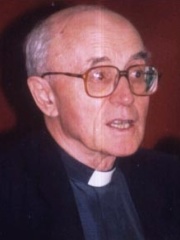
Albert Vanhoye
RELIGIOUS FIGURE
1923 - 2021
HPI: 61.68
Miejsce: 188

Otelo Saraiva de Carvalho
MILITARY PERSONNEL
1936 - 2021
HPI: 61.67
Miejsce: 189

Henri Schwery
RELIGIOUS FIGURE
1932 - 2021
HPI: 61.67
Miejsce: 190
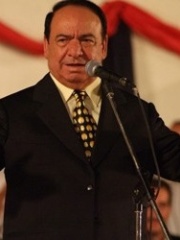
Sabah Fakhri
SINGER
1933 - 2021
HPI: 61.62
Miejsce: 191
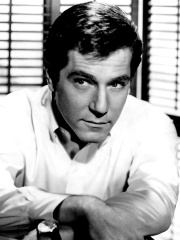
George Segal
ACTOR
1934 - 2021
HPI: 61.58
Miejsce: 192
Lou Ottens
INVENTOR
1926 - 2021
HPI: 61.45
Miejsce: 193
W kraju Indie
Wśród osób urodzonych w kraju Indie Wahiduddin Khan zajmuje 352. miejsce na 2,312. Przed nim są Eknath (1533), Mala Sinha (1936), Rani Durgavati (1524), Nargis (1929), Aruna Shanbaug case (1948), i Ranbir Kapoor (1982). Po nim są Ivan Dias (1936), Varkey Vithayathil (1927), Aamir Khan (1965), Mohammed Rafi (1924), Dnyaneshwar (1275), i Shahid Kapoor (1981).
Inne osoby urodzone w kraju Indie
Zobacz wszystkie rankingi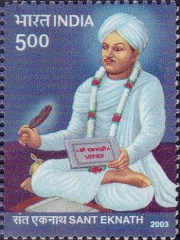
Eknath
PHILOSOPHER
1533 - 1599
HPI: 61.83
Miejsce: 346
Mala Sinha
ACTOR
1936 - obecnie
HPI: 61.81
Miejsce: 347
Rani Durgavati
POLITICIAN
1524 - 1564
HPI: 61.77
Miejsce: 348
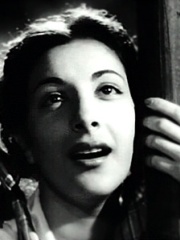
Nargis
ACTOR
1929 - 1981
HPI: 61.76
Miejsce: 349
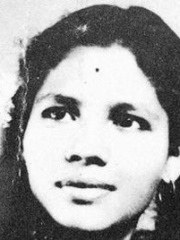
Aruna Shanbaug case
SOCIAL ACTIVIST
1948 - 2015
HPI: 61.75
Miejsce: 350

Ranbir Kapoor
ACTOR
1982 - obecnie
HPI: 61.72
Miejsce: 351
Wahiduddin Khan
RELIGIOUS FIGURE
1925 - 2021
HPI: 61.71
Miejsce: 352
Ivan Dias
RELIGIOUS FIGURE
1936 - 2017
HPI: 61.66
Miejsce: 353
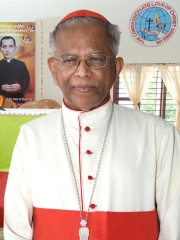
Varkey Vithayathil
RELIGIOUS FIGURE
1927 - 2011
HPI: 61.64
Miejsce: 354
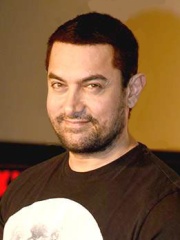
Aamir Khan
ACTOR
1965 - obecnie
HPI: 61.64
Miejsce: 355
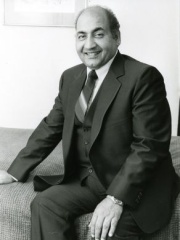
Mohammed Rafi
SINGER
1924 - 1980
HPI: 61.60
Miejsce: 356
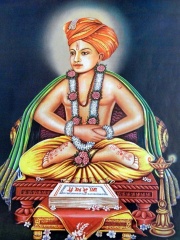
Dnyaneshwar
WRITER
1275 - 1296
HPI: 61.57
Miejsce: 357
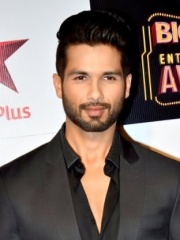
Shahid Kapoor
ACTOR
1981 - obecnie
HPI: 61.56
Miejsce: 358
Wśród przedstawicieli zawodu Postać religijna w kraju Indie
Wśród przedstawicieli zawodu „Postać religijna” urodzonych w kraju Indie Wahiduddin Khan zajmuje 38. miejsce. Przed nim są Ahmed Raza Khan Barelvi (1856), Zakir Naik (1965), Dashrath Manjhi (1934), Tilopa (928), Saint Alphonsa (1910), i Inayat Khan (1882). Po nim są Ivan Dias (1936), Varkey Vithayathil (1927), Anandi Gopal Joshi (1865), Joseph Vaz (1651), Swaminarayan (1781), i Filipe Neri Ferrão (1953).
Ahmed Raza Khan Barelvi
1856 - 1921
HPI: 62.37
Miejsce: 32
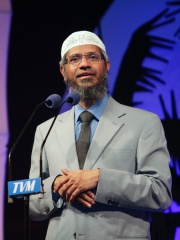
Zakir Naik
1965 - obecnie
HPI: 62.35
Miejsce: 33
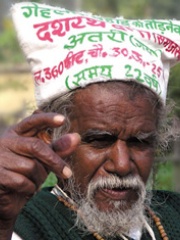
Dashrath Manjhi
1934 - 2007
HPI: 62.18
Miejsce: 34
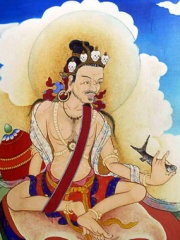
Tilopa
928 - 1009
HPI: 62.06
Miejsce: 35
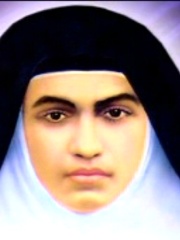
Saint Alphonsa
1910 - 1946
HPI: 62.05
Miejsce: 36
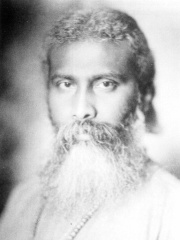
Inayat Khan
1882 - 1927
HPI: 61.88
Miejsce: 37
Wahiduddin Khan
1925 - 2021
HPI: 61.71
Miejsce: 38
Ivan Dias
1936 - 2017
HPI: 61.66
Miejsce: 39
Varkey Vithayathil
1927 - 2011
HPI: 61.64
Miejsce: 40
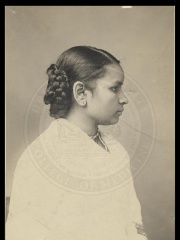
Anandi Gopal Joshi
1865 - 1887
HPI: 61.45
Miejsce: 41
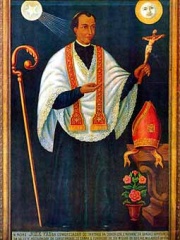
Joseph Vaz
1651 - 1711
HPI: 61.20
Miejsce: 42
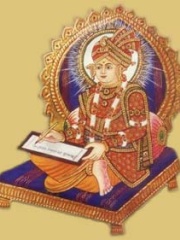
Swaminarayan
1781 - 1830
HPI: 61.05
Miejsce: 43
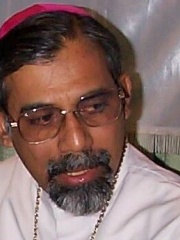
Filipe Neri Ferrão
1953 - obecnie
HPI: 60.42
Miejsce: 44




