Politiker
Sergey Bubka
1963 - heute
DE.WIKIPEDIA-SEITENAUFRUFE (PV)
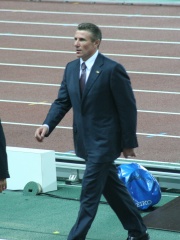
 Sergey Bubka
Seine Biografie ist in 64 verschiedenen Sprachen auf Wikipedia verfügbar (gestiegen von 63 im Jahr 2024). Sergey Bubka ist der 2,258th beliebteste Politiker (gesunken vom 1,742nd im Jahr 2024), die 78th beliebteste Biografie aus Ukraine (gesunken vom 71st im Jahr 2019) und der 30th beliebteste aus der Ukraine Politiker.
Bekanntheitsmetriken
690k
Seitenaufrufe
Letzte 12 Monate
71.49
HPI
Historischer Popularitätsindex
Seitenaufrufe von Sergey Bubka nach Sprache
Unter Politiker
Unter Politiker belegt Sergey Bubka Rang 2,257 von 19,576. Vor ihm stehen Felix Yusupov, Alexei Petrovich, Tsarevich of Russia, Laurent-Désiré Kabila, Félix Faure, Louis IV, Grand Duke of Hesse, und Gustav Heinemann. Nach ihm folgen Ephialtes of Trachis, Géza II of Hungary, Michel Barnier, Óscar Arias, Danjong of Joseon, und Dorgon.
Die beliebtesten Politiker auf Wikipedia
Zu allen Ranglisten
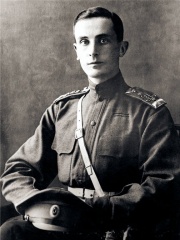
Felix Yusupov
1887 - 1967
HPI: 71.51
Rang: 2,252
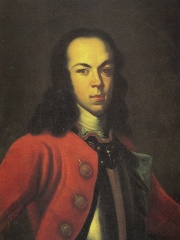
Alexei Petrovich, Tsarevich of Russia
1690 - 1718
HPI: 71.50
Rang: 2,253
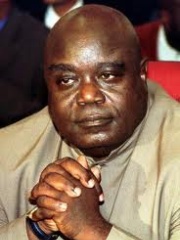
Laurent-Désiré Kabila
1939 - 2001
HPI: 71.50
Rang: 2,254
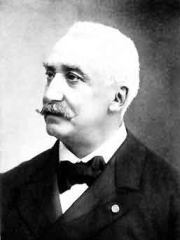
Félix Faure
1841 - 1899
HPI: 71.50
Rang: 2,255
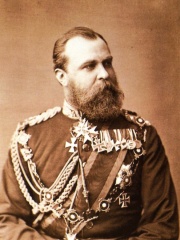
Louis IV, Grand Duke of Hesse
1837 - 1892
HPI: 71.49
Rang: 2,256
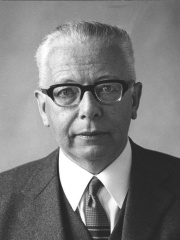
Gustav Heinemann
1899 - 1976
HPI: 71.49
Rang: 2,257
Sergey Bubka
1963 - heute
HPI: 71.49
Rang: 2,258

Ephialtes of Trachis
550 BC - 480 BC
HPI: 71.49
Rang: 2,259
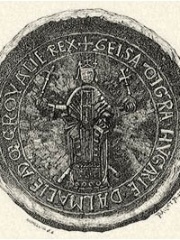
Géza II of Hungary
1130 - 1162
HPI: 71.49
Rang: 2,260
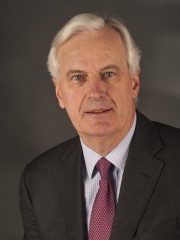
Michel Barnier
1951 - heute
HPI: 71.49
Rang: 2,261
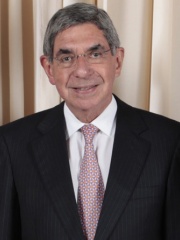
Óscar Arias
1940 - heute
HPI: 71.49
Rang: 2,262
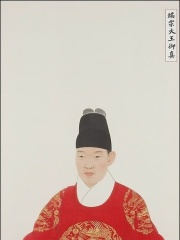
Danjong of Joseon
1441 - 1457
HPI: 71.48
Rang: 2,263
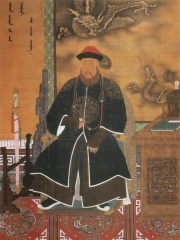
Dorgon
1612 - 1650
HPI: 71.48
Rang: 2,264

Zeitgenossen
Unter den im Jahr 1963 Geborenen belegt Sergey Bubka Rang 15. Vor ihm stehen George Michael, Mohammed VI of Morocco, Garry Kasparov, Letsie III of Lesotho, Eros Ramazzotti, und Ronald Koeman. Nach ihm folgen Till Lindemann, Peter Schmeichel, Vanessa Williams, Rick Rubin, Dunga, und Thomas Anders.
Weitere im Jahr 1963 Geborene
Zu allen Ranglisten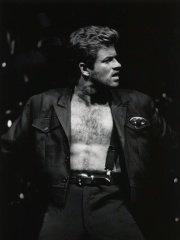
George Michael
SINGER
1963 - 2016
HPI: 74.39
Rang: 9
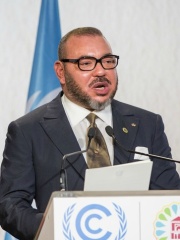
Mohammed VI of Morocco
POLITICIAN
1963 - heute
HPI: 74.29
Rang: 10
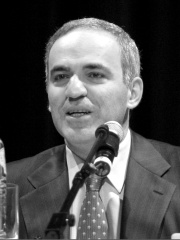
Garry Kasparov
CHESS PLAYER
1963 - heute
HPI: 73.62
Rang: 11
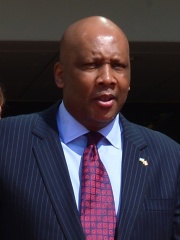
Letsie III of Lesotho
POLITICIAN
1963 - heute
HPI: 72.52
Rang: 12
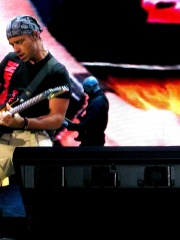
Eros Ramazzotti
SINGER
1963 - heute
HPI: 72.49
Rang: 13
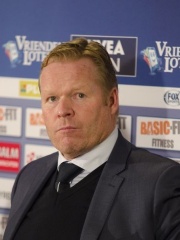
Ronald Koeman
COACH
1963 - heute
HPI: 72.03
Rang: 14
Sergey Bubka
POLITICIAN
1963 - heute
HPI: 71.49
Rang: 15
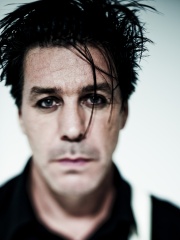
Till Lindemann
MUSICIAN
1963 - heute
HPI: 71.29
Rang: 16
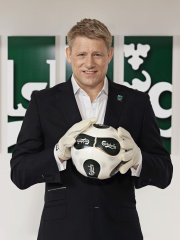
Peter Schmeichel
SOCCER PLAYER
1963 - heute
HPI: 70.29
Rang: 17
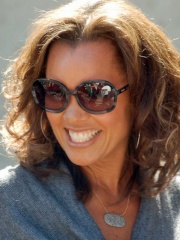
Vanessa Williams
ACTOR
1963 - heute
HPI: 70.24
Rang: 18
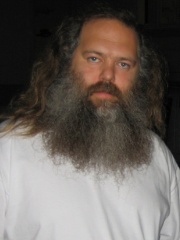
Rick Rubin
PRODUCER
1963 - heute
HPI: 69.79
Rang: 19
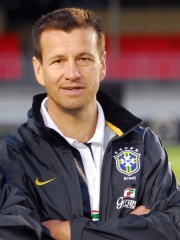
Dunga
SOCCER PLAYER
1963 - heute
HPI: 69.76
Rang: 20
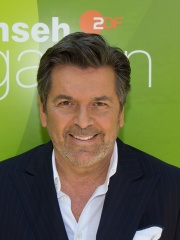
Thomas Anders
SINGER
1963 - heute
HPI: 69.75
Rang: 21
In Ukraine
Unter den in Ukraine Geborenen belegt Sergey Bubka Rang 78 von NaN. Vor ihm stehen Anatoliy Solovianenko (1932), Rodion Malinovsky (1898), Sonia Delaunay (1885), Nikolai Podgorny (1903), Mila Kunis (1983), und Baal Shem Tov (1700). Nach ihm folgen Edward Rydz-Śmigły (1886), Larisa Latynina (1934), Andrey Vyshinsky (1883), Anton Makarenko (1888), Nestor the Chronicler (1056), und Irène Némirovsky (1903).
Weitere in Ukraine geborene Personen
Zu allen Ranglisten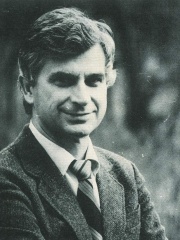
Anatoliy Solovianenko
SINGER
1932 - 1999
HPI: 72.03
Rang: 72
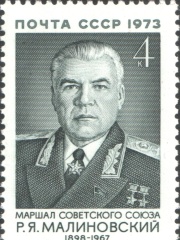
Rodion Malinovsky
POLITICIAN
1898 - 1967
HPI: 72.01
Rang: 73
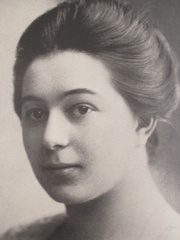
Sonia Delaunay
PAINTER
1885 - 1979
HPI: 71.78
Rang: 74
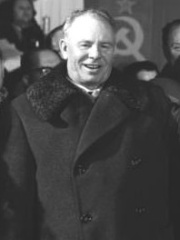
Nikolai Podgorny
POLITICIAN
1903 - 1983
HPI: 71.61
Rang: 75
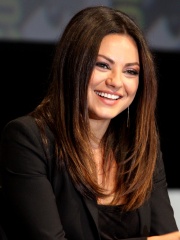
Mila Kunis
ACTOR
1983 - heute
HPI: 71.55
Rang: 76
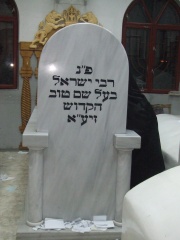
Baal Shem Tov
RELIGIOUS FIGURE
1700 - 1760
HPI: 71.50
Rang: 77
Sergey Bubka
POLITICIAN
1963 - heute
HPI: 71.49
Rang: 78
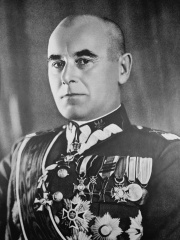
Edward Rydz-Śmigły
POLITICIAN
1886 - 1941
HPI: 71.45
Rang: 79
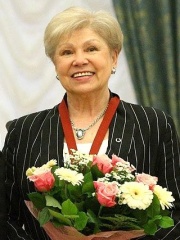
Larisa Latynina
GYMNAST
1934 - heute
HPI: 71.45
Rang: 80
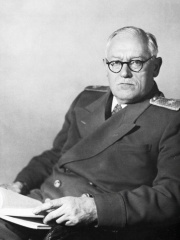
Andrey Vyshinsky
POLITICIAN
1883 - 1954
HPI: 71.33
Rang: 81
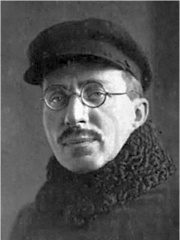
Anton Makarenko
WRITER
1888 - 1939
HPI: 71.13
Rang: 82
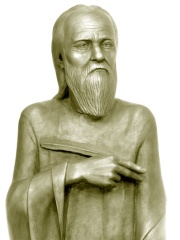
Nestor the Chronicler
WRITER
1056 - 1106
HPI: 71.11
Rang: 83
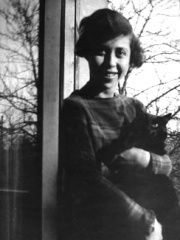
Irène Némirovsky
WRITER
1903 - 1942
HPI: 71.09
Rang: 84
Unter Politiker in Ukraine
Unter den in Ukraine geborenen Politiker belegt Sergey Bubka Rang 30. Vor ihm stehen Levi Eshkol (1895), Lazar Kaganovich (1893), Yuri Dolgorukiy (1095), Ignacy Jan Paderewski (1860), Rodion Malinovsky (1898), und Nikolai Podgorny (1903). Nach ihm folgen Edward Rydz-Śmigły (1886), Andrey Vyshinsky (1883), Yitzhak Ben-Zvi (1884), Karl Radek (1885), Daniel of Galicia (1201), und Vladimir Ivashko (1932).
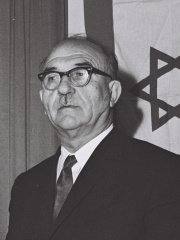
Levi Eshkol
1895 - 1969
HPI: 73.21
Rang: 24
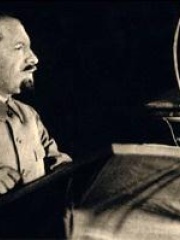
Lazar Kaganovich
1893 - 1991
HPI: 72.54
Rang: 25
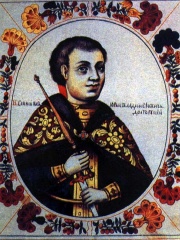
Yuri Dolgorukiy
1095 - 1157
HPI: 72.14
Rang: 26
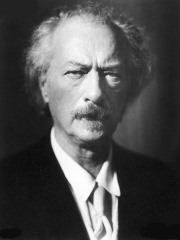
Ignacy Jan Paderewski
1860 - 1941
HPI: 72.10
Rang: 27
Rodion Malinovsky
1898 - 1967
HPI: 72.01
Rang: 28
Nikolai Podgorny
1903 - 1983
HPI: 71.61
Rang: 29
Sergey Bubka
1963 - heute
HPI: 71.49
Rang: 30
Edward Rydz-Śmigły
1886 - 1941
HPI: 71.45
Rang: 31
Andrey Vyshinsky
1883 - 1954
HPI: 71.33
Rang: 32
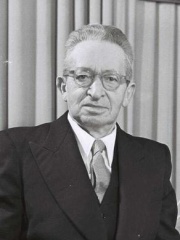
Yitzhak Ben-Zvi
1884 - 1963
HPI: 70.64
Rang: 33
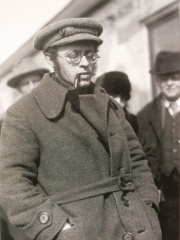
Karl Radek
1885 - 1939
HPI: 70.63
Rang: 34
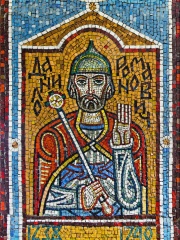
Daniel of Galicia
1201 - 1264
HPI: 70.62
Rang: 35
Vladimir Ivashko
1932 - 1994
HPI: 69.81
Rang: 36




