Physiker
Roger Penrose
1931 - heute
DE.WIKIPEDIA-SEITENAUFRUFE (PV)
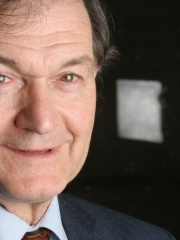

 Roger Penrose
Seine Biografie ist in 78 verschiedenen Sprachen auf Wikipedia verfügbar (gestiegen von 76 im Jahr 2024). Roger Penrose ist der 143rd beliebteste Physiker (gesunken vom 106th im Jahr 2024), die 381st beliebteste Biografie aus Vereinigtes Königreich (gesunken vom 279th im Jahr 2019) und der 25th beliebteste aus Vereinigtes Königreich Physiker.
Bekanntheitsmetriken
610k
Seitenaufrufe
Letzte 12 Monate
74.08
HPI
Historischer Popularitätsindex
Daten-Einblicke
78
Die Biografie von Roger Penrose erscheint in 78 Sprachversionen der Wikipedia – mehr als bei 88 % aller Physiker.
8. Aug.
Roger Penrose hat am selben Tag Geburtstag (8. August) wie Dustin Hoffman, Saint Dominic und Mohamed Morsi.
Seitenaufrufe von Roger Penrose nach Sprache
Unter Physiker
Unter Physiker belegt Roger Penrose Rang 143 von 851. Vor ihm stehen Emil Lenz, George Gamow, C. V. Raman, Arno Allan Penzias, Pavel Cherenkov, und Benoît Paul Émile Clapeyron. Nach ihm folgen Louis Néel, Rudolf Mössbauer, Kai Siegbahn, Clifford Shull, John Bardeen, und Nicolaas Bloembergen.
Die beliebtesten Physiker auf Wikipedia
Zu allen Ranglisten
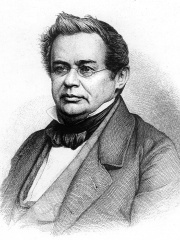
Emil Lenz
1804 - 1865
HPI: 74.36
Rang: 137
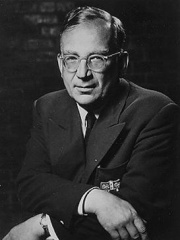
George Gamow
1904 - 1968
HPI: 74.33
Rang: 138
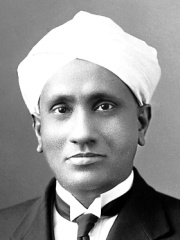
C. V. Raman
1888 - 1970
HPI: 74.29
Rang: 139

Arno Allan Penzias
1933 - 2024
HPI: 74.19
Rang: 140
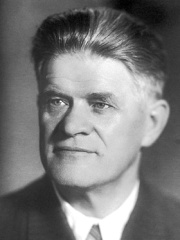
Pavel Cherenkov
1904 - 1990
HPI: 74.18
Rang: 141
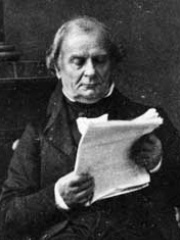
Benoît Paul Émile Clapeyron
1799 - 1864
HPI: 74.08
Rang: 142
Roger Penrose
1931 - heute
HPI: 74.08
Rang: 143
Louis Néel
1904 - 2000
HPI: 74.06
Rang: 144
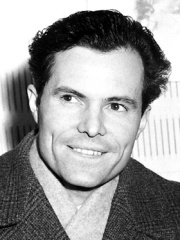
Rudolf Mössbauer
1929 - 2011
HPI: 74.03
Rang: 145
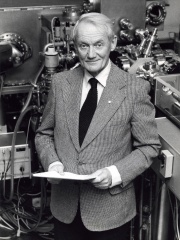
Kai Siegbahn
1918 - 2007
HPI: 74.00
Rang: 146
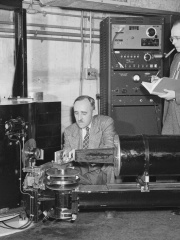
Clifford Shull
1915 - 2001
HPI: 73.99
Rang: 147
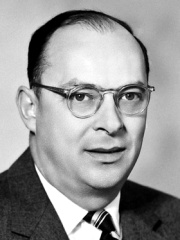
John Bardeen
1908 - 1991
HPI: 73.99
Rang: 148
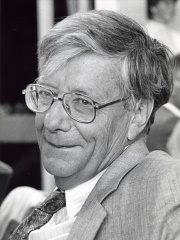
Nicolaas Bloembergen
1920 - 2017
HPI: 73.93
Rang: 149

Zeitgenossen
Unter den im Jahr 1931 Geborenen belegt Roger Penrose Rang 18. Vor ihm stehen Robert Duvall, Irvin D. Yalom, Raymond Kopa, Riccardo Giacconi, Philip Kotler, und Leslie Caron. Nach ihm folgen Anita Ekberg, Desmond Tutu, Thomas Bernhard, Monica Vitti, Vishwanath Pratap Singh, und Martinus J. G. Veltman.
Weitere im Jahr 1931 Geborene
Zu allen Ranglisten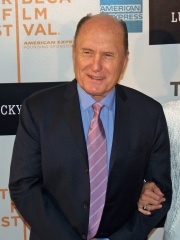
Robert Duvall
ACTOR
1931 - 2026
HPI: 75.73
Rang: 12
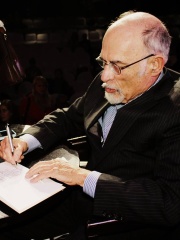
Irvin D. Yalom
PSYCHOLOGIST
1931 - heute
HPI: 75.24
Rang: 13
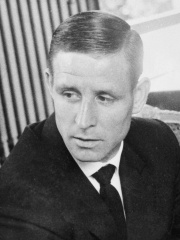
Raymond Kopa
SOCCER PLAYER
1931 - 2017
HPI: 75.03
Rang: 14
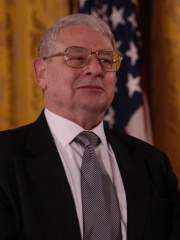
Riccardo Giacconi
ASTRONOMER
1931 - 2018
HPI: 74.70
Rang: 15
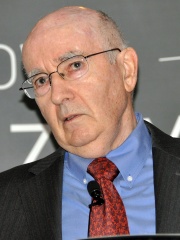
Philip Kotler
BUSINESSPERSON
1931 - heute
HPI: 74.42
Rang: 16
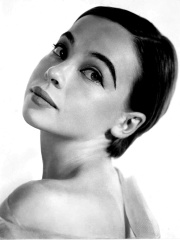
Leslie Caron
ACTOR
1931 - heute
HPI: 74.38
Rang: 17
Roger Penrose
PHYSICIST
1931 - heute
HPI: 74.08
Rang: 18

Anita Ekberg
ACTOR
1931 - 2015
HPI: 74.00
Rang: 19
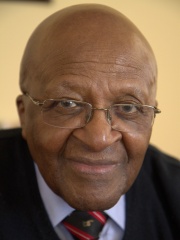
Desmond Tutu
RELIGIOUS FIGURE
1931 - 2021
HPI: 73.44
Rang: 20
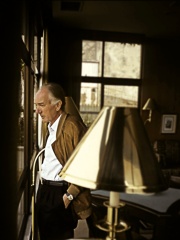
Thomas Bernhard
WRITER
1931 - 1989
HPI: 73.28
Rang: 21

Monica Vitti
ACTOR
1931 - 2022
HPI: 73.16
Rang: 22

Vishwanath Pratap Singh
POLITICIAN
1931 - 2008
HPI: 72.82
Rang: 23

Martinus J. G. Veltman
PHYSICIST
1931 - 2021
HPI: 72.82
Rang: 24
In Vereinigtes Königreich
Unter den in Vereinigtes Königreich Geborenen belegt Roger Penrose Rang 381 von 8,785. Vor ihm stehen Brian Jones (1942), Richard Laurence Millington Synge (1914), Alec Guinness (1914), David Lloyd George (1863), Arthur Evans (1851), und Robert Fripp (1946). Nach ihm folgen William Wordsworth (1770), James George Frazer (1854), Saint Walpurga (710), Clement Attlee (1883), Francis Galton (1822), und Frederic Leighton (1830).
Weitere in Vereinigtes Königreich geborene Personen
Zu allen Ranglisten
Brian Jones
MUSICIAN
1942 - 1969
HPI: 74.11
Rang: 375
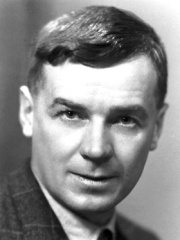
Richard Laurence Millington Synge
CHEMIST
1914 - 1994
HPI: 74.10
Rang: 376
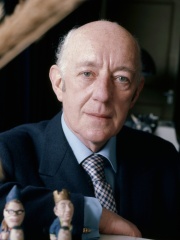
Alec Guinness
ACTOR
1914 - 2000
HPI: 74.09
Rang: 377
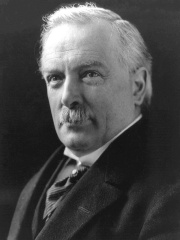
David Lloyd George
POLITICIAN
1863 - 1945
HPI: 74.09
Rang: 378
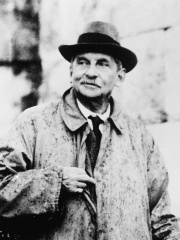
Arthur Evans
ARCHAEOLOGIST
1851 - 1941
HPI: 74.09
Rang: 379

Robert Fripp
MUSICIAN
1946 - heute
HPI: 74.09
Rang: 380
Roger Penrose
PHYSICIST
1931 - heute
HPI: 74.08
Rang: 381
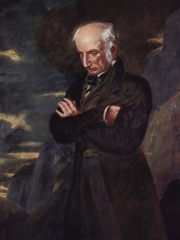
William Wordsworth
WRITER
1770 - 1850
HPI: 74.07
Rang: 382
James George Frazer
ANTHROPOLOGIST
1854 - 1941
HPI: 74.05
Rang: 383

Saint Walpurga
RELIGIOUS FIGURE
710 - 779
HPI: 74.05
Rang: 384
Clement Attlee
POLITICIAN
1883 - 1967
HPI: 74.05
Rang: 385
Francis Galton
STATISTICIAN
1822 - 1911
HPI: 74.03
Rang: 386
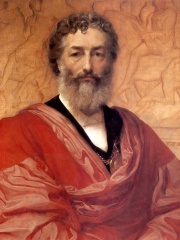
Frederic Leighton
PAINTER
1830 - 1896
HPI: 74.03
Rang: 387
Unter Physiker in Vereinigtes Königreich
Unter den in Vereinigtes Königreich geborenen Physiker belegt Roger Penrose Rang 25. Vor ihm stehen Paul Dirac (1902), James Chadwick (1891), C. F. Powell (1903), William Henry Bragg (1862), Thomas Young (1773), und Peter Higgs (1929). Nach ihm folgen Henry Moseley (1887), John Kendrew (1917), James Jeans (1877), David Brewster (1781), Andrew Huxley (1917), und John Cockcroft (1897).
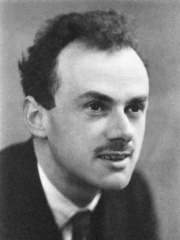
Paul Dirac
1902 - 1984
HPI: 77.91
Rang: 19
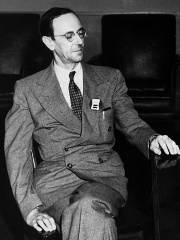
James Chadwick
1891 - 1974
HPI: 77.34
Rang: 20
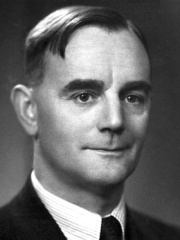
C. F. Powell
1903 - 1969
HPI: 76.50
Rang: 21
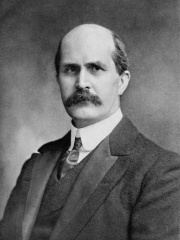
William Henry Bragg
1862 - 1942
HPI: 75.99
Rang: 22
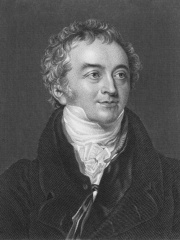
Thomas Young
1773 - 1829
HPI: 75.75
Rang: 23
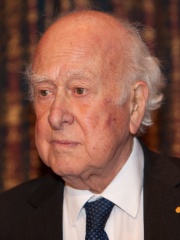
Peter Higgs
1929 - 2024
HPI: 75.42
Rang: 24
Roger Penrose
1931 - heute
HPI: 74.08
Rang: 25
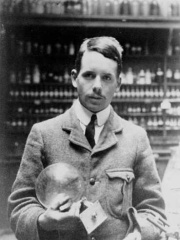
Henry Moseley
1887 - 1915
HPI: 73.72
Rang: 26
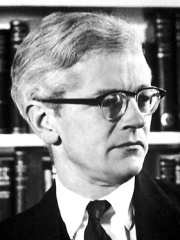
John Kendrew
1917 - 1997
HPI: 73.65
Rang: 27
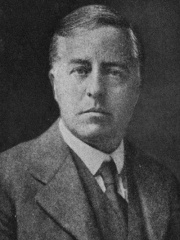
James Jeans
1877 - 1946
HPI: 72.73
Rang: 28
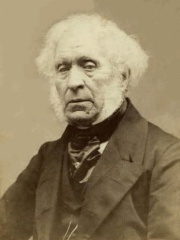
David Brewster
1781 - 1868
HPI: 71.78
Rang: 29
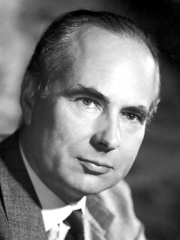
Andrew Huxley
1917 - 2012
HPI: 71.01
Rang: 30
John Cockcroft
1897 - 1967
HPI: 70.05
Rang: 31




