Fußballspieler
Pietro Vierchowod
1959 - heute
DE.WIKIPEDIA-SEITENAUFRUFE (PV)
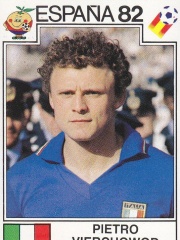
 Pietro Vierchowod
Seine Biografie ist in 34 verschiedenen Sprachen auf Wikipedia verfügbar (gestiegen von 33 im Jahr 2024). Pietro Vierchowod ist der 1,182nd beliebteste Fußballspieler (gesunken vom 1,015th im Jahr 2024), die 2,581st beliebteste Biografie aus Italien (gesunken vom 2,489th im Jahr 2019) und der 83rd beliebteste aus Italien Fußballspieler.
Bekanntheitsmetriken
180k
Seitenaufrufe
Letzte 12 Monate
60.92
HPI
Historischer Popularitätsindex
Daten-Einblicke
#1,182 / 24k
Pietro Vierchowod belegt Platz 1,182 von 24,321 Fußballspieler weltweit und gehört damit zu den besten 5 % des Berufsstands.
Seitenaufrufe von Pietro Vierchowod nach Sprache
Unter Fußballspieler
Unter Fußballspieler belegt Pietro Vierchowod Rang 1,179 von 24,321. Vor ihm stehen Roger Byrne, Michele Andreolo, Ante Žanetić, Josip Katalinski, Peter Crouch, und Ralf Edström. Nach ihm folgen Robert Jarni, Alfred Körner, Petar Radaković, Mimis Domazos, N'Golo Kanté, und Ferenc Szusza.
Die beliebtesten Fußballspieler auf Wikipedia
Zu allen Ranglisten
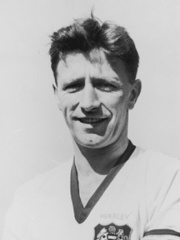
Roger Byrne
1929 - 1958
HPI: 60.93
Rang: 1,176
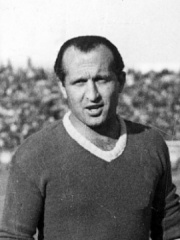
Michele Andreolo
1912 - 1981
HPI: 60.93
Rang: 1,177
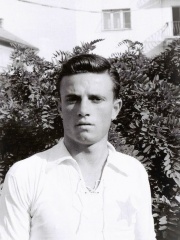
Ante Žanetić
1936 - 2014
HPI: 60.93
Rang: 1,178
Josip Katalinski
1948 - 2011
HPI: 60.93
Rang: 1,179
Peter Crouch
1981 - heute
HPI: 60.92
Rang: 1,180
Ralf Edström
1952 - heute
HPI: 60.92
Rang: 1,181
Pietro Vierchowod
1959 - heute
HPI: 60.92
Rang: 1,182

Robert Jarni
1968 - heute
HPI: 60.92
Rang: 1,183
Alfred Körner
1926 - 2020
HPI: 60.91
Rang: 1,184

Petar Radaković
1937 - 1966
HPI: 60.91
Rang: 1,185
Mimis Domazos
1942 - 2025
HPI: 60.90
Rang: 1,186
N'Golo Kanté
1991 - heute
HPI: 60.90
Rang: 1,187
Ferenc Szusza
1923 - 2006
HPI: 60.89
Rang: 1,188

Zeitgenossen
Unter den im Jahr 1959 Geborenen belegt Pietro Vierchowod Rang 144. Vor ihm stehen Suzanne Vega, Anatoly Onoprienko, Nagarjuna, Christian Thielemann, Vanity, und Nicole Brown Simpson. Nach ihm folgen Baron Waqa, Abdul Ahad Mohmand, Henry Czerny, Jim Yong Kim, Koichi Tanaka, und Martin Brundle.
Weitere im Jahr 1959 Geborene
Zu allen Ranglisten
Suzanne Vega
MUSICIAN
1959 - heute
HPI: 61.13
Rang: 138
Anatoly Onoprienko
EXTREMIST
1959 - 2013
HPI: 61.12
Rang: 139
Nagarjuna
ACTOR
1959 - heute
HPI: 61.12
Rang: 140
Christian Thielemann
POLITICIAN
1959 - heute
HPI: 61.11
Rang: 141

Vanity
ACTOR
1959 - 2016
HPI: 61.03
Rang: 142
Nicole Brown Simpson
COMPANION
1959 - 1994
HPI: 60.97
Rang: 143
Pietro Vierchowod
SOCCER PLAYER
1959 - heute
HPI: 60.92
Rang: 144
Baron Waqa
POLITICIAN
1959 - heute
HPI: 60.91
Rang: 145
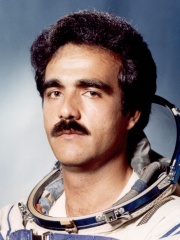
Abdul Ahad Mohmand
ASTRONAUT
1959 - 2026
HPI: 60.79
Rang: 146

Henry Czerny
ACTOR
1959 - heute
HPI: 60.77
Rang: 147
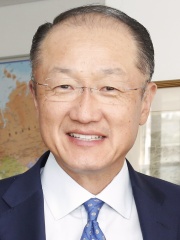
Jim Yong Kim
PHYSICIAN
1959 - heute
HPI: 60.75
Rang: 148

Koichi Tanaka
CHEMIST
1959 - heute
HPI: 60.53
Rang: 149

Martin Brundle
RACING DRIVER
1959 - heute
HPI: 60.50
Rang: 150
In Italien
Unter den in Italien Geborenen belegt Pietro Vierchowod Rang 2,581 von 5,905. Vor ihm stehen Julia Major (-102), Gastone Nencini (1930), Giacomo Antonio Perti (1661), Mario Scelba (1901), Geminiano Montanari (1633), und Corrado Bafile (1903). Nach ihm folgen Marcia (33), Giovanni Sgambati (1841), Bonaventura Berlinghieri (1210), Marco Barbarigo (1413), Ada Negri (1870), und Pietro Mennea (1952).
Weitere in Italien geborene Personen
Zu allen Ranglisten
Julia Major
POLITICIAN
102 BC - 100 BC
HPI: 60.96
Rang: 2,575
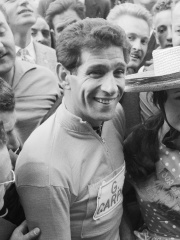
Gastone Nencini
CYCLIST
1930 - 1980
HPI: 60.96
Rang: 2,576
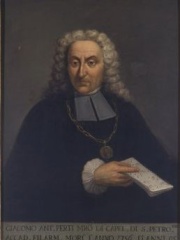
Giacomo Antonio Perti
COMPOSER
1661 - 1756
HPI: 60.95
Rang: 2,577
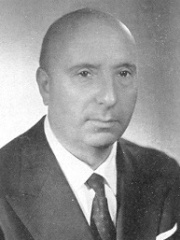
Mario Scelba
POLITICIAN
1901 - 1991
HPI: 60.94
Rang: 2,578
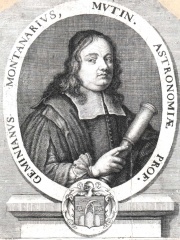
Geminiano Montanari
ASTRONOMER
1633 - 1687
HPI: 60.94
Rang: 2,579
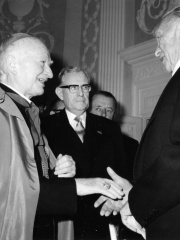
Corrado Bafile
RELIGIOUS FIGURE
1903 - 2005
HPI: 60.93
Rang: 2,580
Pietro Vierchowod
SOCCER PLAYER
1959 - heute
HPI: 60.92
Rang: 2,581

Marcia
POLITICIAN
33 - heute
HPI: 60.92
Rang: 2,582
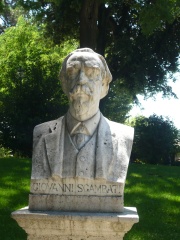
Giovanni Sgambati
MUSICIAN
1841 - 1914
HPI: 60.91
Rang: 2,583
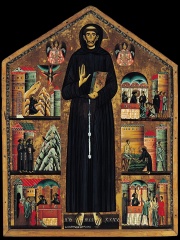
Bonaventura Berlinghieri
PAINTER
1210 - 1287
HPI: 60.91
Rang: 2,584
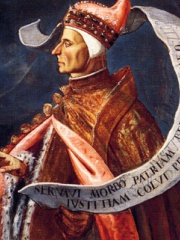
Marco Barbarigo
POLITICIAN
1413 - 1486
HPI: 60.90
Rang: 2,585
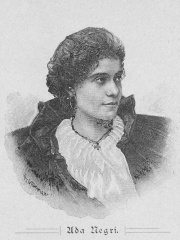
Ada Negri
WRITER
1870 - 1945
HPI: 60.90
Rang: 2,586
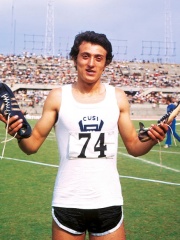
Pietro Mennea
ATHLETE
1952 - 2013
HPI: 60.90
Rang: 2,587
Unter Fußballspieler in Italien
Unter den in Italien geborenen Fußballspieler belegt Pietro Vierchowod Rang 83. Vor ihm stehen Enzo Maresca (1980), Giancarlo Antognoni (1954), Pierino Prati (1946), Christian Panucci (1973), Dino Baggio (1971), und Ugo Locatelli (1916). Nach ihm folgen Umberto Caligaris (1901), Paolo Di Canio (1968), Leonardo Bonucci (1987), Daniele De Rossi (1983), Mario Corso (1941), und Angelo Domenghini (1941).
Enzo Maresca
1980 - heute
HPI: 61.27
Rang: 77
Giancarlo Antognoni
1954 - heute
HPI: 61.22
Rang: 78
Pierino Prati
1946 - 2020
HPI: 61.17
Rang: 79
Christian Panucci
1973 - heute
HPI: 61.17
Rang: 80
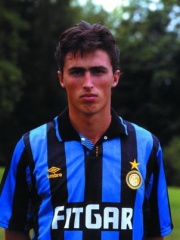
Dino Baggio
1971 - heute
HPI: 61.16
Rang: 81
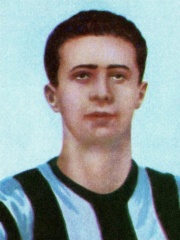
Ugo Locatelli
1916 - 1993
HPI: 61.09
Rang: 82
Pietro Vierchowod
1959 - heute
HPI: 60.92
Rang: 83
Umberto Caligaris
1901 - 1940
HPI: 60.80
Rang: 84
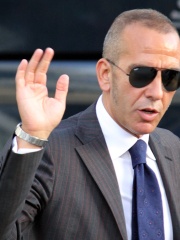
Paolo Di Canio
1968 - heute
HPI: 60.74
Rang: 85
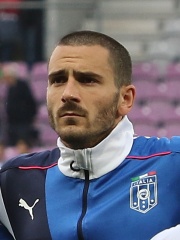
Leonardo Bonucci
1987 - heute
HPI: 60.60
Rang: 86
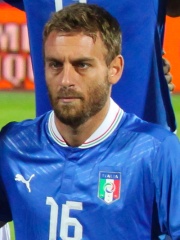
Daniele De Rossi
1983 - heute
HPI: 60.56
Rang: 87
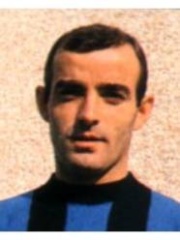
Mario Corso
1941 - 2020
HPI: 60.52
Rang: 88
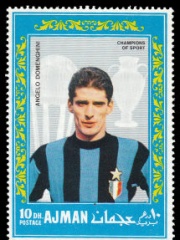
Angelo Domenghini
1941 - heute
HPI: 60.51
Rang: 89




