Politiker
Naftali Bennett
1972 - heute
DE.WIKIPEDIA-SEITENAUFRUFE (PV)
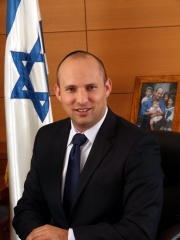

 Naftali Bennett
Seine Biografie ist in 79 verschiedenen Sprachen auf Wikipedia verfügbar (gestiegen von 78 im Jahr 2024). Naftali Bennett ist der 7,112th beliebteste Politiker (gesunken vom 5,645th im Jahr 2024), die 151st beliebteste Biografie aus Israel (gesunken vom 148th im Jahr 2019) und der 60th beliebteste aus Israel Politiker.
Bekanntheitsmetriken
960k
Seitenaufrufe
Letzte 12 Monate
64.07
HPI
Historischer Popularitätsindex
Daten-Einblicke
Seitenaufrufe von Naftali Bennett nach Sprache
Unter Politiker
Unter Politiker belegt Naftali Bennett Rang 7,109 von 20,022. Vor ihm stehen Al-Amir bi-Ahkam Allah, Nguyễn Hữu Thọ, Jalal al-Din Khan ibn Tokhtamysh, Vaballathus, Samuel Adams, und Tsarevna Catherine Ivanovna of Russia. Nach ihm folgen Setepenre, Eberhard III, Duke of Württemberg, Roman of Bulgaria, Mike Pompeo, Godan Khan, und Eurydice of Egypt.
Die beliebtesten Politiker auf Wikipedia
Zu allen Ranglisten
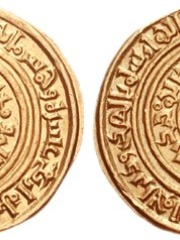
Al-Amir bi-Ahkam Allah
1096 - 1130
HPI: 64.08
Rang: 7,106

Nguyễn Hữu Thọ
1910 - 1996
HPI: 64.08
Rang: 7,107

Jalal al-Din Khan ibn Tokhtamysh
1380 - 1413
HPI: 64.08
Rang: 7,108
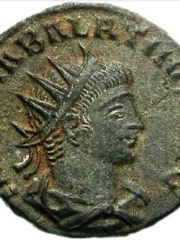
Vaballathus
266 - 273
HPI: 64.08
Rang: 7,109
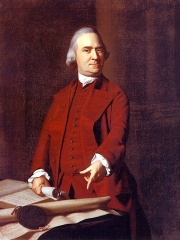
Samuel Adams
1722 - 1803
HPI: 64.08
Rang: 7,110
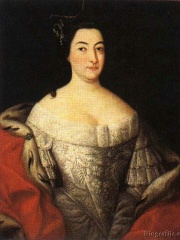
Tsarevna Catherine Ivanovna of Russia
1691 - 1733
HPI: 64.08
Rang: 7,111
Naftali Bennett
1972 - heute
HPI: 64.07
Rang: 7,112
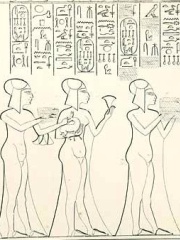
Setepenre
1400 BC - 1400 BC
HPI: 64.07
Rang: 7,113
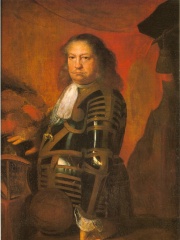
Eberhard III, Duke of Württemberg
1614 - 1674
HPI: 64.07
Rang: 7,114

Roman of Bulgaria
930 - 997
HPI: 64.07
Rang: 7,115
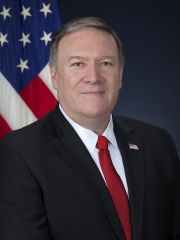
Mike Pompeo
1963 - heute
HPI: 64.07
Rang: 7,116

Godan Khan
1206 - 1251
HPI: 64.07
Rang: 7,117

Eurydice of Egypt
400 BC - 300 BC
HPI: 64.07
Rang: 7,118

Zeitgenossen
Unter den im Jahr 1972 Geborenen belegt Naftali Bennett Rang 43. Vor ihm stehen Anggun, Robin Tunney, Common, Nick Frost, Idris Elba, und Priyanka Gandhi. Nach ihm folgen Rhea Seehorn, Josh Duhamel, John Abraham, Narges Mohammadi, Karl Nehammer, und Tom Hooper.
Weitere im Jahr 1972 Geborene
Zu allen Ranglisten
Anggun
SINGER
1972 - heute
HPI: 64.66
Rang: 37
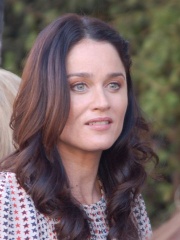
Robin Tunney
ACTOR
1972 - heute
HPI: 64.65
Rang: 38

Common
ACTOR
1972 - heute
HPI: 64.58
Rang: 39

Nick Frost
ACTOR
1972 - heute
HPI: 64.36
Rang: 40
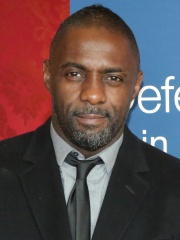
Idris Elba
ACTOR
1972 - heute
HPI: 64.31
Rang: 41
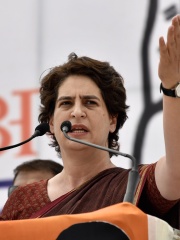
Priyanka Gandhi
POLITICIAN
1972 - heute
HPI: 64.30
Rang: 42
Naftali Bennett
POLITICIAN
1972 - heute
HPI: 64.07
Rang: 43
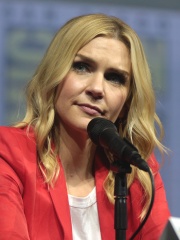
Rhea Seehorn
ACTOR
1972 - heute
HPI: 63.81
Rang: 44

Josh Duhamel
ACTOR
1972 - heute
HPI: 63.39
Rang: 45

John Abraham
ACTOR
1972 - heute
HPI: 63.24
Rang: 46
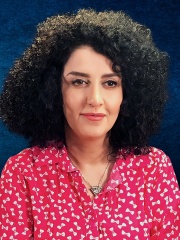
Narges Mohammadi
SOCIAL ACTIVIST
1972 - heute
HPI: 63.13
Rang: 47

Karl Nehammer
POLITICIAN
1972 - heute
HPI: 63.08
Rang: 48
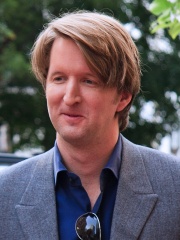
Tom Hooper
FILM DIRECTOR
1972 - heute
HPI: 63.06
Rang: 49
In Israel
Unter den in Israel Geborenen belegt Naftali Bennett Rang 151 von 591. Vor ihm stehen Israel Tal (1924), Zahir al-Umar (1689), Angelus of Jerusalem (1185), Procopius of Scythopolis (250), Menahem Golan (1929), und Sarah Aaronsohn (1890). Nach ihm folgen Lusius Quietus (100), Amos Tversky (1937), Eutocius of Ascalon (480), Wadie Haddad (1927), Sirhan Sirhan (1944), und Dana International (1969).
Weitere in Israel geborene Personen
Zu allen Ranglisten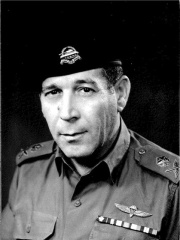
Israel Tal
MILITARY PERSONNEL
1924 - 2010
HPI: 64.58
Rang: 145
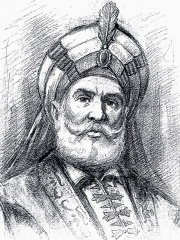
Zahir al-Umar
POLITICIAN
1689 - 1775
HPI: 64.35
Rang: 146
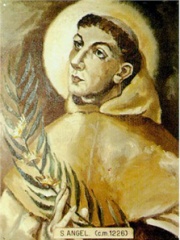
Angelus of Jerusalem
RELIGIOUS FIGURE
1185 - 1225
HPI: 64.19
Rang: 147
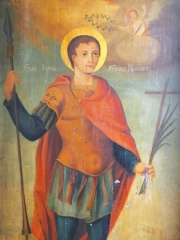
Procopius of Scythopolis
RELIGIOUS FIGURE
250 - 303
HPI: 64.18
Rang: 148
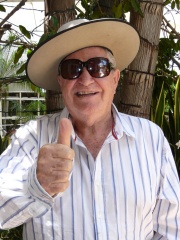
Menahem Golan
FILM DIRECTOR
1929 - 2014
HPI: 64.18
Rang: 149
Sarah Aaronsohn
POLITICIAN
1890 - 1917
HPI: 64.08
Rang: 150
Naftali Bennett
POLITICIAN
1972 - heute
HPI: 64.07
Rang: 151
Lusius Quietus
POLITICIAN
100 - 118
HPI: 64.06
Rang: 152
Amos Tversky
PSYCHOLOGIST
1937 - 1996
HPI: 64.00
Rang: 153

Eutocius of Ascalon
MATHEMATICIAN
480 - 600
HPI: 63.85
Rang: 154
Wadie Haddad
EXTREMIST
1927 - 1978
HPI: 63.84
Rang: 155
Sirhan Sirhan
EXTREMIST
1944 - heute
HPI: 63.82
Rang: 156

Dana International
SINGER
1969 - heute
HPI: 63.81
Rang: 157
Unter Politiker in Israel
Unter den in Israel geborenen Politiker belegt Naftali Bennett Rang 60. Vor ihm stehen Shimon bar Yochai (1), Taqi al-Din al-Nabhani (1909), Al-Hafiz (1074), Ali Hassan Salameh (1940), Zahir al-Umar (1689), und Sarah Aaronsohn (1890). Nach ihm folgen Lusius Quietus (100), Dirk III, Count of Holland (982), Benny Gantz (1959), Peter I, Count of Alençon (1251), Rafi Eitan (1926), und Moshe Ya'alon (1950).

Shimon bar Yochai
1 - 160
HPI: 65.45
Rang: 54
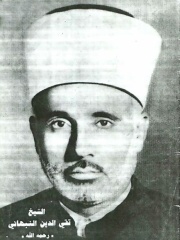
Taqi al-Din al-Nabhani
1909 - 1977
HPI: 65.18
Rang: 55
Al-Hafiz
1074 - 1149
HPI: 64.90
Rang: 56

Ali Hassan Salameh
1940 - 1979
HPI: 64.60
Rang: 57
Zahir al-Umar
1689 - 1775
HPI: 64.35
Rang: 58
Sarah Aaronsohn
1890 - 1917
HPI: 64.08
Rang: 59
Naftali Bennett
1972 - heute
HPI: 64.07
Rang: 60
Lusius Quietus
100 - 118
HPI: 64.06
Rang: 61
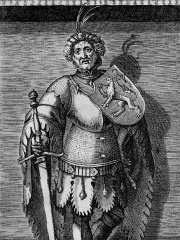
Dirk III, Count of Holland
982 - 1039
HPI: 63.79
Rang: 62
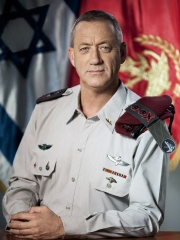
Benny Gantz
1959 - heute
HPI: 63.75
Rang: 63
Peter I, Count of Alençon
1251 - 1284
HPI: 63.74
Rang: 64
Rafi Eitan
1926 - 2019
HPI: 63.53
Rang: 65
Moshe Ya'alon
1950 - heute
HPI: 63.41
Rang: 66




