Politiker
Māris Gailis
1951 - heute
DE.WIKIPEDIA-SEITENAUFRUFE (PV)
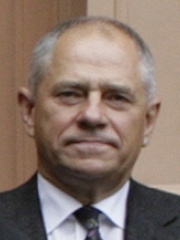
 Māris Gailis
Seine Biografie ist in 19 verschiedenen Sprachen auf Wikipedia verfügbar. Māris Gailis ist der 17,243rd beliebteste Politiker (gesunken vom 16,732nd im Jahr 2024), die 201st beliebteste Biografie aus Lettland (gesunken vom 190th im Jahr 2019) und der 48th beliebteste aus Lettland Politiker.
Bekanntheitsmetriken
5.8k
Seitenaufrufe
Letzte 12 Monate
51.55
HPI
Historischer Popularitätsindex
Daten-Einblicke
19
Die Biografie von Māris Gailis umfasst 19 Sprachversionen der Wikipedia und erreicht einen Historischen Popularitätsindex von 51.55.
Seitenaufrufe von Māris Gailis nach Sprache
Unter Politiker
Unter Politiker belegt Māris Gailis Rang 17,236 von 20,022. Vor ihm stehen Princess Alia bint Hussein, Tom Clarke, Fabian Picardo, Zinetula Bilyaletdinov, Alexey Ulyukaev, und Luis de Guindos. Nach ihm folgen Isidore Mvouba, Hiram Johnson, Jane Dee Hull, Uberto De Morpurgo, Janusz Wojciechowski, und Edward Hawke, 1st Baron Hawke.
Die beliebtesten Politiker auf Wikipedia
Zu allen Ranglisten

Princess Alia bint Hussein
1956 - heute
HPI: 51.56
Rang: 17,237
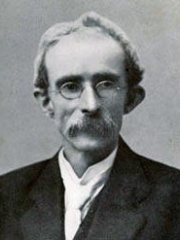
Tom Clarke
1858 - 1916
HPI: 51.56
Rang: 17,238
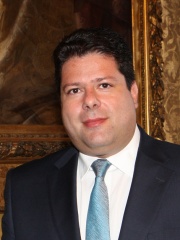
Fabian Picardo
1972 - heute
HPI: 51.56
Rang: 17,239
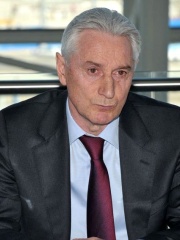
Zinetula Bilyaletdinov
1955 - heute
HPI: 51.55
Rang: 17,240
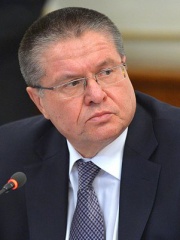
Alexey Ulyukaev
1956 - heute
HPI: 51.55
Rang: 17,241
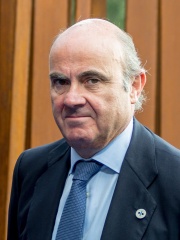
Luis de Guindos
1960 - heute
HPI: 51.55
Rang: 17,242
Māris Gailis
1951 - heute
HPI: 51.55
Rang: 17,243
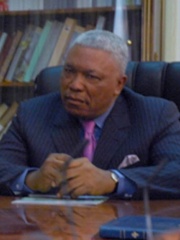
Isidore Mvouba
1954 - heute
HPI: 51.54
Rang: 17,244
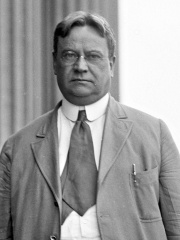
Hiram Johnson
1866 - 1945
HPI: 51.54
Rang: 17,245
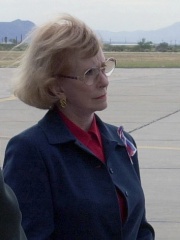
Jane Dee Hull
1935 - 2020
HPI: 51.54
Rang: 17,246
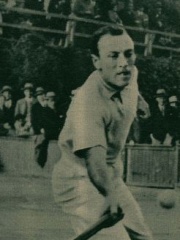
Uberto De Morpurgo
1896 - 1961
HPI: 51.54
Rang: 17,247
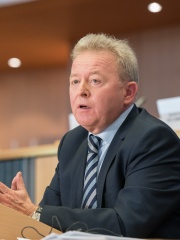
Janusz Wojciechowski
1954 - heute
HPI: 51.54
Rang: 17,248
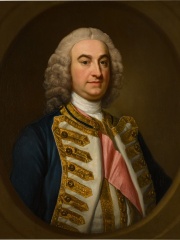
Edward Hawke, 1st Baron Hawke
1705 - 1781
HPI: 51.54
Rang: 17,249

Zeitgenossen
Unter den im Jahr 1951 Geborenen belegt Māris Gailis Rang 607. Vor ihm stehen Roger Wicker, Gerald Grosvenor, 6th Duke of Westminster, Kenneth Bianchi, Abdelmajid Bourebbou, Edward Albert, und Oscar Hijuelos. Nach ihm folgen Janusz Lewandowski, Fița Lovin, Nobutaka Taguchi, Thomas Akers, Juan Carlos Oblitas, und Terrence Mann.
Weitere im Jahr 1951 Geborene
Zu allen Ranglisten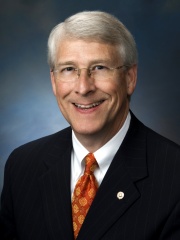
Roger Wicker
POLITICIAN
1951 - heute
HPI: 51.62
Rang: 601
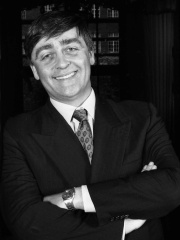
Gerald Grosvenor, 6th Duke of Westminster
POLITICIAN
1951 - 2016
HPI: 51.61
Rang: 602
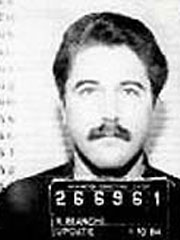
Kenneth Bianchi
MAFIOSO
1951 - heute
HPI: 51.58
Rang: 603

Abdelmajid Bourebbou
SOCCER PLAYER
1951 - heute
HPI: 51.58
Rang: 604
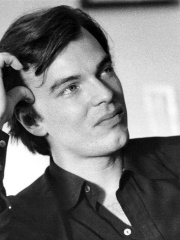
Edward Albert
ACTOR
1951 - 2006
HPI: 51.57
Rang: 605
Oscar Hijuelos
WRITER
1951 - 2013
HPI: 51.56
Rang: 606
Māris Gailis
POLITICIAN
1951 - heute
HPI: 51.55
Rang: 607
Janusz Lewandowski
POLITICIAN
1951 - heute
HPI: 51.47
Rang: 608
Fița Lovin
ATHLETE
1951 - heute
HPI: 51.47
Rang: 609
Nobutaka Taguchi
ATHLETE
1951 - heute
HPI: 51.45
Rang: 610
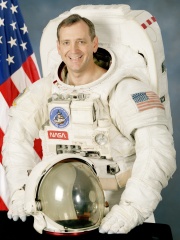
Thomas Akers
ASTRONAUT
1951 - heute
HPI: 51.38
Rang: 611
Juan Carlos Oblitas
SOCCER PLAYER
1951 - heute
HPI: 51.36
Rang: 612

Terrence Mann
ACTOR
1951 - heute
HPI: 51.34
Rang: 613
In Lettland
Unter den in Lettland Geborenen belegt Māris Gailis Rang 201 von 383. Vor ihm stehen Emīls Dārziņš (1875), Solvita Āboltiņa (1963), Valdis Valters (1957), Aleksandrs Starkovs (1955), Artūrs Irbe (1967), und John Konrads (1942). Nach ihm folgen Jānis Akuraters (1876), Roberts Zīle (1958), Nikolai Ekk (1902), Andrejs Prohorenkovs (1977), Ivans Klementjevs (1960), und Einars Repše (1961).
Weitere in Lettland geborene Personen
Zu allen Ranglisten
Emīls Dārziņš
COMPOSER
1875 - 1910
HPI: 52.08
Rang: 195
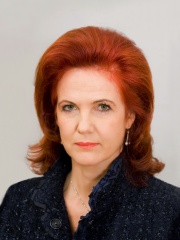
Solvita Āboltiņa
POLITICIAN
1963 - heute
HPI: 51.91
Rang: 196

Valdis Valters
BASKETBALL PLAYER
1957 - heute
HPI: 51.85
Rang: 197
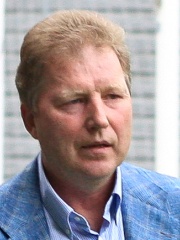
Aleksandrs Starkovs
SOCCER PLAYER
1955 - heute
HPI: 51.83
Rang: 198
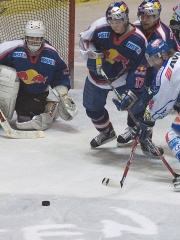
Artūrs Irbe
HOCKEY PLAYER
1967 - heute
HPI: 51.77
Rang: 199
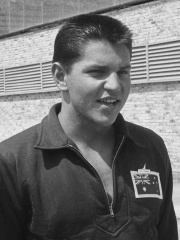
John Konrads
SWIMMER
1942 - 2021
HPI: 51.63
Rang: 200
Māris Gailis
POLITICIAN
1951 - heute
HPI: 51.55
Rang: 201
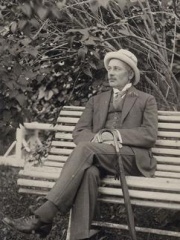
Jānis Akuraters
WRITER
1876 - 1937
HPI: 51.53
Rang: 202
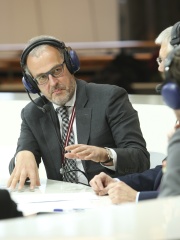
Roberts Zīle
POLITICIAN
1958 - heute
HPI: 51.48
Rang: 203

Nikolai Ekk
FILM DIRECTOR
1902 - 1976
HPI: 50.95
Rang: 204
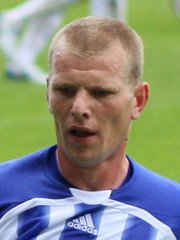
Andrejs Prohorenkovs
SOCCER PLAYER
1977 - 2025
HPI: 50.94
Rang: 205
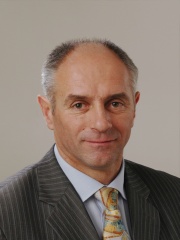
Ivans Klementjevs
POLITICIAN
1960 - heute
HPI: 50.81
Rang: 206
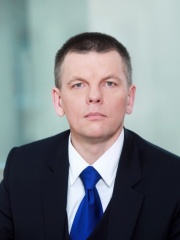
Einars Repše
POLITICIAN
1961 - heute
HPI: 50.75
Rang: 207
Unter Politiker in Lettland
Unter den in Lettland geborenen Politiker belegt Māris Gailis Rang 48. Vor ihm stehen Laila Freivalds (1942), Aigars Kalvītis (1966), Inese Vaidere (1952), Alexei Kudrin (1960), Andris Kulbergs (1979), und Solvita Āboltiņa (1963). Nach ihm folgen Roberts Zīle (1958), Ivans Klementjevs (1960), Einars Repše (1961), Guntars Krasts (1957), Andris Šķēle (1958), und Artis Pabriks (1966).
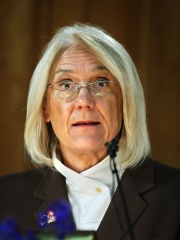
Laila Freivalds
1942 - heute
HPI: 54.23
Rang: 42
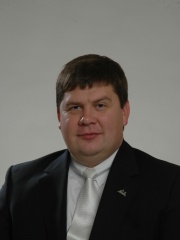
Aigars Kalvītis
1966 - heute
HPI: 54.11
Rang: 43
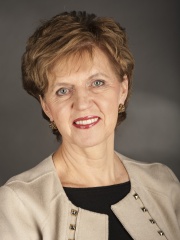
Inese Vaidere
1952 - heute
HPI: 53.72
Rang: 44

Alexei Kudrin
1960 - heute
HPI: 53.14
Rang: 45
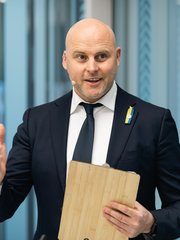
Andris Kulbergs
1979 - heute
HPI: 52.75
Rang: 46
Solvita Āboltiņa
1963 - heute
HPI: 51.91
Rang: 47
Māris Gailis
1951 - heute
HPI: 51.55
Rang: 48
Roberts Zīle
1958 - heute
HPI: 51.48
Rang: 49
Ivans Klementjevs
1960 - heute
HPI: 50.81
Rang: 50
Einars Repše
1961 - heute
HPI: 50.75
Rang: 51
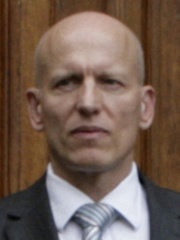
Guntars Krasts
1957 - heute
HPI: 50.40
Rang: 52
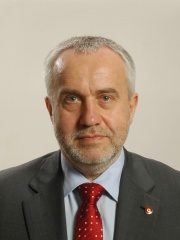
Andris Šķēle
1958 - heute
HPI: 50.38
Rang: 53
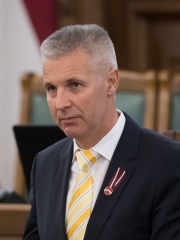
Artis Pabriks
1966 - heute
HPI: 48.75
Rang: 54




