Physiker
Michael Berry
1941 - heute
DE.WIKIPEDIA-SEITENAUFRUFE (PV)
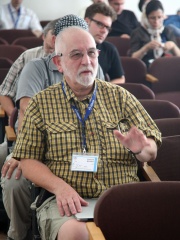
 Michael Berry
Seine Biografie ist in 22 verschiedenen Sprachen auf Wikipedia verfügbar (gestiegen von 21 im Jahr 2024). Michael Berry ist der 588th beliebteste Physiker (gestiegen vom 654th im Jahr 2024), die 3,246th beliebteste Biografie aus Vereinigtes Königreich (gestiegen vom 3,536th im Jahr 2019) und der 68th beliebteste aus Vereinigtes Königreich Physiker.
Bekanntheitsmetriken
35k
Seitenaufrufe
Letzte 12 Monate
57.74
HPI
Historischer Popularitätsindex
Daten-Einblicke
14. März
Michael Berry hat am selben Tag Geburtstag (14. März) wie Albert Einstein, Victor Emmanuel II of Italy und Johann Strauss I.
Seitenaufrufe von Michael Berry nach Sprache
Unter Physiker
Unter Physiker belegt Michael Berry Rang 588 von 851. Vor ihm stehen Yulii Khariton, Antonio Pacinotti, Sergey Kapitsa, Georg Adolf Erman, Otto Lehmann, und Sumio Iijima. Nach ihm folgen Prasanta Chandra Mahalanobis, Kenneth Bainbridge, John Henry Schwarz, Artem Alikhanian, Frank J. Tipler, und John D. Barrow.
Die beliebtesten Physiker auf Wikipedia
Zu allen Ranglisten
Yulii Khariton
1904 - 1996
HPI: 57.89
Rang: 582
Antonio Pacinotti
1841 - 1912
HPI: 57.88
Rang: 583
Sergey Kapitsa
1928 - 2012
HPI: 57.82
Rang: 584

Georg Adolf Erman
1806 - 1877
HPI: 57.80
Rang: 585
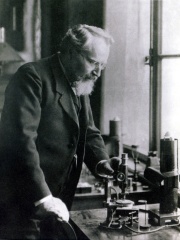
Otto Lehmann
1855 - 1922
HPI: 57.76
Rang: 586
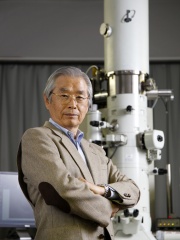
Sumio Iijima
1939 - heute
HPI: 57.75
Rang: 587
Michael Berry
1941 - heute
HPI: 57.74
Rang: 588
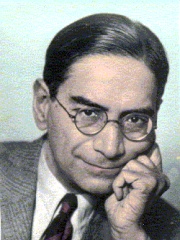
Prasanta Chandra Mahalanobis
1893 - 1972
HPI: 57.73
Rang: 589
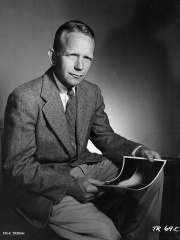
Kenneth Bainbridge
1904 - 1996
HPI: 57.72
Rang: 590

John Henry Schwarz
1941 - heute
HPI: 57.71
Rang: 591
Artem Alikhanian
1908 - 1978
HPI: 57.71
Rang: 592

Frank J. Tipler
1947 - heute
HPI: 57.68
Rang: 593
John D. Barrow
1952 - 2020
HPI: 57.64
Rang: 594

Zeitgenossen
Unter den im Jahr 1941 Geborenen belegt Michael Berry Rang 345. Vor ihm stehen Ikuo Matsumoto, Pete Rose, Bo Svenson, Guido Reybrouck, Alexander Ragulin, und John Williams. Nach ihm folgen Alla Kushnir, John Henry Schwarz, Iván Menczel, Peter Ducke, Pola Raksa, und Little Tony.
Weitere im Jahr 1941 Geborene
Zu allen Ranglisten
Ikuo Matsumoto
SOCCER PLAYER
1941 - heute
HPI: 57.86
Rang: 339
Pete Rose
BASEBALL PLAYER
1941 - 2024
HPI: 57.83
Rang: 340
Bo Svenson
ACTOR
1941 - heute
HPI: 57.83
Rang: 341

Guido Reybrouck
CYCLIST
1941 - heute
HPI: 57.82
Rang: 342

Alexander Ragulin
ATHLETE
1941 - 2004
HPI: 57.80
Rang: 343

John Williams
MUSICIAN
1941 - heute
HPI: 57.80
Rang: 344
Michael Berry
PHYSICIST
1941 - heute
HPI: 57.74
Rang: 345
Alla Kushnir
POLITICIAN
1941 - 2013
HPI: 57.73
Rang: 346
John Henry Schwarz
PHYSICIST
1941 - heute
HPI: 57.71
Rang: 347

Iván Menczel
SOCCER PLAYER
1941 - 2011
HPI: 57.70
Rang: 348
Peter Ducke
SOCCER PLAYER
1941 - heute
HPI: 57.67
Rang: 349

Pola Raksa
ACTOR
1941 - heute
HPI: 57.66
Rang: 350

Little Tony
SINGER
1941 - 2013
HPI: 57.65
Rang: 351
In Vereinigtes Königreich
Unter den in Vereinigtes Königreich Geborenen belegt Michael Berry Rang 3,246 von 8,785. Vor ihm stehen Richard Cobden (1804), Jimmy Bain (1947), Nobby Stiles (1942), James Legge (1815), Ida of Bernicia (450), und Ralph Erskine (1914). Nach ihm folgen Alan White (1949), Mark Sheppard (1964), Andrea Arnold (1961), Donald Sumpter (1943), John Hadley (1682), und May Whitty (1865).
Weitere in Vereinigtes Königreich geborene Personen
Zu allen Ranglisten
Richard Cobden
POLITICIAN
1804 - 1865
HPI: 57.76
Rang: 3,240
Jimmy Bain
MUSICIAN
1947 - 2016
HPI: 57.76
Rang: 3,241
Nobby Stiles
SOCCER PLAYER
1942 - 2020
HPI: 57.76
Rang: 3,242
James Legge
LINGUIST
1815 - 1897
HPI: 57.76
Rang: 3,243

Ida of Bernicia
POLITICIAN
450 - 559
HPI: 57.75
Rang: 3,244
Ralph Erskine
ARCHITECT
1914 - 2005
HPI: 57.75
Rang: 3,245
Michael Berry
PHYSICIST
1941 - heute
HPI: 57.74
Rang: 3,246
Alan White
MUSICIAN
1949 - 2022
HPI: 57.74
Rang: 3,247
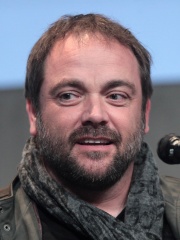
Mark Sheppard
ACTOR
1964 - heute
HPI: 57.74
Rang: 3,248
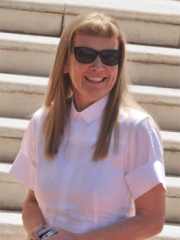
Andrea Arnold
FILM DIRECTOR
1961 - heute
HPI: 57.73
Rang: 3,249
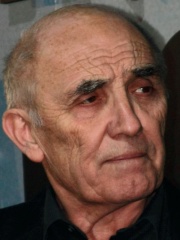
Donald Sumpter
ACTOR
1943 - heute
HPI: 57.73
Rang: 3,250
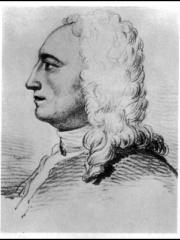
John Hadley
MATHEMATICIAN
1682 - 1744
HPI: 57.73
Rang: 3,251
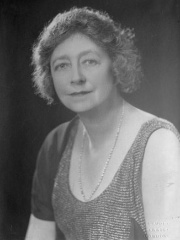
May Whitty
ACTOR
1865 - 1948
HPI: 57.73
Rang: 3,252
Unter Physiker in Vereinigtes Königreich
Unter den in Vereinigtes Königreich geborenen Physiker belegt Michael Berry Rang 68. Vor ihm stehen John Robison (1739), William Astbury (1898), Ernest Marsden (1889), Ralph H. Fowler (1889), John Lennard-Jones (1894), und Sergey Kapitsa (1928). Nach ihm folgen John D. Barrow (1952), William Edward Ayrton (1847), James David Forbes (1809), John Polkinghorne (1930), Bernard Lovell (1913), und C. V. Boys (1855).
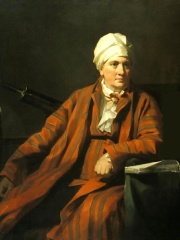
John Robison
1739 - 1805
HPI: 59.10
Rang: 62
William Astbury
1898 - 1961
HPI: 58.64
Rang: 63
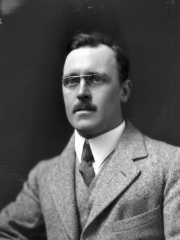
Ernest Marsden
1889 - 1970
HPI: 58.62
Rang: 64
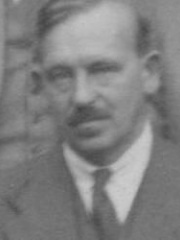
Ralph H. Fowler
1889 - 1944
HPI: 58.41
Rang: 65
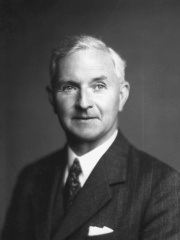
John Lennard-Jones
1894 - 1954
HPI: 58.29
Rang: 66
Sergey Kapitsa
1928 - 2012
HPI: 57.82
Rang: 67
Michael Berry
1941 - heute
HPI: 57.74
Rang: 68
John D. Barrow
1952 - 2020
HPI: 57.64
Rang: 69
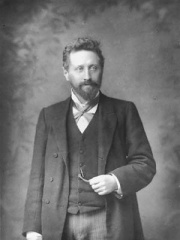
William Edward Ayrton
1847 - 1908
HPI: 57.46
Rang: 70
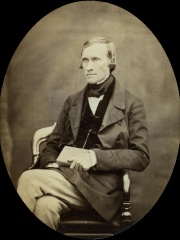
James David Forbes
1809 - 1868
HPI: 57.30
Rang: 71
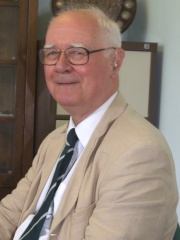
John Polkinghorne
1930 - 2021
HPI: 56.29
Rang: 72
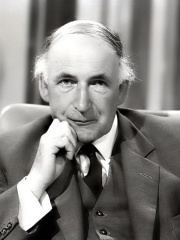
Bernard Lovell
1913 - 2012
HPI: 56.19
Rang: 73
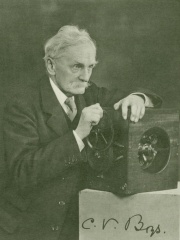
C. V. Boys
1855 - 1944
HPI: 56.08
Rang: 74




